
Review · LE MARAIS TOURS
Paris: The vibrant city center and Le Marais
Paris reveals itself in small corners. This 2-hour walk connects the oldest parts of the city to Le Marais, with a guide who knows how to read buildings like a story. I love the way the route spotlights French Gothic and Renaissance architecture, not just postcard views. I also like the insider-outside angle, with the guide’s long Paris life plus a German lens that makes everyday scenes feel fresh and understandable.
One thing to plan for: the tour covers the Notre-Dame area from the outside, and church entry is not included, so you will not get an interior visit here.
Key points to know before you go
- Small group capped at 8 people, so questions and back-and-forth feel natural
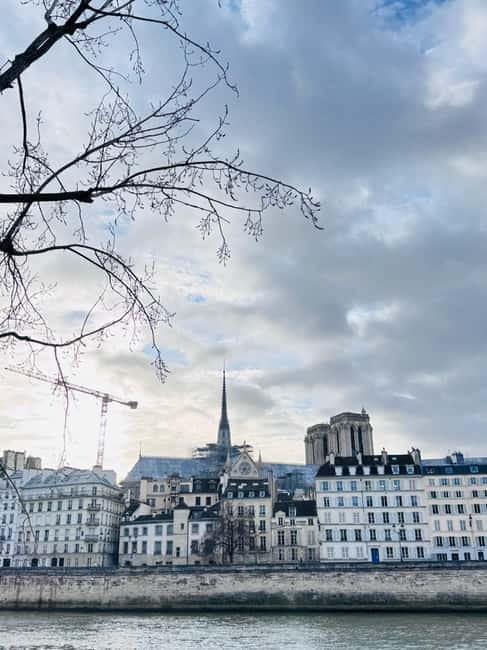
- Notre-Dame de Paris area as the starting anchor, with outside-looking perspectives on French Gothic lines
- Le Marais focus, including livelier streets plus calmer stops like tiny, quiet parks
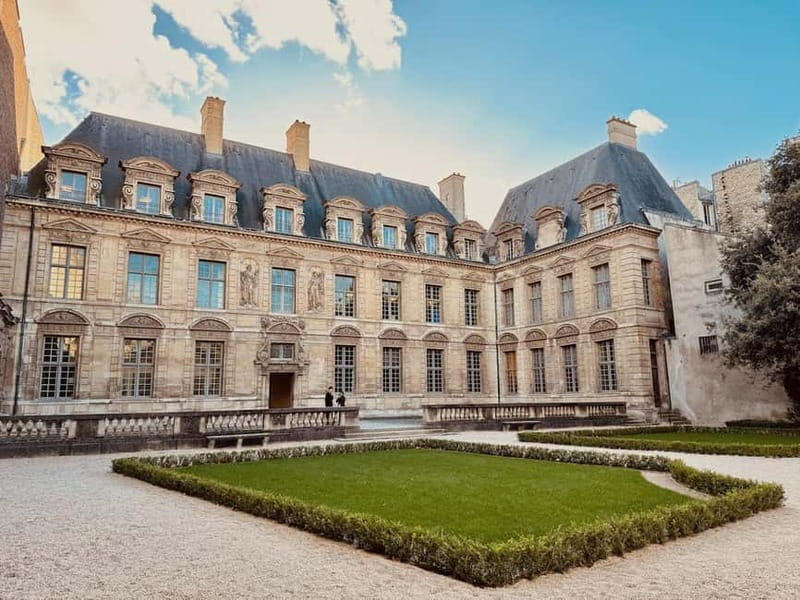
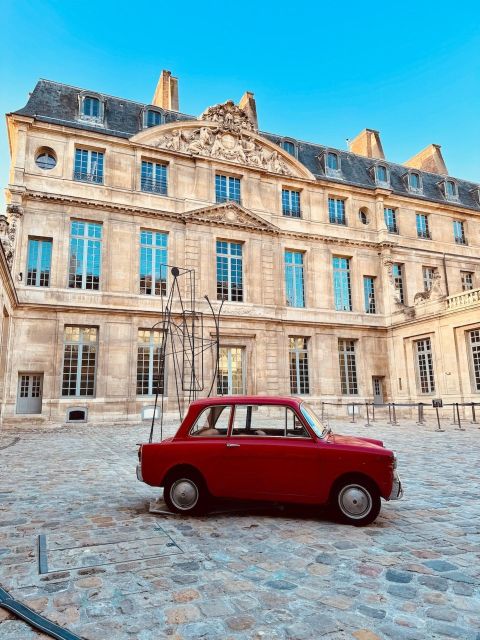
- Architecture from multiple eras, from Middle Ages houses to Renaissance city castles and details
- A guide-led story, with an insider perspective plus German point of view, led in English or German
From Shakespeare and Company to Notre-Dame’s oldest streets
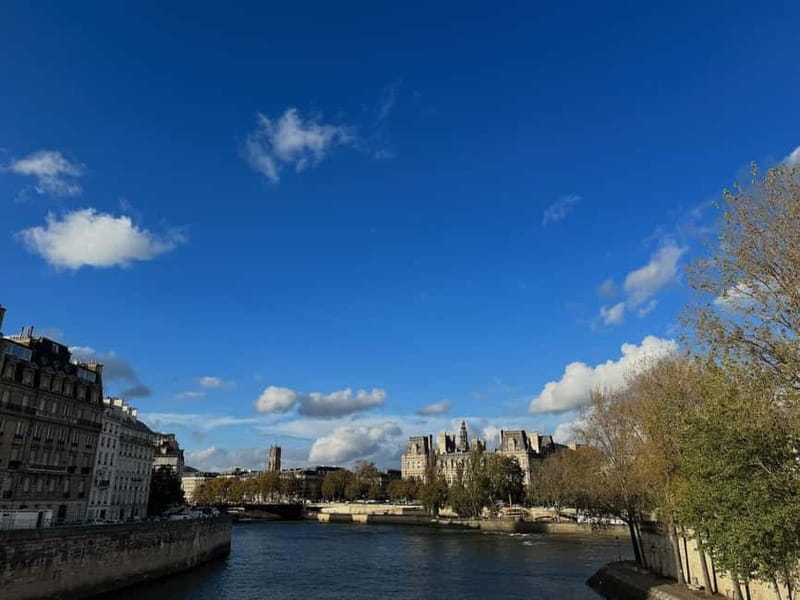
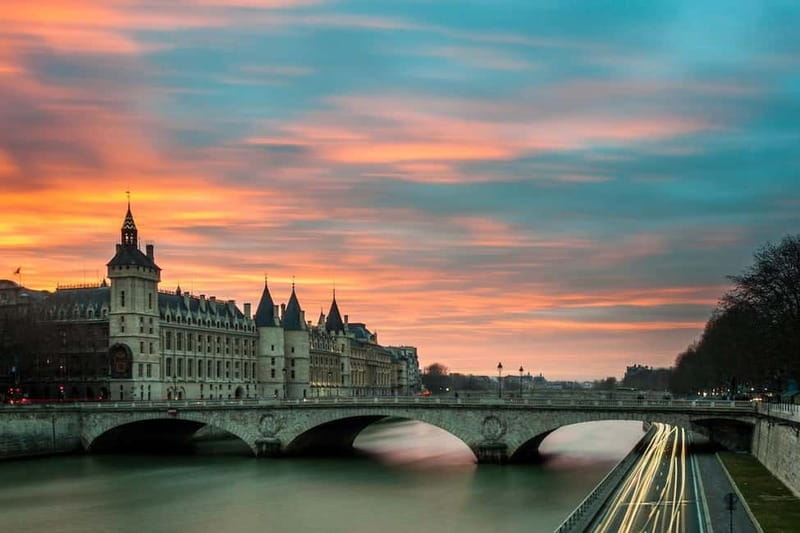
This tour starts in the heart of books and river walks. You meet at Shakespeare and Company at the Wallace fountain, right outside the shop. It is a good meeting spot because it is easy to find and hard to mistake, even if you are slightly turned around in central Paris.
From there, the pace shifts quickly from “I’m here” to “I see it differently.” The guide leads you through the oldest street fabric of Paris, aiming your eyes at buildings, street layouts, and the small urban tricks that make the center feel layered. That matters, because Paris can be a blur when you only rely on big monuments. Here, you learn how the city grew, then you see that growth made visible in stone, windows, and street corners.
It is also a walk designed for attention. You get photo stops, guided narration, and passing views, not a sprint. That mix is what keeps it from turning into a lecture march.
You can also read our reviews of more city tours in Paris



Notre-Dame de Paris, seen from the outside (and why that works)
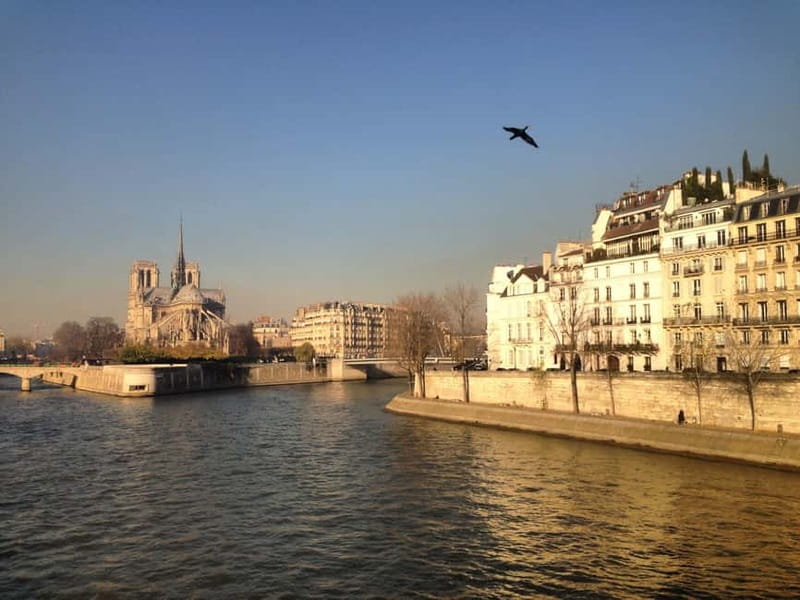
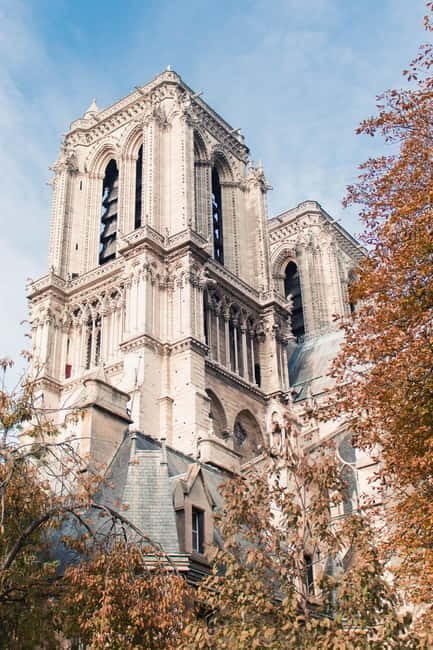
You begin in the Notre-Dame de Paris area, described as newly renovated and reopened. Even though the cathedral itself is a star attraction, this experience keeps you outside, and that is actually useful.
French Gothic architecture is all about vertical momentum, rhythm, and structural logic. When you watch it from the right angles, you can spot how the façades, arches, and details create motion without needing to be inside. The guide uses the exterior to point out contrasts: the grand Gothic design language beside other older city traces nearby.
If you were hoping for a guided walk-through inside the church, this is the trade-off. The tour is clear that the visit of the church is not included, so your best move is to treat this as an architectural and neighborhood history walk, and plan a separate ticketed visit if interior time is a must.
Middle Ages buildings and Renaissance city power, in one route
One of the best parts of this walk is the time travel feel. You move through eras in a way that makes the city’s layers obvious instead of abstract.
The guide shows:
- impressive buildings from flamboyant times
- houses from the Middle Ages
- city castles from the Renaissance
What you gain is context. Paris is not one style frozen in place. It is a series of updates and rebuilds, stacked on top of earlier street life. As you turn corners, you start noticing how windows, façades, and rooftop lines “belong” to different moments, even when they sit only a few steps apart.
This is where the Renaissance content becomes more than a name. You see how power and civic pride get translated into architecture. City castles and grand building attitudes are not just for courts or palaces, they end up shaping the everyday environment around streets. You come away with a better sense of why certain neighborhoods feel like they still carry authority in their walls.
Secret parks and calm pockets when the city noise rises
Paris walking tours often dump you in the busy zones and call it “authentic.” This one does something smarter: it balances architectural focus with moments that feel almost like you stepped behind a curtain.
You will spend time discovering quieter, oasis-like spots, including tranquil secret parks. These pauses are not filler. They give your brain a reset so you can absorb what you just learned about buildings and time periods.
And because you are in a small group, these calmer pauses do not feel crowded or rushed. You can look around, take photos without everyone sprinting ahead, and listen to the guide without competing with constant movement.
The first King’s Square and the art of seeing civic design
At one point, the route includes the first King’s Square, which is a strong reminder that Paris public space is part of the historical story too.
When you learn to view squares as design statements, the city starts making more sense. Squares are not random blanks. They are where power wanted to be seen, where people moved, and where the city decided to create structure in open space.
Even if you only stay there for a short stop, the value is in what the guide frames for you. You start paying attention to how street alignments lead into a square, how surrounding building lines help guide the eye, and how that affects what you feel when you stand in the middle.






Le Marais: lively streets, architecture details, and balconies
Then you switch into Le Marais, one of the neighborhoods where history feels close enough to touch. The walking rhythm keeps changing between guided explanation, sightseeing, and photo pauses.
Le Marais is exciting in a very specific way. It is not just fashionable shops or crowd energy. It is also the way streets compress views, how buildings face each other, and how details like balconies become part of the visual language.
The strongest repeated praise in the experience centers on this style of storytelling. In particular, the guide’s commentary on balconies is a standout. That is the kind of detail that transforms what looks like decoration into evidence of how people lived and displayed status.
You also get a lively street feel, then the tour threads you into calmer spots so you experience the neighborhood as a whole, not a single mood. That balance is what makes Le Marais feel memorable instead of just busy.
How the stops fit together in 2 hours
The timing is designed to work with a short attention window. You start near central Seine-side streets, then move through older Paris zones with a sequence of photo views and guided blocks. After that, the walk shifts more clearly toward Le Marais, where you get a longer guided stretch focused on architecture and atmosphere.
You will have:
- guided touring and sightseeing segments
- photo stops at key viewpoints
- walking time between areas so the story feels connected, not disconnected
The finish is at 5 Rue de Thorigny, 75003 Paris, which places you right where you can continue exploring on foot after the tour ends.
Languages, group size, and pacing that make this feel personal
This is a small group, limited to 8 participants. That number matters. With fewer people, the guide can tailor explanations to questions and can keep the group together on tight sidewalks. It also means you are not just standing in the back hoping you can hear.
Language options are English and German, and that is a real advantage if you want your guide to explain history with nuance rather than translated shorthand. If you are comfortable in either language, you should pick the one you understand best for street-level details.
The pace is walk-forward, not museum slow. You should expect uneven pavement and the need to pay attention to where you step and where you look.
Also, comfortable shoes are recommended. This is not a casual stroll in flip-flops.
Price and value: $40 for a tight, story-led architecture walk
At $40 per person, the value is in what you are buying: time with a local guide who can connect architecture to how Paris became Paris.
For two hours, you are not paying for a bus ride or a long itinerary that tries to cover everything. You are paying for a focused route that targets:
- Notre-Dame de Paris area exterior architecture
- Middle Ages and Renaissance buildings
- quiet parks and civic squares
- Le Marais street-level details, like balconies
If you enjoy history you can see, this is the kind of tour that justifies the cost quickly. You end up with “mental bookmarks” you can revisit later. Even without a cathedral interior included, you still get a strong architecture education plus a sense of place.
If you want a full, inside-only major monument experience, you may find you need to pair this with another activity.
Who should book Paris through my eyes
This tour is a strong fit if you:
- want architecture history you can walk and point at
- love the feel of Marais streets and want more than a quick photo stop
- prefer small-group guiding and a local perspective
- enjoy street-level details, including balconies and how buildings signal different eras
It is also a good choice if you are traveling with a small group or as a solo traveler who wants conversation. The route is short enough to pair with a longer day plan, yet focused enough that you come away with ideas you can use the next time you walk around.
One note for your planning: it is not suitable for wheelchair users, so if mobility is a concern, you’ll want to choose another option.
Should you book this tour?
If your goal is to understand central Paris and Le Marais through buildings, streets, and calm pockets you might otherwise miss, then yes, I’d book it. The small group size and architecture-focused storytelling make the 2 hours feel efficient, not rushed.
If you are mainly after a guided interior visit of Notre-Dame, then this is not the right match. In that case, book a separate cathedral experience, then take this afterward to get the streets and exterior design meanings that make the monument feel connected to the city.
FAQ
Meeting point and where it starts
The tour meets at Shakespeare and Company at the Wallace fountain, right outside the shop.
Where does the tour end?
The tour ends at 5 Rue de Thorigny, 75003 Paris.
How long is the walking tour?
The duration is 2 hours.
What languages are available?
The live guide is available in English and German.
How big is the group?
The group is limited to 8 participants.
Is Notre-Dame entrance included?
No, the visit of the church is not included. You start near Notre-Dame de Paris and explore the area from outside.
What is included in the price?
The price includes a guided walking tour.
Is there a cancellation option?
There is free cancellation up to 24 hours in advance for a full refund.
More City Tours in Paris



More Tour Reviews in Paris



Not for you? Here's more nearby things to do in Paris we have reviewed












Le Marais Tours, side by side.
 ★ 4.5Award-Winning Paris French Bakery Experience — Le Marais, 4th ArrTickets from $1141,186 guest reviews
 ★ 5.0Paris Le Marais Food Tour With 10+ Tastings, Cheese, Wine & MoreTickets from $102985 guest reviews
 ★ 4.5Paris Le Marais District Original Food and Wine Tasting TourTickets from $157880 guest reviews
 ★ 5.0Paris Bike Tour Hidden Secrets in the Latin Quarter & Le Marais neighborhoodsTickets from $54766 guest reviews
 ★ 4.9Food and Wine Tasting Walking Tour in Le MaraisTickets from $113446 guest reviews
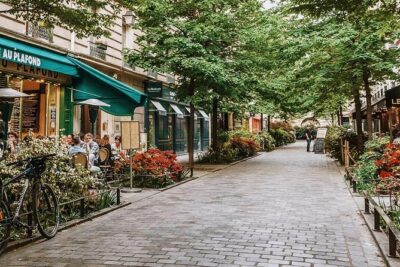 ★ 5.0Le Marais District & Jewish Quarter Guided Walking Tour 12ppl MaxTickets from $59361 guest reviews
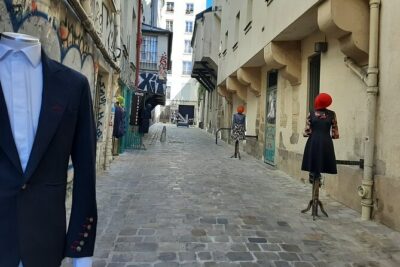 ★ 5.0Le Marais/Paris – The Historic, Trendy, Jewish, LGBT districtTickets from $48341 guest reviews
 ★ 5.0Paris Le Marais Food & Wine Tour with Eating EuropeTickets from $163297 guest reviews
This tour also belongs to