
Review · LATIN QUARTER TOURS
Paris Latin Quarter Walking Tour: History & Culture – Small Group
Roman Paris is hiding in plain sight. This Paris Latin Quarter Walking Tour threads together Roman remains, student streets, and major landmarks in a tight, very doable 2-hour walk.
I really like the small group limit (max 8), because it keeps questions flowing and the pace relaxed. I also like how the route moves from Arenes de Lutece to the Panthéon area without turning into a marathon of photos.
One consideration: you only have about 20 minutes per main stop, so if you love sitting inside museums or lingering for an hour at big monuments, this is more of a see-and-understand route than a slow deep visit.
Key highlights worth planning around

- Arenes de Lutece first, so you start with the Roman layer most visitors miss.
- Rue Mouffetard, Place Monge, and market streets, where the area feels like a living neighborhood.
- Designed for Q and A, with a pace that gives you time to ask and connect the dots.
- Pantheon stop as a learning moment, not just a photo stop.
- End in Jardin du Luxembourg, so you can keep going at your own speed.
A Small-Group Latin Quarter Walk That Starts at Sorbonne
The meeting point is at the Sorbonne University Pierre and Marie Curie Campus (4 Pl. Jussieu, 75005), and the tour ends in the Jardin du Luxembourg (75006). That start and finish matters, because it frames the whole walk: you begin in the academic heart of the Latin Quarter and you finish in the classic Parisian “pause button.”
This is a small-group walking tour, capped at 8 travelers, or you can upgrade to a personal tour if you want it one-on-one. In plain terms, that small size usually means you are not stuck behind a crowd, and you can hear the guide clearly at street level, where the details often hide in plain view.
I also like that the tour is set to run rain or shine. Paris weather is unpredictable, but a guided walk gives you a plan anyway, rather than leaving you to guess what to do next.
You can also read our reviews of more walking tours in Paris



Money and Time: 2 Hours of Latin Quarter for $66.16
The price is $66.16 per person, for about 2 hours. On paper, that can sound steep for a walking tour. In practice, you are paying for two things you do not get as easily on your own: a good local guide who can explain what you are seeing, and a route that stitches together major sights plus the smaller streets between them.
Because this tour is intentionally short, it fits well on a packed day. You get a “best of the Latin Quarter” feel without losing half your day standing in lines or constantly repositioning. The tour also includes tips to help you navigate Paris after the walk, which I find is where guided tours can become truly practical.
If you are traveling in a group, there are group discounts available. And since the tour is commonly booked about 38 days in advance, it is worth reserving early if your schedule is tight.
Stop 1 at Arenes de Lutece: Where Roman Paris Starts
You begin at Arenes de Lutece, and it is a smart first stop. Starting with Roman ruins does two helpful things: it gives you a time-travel anchor, and it makes later sites feel like part of one big story rather than separate attractions.
Arenes de Lutece is listed as 20 minutes with admission ticket free for the tour stop. That means the experience is built for learning on the move. You should expect the guide to point out what makes this place special: it is one of the better-preserved Roman arenas in Paris, and it shows you that the city’s roots run far deeper than the medieval and modern streets you will be walking on.
Why I like this approach: if you understand the Roman footprint early, the rest of the Latin Quarter “clicks” as you go. You stop seeing random facades and you start noticing how neighborhoods evolve.
A practical note: even in a short stop, bring your phone ready, but resist spending all your time filming. The best value here comes from listening.
Place Monge at Marche Monge: Market-Square Paris at Human Scale

Next you move to Marche Monge (Place Monge), with about 10 minutes and again listed as admission ticket free. This is one of those stops that works best when you treat it as a short sensory lesson.
Place Monge is known for that classic Paris square feel, and this kind of stop is where you learn how local life shaped the streets you see today. Markets and neighborhood commerce are not background noise here. They explain why certain streets survive, thrive, and remain central even when styles change around them.
Ten minutes is not long. That is okay, because this is not meant to be a full food tour. It is meant to help you understand why the Latin Quarter has always had energy, even when it is not on a tourist map.
If you are the type who likes to keep moving during walking tours, you will enjoy this quick, focused stop.
Rue Mouffetard: Old Street, Real Daily Life
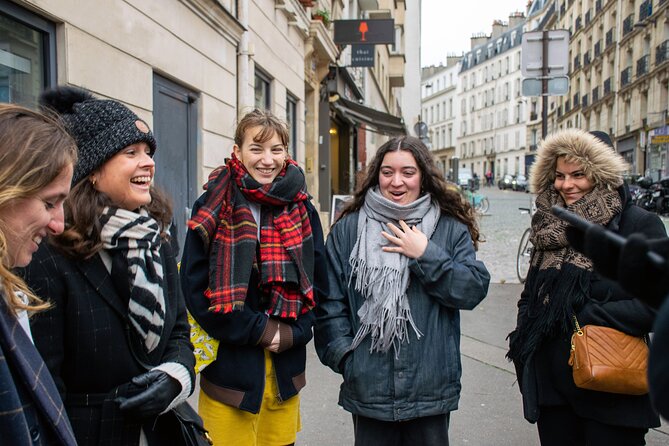
Then comes Rue Mouffetard, scheduled for about 20 minutes. This is one of Paris’s famous older streets, and it is listed as admission ticket free, which tells you the tour will stay street-level and guide you on what to notice.
What you should expect: the guide will likely help you see past the obvious “this is a pretty street” angle. Rue Mouffetard is famous because it keeps functioning as a commercial street, not just as a backdrop. Markets and local shops give it a sense of continuity. When you understand that, you stop thinking of it as a single landmark and start seeing it as a working neighborhood.
A short drawback to keep in mind: because Rue Mouffetard can attract visitors, you might feel some crowding at certain times of day. The advantage is that this tour keeps you moving and explains what to look for while you are there, so your time stays productive.
You can also read our reviews of more historical tours in Paris






Place de la Contrescarpe and St. Etienne du Mont: Calm Corners With Clues
Your route continues to Place de la Contrescarpe for about 20 minutes. This is described as a peaceful square in the heart of Paris, and that matters after the busier street energy of Rue Mouffetard. Think of this stop as a chance to reset your senses and let the guide connect the dots between the area’s big themes and its quieter spaces.
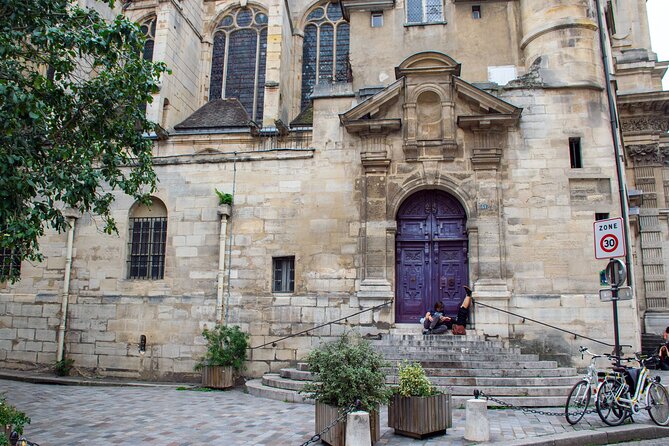
Then you stop at St. Etienne du Mont for about 10 minutes. With a shorter stop like this, you are not trying to do everything. Instead, the goal is usually orientation and context: what kind of building it is, why it sits where it does, and what to notice when you look at it from street level.
Why these stops are valuable: big monuments can overwhelm you if you treat them like isolated photo opportunities. Quiet squares and churches help you understand how the neighborhood breathes. They also give you a mental break, which keeps the rest of the walking tour enjoyable.
Panthéon: Iconic Landmark With a Guided Lens
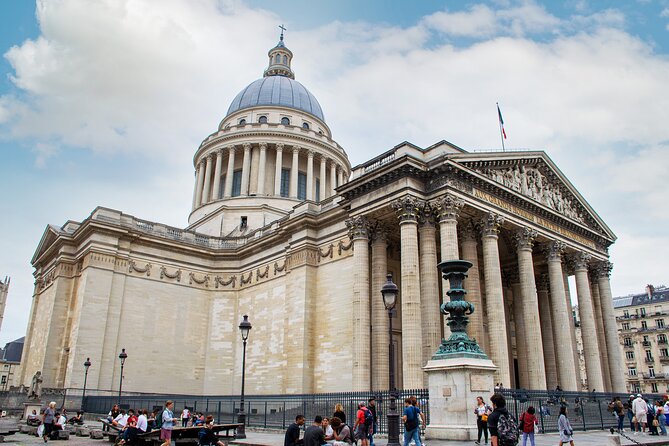
The next major anchor is the Panthéon, scheduled for about 20 minutes and listed as admission ticket free for the stop. The Panthéon is one of those buildings you recognize instantly, even if you have never studied it. A guided stop here helps you see what you might otherwise miss, like why the building matters culturally and how it fits into the story of the Latin Quarter.
With only 20 minutes, you should expect learning moments more than a full, slow museum-style visit. Use the time to look closely at what the guide points out, and do a quick scan first, then zoom in on details the guide mentions.
If you are the kind of traveler who loves reading every plaque, this stop might feel short. But if you want to walk away with a clearer understanding of what you are seeing, this timing works well.
Also, since the tour ends in Luxembourg Gardens, this stop is a strong “capstone moment” before you get your outdoor reset.
Luxembourg Gardens Finish: A Nice Ending Point for Unhurried Time
You finish at Jardin du Luxembourg. The tour listing puts Luxembourg Gardens at about 10 minutes, with admission listed as ticket free and the clear note that you can enjoy it as long as you want after the tour.
This is a great ending strategy. Many Paris tours dump you somewhere random, and then you are stuck figuring out what to do next. Here, the finish point is a destination in itself, so you can keep strolling, people-watching, or simply decompress with a drink or snack.
The practical benefit is real: when you end in a major public garden, you also end near good return options for transit, taxis, or metro connections.
If you want photos, this is a better place to take them than when you were rushing through tight streets earlier.
What the Guide Does Differently, Benoit and Waled as Examples
The biggest value of this tour is the guide. The experience is explicitly built around explanation and questions, and it stays small enough to make that work.
In past groups, guides such as Benoit were described as engaging and able to bring the area to life, with especially clear storytelling around the Roman ruins. Another example from previous groups is Waled, who tailored the walk to interests and kept things practical from the start. One group also noted that Waled took them to a good coffee spot early on, which is the kind of small practical touch that makes the day easier.
I like when a guide does two things at once: teaches you what you are seeing, and helps you make the next move after the walk. Since the tour includes tips to navigate Paris after, you should get help that extends beyond the 2 hours, even if it is informal.
One more plus: the tour format often includes a restaurant suggestion at the end. That is helpful on a first trip, when you do not want to waste time guessing.
Who This Tour Suits Best (And Who Might Skip It)
This tour is a good fit if you want:
- A short Latin Quarter walking plan that covers multiple landmarks without burning your whole day
- A small-group experience where you can ask questions and slow down when something catches your interest
- A strong start with Roman Paris via Arenes de Lutece
It may be less ideal if you want:
- A long, slow visit inside major monuments
- An unstructured stroll where you control every minute and do your own research at each stop
If you are a first-time visitor who already has a rough itinerary, this works as a “connector tour.” It helps you understand what you will see later, and it guides you through streets that are often more interesting than the big postcard sights.
And if you are the type who likes to walk, but you hate planning, the route saves you mental effort.
Quick Practical Tips Before You Go
Since this is a walking tour with several short stops, plan for comfortable shoes. Also, your best strategy is to treat each stop like a mini lesson, not a sightseeing marathon. Arrive ready to listen, then take photos after the guide gives you the context.
Because the tour is rain or shine, bring a small umbrella or rain layer. Paris showers can be quick, but they are still enough to make a long walk annoying if you are unprepared.
Finally, if you can, book soon. With it often booked about a month in advance, you reduce the odds of missing your preferred time slot.
Should You Book This Paris Latin Quarter Walking Tour?
I would book it if you want a focused Latin Quarter walking tour that covers Roman ruins, major landmarks like the Panthéon, and classic streets like Rue Mouffetard, all at a pace that keeps you engaged.
It is also a smart choice if you value guided context over self-guided wandering. At $66.16 per person for about 2 hours with a max 8-person group, you are paying for explanation and route design, not just movement from A to B.
If you already plan to spend a lot of solo time inside museums and you prefer long stops, you might choose a longer format instead. But for most people trying to fit a lot into a first or second day in Paris, this one hits the sweet spot.
FAQ
How long is the Paris Latin Quarter walking tour?
It is approximately 2 hours.
How much does the tour cost?
The price is $66.16 per person.
How many people are in a group?
The tour has a maximum of 8 travelers. There is also an option to upgrade to a personal tour.
Where does the tour start and end?
It starts at Sorbonne University Pierre and Marie Curie Campus, 4 Pl. Jussieu, 75005 Paris, and ends at Jardin du Luxembourg, 75006 Paris.
Is the tour in English?
Yes, it is offered in English.
Is the tour rain or shine?
Yes, the tour will take place rain or shine.
What is included in the price?
Included items are a local tour guide, an intimate group (8 people max or private), an off-the-beaten-path walking tour, and tips to navigate the city after. Admission tickets are listed as free for the stops.
Is hotel pickup or drop-off included?
No, hotel pickup and drop-off are not included.
Are service animals allowed?
Yes, service animals are allowed.
Can I get a full refund if I cancel?
Yes, there is free cancellation, and you can cancel up to 24 hours in advance for a full refund.
More Walking Tours in Paris



More Tours in Paris






More Tour Reviews in Paris






Not for you? Here's more nearby things to do in Paris we have reviewed












Latin Quarter Tours, side by side.
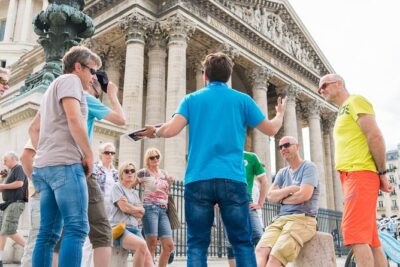 ★ 5.0Paris Bike Tour Hidden Secrets in the Latin Quarter & Le Marais neighborhoodsTickets from $54766 guest reviews
 ★ 4.3Latin Quarter Guided Pub Crawl to Bars and ClubsTickets from $14532 guest reviews
Old Town & Latin Quarter Guided Walking TourTickets from $41404 guest reviews
 ★ 4.5Paris Latin Quarter Pub Crawl Bars and ClubsTickets from $30394 guest reviews
 ★ 5.0Paris – Latin Quarter Free Tour in English (Tip-Based)Tickets from $3269 guest reviews
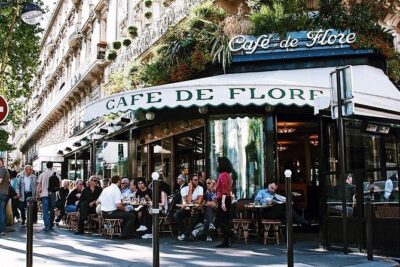 ★ 5.0Latin Quarter Paris Guided Walking Tour Semi-Private 12ppl MaxTickets from $59254 guest reviews
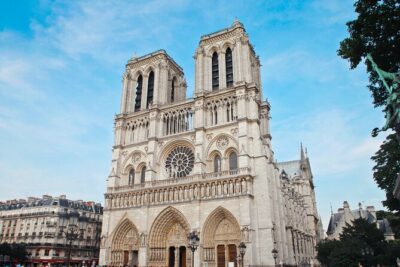 ★ 5.0Paris Latin Quarter Food Tour – Full French Meal by Do Eat BetterTickets from $95217 guest reviews
 ★ 5.0Paris Latin Quarter Walking Tour plus Seine River Cruise OptionTickets from $41203 guest reviews
This tour also belongs to