
Review · PARIS CITY TOURS
The Medieval Heart of Paris – History Walk (Small Group Tour)
Medieval Paris still breathes on these two islands. This small-group history walk, guided by a trained historian, turns bridges, chapels, and Notre-Dame surroundings into an easy-to-follow story you can read directly off the stone. I especially like the customizable feel, because the guide adjusts to what your group cares about most.
I also really liked the way the tour uses a tablet with photos and video context, so you are not just standing around guessing what you are looking at. And when Notre-Dame access is limited, you get a virtual visit style stop with photos and illustrations. One drawback to plan for: monument entry costs are generally extra, and you should expect at least one stop where you cannot go inside the usual way.
Key things you will notice
- Small-group pace with a guide who can adjust to your questions
- Tablet-based visuals to explain what you are seeing, stop by stop
- Pont Neuf as a medieval anchor, one of the oldest stone bridges in Paris
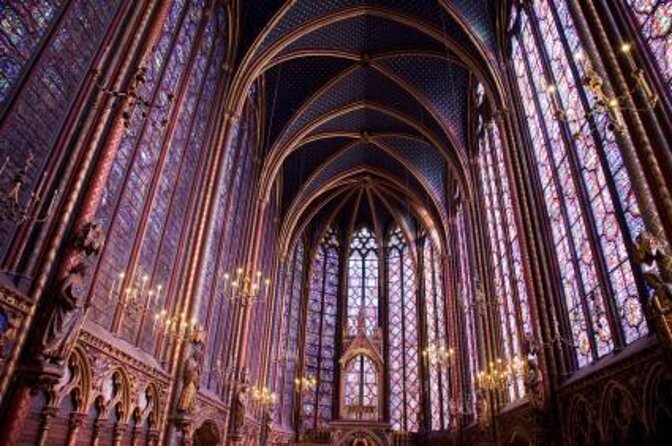
- Sainte-Chapelle for the stained glass lovers, built in 1248 with major 13th-century glazing
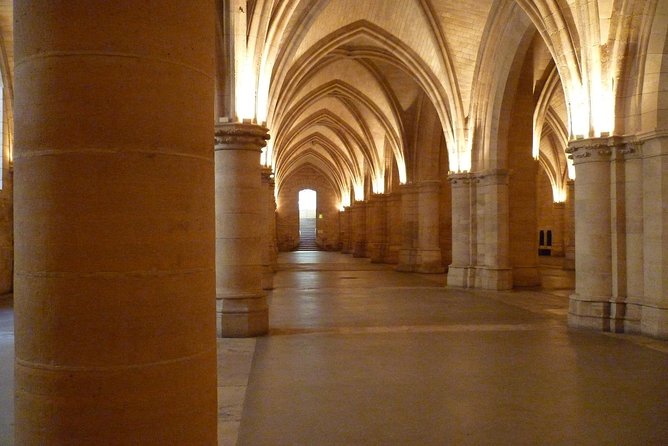
- Conciergerie as a power-to-prison story, including Marie Antoinette’s final days
- Île Saint-Louis for the slower, 1600s feel, with mansions, shops, and a baroque church
Medieval Paris in 2 to 2.5 hours, and why it works
This tour focuses on two islands in the center of Paris: Île de la Cité and Île Saint-Louis. That matters, because when you walk this area with a historian, you connect the big medieval names to the physical clues still sitting under your feet, like bridge design, chapel layout, and the way power was housed and guarded.
The best part is the time window. You get roughly 2 to 2.5 hours of walking that is described as not strenuous, so it is realistic if you only have part of a morning or afternoon. You also get a small-group experience, which keeps the guide from talking at you like a megaphone. You can ask questions and steer the conversation.
One practical note: the tour uses a mobile ticket and runs in French or English, so you should be able to match the language to your comfort level.
You can also read our reviews of more walking tours in Paris



Meeting up at Pont Neuf, then walking a medieval storyline
You start at 15 Pl. du Pont Neuf, 75001 Paris at 11:00 am. The route ends on Île Saint-Louis, at 1 Rue Saint-Louis en l’Île, 75004 Paris. That end point is convenient if you want to continue wandering without backtracking.
As you start near Pont Neuf, the guide is basically setting the theme. This is not a random hit-list tour. It is a cause-and-effect walk: how water crossings shaped the city, how royal power shifted locations over time, and why certain buildings became symbols of religious and political authority.
If your group includes kids, this setup helps. You are not only looking at architecture in a textbook way. The guide uses the tablet with photo and video documentation to add context. It gives kids something concrete to look at while adults get the deeper story.
Pont Neuf stop: the city learns to cross water in stone
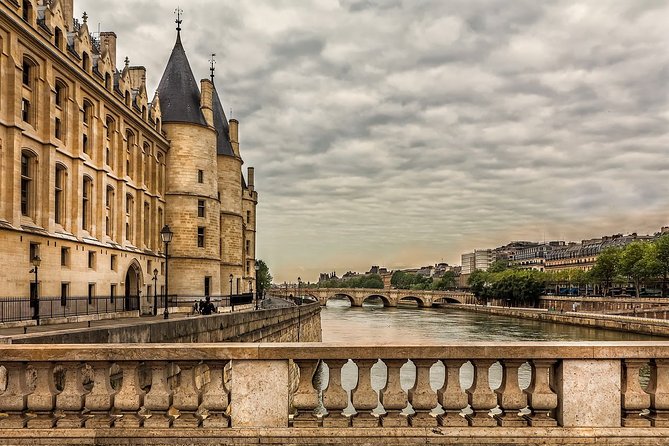
Your first stop is Pont Neuf, described as the city’s oldest bridge and the first major one built in stone. That is a huge deal in a city where lots of early Paris history is tangled up in layers. When a guide points out why stone matters, you start to see bridges as infrastructure with real political and economic weight, not just pretty views.
Even if you are not a history nerd, Pont Neuf is a smart warm-up stop. It is open and easy to understand visually. You can take in how the bridge frames the center of the city, and then the tour quickly links that to medieval Paris’s growth.
Practical tip: wear comfy shoes. This is a walk tour, not a sit-on-a-bench tour. Bring water and, if the weather is moody, a small umbrella.
Conciergerie stop: where royal power became prison
Next you visit the Conciergerie, which is described as the nation’s first royal palace, later transformed into a prison. This stop is emotionally heavy, but it is also one of the most concrete ways to see how institutions evolve.
You also see one of the best-known stories connected to this place: the cell where Marie Antoinette spent her final days before being sent to the guillotine. The guide ties the architecture and the prison function together so it makes sense, instead of feeling like a sad museum caption.
What I like about this stop is that it is not only a name-drop. When you understand that a palace became a prison, you get a clear picture of how medieval and revolutionary-era power could be repurposed with grim efficiency.
A consideration: this is a more intense chapter of history. If you have young kids, it may still be fine, but the guide’s tone and how much detail you want will matter. The tour is customizable, so ask the guide to calibrate.
Sainte-Chapelle stop: Flamboyant Gothic and stained glass that crowds your attention
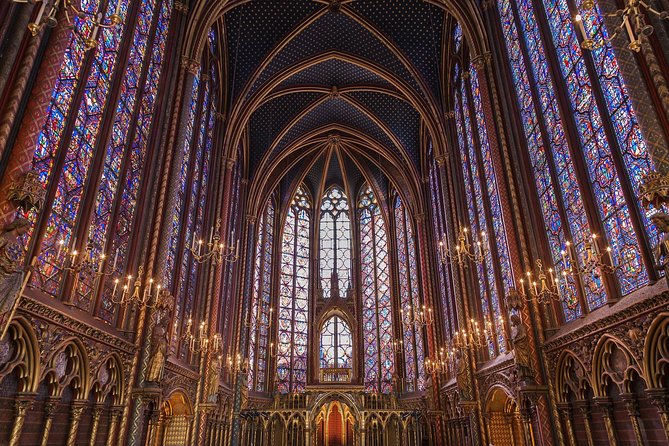
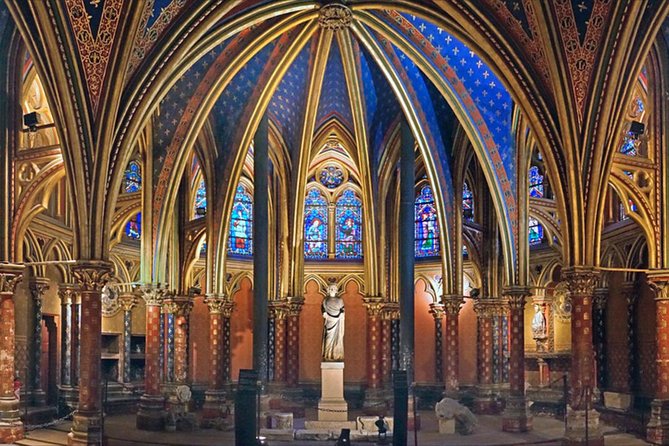
Then it’s Sainte-Chapelle, often a highlight for people who love churches but have trouble translating what they are seeing. Here you get a clear date anchor: it was built in 1248 in the Flamboyant Gothic style. The tour emphasizes the stained glass scale, too, including the detail that two thirds of the surface area is composed of 13th-century stained glass.
This is where the tablet visuals help a lot. When you are standing in front of a wall of glass, it can be hard to absorb what your brain is not naturally trained to see. The guide’s photos and video context can point your attention to shape, light, and the way the window program supports the building’s religious purpose.
One practical drawback to consider: entry costs are not included in the price. If you are budgeting, plan for monument tickets in advance and avoid the day-of stress.
You can also read our reviews of more historical tours in Paris






Notre-Dame stop: when you cannot enter, you still learn the building
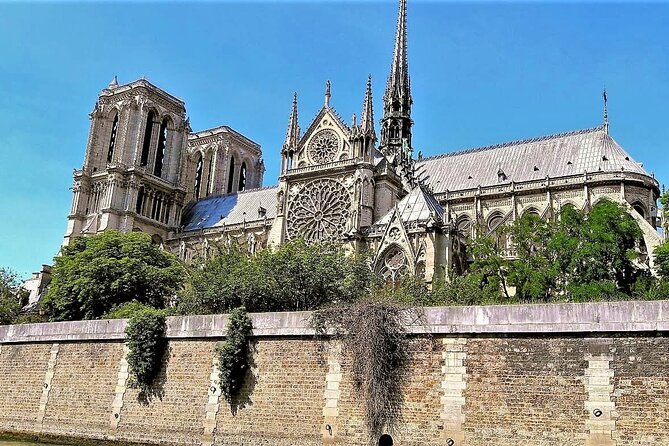
At Cathedrale Notre-Dame de Paris, the tour notes that you can no longer enter the cathedral. Instead, you do a virtual visit using photos and illustrations. That might sound like a compromise, but it can actually be a smart way to understand what you are seeing from the outside and in the surrounding area.
In the virtual-style presentation, you can learn about what was built on the City island during the long construction span, including the period between 1163 and 1245. That kind of timeline makes the facade and the overall complex feel less confusing, like you are finally putting the right dates to the right shapes.
If you care about Notre-Dame specifically, go in with the right expectation: you are getting the interpretive lesson and visual guidance, not an inside visit on this specific format.
Île Saint-Louis stop: a calmer ending on a 1600s island
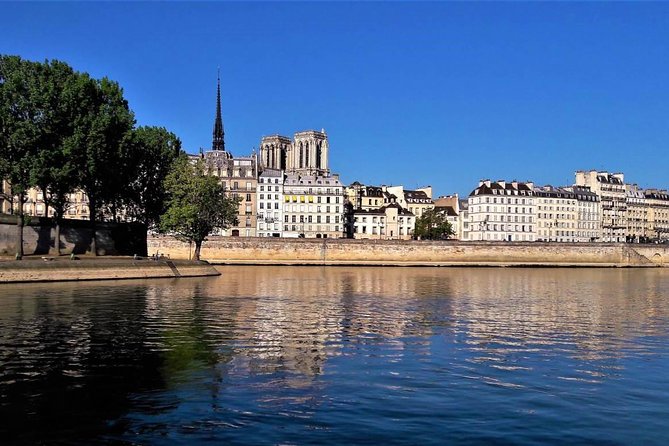
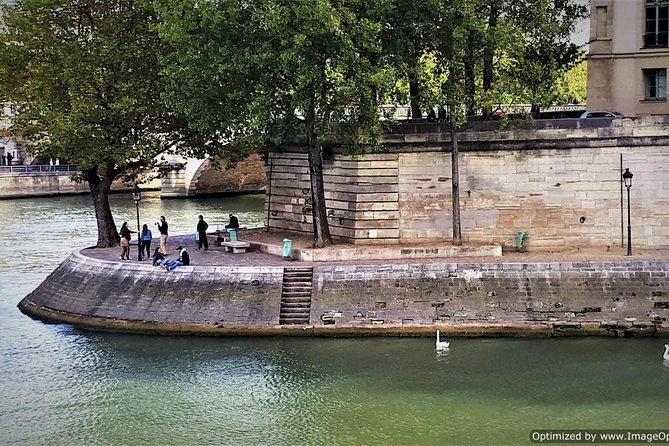
The final stop is Île Saint-Louis. The focus here is the way the island has remained largely untouched since the 1600s, with stately mansions, charming boutiques, and a lovely baroque church.
This stop is a great way to land the tour. After the intensity of medieval power stories and stained glass grandeur, you get a more human-scale Paris moment. You are walking through a neighborhood texture, and that makes the earlier history feel less like a lecture and more like a living city layer.
If you want to keep exploring afterward, this is a good place to continue on your own. You are not stranded at some far-off landmark. You are in the center of the calm zone.
Price and value: what you are really paying for
The tour costs $104.11 per person and runs about 2 to 2.5 hours. Entrance tickets are listed as extra, and the info also gives a reference entry cost of €17/adult. The itinerary also notes that admission is included for Pont Neuf and Notre-Dame in some parts of the plan, but the overall instruction stays consistent that monument entry fees are not part of the base price.
So how is this good value anyway? You are paying for:
- A trained historian guide, not just a basic walking explanation
- A route that hits major medieval sites in a tight time box
- Tablet-based visuals that save you time when you do not have time to research on your own
- A small-group experience that makes it easier to ask questions
- A route that can be customized to your interests, which is rare at this length
If you plan to visit multiple churches and special sites anyway, the cost can make sense because the guide helps you understand what is worth your attention. If your top priority is just photo ops and you would rather wander independently, then you might decide to self-guide and spend your money on a museum ticket list. But if you want the connections explained clearly, this is a strong use of a short window.
What the guide does with the tablet, and why you should care
A lot of tours claim they are informative. This one uses tablet photo and video documentation to do the work for you. That helps in two ways.
First, you can keep your eyes on the building instead of staring down at a phone while trying to figure out what the guide is pointing to. Second, it creates continuity. The guide can show context, then point to architectural features and explain how those features relate to medieval life.
It also makes the Notre-Dame stop more understandable. When you cannot enter, you need another way to learn what you would normally see inside or around the key features. Photos and illustrations can do that, as long as the guide is actively connecting the visuals to what you are looking at.
Who should book this tour (and who might not)
This tour fits you best if you:
- Want a medieval history walk without doing separate full-ticket attractions all day
- Enjoy architecture and want it explained in plain language
- Prefer a small-group experience with room for questions
- Are traveling with kids and want the story delivered with visuals and a pace that can flex
It may be less ideal if you:
- Want to spend lots of time entering multiple interiors, because the plan includes a virtual-style Notre-Dame stop
- Hate paying for monument entries on top of the tour price
If you get a guide like Ellen, who has a reputation for tailoring the tour and not rushing, that family-friendly focus can feel especially helpful.
Practical planning tips for a smooth walk
A few small choices can make this much more pleasant.
Bring comfortable walking shoes. The tour is not described as strenuous, but you still do steady walking. Pack bottled water. And if rain is possible, bring an umbrella. The route is in central Paris, so you are near public transportation, but you will still be on your feet for most of the time.
Also, double-check the language you want, since the tour is available in French and English. If your group is mixed, you might want to confirm ahead of time which language option you will get.
Should you book this Medieval Heart of Paris history walk?
Yes, if you want your medieval Paris time to feel organized and meaningful. This is a smart option when your schedule is tight and you want the connection between Pont Neuf, the Conciergerie, Sainte-Chapelle, and Notre-Dame area history without hopping around blindly.
I would book it if you like the idea of learning from a historian, seeing how buildings changed roles over time, and getting visuals through the tablet so you are not stuck guessing. It is also a good fit for families because the pacing and multimedia support make it easier for kids to stay engaged.
If you are only interested in one or two sites, and you plan to explore the rest on your own, you might save money by building a self-walk route. But if you want the story stitched together across the whole medieval core, this is one of the cleaner, more time-efficient ways to do it.
FAQ
How long is the Medieval Heart of Paris history walk?
It lasts about 2 to 2.5 hours.
Where does the tour start and end?
It starts at 15 Pl. du Pont Neuf, 75001 Paris and ends on Île Saint-Louis at 1 Rue Saint-Louis en l’Île, 75004 Paris.
What time does the tour start?
The start time is 11:00 am.
Is the tour available in multiple languages?
Yes, it is available in French and English.
Is this tour a small group?
Yes, it is described as a small-group tour.
Is the Notre-Dame cathedral visit included inside the building?
No. You can no longer enter the cathedral, so the tour includes a virtual visit using photos and illustrations.
Are monument entrance fees included in the price?
Entrance fees are not included. The information also mentions a reference entry cost of €17/adult. Some parts of the itinerary specify admission ticket inclusion, but overall monument entry is treated as extra.
What is included in the tour price?
You get a local guide and the guide uses a tablet to present photo and video documentation. The tour also provides mobile ticket access.
Is food or transportation included?
No. Food and drinks are not included, and transportation to or from attractions or your hotel is not included.
Can the tour be canceled for free?
Free cancellation is available. You can cancel up to 24 hours in advance for a full refund. If you cancel less than 24 hours before the start time, the amount paid is not refunded. The experience may also be canceled if the minimum number of travelers is not met (minimum of 2).
More Walking Tours in Paris



More Tours in Paris






More Tour Reviews in Paris






Not for you? Here's more nearby things to do in Paris we have reviewed












Paris City Tours, side by side.
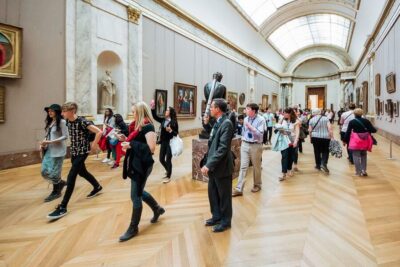 ★ 4.6Louvre Museum Timed-Entrance TicketTickets from $2671,977 guest reviews
 ★ 4.6Disneyland® Paris 1-Day TicketTickets from $6149,412 guest reviews
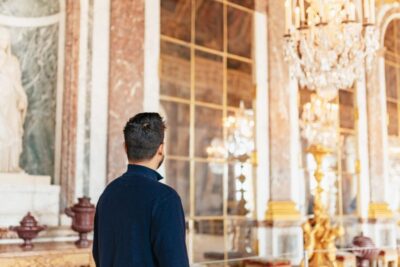 ★ 4.6Versailles Palace and Gardens Full Access TicketTickets from $1741,579 guest reviews
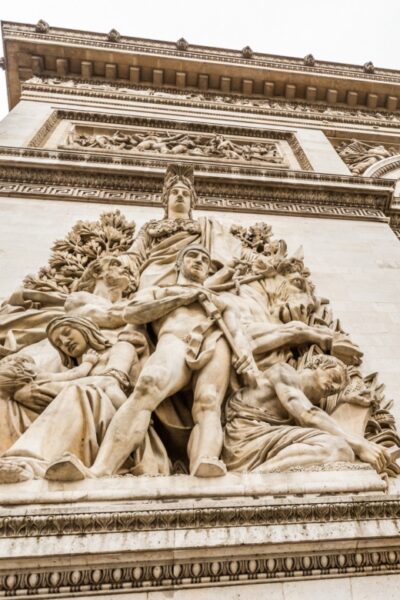 ★ 4.6Arc de Triomphe Rooftop TicketsTickets from $1834,264 guest reviews
 ★ 4.7Orsay Museum Entry TicketTickets from $1525,647 guest reviews
 ★ 4.4Evening River Cruise with MusicTickets from $2722,721 guest reviews
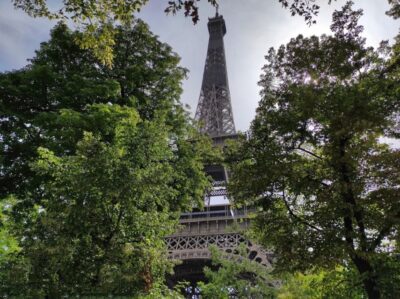 ★ 4.4Eiffel Tower Entry Ticket with Optional Summit AccessTickets from $2920,035 guest reviews
 ★ 4.3Eiffel Tower Summit or Second Floor AccessTickets from $5917,248 guest reviews
This tour also belongs to