
Review · LE MARAIS TOURS
Paris: Le Marais Walking Tour
Le Marais feels like Paris in fast-forward. This 90-minute guided walk hits the district’s big contrasts, from the inside-out look of the Centre Pompidou to the Street of Rosebushes in the Jewish quarter, with LGBTQ+ stories worked into the route at Sainte-Croix-de-la-Bretonnerie. One catch to plan for, the Stravinsky Fountain is listed as under renovation until 2023, so it may affect what you see at the start point.
I like how the tour keeps you moving but not rushed, with about 2 miles at a leisurely pace, rain or shine. You also end in Le Village Saint-Paul, a handy place to wander afterward through antiques, art galleries, and artisan shops. If you want more time on the water, there’s an optional upgrade for a narrated Seine river cruise that stays valid for a year from your tour date.
Key things I’d mark on your map before you go
- Two starting options: Stravinsky Fountain (2 Rue Brisemiche) or the Centre Pompidou, depending on what you book
- Inside-out architecture stop at Centre Pompidou, made for photos
- Jewish Quarter highlights, including the Street of Rosebushes
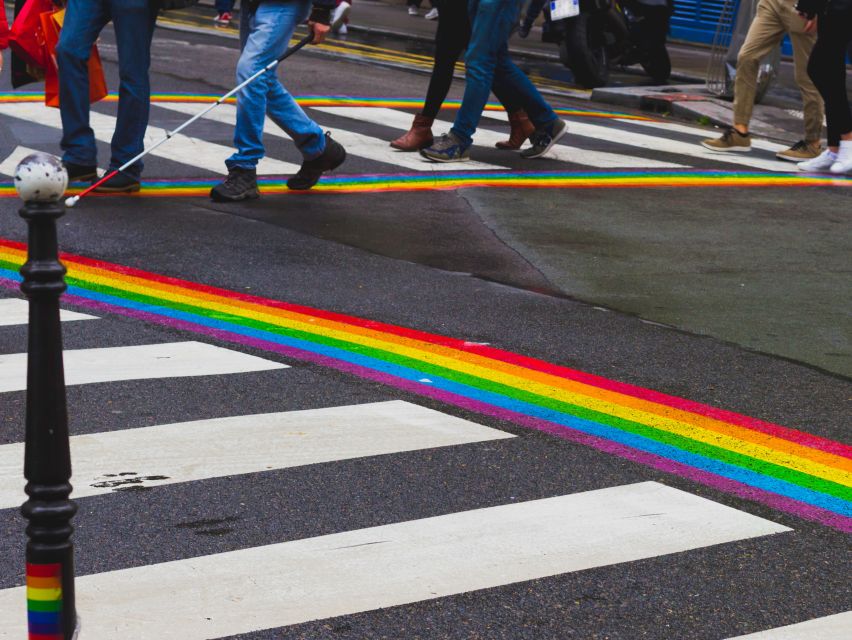
- Local LGBTQ+ context taught at Sainte-Croix-de-la-Bretonnerie
- Churches and cloisters on the route, including Église des Billettes and Notre-Dame-des-Blancs-Manteaux
- Finish at Le Village Saint-Paul for an easy continuation with shops and galleries
Le Marais in 90 minutes: why this neighborhood is the point
Le Marais is one of those Paris neighborhoods where you can feel different eras and communities rubbing shoulders. This tour is designed to give you that sense quickly, without the usual “read about it later” problem.
What makes it work is the mix of sights. You start with something theatrical and movable, then swing to bold architecture, then slow down for churches and quiet courtyards, and finally land in a shopping-and-stroll zone at Le Village Saint-Paul. I also appreciate that the guide connects places to people, including what the area has meant for the LGBTQ+ community at Sainte-Croix-de-la-Bretonnerie. You get more than a postcard walk.
And it’s practical. You’re looking at 90 minutes, about 2 miles total walking at a leisurely pace, plus it’s stroller and wheelchair accessible. That matters because in Paris, a tour that’s “just walk all day” usually turns into suffering. This one is built for real sightseeing.
You can also read our reviews of more walking tours in Paris



Stravinsky Fountain start, and what to expect if it is under renovation
The tour’s opening act is the Stravinsky Fountain, or at least the attempt at it. Expect abstract, outlandish sculptures that move and spray water, which is a big part of why this stop feels fun rather than formal.
That said, there’s an important scheduling reality: the Stravinsky Fountain is listed as under renovation until 2023. Since your trip is today, you should treat this as a “check it before you arrive” situation. If the fountain is affected, you may still get the surrounding context and photo spots, but you might not get the full moving water show you expected.
Still, I like starting here. It sets a tone for the whole neighborhood. Le Marais can be very serious with churches and historic blocks, but it’s also a place where weird, artistic energy lives on the street. This stop cues you to look for that energy as you walk.
Centre Pompidou’s inside-out architecture, then a walk through LGBTQ+ storytelling
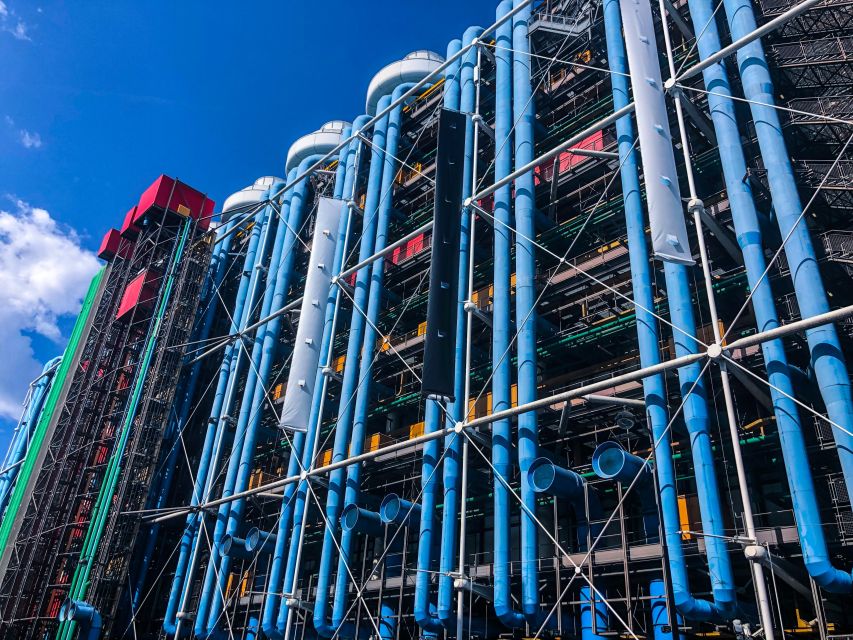
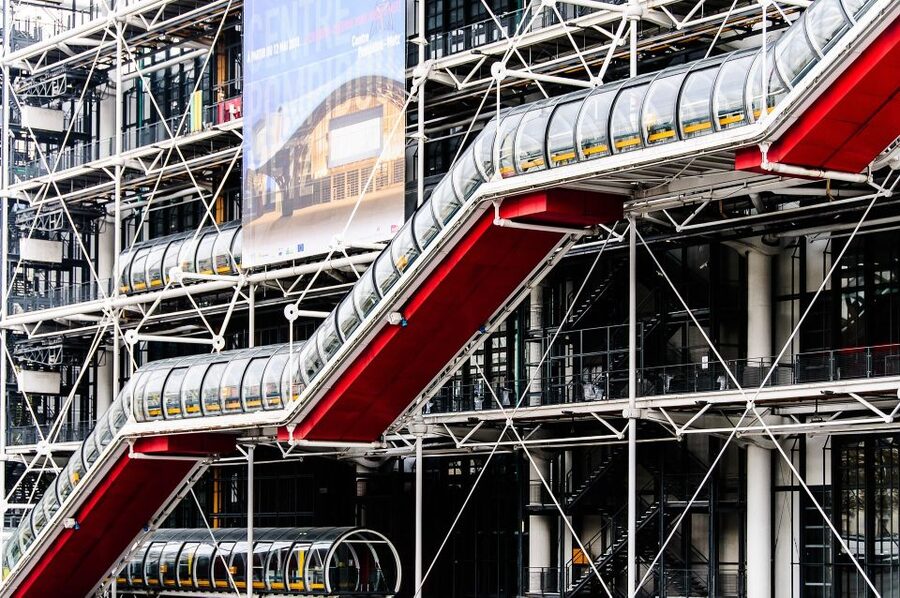
Next comes Centre Pompidou, and the key word is inside-out. The whole design concept is that the architecture shows its inner workings rather than hiding them. On this route, it’s not just a landmark stop, it’s a visual lesson that helps you understand why Le Marais draws design-minded visitors.
From there, you move into Rue Sainte-Croix de la Bretonnerie, which is where the tour adds a human layer. You’ll learn about Paris’ thriving gay community connected to the area, and your guide uses the street setting to make the story feel grounded rather than abstract. If you like history that includes real communities and real space, this part is a highlight.
Two practical tips for this stretch:
- Have your camera ready, because Centre Pompidou’s look is built for quick photos.
- Keep an eye on your pace. You’re switching between “look up at architecture” and “keep walking,” and the walking time is the whole point of how you cover multiple stops in 90 minutes.
Église des Billettes and Notre-Dame-des-Blancs-Manteaux: churches with the kind of dates you remember
Le Marais churches can be easy to pass by if you’re just speed-walking. This tour treats them like anchor points, which is smart because churches and cloisters give you a break from street noise and a chance to slow down.
One of the stops is Église des Billettes. The route also includes the Cloister of Billettes, so you’re not only looking at a facade. You’re getting a sense of quieter, enclosed space, which makes the neighborhood feel layered.
Then you’ll reach Notre-Dame-des-Blancs-Manteaux, an especially interesting stop because it’s tied to a specific historical date: it was built-in 1258 by Saint Louis. That kind of detail helps you read the place instead of just admiring it. When you know what year you’re looking at, you notice how the street setting frames the building.
Is there any drawback here? Not really, but you should know what to expect. Church stops mean you might spend some time looking up and around rather than shopping or eating. If you only want streetscapes and storefronts, this portion may feel more “sit with it” than “grab and go.” I still think it’s worth it because it changes how Le Marais reads in your head.
Rue des Rosiers, Impasse des Arbalétriers, and the Street of Rosebushes
This is where the tour leans into texture, color, and charm. You’ll walk through Impasse des Arbalétriers (often tied to the idea of crossbowmen), and you’ll hit Rue des Rosiers, one of the recognizable streets in the Jewish Quarter area. It’s a section of the tour built for wandering with your eyes, not just your feet.
The star is the Street of Rosebushes. You get time here to appreciate the atmosphere of the quarter and to pause for photos. The tour description is clear that this is a must-see, and I agree with the focus. In a neighborhood full of grand facades and landmark architecture, this kind of smaller, niche street is what makes the whole walk feel personal.
One more reason I like this stretch: it breaks the rhythm. Earlier parts are heavy on big visuals, like Pompidou. Later you shift into courtyards and landmarks. The rosebush street acts like a mood change, and it makes the tour feel less like a checklist.
If you’re traveling with someone who wants food stops, plan your expectations. Food and drink aren’t included, so you’ll want to decide if you’ll snack before or after, or at your own pace along Rue des Rosiers. The upside is that you get flexibility instead of being forced into a specific place.






Hôtel Carnavalet and Place des Vosges: finishing with a calmer, classic Paris
As the tour approaches its end, it turns more “Paris postcard, but with context.” You’ll visit the bibliothèque de l’hôtel de ville de Paris and also stop at Hôtel Carnavalet before reaching Place des Vosges.
Place des Vosges is the kind of place where even a short visit changes your mood. You step into an open area that feels ordered and easy to look at, and you get a chance to reset before the final neighborhood walk through Le Village Saint-Paul.
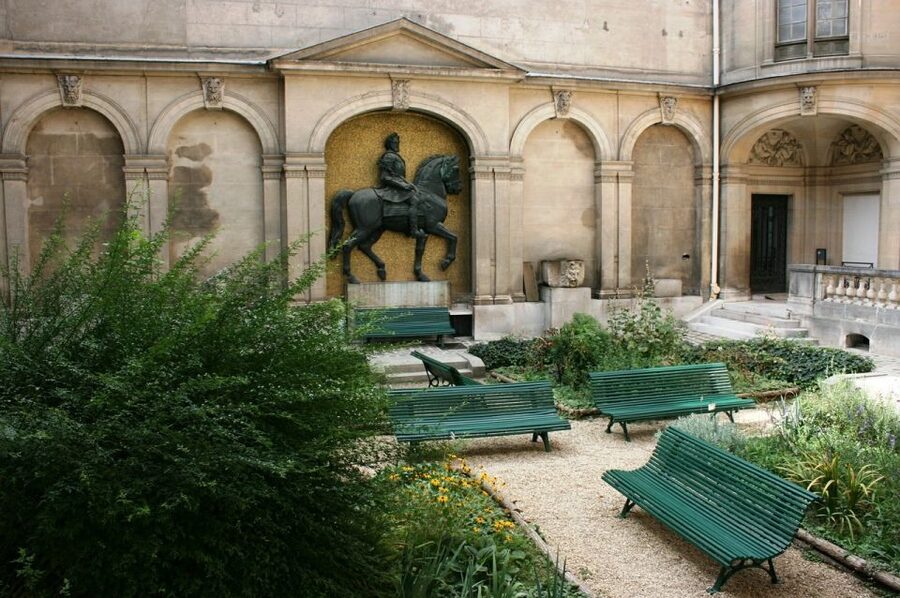
Hôtel Carnavalet adds another layer. Even if you don’t have a museum mindset, this stop helps tie the route to the idea of Le Marais as a place where stories are preserved, not just consumed for a quick look. The tour keeps the flow tight, so you don’t get stuck in one spot too long.
This is also where you get a practical benefit. By the time you arrive at Place des Vosges and the city library area, you’ve already gotten oriented around the geography. That means after the tour ends, you’re less likely to feel lost trying to figure out where to go next.
Le Village Saint-Paul: the smart place to end your walk
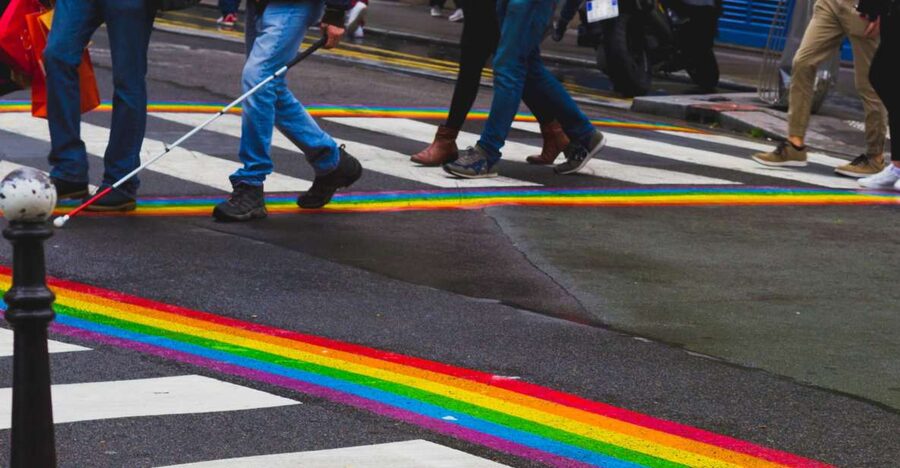
The tour concludes at Le Village Saint-Paul. This matters more than it sounds. If a walking tour ends somewhere random, you spend your remaining time trying to find your way. Here, the finish is deliberately placed in a spot with antiques, art galleries, and artisan boutiques, which gives you instant continuation.
I like that the tour doesn’t try to do everything. You get the guided route, you get the context, and then you’re free to stroll. If you enjoyed the “people and place” stories earlier, this ending makes it easy to stay in the same vibe without a rigid schedule.
This is also where I’d suggest you spend your energy. Shop browsing in Le Marais can be addictive, so give yourself time for it now. If you’re also interested in photography, this is a good moment to slow down because the area feels designed for wandering.
Optional narrated Seine cruise upgrade for a year, for a different kind of sightseeing
If you upgrade, you add a narrated Seine river cruise. The key practical detail is that it’s valid for a year from your tour date. That’s valuable because Paris weather and scheduling can get weird fast, and having a longer window lets you match it to your remaining free time.
This also changes the tone. The walking tour focuses on architecture, streets, and small historical details. The Seine cruise flips the perspective. Instead of reading the city at foot level, you see it from the water, and you get the chance to rest your legs after the 2-mile walk.
Who should consider upgrading? If you like stories and commentary during sightseeing, and if you want to turn one day into a “city in two views” combo, it makes sense. If you already have your own Seine plan, you might skip it to avoid duplicating time on the river.
What the guides do best, from Joanna to Zack to Maria
The difference between a so-so walking tour and a great one is usually the guide. This one stands on that.
I’ve seen examples of guides like Joanna, praised for being excellent on local area details, and Zack, noted for history plus humor with an engaging style. Maria also stood out in feedback for providing plenty of information and for sending a follow-up email with a list of recommendations. That follow-up detail is underrated because it helps you turn the tour into a longer, better day instead of a standalone event.
If you’re the type who likes asking questions, this setup is a good fit. You’re moving through a neighborhood where it’s natural to wonder about why a street looks the way it does, or how communities shaped what you see.
A balanced check before you book
This tour looks strong overall, but I’d still flag two considerations based on the provided info.
First, the Stravinsky Fountain renovation listing through 2023 could affect what you see at the start. You should verify closer to your travel dates so expectations match reality.
Second, there is at least one case where a guide did not show up at the agreed start time, and the group could not contact the company or guide. That’s not enough to say the tour is unreliable, but it is enough to justify a simple personal safety habit: keep your confirmation handy, and have the provider contact information available on your phone the day of the tour.
Should you book this Le Marais walking tour?
I’d book it if you want a focused, guided way to understand Le Marais in a short window. It’s especially good if you care about architecture, you want context about the Jewish Quarter and the LGBTQ+ community, and you like finishing somewhere you can immediately wander on your own.
You may want to skip or double-check first if your main goal is the Stravinsky Fountain water show, since the fountain is listed as under renovation until 2023. And if you hate walking in general, remember this is still about 2 miles total, just at a leisurely pace.
For most people, though, this is a solid value play. You’re paying for a local guide, you get key sights packed into 90 minutes, and the option to add a Seine cruise gives you flexibility for a second experience.
FAQ
How long is the Paris Le Marais walking tour?
The tour lasts 90 minutes.
How much walking is involved?
It involves 2 miles of walking at a leisurely pace.
Where does the tour start?
You can start either at the Stravinsky Fountain (2 Rue Brisemiche) or at the Centre Pompidou. The meeting point may vary depending on the option you booked.
Is the tour in English?
Yes, it’s listed as an English live tour guide.
Does the tour run in bad weather?
It takes place rain or shine.
Is the tour wheelchair accessible?
Yes. The walk is accessible for strollers and wheelchairs, and the activity is listed as wheelchair accessible.
What is included, and is the Seine cruise upgrade included?
The tour includes a local guide, and the Paris shuttle is included. The Seine river cruise is available as an optional upgrade, and it’s narrated. The cruise upgrade is good for a year from your tour date. Food and drink are not included.
More Walking Tours in Paris



More Tours in Paris





More Tour Reviews in Paris



Not for you? Here's more nearby things to do in Paris we have reviewed












Le Marais Tours, side by side.
 ★ 4.5Award-Winning Paris French Bakery Experience — Le Marais, 4th ArrTickets from $1141,186 guest reviews
 ★ 5.0Paris Le Marais Food Tour With 10+ Tastings, Cheese, Wine & MoreTickets from $102985 guest reviews
 ★ 4.5Paris Le Marais District Original Food and Wine Tasting TourTickets from $157880 guest reviews
 ★ 5.0Paris Bike Tour Hidden Secrets in the Latin Quarter & Le Marais neighborhoodsTickets from $54766 guest reviews
 ★ 4.9Food and Wine Tasting Walking Tour in Le MaraisTickets from $113446 guest reviews
 ★ 5.0Le Marais District & Jewish Quarter Guided Walking Tour 12ppl MaxTickets from $59361 guest reviews
 ★ 5.0Le Marais/Paris – The Historic, Trendy, Jewish, LGBT districtTickets from $48341 guest reviews
 ★ 5.0Paris Le Marais Food & Wine Tour with Eating EuropeTickets from $163297 guest reviews
This tour also belongs to