
Review · LE MARAIS TOURS
Paris: Guided tour of Marais in German
Marais moves fast, even in two hours. I like the German-language guide and the way the walk connects everyday Jewish life with the 16th and 17th-century palaces that still shape this part of Paris. The trade-off is simple: it is a compact route, so you will see a lot from the street level, but you will not linger long enough to read everything like you could on your own.
This tour works especially well for people who value interaction. In past bookings, guides such as Lucy, Marie-Elene, Katharina, Solène, and Marilena handled lots of questions patiently, including with families and kids. Just note that entrance tickets and food are not included, so plan meals and museum entries separately if you want more than street-side viewing.
Key highlights to expect
- Jewish Paris on Rue des Rosiers with context for what you are seeing today
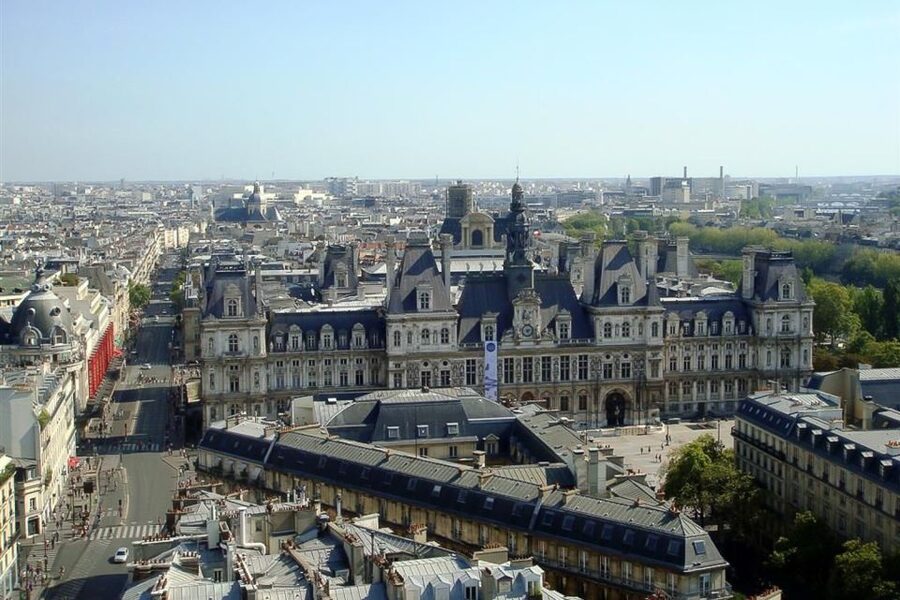
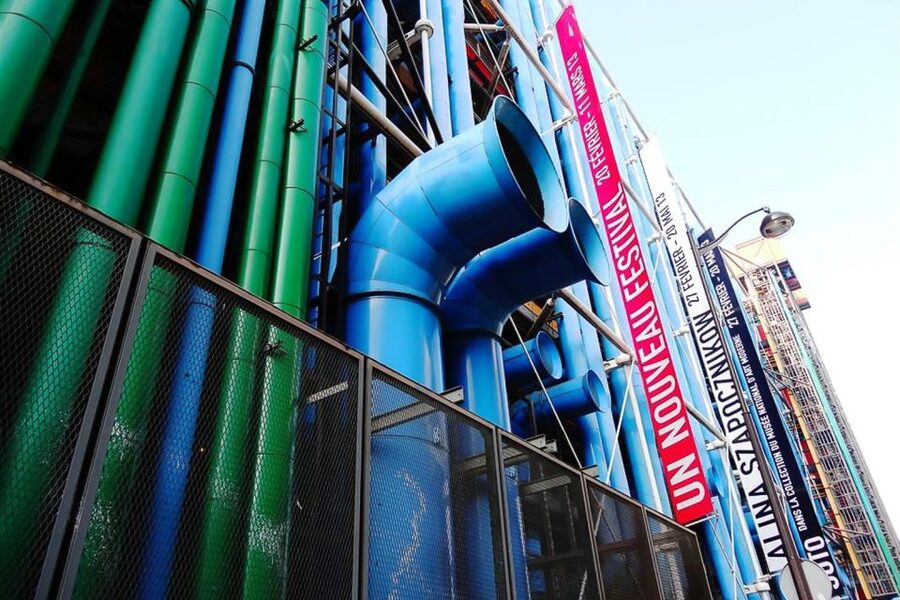
- Hôtel de Ville and Centre Pompidou as major landmarks to anchor the walk
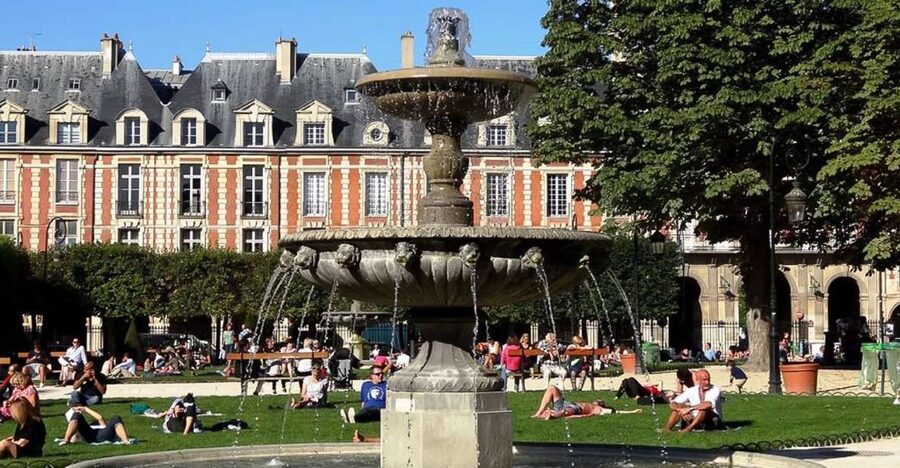
- Place des Vosges as Paris’s oldest square, plus classic architecture and palace details
- 16th and 17th-century city palaces that still stand because of how Marais developed
- Last traces of medieval Paris at the end, tying the neighborhood’s layers together
A Marais walk in German that actually helps you read the neighborhood
Paris is easy to wander in, and also easy to misunderstand. This guided Marais tour in German is built for people who want their bearings without guessing. You move through the Jewish Quarter in the 3rd and 4th arrondissements, but the guide keeps pointing out what matters, so the streets stop feeling like just a backdrop for photos.
What I liked most is how the tour balances two styles of seeing. You get the human side, including Jewish life and the atmosphere around a famous street like Rue des Rosiers. You also get the big visual side, like the city palaces and the standout landmarks near Hôtel de Ville and Centre Pompidou.
The German language part is not a small detail. In several experiences, the guide’s German was described as excellent, and they were willing to respond to questions instead of speeding through a script. If German is your comfort zone, you will feel more confident asking things like how old buildings survived, or why this area looks the way it does.
You can also read our reviews of more guided tours in Paris



Starting at Hôtel de Ville, then sizing up Centre Pompidou and City Hall
You meet near Hôtel de Ville, in front of Basket4Ballers on 31 Rue de Rivoli. It is a good starting point because it puts you in the center of modern Paris right away, before you slide into the older layers of Marais.
From there, Hôtel de Ville and Centre Pompidou act like anchors. You are not just walking through streets, you are walking through time. The City Hall area gives you that sense of official Paris, while Pompidou signals modern culture and scale. The guide uses these landmarks to frame what comes next, so the later stops in Marais feel earned, not random.
One practical note: because you start right in a major hub, it helps to arrive a few minutes early. That way you can gather yourself, spot the meeting point easily, and settle before the guide starts building the story.
Place des Vosges: the oldest square you can feel right away
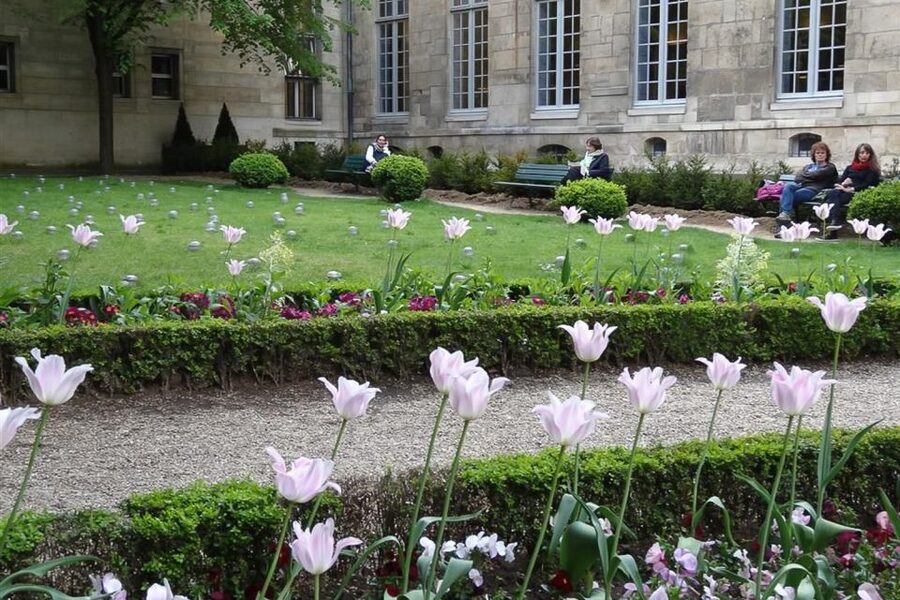
Place des Vosges is more than a pretty square. It is an architectural statement and a social one, and the guide gives you the context so you can actually “read” the place. This is where you see how Marais developed into a fashionable district, and how the design of the space shaped everyday life.
You also get palace details here. The tour highlights the 16th and 17th-century city palaces that still look remarkably well preserved. When you stand in the right spots, those facades stop being generic “old buildings,” and start making sense as part of a neighborhood that mattered.
If you like architecture, you will probably enjoy the stop at Place des Vosges because it is a natural place for the guide to slow down just enough. The guide can connect materials, layout, and style without turning it into a lecture marathon.
Musée Carnavalet and the logic of why the palaces survived
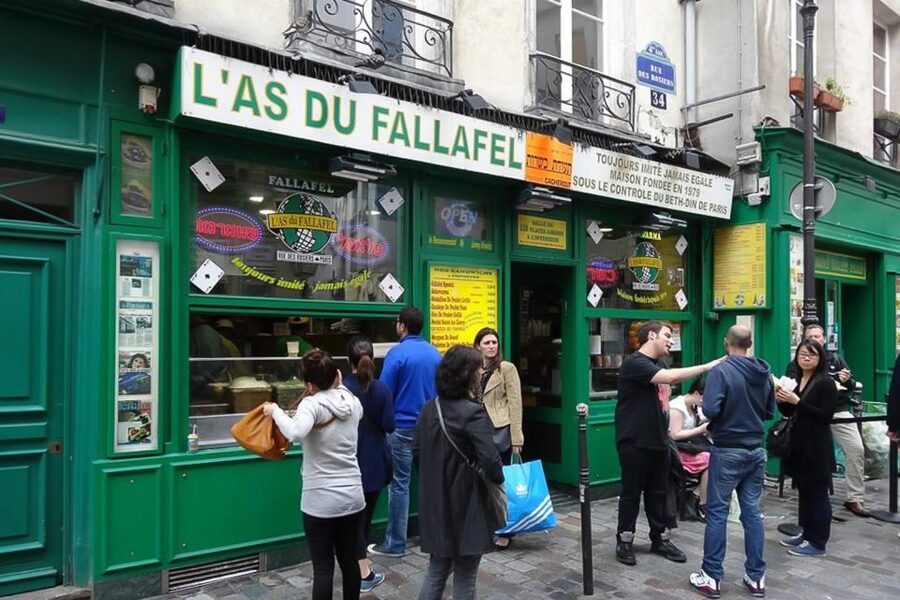
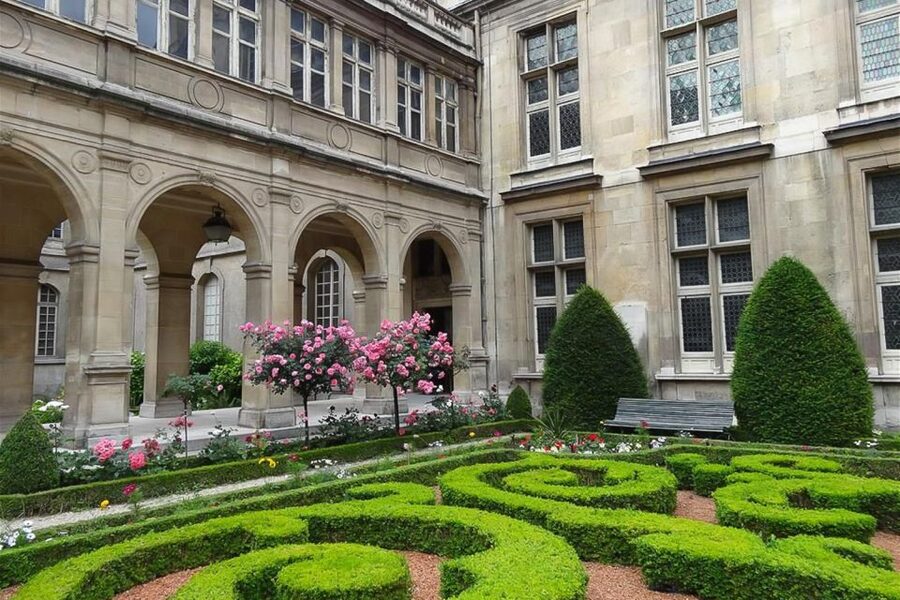
The walk includes Musée Carnavalet as a guided stop. Since entrance tickets are not included, you should treat this as a chance to learn the area’s story and decide later if you want to go inside on your own. Even without entry, a good guide can point out the significance of why this neighborhood’s identity got preserved.
Marais is famous for its preserved palaces, and the tour explains why. You will hear about how this quarter developed after earlier conditions, including the fact that the area was once closer to swampland on the outskirts. That kind of backstory changes how you see the district. Instead of thinking of Marais as simply old, you start thinking of it as transformed, stabilized, and selectively kept.
This is the part of the tour that rewards attention. You may be moving past buildings you have seen online, but with the “why” added, they become more than a sight list.
Rue des Rosiers: Jewish life you can sense, not just read about
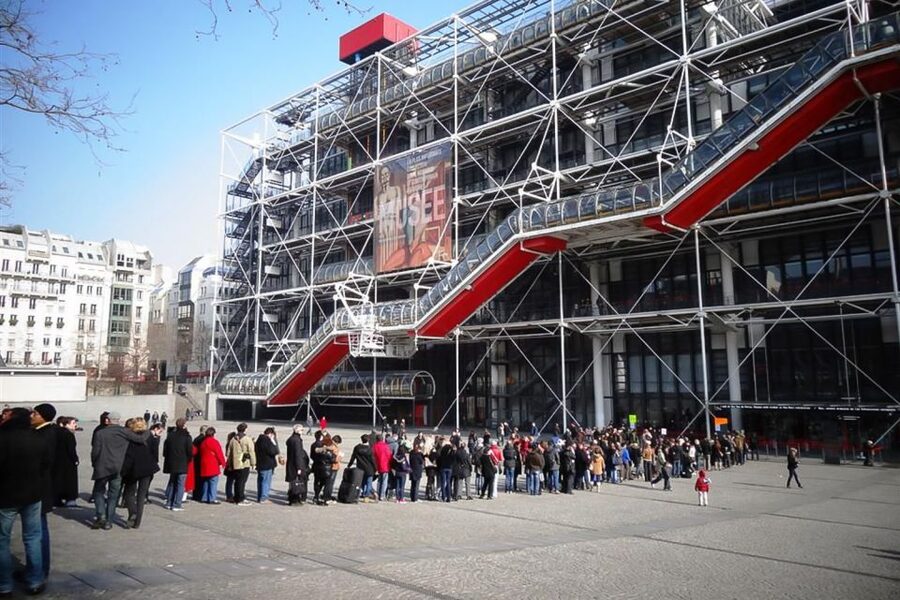
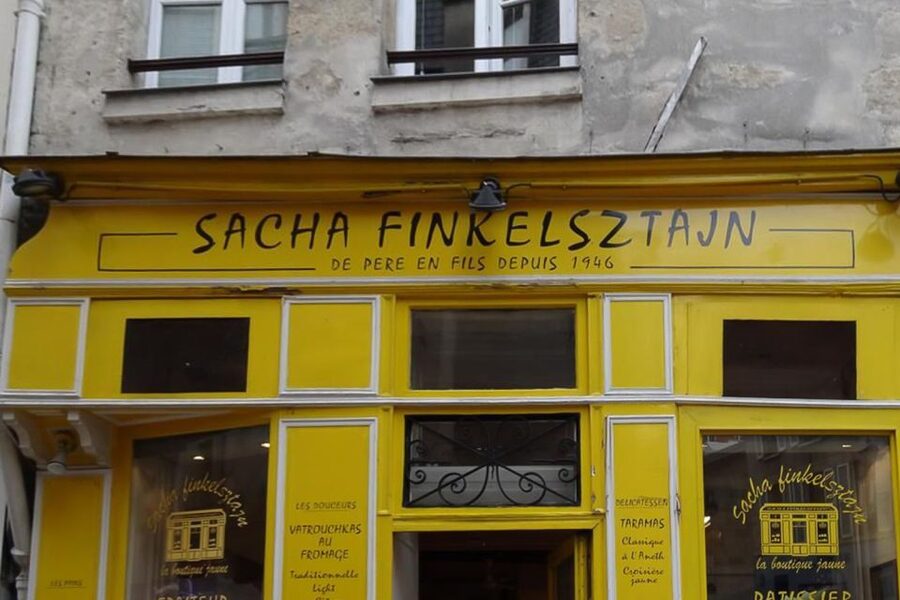
Then you hit the heart of the experience for many people: Rue des Rosiers. This is one of the most famous Jewish streets in Paris, and the guide uses it as a doorway into Jewish life in the Marais. You do not just get facts. You get a sense of how the neighborhood’s character shows up on the street, in the atmosphere, and in what has endured.
What makes this stop work well is the blend of history and present-day feeling. The guide ties earlier developments to what you can still observe now, so it does not become a history-only detour. You will also hear how the Jewish Quarter fits into the larger Marais story, rather than being treated like a separate exhibit.
If you are hungry for cultural context, this is where the tour earns its price. Two hours can feel short, but Rue des Rosiers gives you a dense payoff because it is an active street, not a dead-end landmark.





Last traces of medieval Paris, and the walking version of a timeline
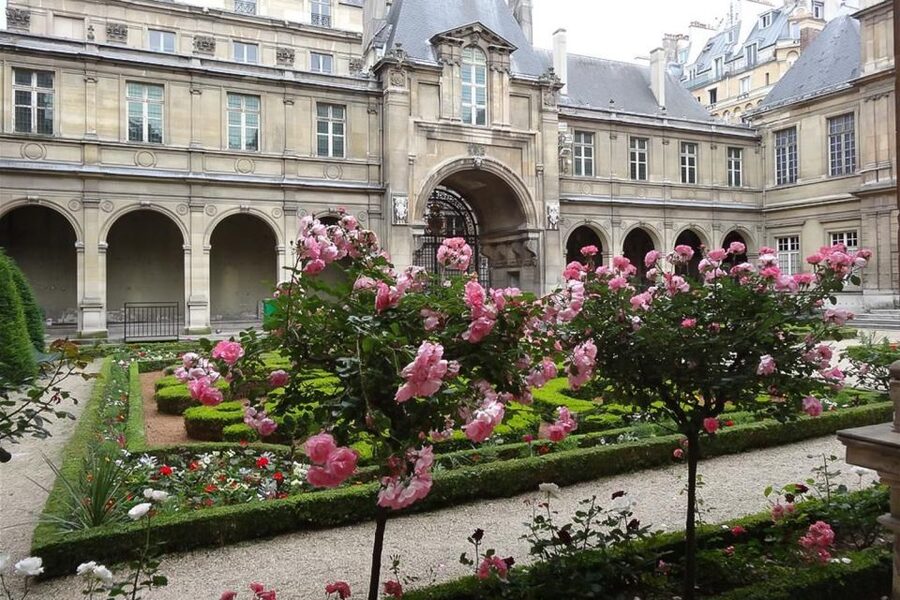
Near the end, the tour focuses on the last traces of medieval Paris. That phrase matters because it signals a shift from the grand, preserved palaces to the older bones of the neighborhood.
I like that the guide does not leave you with only “pretty old” visuals. You get an ending that helps you understand why Marais feels layered. Medieval remnants are not just ruins, they are part of how the area’s shape and street logic carried forward.
It is also a good moment to take a breather and look around. If you have been moving quickly, this last segment helps you slow down mentally. You start seeing street corners, building edges, and pathways as evidence of earlier phases of the city.
Price and value: what $94 per person buys you in 2 hours
The price is $94 per person, and the tour is private for your group. Since it is quoted per person, the value depends on how many people are with you. For a small group, this can be a smart way to get a real guide-led experience without the stress of joining a large crowd.
You also get a very specific benefit: a live guide in German. That is often the deciding factor for people who want to ask questions and understand details. The guides mentioned in the experiences you provided, including Lucy, Katharina, Solène, and Marilena, were praised for engaging well and handling lots of questions. That kind of interactive guiding is hard to replicate with an audio app.
Two practical considerations about value:
- Entrance tickets and food are not included. So if you were hoping for museum entry as part of the price, you will need to budget separately.
- It is only 2 hours, so it is best for people who want the highlights, the story, and a launchpad for deeper exploring later.
If you are a first-timer in Paris who wants Marais context fast, I think this tour is a solid investment. If you already know every corner and want a slow, museum-heavy day, you might feel the time pressure.
Who this Marais tour fits best
This tour is especially suited for:
- German speakers who want to understand what they are seeing without language friction
- People visiting for the first time and needing a story-based introduction to Marais
- Families, since children under 12 can participate for free and guides described patience for kids’ questions
- Small groups that want a private pace instead of being absorbed into a larger pack
One more thing: you will likely appreciate the guide’s habit of adding little breaks as needed. In experiences like this, guides were said to include time for small purchases and for stopping when necessary. That sounds minor, but it makes a two-hour walk feel easier and less rushed.
How to plan your day around this 2-hour route
Because the tour includes major anchors like Hôtel de Ville and Centre Pompidou plus Marais sights like Place des Vosges and Musée Carnavalet, it works well as a half-day starter. Do this earlier in your trip, and you will return to streets with new understanding.
When planning meals, remember that food and drinks are not included. It is a good idea to bring water or plan a cafe stop right after. If you want museum entry at Musée Carnavalet, decide ahead of time whether you will pay separately and, if so, when you will do it.
If you like shopping or wandering, Rue des Rosiers is the kind of street where you might naturally want to linger after the tour. The guide can help you decide what to prioritize, but you still control how long you stay once you are done.
Should you book this German Marais tour?
I would book it if you want a guided introduction to the Marais that connects Jewish life, preserved city palaces, and big landmarks like Hôtel de Ville and Centre Pompidou. The German-language format is a real advantage, especially if you prefer to understand nuances instead of nodding along.
I would skip or adjust expectations if your main goal is museum time or long stops. This is a tight, story-forward walking experience. If you want ticketed interiors included, you will need to add those separately.
Given the short duration, the private group feel, and the repeated praise for guides handling questions and showing “special corners,” this looks like a strong value for the kind of traveler who wants depth without a full day.
FAQ
Is this tour guided in German?
Yes. The tour is led by a live guide in German.
How long is the Marais tour?
The duration is 2 hours.
Where do I meet the guide?
Meet at Hôtel de Ville, in front of the store Basket4Ballers on 31 Rue de Rivoli.
Is this a private tour?
Yes, it is a private group tour for your group only. The price is quoted per person.
What is included in the price?
A private guided tour is included.
Are entrance tickets included?
No. Entrance tickets are not included.
Are food and drinks included?
No. Food and drinks are not included.
Can children join?
Yes. Children under 12 can participate free of charge.
What cancellation flexibility do I have?
You can cancel up to 24 hours in advance for a full refund.
More Guided Tours in Paris



More Tours in Paris




More Tour Reviews in Paris



Not for you? Here's more nearby things to do in Paris we have reviewed












Le Marais Tours, side by side.
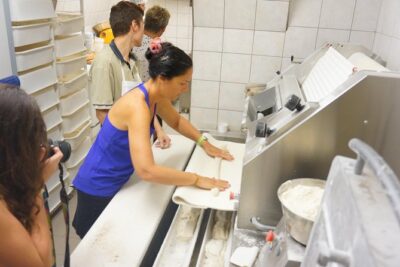 ★ 4.5Award-Winning Paris French Bakery Experience — Le Marais, 4th ArrTickets from $1141,186 guest reviews
 ★ 5.0Paris Le Marais Food Tour With 10+ Tastings, Cheese, Wine & MoreTickets from $102985 guest reviews
 ★ 4.5Paris Le Marais District Original Food and Wine Tasting TourTickets from $157880 guest reviews
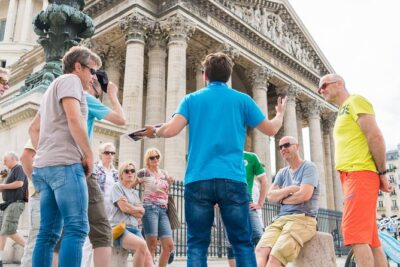 ★ 5.0Paris Bike Tour Hidden Secrets in the Latin Quarter & Le Marais neighborhoodsTickets from $54766 guest reviews
 ★ 4.9Food and Wine Tasting Walking Tour in Le MaraisTickets from $113446 guest reviews
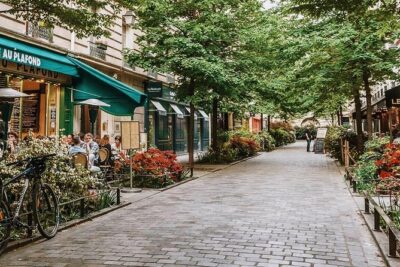 ★ 5.0Le Marais District & Jewish Quarter Guided Walking Tour 12ppl MaxTickets from $59361 guest reviews
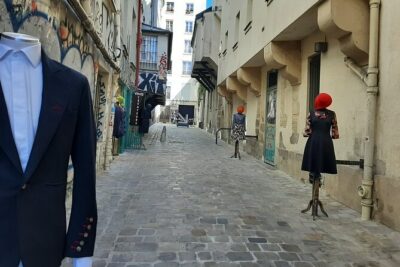 ★ 5.0Le Marais/Paris – The Historic, Trendy, Jewish, LGBT districtTickets from $48341 guest reviews
 ★ 5.0Paris Le Marais Food & Wine Tour with Eating EuropeTickets from $163297 guest reviews
This tour also belongs to