
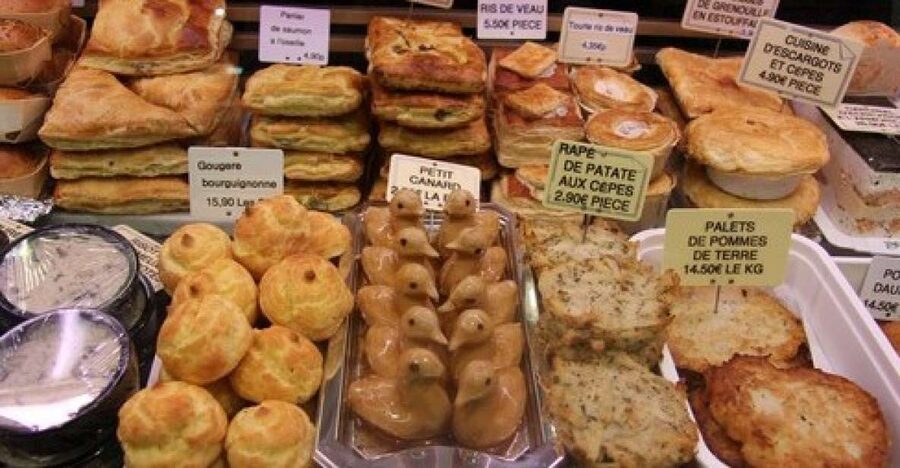
Review · PARIS CITY TOURS
Discover Paris’ Marché d’Aligre: 2-Hour Market Tour
Paris has a market you should know. This 2-hour Marché d’Aligre tour shows you how real neighborhood shopping works, from the covered Marché Couvert Beauvau to the outdoor stalls and their surrounding mix of shops. I love that the guide ties the scene to the idea of les passages couverts, so you’re not just walking past pretty food counters.
I also like the fact that you get food tastings included, plus mint tea in a corner café. One possible drawback: the flea market part is fun if you like wandering for oddities, but if you’re expecting a major vintage highlight, it may not hit the mark for you.
Key highlights
- Les passages couverts context that explains why this market feels special behind the boulevards
- Marché Couvert Beauvau indoor wandering with stalls for tapenades, spices, coffee, and more
- Mint tea stop in a corner café to reset and taste local rhythm
- Tastings of specialty foods that help you understand what to buy and why
- Connected flea market browsing for quirky finds, with quality that can vary by day
Marché d’Aligre: a Paris market that feels local, not themed
Marché d’Aligre is one of those places where Paris stops acting like a postcard and starts acting like a daily habit. You’re in and around food stalls, specialty shops, and shoppers who look like they know what they want. That mix matters, because it changes the whole experience from sightseeing to sampling and decision-making.
Part of the appeal is the market’s setting. The covered Marché Couvert Beauvau is described as one of the last 20 remaining from the original les passages couverts, those older covered passageways tucked behind the city’s big boulevards. You get the story while you’re walking, so the architecture and the food stalls feel connected, not random.
You can also read our reviews of more shopping tours in Paris



How the 2-hour format works in practice
This is a short tour, just 2 hours, and the best part is that it stays focused. The small group limit (maximum 8) keeps the pace human. You’re not herded, and you’re more likely to ask questions without shouting over a crowd.
In a 2-hour window, you won’t “see all of Paris.” But you will get something more useful: a guided walk through two linked market spaces, the covered market and the outdoor street market, followed by time for the flea market. It’s a smart structure if you want a taste of multiple sides of neighborhood life without committing to a half-day.
Finding the meeting point near Ledru-Rollin
The meeting point is 100, rue du Faubourg Saint-Antoine, 75012 Paris. The nearest metro station is Ledru-Rollin (exit 2).
Plan to arrive a few minutes early. Markets move fast, even when you’re standing still, and starting on time helps your guide keep the flow. If you’re already in the area, it’s easy to slot this into a morning or afternoon when you have your legs and appetite ready.
Also note: transportation is not included, so build in your own metro plan.
Inside Marché Couvert Beauvau: what you’ll notice right away
The covered portion is where the atmosphere changes. Indoors, the stalls feel more contained. You can slow down and actually look closely at the products, from jars and tins to stacks and bundles that you might miss in a wide-open street market.
This is also the part where the guide’s explanation pays off. You’ll learn about the market’s background as one of the last remaining les passages couverts. In plain terms, it gives you a way to understand why people built these covered spaces and why they still matter. You’re not just admiring, you’re learning what this structure helps people do: trade, browse, and shop in bad weather or busy seasons.
What you can expect to browse includes items like tapenades, spices, flowers, and coffees. Even if you don’t buy everything, the tour helps you notice how Paris markets organize flavors. You’ll start thinking in ingredients, not just dishes.
The outdoor street market: how locals shop day to day
After the covered stalls, the tour moves into the outdoor street market. This is where the energy shifts. Outdoors, you see different rhythm and different display styles. You may find that some vendors have a more straightforward approach, while others use the street space for variety and quick sampling.
This segment is valuable because it broadens what you mean by market culture. In many tourist areas, you only see the “pretty” part of food shopping. Here, you get the sense of how people refill staples, ask questions, and choose products based on freshness and taste. It’s a helpful mindset if you want to shop better later, on your own.
And because it’s all connected, you won’t feel like you’re bouncing between random stops. It’s one market complex, in pieces.
More Paris tours and experiences for the shortlist



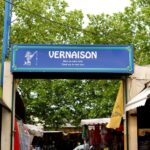


Flea market browsing: fun odds and ends with real personality
Toward the end, you head to the connecting flea market. This is for people who like to look closely, not just people who need to buy a souvenir.
You might find odd items, vintage-like objects, and random treasures that do not fit neatly into categories. It’s the sort of browsing that rewards patience. If you’re the type who loves puzzles, the flea market time is where you might really enjoy yourself.
That said, I’d plan your expectations. One low rating in the mix pointed out that the flea market was not exceptional. So if flea shopping is your main goal, treat this as an add-on. It’s still worth doing for the contrast, but don’t expect it to outshine dedicated vintage markets.
Tastings and mint tea: the included meal without the restaurant bill
This tour includes tastings of specialty foods and mint tea in a corner café. That’s a practical combo. Tastings tell you what to buy later, and mint tea gives you a pause point so you’re not just walking while hungry.
Based on specific experiences shared by guests, the tastings can include items like a warm croissant from a real bakery, coffee, and even a baguette with truffle cheese. Those details matter because they’re not the same as hotel breakfast. A market tasting helps you understand that flavors change with source and timing.
If you’re trying to decide what this tour is good for, the answer is simple: it teaches your palate and your shopping instincts. The guide can help you connect what you’re tasting to what you might buy from the stalls. That is how a market tour becomes more than entertainment.
For best results, come with a light appetite. The tour is only 2 hours, so you want enough space for samples, but not so empty that your body is begging for a full meal.
Food stops, butcher chat, and why the guide name matters
One of the strongest themes from guest feedback is how much the guides shape the experience. In particular, names like Christine and Caroline come up in reviews, and both are described as helpful in making the market feel understandable, not just busy.
You can think of a good market guide as a translator. Not just language, but taste and purpose. In at least one account, Caroline guided the group through real meat and bakery conversation, then helped connect tastings to what makes them fresh and different. That kind of guided talk is what turns a walk into a skill you can reuse.
So if you’re the type who likes to learn something while you’re eating, this tour is built for you.
Price and value: is $129 per person worth it?
At $129 per person for 2 hours, this is not a bargain that you book on a whim. You’re paying for a live guide, a small group setup (max 8), and included tastings plus mint tea.
Here’s how to judge the value for your own trip:
- If you want a guided taste session and shopping guidance, the included food samples make the price feel more reasonable. You’re essentially buying a local introduction plus snacks.
- If you don’t care about tastings and you already know how to shop markets confidently, you might feel the time is short. In that case, you could compare it to the cost of doing it independently.
- If your goal is cultural context, the mention of les passages couverts adds value beyond food. It’s a real story you can carry with you while exploring.
My rule: if you’d normally spend money on a food tour or a guided tasting, this fits that same category. If your travel style is “wander alone and pick up treats,” then you may prefer to skip paid structure and just plan your own market visit.
What to do before and after the tour
Markets are easiest when you’re prepared to walk and decide. I recommend comfy shoes, a small tote or reusable bag (for anything you buy), and a phone ready for quick maps if you wander a bit after.
After the tour, use what you learned. The tastings are there to help you understand how markets work, so you’ll get more out of your next shopping stop. If you picked up an ingredient you liked, look for it again in Paris stores so you can compare quality. If you didn’t know what tapenades or certain coffees were like, now you know the difference between “smells good” and “tastes right.”
Also, because transportation is not included, build time to get back to your neighborhood without stress. This tour is designed to be easy to plug in, not to fix a whole day’s plans.
Who this market tour is best for
This tour makes sense for you if you want:
- A short, guided market experience with included tastings
- A small group feel where you can actually talk with the guide
- A mix of covered market stalls and outdoor street shopping
- A flea market add-on for browsing oddities, not a dedicated vintage quest
It may be less satisfying if you’re the type who only wants the biggest flea finds, or if you already feel comfortable navigating French food markets without guidance.
And one more honest note: there’s a rating as low as 1 out of 5 in the provided feedback, so quality can depend on expectations and on the specific guide and day. I can’t predict your guide, but you can decide whether this kind of market walk matches your taste.
Should you book Marché d’Aligre for $129?
Book it if you want a guided introduction to Marché d’Aligre that includes tastings, mint tea, and a real explanation of why the covered market matters. The small group size and the focus on two market areas plus the flea market make the 2-hour timing feel efficient.
Skip it or reconsider if you care mainly about flea market browsing, not food. Also reconsider if you prefer to do everything independently and you already know how to shop markets confidently. In that case, the covered passage story and tastings might not justify the price.
If your plan is to experience Paris through everyday food shopping rather than only museums, this tour is a strong fit. Get there hungry, ask questions, and treat the flea market time as bonus browsing. That is the sweet spot.
FAQ
How long is the Marché d’Aligre 2-hour market tour?
The tour lasts 2 hours.
What does the tour cost?
The price is $129 per person.
Where is the meeting point, and what metro should I use?
The meeting point is 100, rue du Faubourg Saint-Antoine, 75012 Paris. The nearest metro station is Ledru-Rollin (exit 2).
What is included in the price?
The tour includes tastings of specialty foods and mint tea in a corner café.
What is not included?
Transportation is not included.
What languages are the tours offered in?
The live tour guide offers English and French.
How big is the group?
It is a small group, limited to 8 participants maximum.
Is there free cancellation?
Yes. There is free cancellation up to 24 hours in advance for a full refund.
More Shopping Tours in Paris


More Tours in Paris






More Tour Reviews in Paris






Not for you? Here's more nearby things to do in Paris we have reviewed











Paris City Tours, side by side.
 ★ 4.6Louvre Museum Timed-Entrance TicketTickets from $2671,977 guest reviews
 ★ 4.6Disneyland® Paris 1-Day TicketTickets from $6149,412 guest reviews
 ★ 4.6Versailles Palace and Gardens Full Access TicketTickets from $1741,579 guest reviews
 ★ 4.6Arc de Triomphe Rooftop TicketsTickets from $1834,264 guest reviews
 ★ 4.7Orsay Museum Entry TicketTickets from $1525,647 guest reviews
 ★ 4.4Evening River Cruise with MusicTickets from $2722,721 guest reviews
 ★ 4.4Eiffel Tower Entry Ticket with Optional Summit AccessTickets from $2920,035 guest reviews
 ★ 4.3Eiffel Tower Summit or Second Floor AccessTickets from $5917,248 guest reviews
This tour also belongs to