
Review · PARIS CITY TOURS
Paris Cooking Class and Lunch with Wine plus Market Visit Option
Cook, shop, and sip in one Paris morning. This small-group class at Le Foodist turns you from spectator into cook, with an optional Latin Quarter market stop and wine pairing at lunch. You start near 59 Rue du Cardinal Lemoine, then spend hours planning, chopping, and tasting your way through a proper French meal.
I love the hands-on cooking stations and the way each step feels practical, not showy, even if you are not a confident cook. I also love that you get a real market ingredient story, plus wine pairings, so the lunch tastes like a lesson, not just a meal.
One consideration: if you need a vegan or dairy-free diet, this regular class cannot accommodate it, so double-check dietary needs before you book.
Key highlights to look for
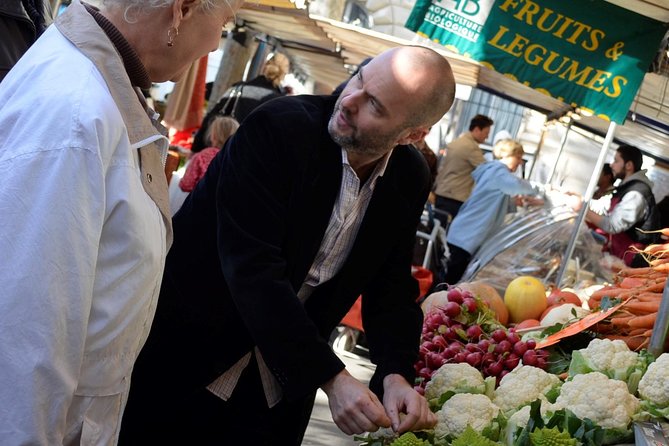
- Latin Quarter market time (when you pick the 6-hour option), including cheese sampling before you cook
- Hands-on French techniques led by instructors like Luke, Luc, Paolo, or Frédéric, with lots of active participation
- A guided 3-course lunch you plan and then make, appetizer to dessert
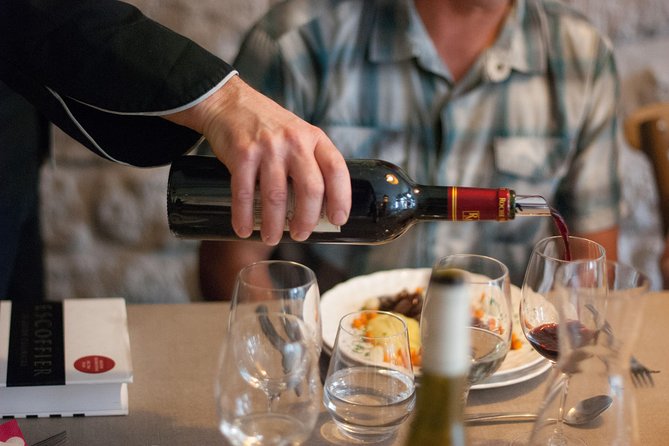
- Wine pairing education with half a bottle of white or red wine per person with lunch
- Electronic recipe copies so you can recreate what you cooked later
- Small group size up to 12, which makes it easier to get personal help at the stations
Inside Le Foodist: what the first moments feel like
Paris cooking classes can either be casual or very structured. This one is structured, but in a friendly way. You meet at 59 Rue du Cardinal Lemoine, 75005 Paris, in central Paris, at the cookery school Le Foodist. The setting matters here, because you are not just watching somebody cook, you are moving through stations, tasting, and asking questions as you go.
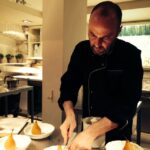
One thing I like about small groups (this caps at 12 travelers) is the pacing. You are not lost in a crowd. You get time to try things, and instructors can spot when a step needs correcting. In the class experience, you also get professional equipment and attire for the kitchen work, which removes a lot of stress. You can show up thinking you will learn, not scramble.
If you choose the 6-hour option, the class starts with a croissant plus coffee or tea before you head out for the market. It is a good setup, because you are not marching into market food choices on an empty stomach. If you choose the 4.5-hour option, you skip the market and start by planning the menu back at the school.
You can also read our reviews of more shopping tours in Paris


The Latin Quarter market stop that actually changes your meal
If you pick the longer 6-hour version, you get an open-air market run near the Latin Quarter. This is not just sightseeing with a shopping list. You are buying ingredients that will end up in your lunch, so the market visit turns into a practical skill: how to pick quality, how to talk about food, and how to translate what you see into what you cook.
You also get small tastes, including cheese samples with your instructor. In French cooking, cheese is not a random garnish. It can drive flavor in subtle ways, and this gives you context fast. Some classes overdo theory. This one keeps it connected to action. You walk, you choose, you taste, then you return to the kitchen and start cooking while those flavors are still fresh in your head.
This is also where the social part kicks in. Market shopping naturally leads to questions about ingredients and substitutions, and the class structure lets those questions happen. If you are traveling solo, this is an easy place to meet people without forcing conversation. If you are traveling as a couple or friends, it is a fun shared mission.
Cooking a 3-course French lunch, with real planning time
Whether you choose 4.5 or 6 hours, the core experience is a guided creation of a 3-course lunch: appetizer, main, and dessert. What changes is when you do the market ingredient buying and when you start cooking. In the shorter option, you plan the menu after your instructor returns from the market. In the longer option, you shop first, then cook with those ingredients in mind.
The planning moment is more useful than it sounds. You are thinking about how an appetizer sets up the main, and how dessert needs a different flavor profile and texture. That is how French meals are built, and you learn the logic behind it rather than memorizing recipes.
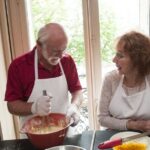
Then you get to the kitchen. The class is hands-on, with work broken into stations and steps explained before you start cooking. Based on what people consistently praise, you are not stuck waiting your turn. Instructors keep everyone involved, and you learn techniques you can repeat later. Expect things like ingredient handling, sauce basics, and the way timing matters in a 3-course flow.
If you want a confidence boost, this is one. Even picky cooks seem to walk away feeling they can reproduce what they made, because you get the technique, not just the final plate.
Your lunch menu: examples and what they teach
The menu can vary, but the class you are signing up for is designed around classic French flavor combinations and teachable techniques. One sample menu includes:
- Starter: Salmon tartare with yuzu, served on soy-poached turnip
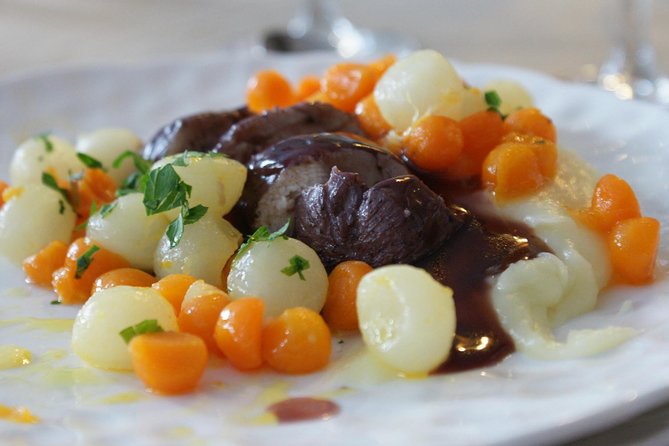
- Main: Parisian-style coq au vin
- Dessert: Poached peach, raspberry coulis, and homemade vanilla ice cream
That starter choice is a great example of how the class mixes tradition with modern flavor thinking. Yuzu adds bright acidity, which helps delicate fish tasting clean and not heavy. Poaching turnip in soy gives you a surprising texture lesson, plus it shows how you can season vegetables without drowning them in butter.
The main course, coq au vin, teaches the payoff technique: building flavor in a braise and respecting time. You are learning why sauces taste deeper after they reduce and how meat benefits from slow cooking. People also tend to leave proud of the main, because braising feels intimidating until someone shows you the rhythm.
Dessert is where the class locks in your learning. Poached fruit plus coulis teaches controlled sweetness and balance. Homemade vanilla ice cream adds a different skill set entirely, so you finish the day with a strong sense of what French cooking can cover beyond savory dishes.
You are eating what you cooked, and you get wine with it, which helps the flavors make sense as a complete meal.
Wine pairing with lunch: how it is served and taught
Wine is part of the experience, but it is not just free-flowing. You get pairing guidance, and you taste alongside your food so you can understand how pairing changes what you notice. This is one of the reasons the class tends to be recommended so often: it turns wine from something you drink into something you can reason about.
With lunch, you enjoy half a bottle of white or red wine per person. Since the class is geared toward adults (minimum 18 for drinking), instructors keep the pacing clear and the experience comfortable.
An added practical touch is the complimentary Drop-Stop included with the tour. It is a small tool, but it reflects the class mindset: make things easy to do at home. No drama, just better pours. If you like hosting dinners, it is the kind of extra that quietly upgrades your future bottle-opening routine.
If you do not drink, you should still expect a wine-focused segment, but you can ask about what is possible for your group. The tour info does clearly set the minimum drinking age, so plan around that.
More Paris tours and experiences for the shortlist


Timing and pacing: 4.5 vs 6 hours
You basically choose how much you want the market to shape your meal.
For the 6-hour class, you start with croissant and coffee or tea, then head to the market near the Latin Quarter to buy ingredients and taste cheese samples. After cooking for about two hours, you sit down for your meal and wine and learn pairing, then leave with electronic copies of the recipes.
For the 4.5-hour class, the market part happens before you start cooking. You come to Le Foodist and begin by planning your 3-course lunch, then cook. It is still hands-on and still ends with the meal experience and pairing guidance.
Either option ends back at the meeting point. So you are not getting stranded across town with a full stomach. That matters in Paris, where evenings can fill up fast and you might want a clear plan for the rest of your day.
One useful tip: you will eat a lot. Many people suggest not scheduling a fancy dinner later that same night. You will likely feel done after your lunch and wine.
What you get at the end: recipes you can actually use
A cooking class is only worth it if you can recreate the results. Here you receive electronic copies of the recipes before you leave. That is especially valuable when you cooked techniques you may have never done before, like braising sauces or building a dessert with multiple components.
Also, you get your time in the kitchen with guidance and the equipment and attire needed. That combination matters because it reduces the gap between what you did in Paris and what you can do at home later. You are not taking home only flavors. You are taking home a process.
If you are the kind of person who wants to show friends you can cook, this is a good purchase. People often mention that the dishes are not impossible to reproduce, because the class teaches the technique behind them.
Practical tips so your day runs smoothly
Paris cooking classes are fun, but they have rhythms. Here are a few practical points to help you enjoy it from the first minute to the last bite.
Wear something comfortable. People have joked about needing stretchy pants, because you will do a fair amount of prep and you will eat. Even if you do not eat as much as I might, you still want clothing that moves.
Plan your day with the class meal in mind. With the 3-course lunch and wine included, you can treat this as your big sit-down meal.
Ask about dietary needs early. You can advise specific dietary requirements at booking, and the team does handle concerns. But the tour info is clear: vegan or dairy-free diets are not accommodated in the regular classes. If that is you, you will need a different plan.
Bring a curious mindset. The class is designed for beginners and intermediate cooks, but it does require participation. You will be chopping, cooking, and tasting. If you like questions, this is a great place to use them.
Finally, if you care about language, this experience is offered in English, which helps you follow each step. There may be moments where your instructor speaks quickly, depending on their natural style, so tell yourself to relax and ask for clarification when you need it.
Who this Paris cooking class is best for
This experience fits a few clear traveler types.
Foodies who want more than a restaurant meal will like it. You get a full 3-course lunch, plus wine pairing guidance, plus the market ingredient selection. That combination gives you both taste and context.
Solo travelers can enjoy it too. Small groups and station-based cooking makes it easier to connect without standing around waiting. One of the most common reasons people recommend this type of class is the friendly group dynamic.
Couples and friends will likely love the shared “we cooked this” feeling. You make the meal together, you sit down together, and you leave with recipes you can use at home. It is also a nice break from museum-heavy days.
If you are on a tight schedule, choose between 4.5 hours or 6 hours based on how important the market shopping is to you. The market option is the one that adds the most cultural texture.
If you want only a quick cooking demo with minimal food commitment, this might feel like a full day. But if you want a meaningful meal experience, it is a strong fit.
Should you book this Paris cooking class?
If your goal is a hands-on French lunch that includes the thinking behind the flavors, I would book it. The value comes from the package: ingredient shopping when you choose the 6-hour option, professional instruction, a full 3-course lunch you made yourself, wine pairing education, and electronic recipe copies afterward. For the money, you are paying for time in the kitchen and the whole meal experience, not just a ticket to watch cooking.
Skip it only if your dietary needs fall into the vegan or dairy-free limitation for the regular class. Also, treat this as your main meal of the day, not something to tack onto a packed evening plan.
If you are flexible and curious, this is the kind of Paris activity that turns into a story you can recreate at home.
FAQ
What are the class length options?
There is a 6-hour option and a 4.5-hour option.
Do I get the market visit?
You only get the market visit if you choose the 6-hour option. The market visit includes cheese samples.
What do you cook and eat?
You plan and cook a 3-course lunch: an appetizer, a main, and a dessert. Lunch includes white and red wine.
Is wine included and is there an age requirement?
Yes, wine is included with lunch, with half a bottle per person. The minimum drinking age is 18.
Can the class accommodate vegan or dairy-free diets?
No. The tour info states the regular classes unfortunately cannot accommodate vegan or dairy-free diets. You can advise dietary requirements at booking.
How many people are in the group?
The class has a maximum of 12 travelers.
What do I receive at the end?
You receive electronic copies of the recipes.
Can I cancel for a refund?
You can cancel up to 6 days in advance for a full refund. If you cancel 2 to 6 full days before, you receive a 50% refund. Less than 2 days before is not refunded.
More Markets in Paris
More Shopping Tours in Paris

More Tour Reviews in Paris





Not for you? Here's more nearby things to do in Paris we have reviewed










Paris City Tours, side by side.
 ★ 4.6Louvre Museum Timed-Entrance TicketTickets from $2671,977 guest reviews
 ★ 4.6Disneyland® Paris 1-Day TicketTickets from $6149,412 guest reviews
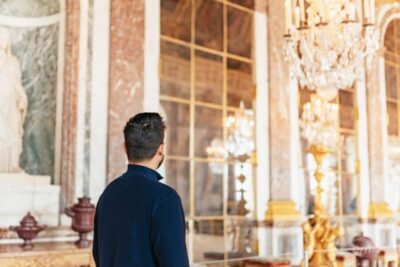 ★ 4.6Versailles Palace and Gardens Full Access TicketTickets from $1741,579 guest reviews
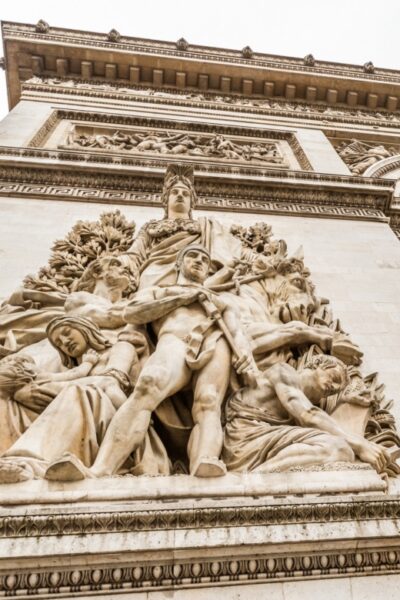 ★ 4.6Arc de Triomphe Rooftop TicketsTickets from $1834,264 guest reviews
 ★ 4.7Orsay Museum Entry TicketTickets from $1525,647 guest reviews
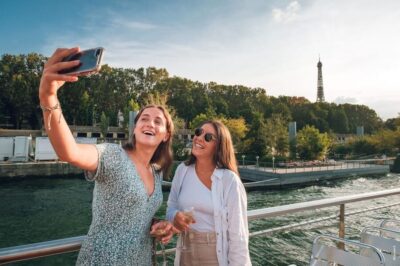 ★ 4.4Evening River Cruise with MusicTickets from $2722,721 guest reviews
 ★ 4.4Eiffel Tower Entry Ticket with Optional Summit AccessTickets from $2920,035 guest reviews
 ★ 4.3Eiffel Tower Summit or Second Floor AccessTickets from $5917,248 guest reviews
This tour also belongs to