
Review · MONTMARTRE TOURS
Montmartre Walking Tour: A Journey Through Art and History
Montmartre gets smarter when you walk with Arthur. I like the small interactive group size because you can actually ask questions and keep up with the pace, and I like that the tour is taught in perfect English with stories backed by solid research and supported by pictures on a tablet. It feels built for people who want more than postcard facts.
One thing to weigh: this is real walking on a hill, and the tour is not set up for kids under 10 or people over 80. If you hate steep stairs or get cold easily, plan your gear and take it slow.
Key points before you go
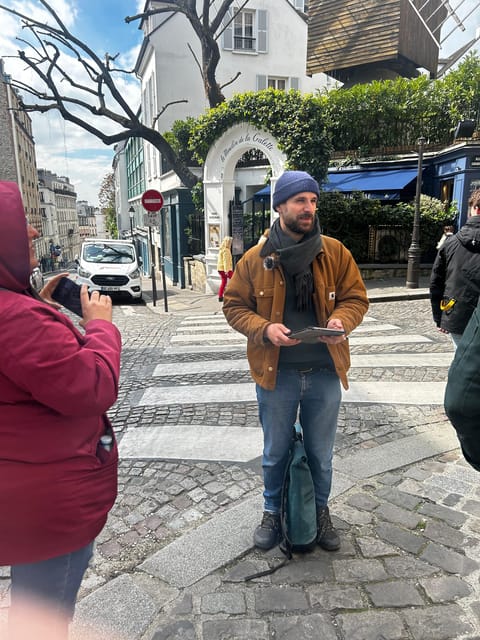
- Tablet visuals at every stop so art and history make sense fast
- Limited to 10 people for a guide who can actually engage you
- Artists in context with references to Picasso and Van Gogh who lived nearby
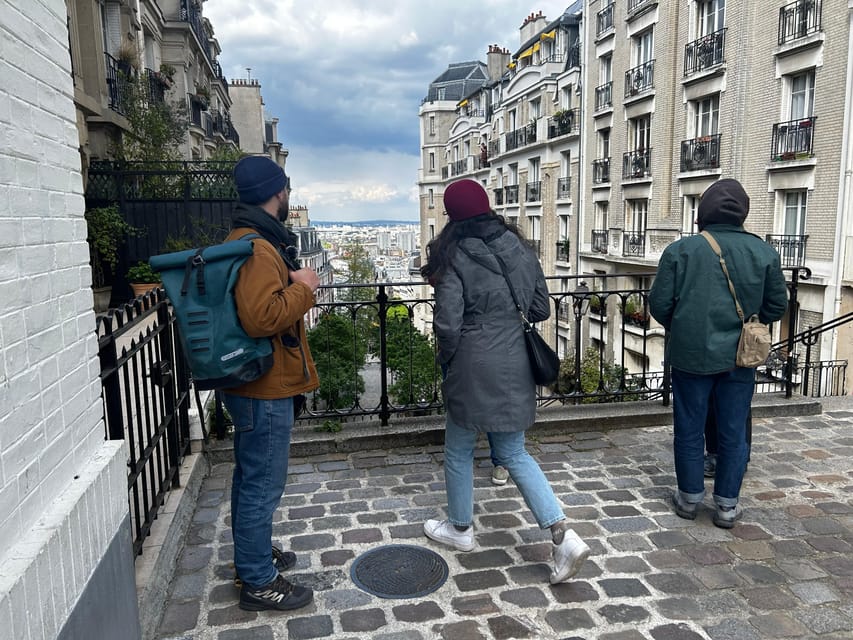
- Photo stops built into the route at viewpoints, Moulin Rouge, and Sacre-Coeur
- Not a sales tour: you will not be pushed to buy anything at the places you visit
- Arthur’s style includes a feminist lens, calling out women artists who were overlooked
Meeting point at Place Blanche, and how to start without stress
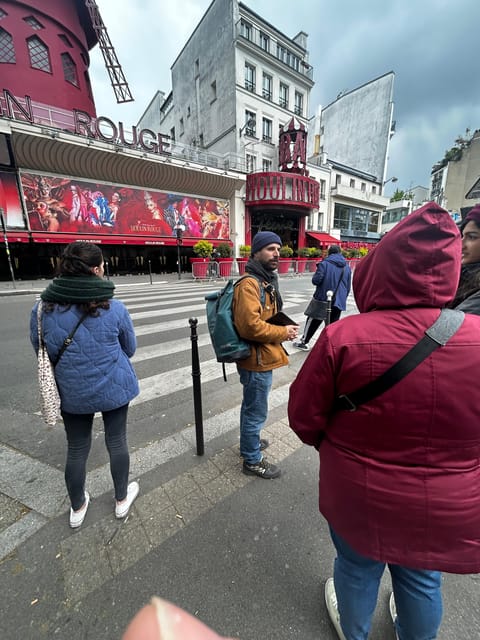
You’ll meet at 3 Place Blanche, just outside the Five Guys. That’s an easy landmark to find, and it matters because Montmartre can feel like a maze once you’re already walking uphill. Aim to arrive a bit early so you can settle in, meet your guide, and get your bearings before the first stop.
The whole tour is built around short sections of walking plus pauses for guided storytelling and photos. That rhythm is a big part of why it works. You’re not trying to cram all of Montmartre into one long, silent march. You get time to look up, turn a corner, and have the guide connect what you’re seeing to why it matters.
You can also read our reviews of more walking tours in Paris



Why the small group size really improves Montmartre
Montmartre is crowded at the big sights, and it’s easy to feel like you’re just moving with the foot traffic. Here, the group is limited to 10 people, and that changes the experience.
With a small group, Arthur can adapt. If you’re curious about art, you get the connections you want. If you’re more into history or the politics around the hill, the stories can shift. You also have a better chance to hear every detail without competing with chatter from other tour groups.
It also helps that the tour uses pictures on a tablet to illustrate the content. When you’re standing on a real street with a real view, but you’re also learning about artists, styles, or moments from decades ago, visuals cut through the confusion quickly. Instead of trying to imagine everything, you’re shown it.
The tour flow, stop by stop, and what each place is really for
1) Moulin Rouge area, plus the first story hook
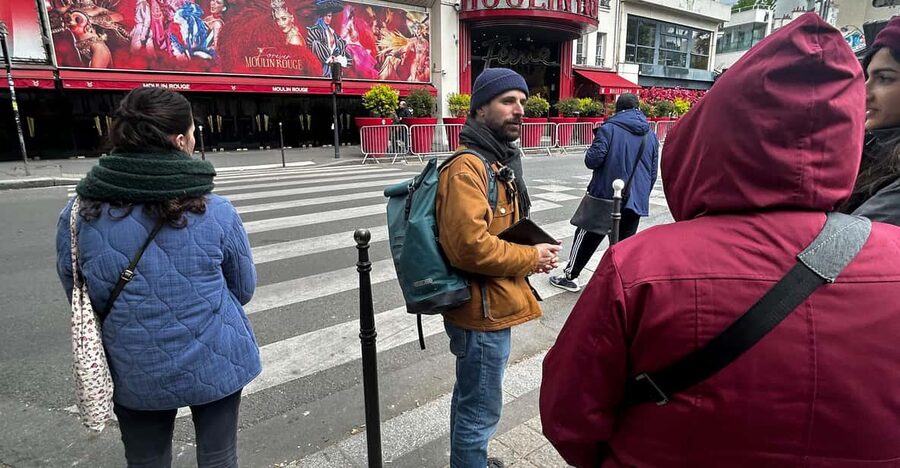
The tour starts with a stop at Moulin Rouge. You get a photo stop and guided tour time of about 20 minutes. This is a smart first pick because it’s instantly recognizable, and it gives you a starting point for talking about how Montmartre became linked with performance, nightlife, and artistic life.
Even if you already know Moulin Rouge from movies or photos, the value here is the explanation of how the neighborhood’s creative energy shaped what people made and why the area drew artists and audiences.
2) A secret stop, where the tour slows down on purpose
Next is a secret stop with about 20 minutes of guided time. The key word here is “secret,” meaning it’s not meant to be another obvious checkpoint. This kind of stop is where you often learn the neighborhood’s logic, like which streets feel connected for a reason, and what corners hold the most story.
Drawback to consider: since it’s not presented like a famous landmark, you have to be ready to trust the guide’s storytelling and look closely. If you prefer only big-name sights, this portion might feel more like a thoughtful walk than a spectacle.
You can also read our reviews of more historical tours in Paris






3) Viewpoints, quick photos, bigger payoff
You’ll hit a viewpoint with about 5 minutes for sightseeing and a photo stop. Then you’ll do another viewpoint later with a similar 5 minutes slot. These short breaks are not filler. In Montmartre, views help you understand the geometry of the hill, how the city opens out below, and why people historically cared about this elevated neighborhood.
If you’re someone who loves taking pictures, these timed photo pauses are helpful because you don’t lose the guide. If you hate stopping and starting, keep in mind the tour is designed to move in small bursts.
4) Le Bateau-Lavoir, art life tied to place
A highlight for many art-minded visitors is Le Bateau-Lavoir, with about 20 minutes of guided tour plus sightseeing. This is the kind of stop where the neighborhood stops feeling like scenery and starts feeling like a working environment that shaped careers.
The way the tour explains artist life matters here. Arthur doesn’t just point at buildings. He connects the area to how artists lived and worked around the turn of the 20th century, including references to Picasso and Van Gogh and the broader artist community the hill supported.
5) Windmills, fast views and a quick reality check
Then you get to the windmills area, with a short 5 minutes combination of photo stop, guided tour, and sightseeing. These stops often work like a reset button. You get a sense of Montmartre’s older identity, and you can visually compare what you picture about the hill with what you see now.
Because the time is short, you’ll want to multitask: take your photo, look around, and listen. This is not the moment for lingering.
6) La Maison Rose, a color-first pause that still means something
You’ll spend about 5 minutes at La Maison Rose, again with a photo stop plus guided tour. This is one of those famous-looking corners where it’s tempting to just snap a picture and move on.
Here, the point is to connect the look of the place to the artistic world that made Montmartre recognizable in the first place. It’s quick, but it’s meant to give you a grounded sense of what the neighborhood looked like to people at the time.
7) Vineyard time, because Montmartre does not do things halfway
You’ll pass by a vineyard with about 5 minutes of guided tour and sightseeing. A vineyard in the middle of a major city sounds odd until you understand Montmartre’s character. It’s a reminder that the hill has layers, not just one identity.
This is a small stop, but it adds texture. It also helps if you want your tour to feel like more than a checklist of famous facades.
8) Musée de Montmartre, where the walking stories get thicker
Next up is Musée de Montmartre, with about 15 minutes of guided tour. This is the portion where you usually feel the pace change. Museums can easily become a lecture, but in a walking-tour format, the museum time works best if it’s treated as context.
If you’re an art-history person, you’ll probably enjoy how the guide uses the museum moment to tie together the earlier street stories with a clearer narrative. If you’re not, it’s still helpful because it gives you anchors, like timelines and themes, so the neighborhood stops feeling like random charm.
9) Another viewpoint, your last big look before Sacre-Cœur
You’ll have another viewpoint photo stop and sightseeing for about 5 minutes. This is your last chance to absorb the hill from above, and it’s perfect right before you reach the big final landmark.
Use this moment to slow down. The Sacre-Cœur area can feel busy, and having one calmer “look out” stop helps you transition without stress.
10) Sacre-Cœur Basilica, finale with a guided angle
You’ll finish at Sacre-Cœur Basilica with a photo stop and guided time of about 20 minutes. For many people, this is the obvious end point. But the tour’s value is that you’re not just getting a skyline shot.
You’re getting a guided read on what this hill has meant over time, where art, religion, and politics have mixed. The guide’s storytelling makes the basilica feel less like a statue on a postcard and more like part of the neighborhood’s ongoing story.
After that, you’ll wrap at 35 Rue du Chevalier de la Barre, 75018 Paris.
Arthur’s storytelling style, and how it helps you learn without trying
What I liked most about this tour was how Arthur turns the neighborhood into an actual lesson. The stories are not tacked on. They connect to what you’re physically standing next to.
A standout detail from the experience is the way women artists get included. Arthur doesn’t treat history as a straight line of men with famous names. He points out the narrative gaps and highlights women artists who were not given the spotlight they deserved. That shift changes how the whole walk lands. You stop seeing Montmartre as just an aesthetic, and you start seeing it as a human story with missing chapters.
Also, the guide’s English is excellent. That matters more than people think. If the language is fuzzy, a walking tour becomes exhausting. With clear pacing and good explanation, you can follow along and keep your own momentum too.
The $34 price, and what you actually get for it
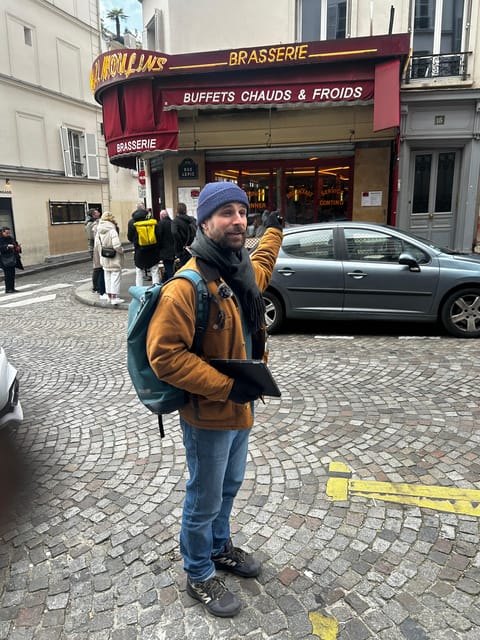
At $34 per person for 160 minutes, this tour is priced like a serious guided experience rather than a casual stroll. You’re paying for several things that add real value:
- A guide who has lived in Montmartre and studied history and history of art
- A small group limited to 10 people
- Tablet visuals that support the art and historical storytelling
- Multiple named stops plus viewpoints, not just one crowded landmark
- A tour format with no selling, meaning you get uninterrupted time for the content
If you’ve ever done a half-day tour where you spend most of the time waiting, this one feels more efficient. The time is structured, the storytelling has a purpose, and the photo stops are included instead of tacked on at random.
Could it be overpriced if you only want selfies at famous points? Maybe. But if you want the why behind what you see, the price starts to feel fair fast.
Practical tips: what to bring, what not to do, and how to avoid a miserable hill day
You’ll want comfortable shoes. Seriously. Montmartre’s biggest hill is part of the point, but it’s still a hill.
Also plan for the weather. The tour specifically warns that Montmartre can be colder than the rest of Paris, so bring warm layers if it’s chilly. If it’s raining, bring an umbrella or rain coat. And if it’s hot, bring water, though there is a supermarket right by the meeting point.
One more rule to know: no video recording and no audio recording. So if you like filming everything, you’ll need to switch to photos and your own notes instead.
Who this Montmartre tour fits best
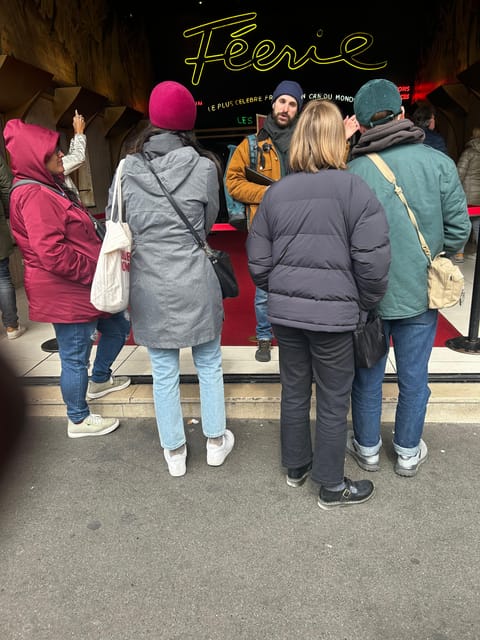
This is a strong match if you want to connect art and real street corners, not just see famous sites. It also suits different travel styles because the group is small and the guide is interactive, so solo travelers can feel included.
It’s ideal for families in the sense that kids 10 and up can likely keep pace with the route and storytelling focus. But it is not suitable for children under 10. And it is not designed for people over 80, so think carefully if mobility is a concern.
If you already know a lot about art history, you’ll still likely enjoy how the guide weaves the neighborhood into the artists’ lives. And if you do not know much, the tablet visuals and story structure help you catch up without feeling lost.
Should you book this Montmartre walking tour?
I’d book it if your goal is to leave Montmartre with understanding, not just photos. The combo that sells this experience is simple: small group size, excellent English, and storytelling that uses tablet visuals to tie artists like Picasso and Van Gogh to the neighborhood you’re walking through.
Skip it or look for another option if you only want famous landmarks with minimal explanation, or if you need a tour with limited walking for mobility reasons. Otherwise, this is a smart way to see Montmartre with fresh eyes and get a clearer sense of how art, religion, and politics shaped the hill.
More Walking Tours in Paris



More Tours in Paris






More Tour Reviews in Paris






Not for you? Here's more nearby things to do in Paris we have reviewed












Montmartre Tours, side by side.
 ★ 5.0Montmartre Hidden Gems and Scenic Highlights Walking TourTickets from $382,684 guest reviews
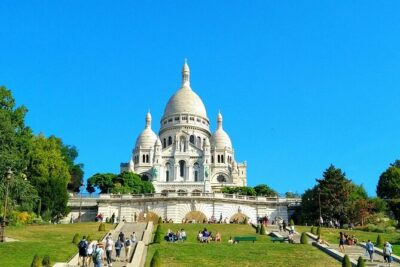 ★ 5.0Montmartre Hill French Gourmet Food and Wine Tasting Walking TourTickets from $1452,588 guest reviews
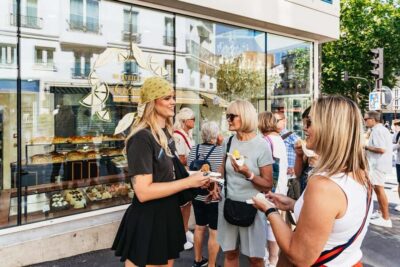 ★ 4.8Montmartre Cheese, Wine & Pastry Guided Walking TourTickets from $1272,255 guest reviews
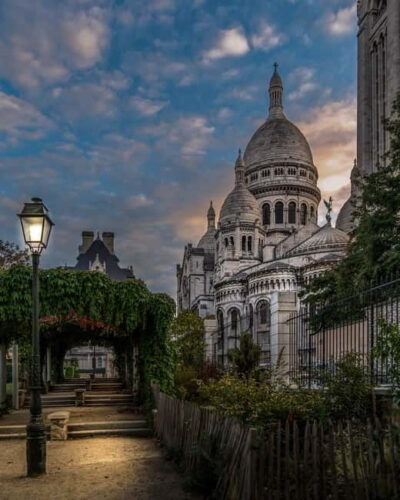 ★ 4.9Montmartre Highlights Walking Tour with a Local GuideTickets from $341,668 guest reviews
 ★ 5.0Private Montmartre Food Tour with Wine, Cheese & PastriesTickets from $3021,027 guest reviews
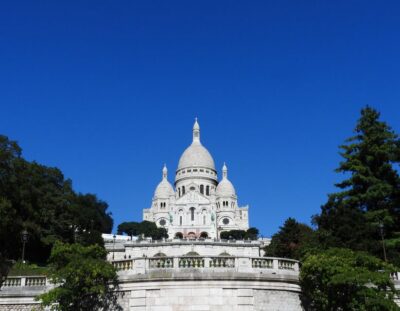 ★ 4.1Sacré-Coeur and Montmartre Tour with Expert GuideTickets from $281,027 guest reviews
 ★ 5.0Paris Montmartre Food Tour – A Full French Meal by Do Eat BetterTickets from $95877 guest reviews
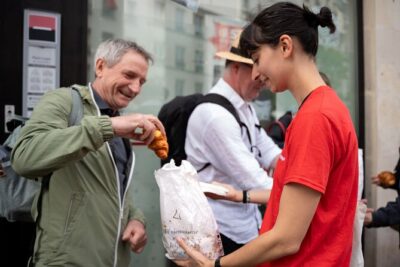 ★ 5.0Hidden Montmartre: Paris’ Secret Streets Walking TourTickets from $44809 guest reviews
This tour also belongs to