
Review · LE MARAIS TOURS
Le Marais District & Jewish Quarter – Exclusive Guided Walking Tour
Marais streets tell stories fast. This small group, or private upgrade, gives you an easy way to connect Place des Vosges and the Jewish Quarter with the people and power that shaped them over centuries. I especially like the stop based mix of standout architecture and clear explanations, and I like that the route includes the Rue des Rosiers area where Jewish life left a visible mark. A key consideration: you will not enter synagogues since access is restricted for security.
The tour also has a practical edge. I like that it runs rain or shine and stays manageable at about 2.5 hours, so you can fit it on a first or second day in Paris. The main drawback is that some major sights on the route, like the Musée Carnavalet and the Centre Pompidou, are not included inside visits, so you may choose to pay extra if you want more time inside.
Key things I’d plan around
- Small group feel, with a private option if you want more flexibility and quieter questions
- Jesuit and Renaissance architecture highlights like Saint Paul Saint Louis and the Hotel de Sully courtyard
- Jewish Quarter focus on Pletzl era stories, with time near Rue des Rosiers
- A meaningful World War II memorial stop at Jardin des Rosiers, named for Joseph Migneret
- Museum extras are optional, since Musée Carnavalet and Centre Pompidou entry is not included
- No synagogue entry, because security rules limit access
Le Marais and the Jewish Quarter in one 2.5 hour loop
If you want Paris to make sense fast, start here. Le Marais is one of the city’s most layered neighborhoods, and this walking tour links medieval streets to Renaissance squares, then follows the thread into the Jewish Quarter with real names and real events in the story.
You get an organized route that does not feel like a museum line. You move through squares, courtyards, and street scenes, with guide talk that turns landmarks into timeline clues. The route is built for short stops, so even with frequent photo moments, you still cover a lot.
The guide experience matters, and the strongest pattern from past groups is how the guides explain clearly and manage the walk. Names like Eden, Hugo, Francois, and Alasdair come up again and again, often praised for being easy to follow and good at keeping people engaged. One guide, Hugo, is even mentioned for texting ahead and arriving early, which makes meeting up feel smoother.
You can also read our reviews of more walking tours in Paris



Churches and palaces: Saint Paul Saint Louis and the Hotel de Sully courtyard
You begin in the 4th arrondissement around Saint Paul, then head into the Marais core. A highlight early on is the Church of Saint Paul Saint Louis, a 17th century Jesuit build with a design inspired by Rome’s Gesù. Even if churches are not your main interest, this one is a useful anchor because it helps you see how older Paris shaped later taste and power.
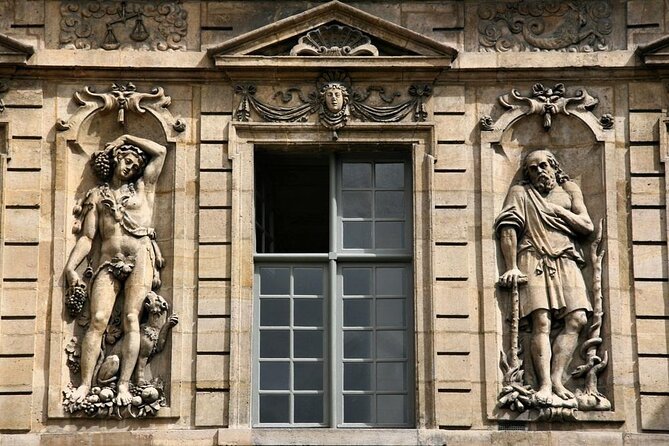
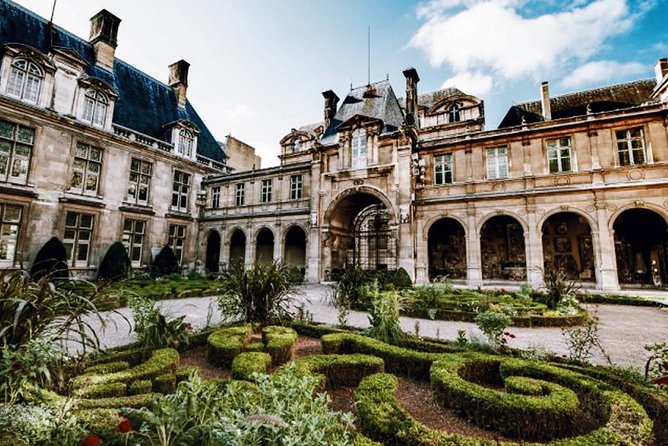
Next comes the Hotel de Sully area, where you get a quick look at the courtyard and garden space linked to a building constructed between 1624 and 1630. The architectural mix here matters. The Hotel de Sully is described as Renaissance in style with Baroque elements, and the point of this stop is not only how it looks, but why this part of Paris turned into a place for monumental building.
What I like about placing these stops early is rhythm. You are not jumping straight into shopping streets. You are learning how the Marais became important, then you start seeing the physical evidence of that shift.
A practical tip for this section: wear shoes that handle uneven sidewalk sections. The tour route involves enough walking to matter, and you want your feet to feel calm before you reach the busiest photo zones.
Place des Vosges and Rue des Francs Bourgeois, the Marais at full beauty
After the architecture stops, the tour steps into the Marais’ signature stage set: Place des Vosges. This is Paris’ oldest planned square, and the guide’s commentary usually ties it to the neighborhood’s royal history. It is also where the Marais goes from informational to cinematic.
From there you walk along Rue des Francs Bourgeois, a long street known for trendy fashion boutiques. This is an easy moment to break up the heavier history. I like it because it shows how the Marais works today, not just what it used to be.
You also get a chance to understand what the neighborhood’s famous mansions and former noble homes mean in real life. Many of these buildings now serve as museums or cultural spaces, which is a nice way to turn a city walk into something you can repeat later at your own pace.
One small caution, based on typical security and access limits: some buildings and attractions may be view only from outside. The tour notes flag that some sites cannot be entered from the inside due to security measures, so expect photos and viewpoints, not guaranteed interior time at every stop.
Jewish Quarter landmarks: Pletzl era context, Rue des Rosiers, and Jardin des Rosiers
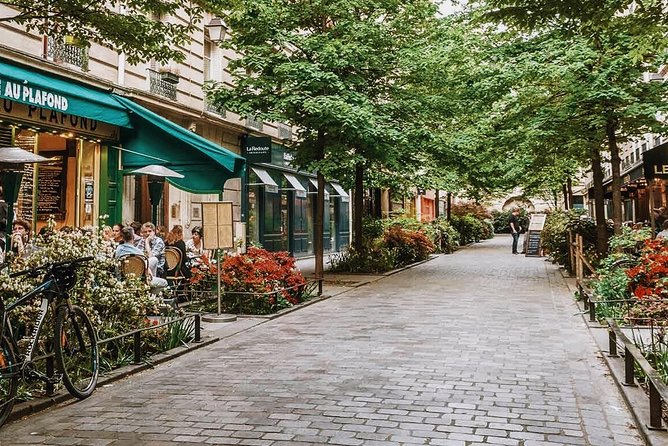
This is where the tour earns its specific focus. You move from the wider Marais story into the Jewish Quarter chapter, connected to how the area developed in the 18th and 19th centuries. The guide points out the streets that became central to daily life, including the Pletzl area, and you get context for why certain blocks are remembered as more than just scenic streets.
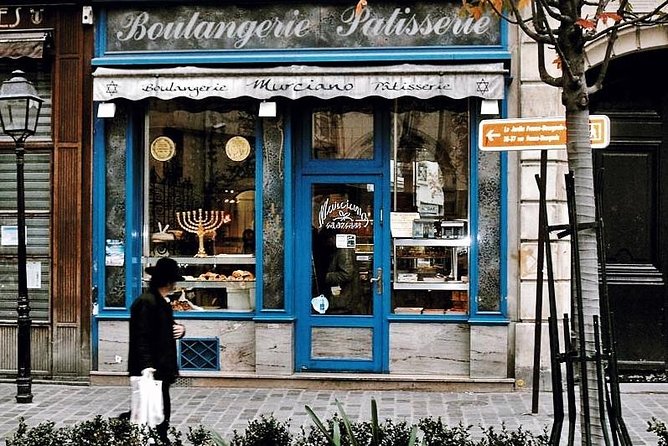
Rue des Rosiers is the key street here. It sits at the center of the Jewish Quarter, and it is the kind of place where the street view already tells part of the story. Depending on the day, you’ll likely notice a mix of old traditions and modern Paris energy, but the tour framing keeps it grounded in history and community.
Then you reach one of the most moving stops on the route: Jardin des Rosiers, named for Joseph Migneret. This small garden sits between buildings and is hidden behind the bustle of shops. The garden is connected to a World War II story, with Joseph Migneret described as a school principal who helped dozens of students by hiding them, then was arrested and killed. It is short, quiet, and emotionally specific, and I think that is exactly what you want on a guided walk that covers both architecture and human survival.
For me, the value here is that the tour does not treat the Jewish Quarter as a single postcard. It links place to people, and it links people to the long timeline of Paris.
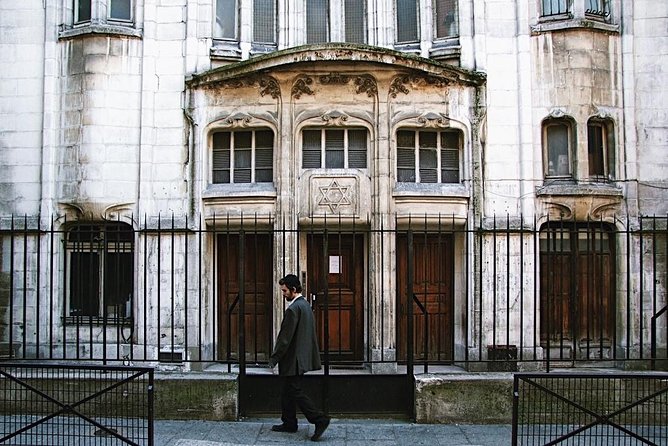
Important note: the tour does not include entry into any synagogues, due to security restrictions. That can shape your expectations, especially if you were hoping for inside views. You will still get strong street level context, but you should plan for outdoor or exterior sight points rather than synagogue interiors.
Museums you can add on: Musée Carnavalet and Centre Pompidou
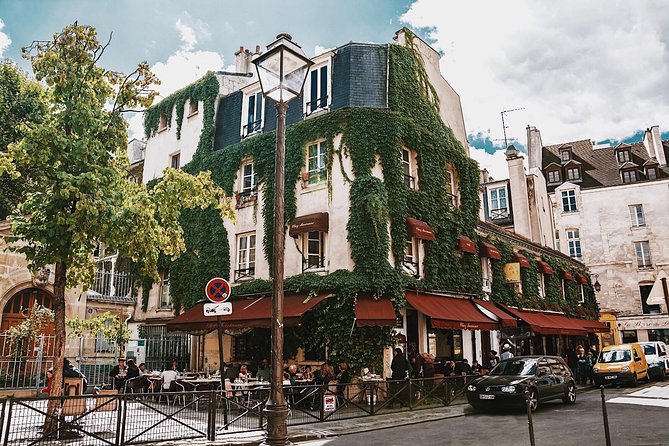
You get museum links at two major Paris addresses, but you should know what is included. The Musée Carnavalet stop is described as a museum experience with entry not included, and the Centre Pompidou stop also lists admission as not included.
Musée Carnavalet, tied to the Hôtel Carnavalet, is worth the mention because it is described as a rare example of Renaissance architecture in Paris, along with a courtyard that’s often compared to a Louvre square courtyard feel. Even if you do not go inside on the tour, the guide’s framing helps you understand why this area matters for the city’s self portrait. If you do decide to add time, the time you have is usually limited during the walking route, so you may want to treat the museum as a separate follow up visit later.
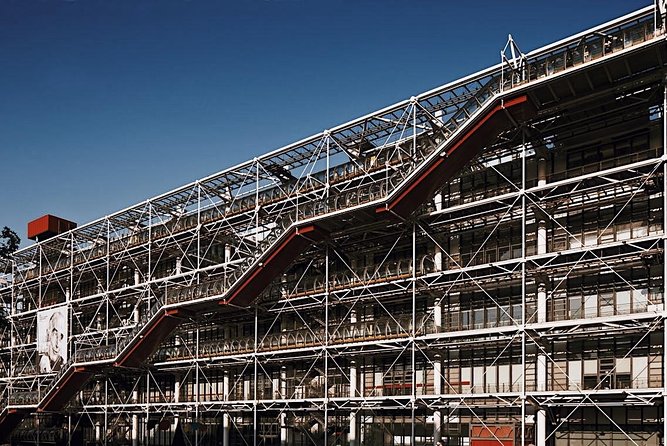
Centre Pompidou comes later in the walk, near the end, and the tour explains why it looks so different from older Paris. The exterior is described as high tech style architecture, and the idea for the complex is presented as a way to bring different forms of art and literature together, tied to the thinking of France’s first Minister of Cultural Affairs. This stop is a strong contrast moment, because you can walk from 17th and 18th century streets into a loud, modern cultural statement without feeling like you switched cities.
If you prefer museums with minimal decision making, this tour still works. If you like to pick and choose, you can use the guide talk to decide whether an entry ticket is worth it for you.
You can also read our reviews of more guided tours in Paris






City power, baroque corners, and where the tour ends
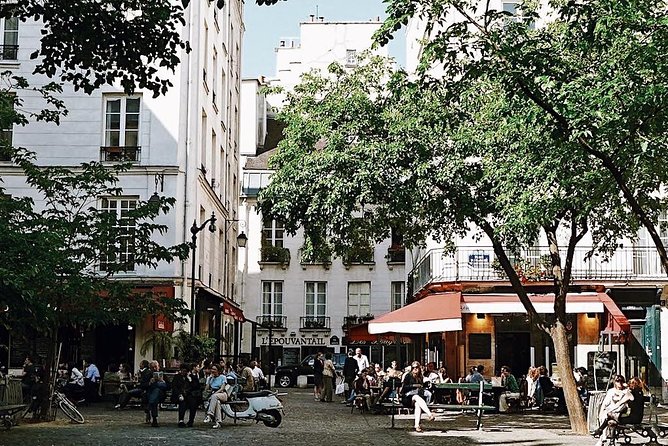
Near the close, you reach Hôtel de Ville, the City Hall building in the center of Paris administration, noted as the municipality headquarters since 1357. This is a good ending point because it helps you summarize the Marais story in a modern civic frame. You can literally look at power after walking through the neighborhood’s former noble world.
Right next to Hôtel de Ville, you get a glimpse of Église Saint Gervais Saint Protais. The tour points out that it is the first example of French Baroque style in Paris, and that it later became the headquarters of the Monastic Fraternities of Jerusalem. Even from outside, the timing and location make the church feel like a bridge between eras, which is what the route has been building toward.
Then the tour finishes in the Marais area, which is convenient because you are already in the best zone for an easy dinner or a second walk. You can also pair this with a self paced stroll to let everything sink in.
Price, logistics, and getting the most value for $59.69
At $59.69 per person for about 2.5 hours, you are paying mainly for a guided route that stitches together architecture, community history, and street level context. That price makes sense if you value having someone direct your attention at the right moments, especially in a neighborhood where it is easy to walk past important details.
A few logistics points help you go in prepared:
- The tour includes a guide for your group, with private tour as the default, unless you choose the semi private option.
- You need a mobile phone number with country code, because you’ll use a mobile ticket.
- There is no hotel pickup or drop off, and a taxi or Uber is recommended.
- No large bags or suitcases are allowed, so travel light.
- The tour runs rain or shine, so bring a real plan for wet weather.
Route changes can happen for national celebrations. The tour notes say you’ll get an alternative route so the highlights still appear, but refunds or discounts are not provided in those cases. That’s worth knowing if your schedule is tight around a specific day.
Also, because some sites cannot be entered, do not plan this as a guaranteed interior tour. Plan it as a smart walk with strong explanation, then consider adding museum or other interior visits on your own afterward.
Should you book this guided walking tour?
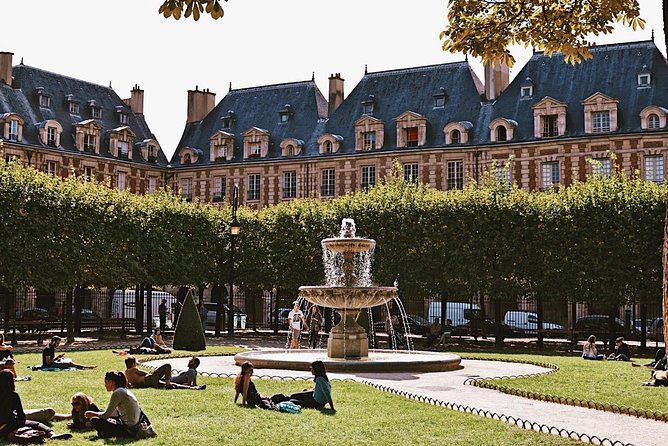
Book it if you want Le Marais to feel understandable, not just pretty. This is a strong choice for first timers who want a guided route that connects Place des Vosges, the Hotel de Sully area, the Jewish Quarter around Rue des Rosiers and the Pletzl, plus a modern contrast at Centre Pompidou.
You should skip or adjust expectations if your top priority is synagogue interiors. The tour does not include entry into synagogues, and some sites may be view only due to security measures. You also may want a separate plan for Musée Carnavalet or Centre Pompidou if you want serious time inside.
If you enjoy guides who keep things clear and organized, this is a safe bet. Eden, Hugo, Francois, and Alasdair are repeatedly named in guide feedback for being engaging and good at explaining what you are seeing, which is exactly what makes a short walk like this feel worth the money.
FAQ
How much does the Le Marais District and Jewish Quarter guided walking tour cost?
The tour costs $59.69 per person.
How long is the walking tour?
It lasts about 2.5 hours.
What language is the tour offered in?
The tour is offered in English.
Where does the tour meet and where does it end?
It starts at Saint Paul, 75004 Paris, France, and ends in Le Marais, Paris.
Is this tour private?
It is private for your group, unless you choose the semi private option.
Are synagogues included in the tour?
No. The tour does not include entry into any synagogues because access is restricted for security reasons.
Are tickets for Musée Carnavalet and Centre Pompidou included?
No. The tour lists admission for Musée Carnavalet and the Centre Pompidou as not included.
Does the tour run in bad weather?
Yes, it runs rain or shine. You should dress appropriately for the conditions.
More Walking Tours in Paris



More Tours in Paris




More Tour Reviews in Paris






Not for you? Here's more nearby things to do in Paris we have reviewed












Le Marais Tours, side by side.
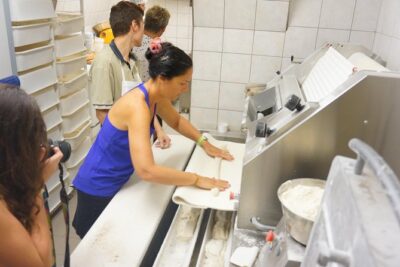 ★ 4.5Award-Winning Paris French Bakery Experience — Le Marais, 4th ArrTickets from $1141,186 guest reviews
 ★ 5.0Paris Le Marais Food Tour With 10+ Tastings, Cheese, Wine & MoreTickets from $102985 guest reviews
 ★ 4.5Paris Le Marais District Original Food and Wine Tasting TourTickets from $157880 guest reviews
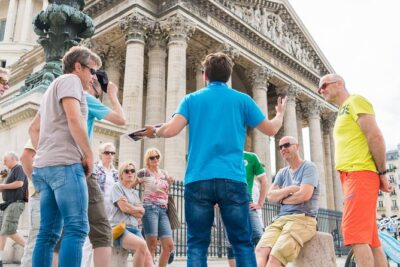 ★ 5.0Paris Bike Tour Hidden Secrets in the Latin Quarter & Le Marais neighborhoodsTickets from $54766 guest reviews
 ★ 4.9Food and Wine Tasting Walking Tour in Le MaraisTickets from $113446 guest reviews
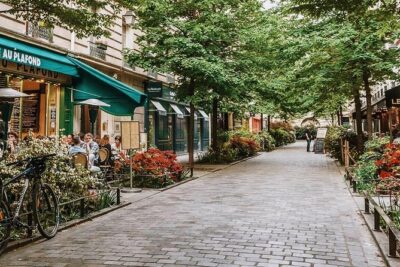 ★ 5.0Le Marais District & Jewish Quarter Guided Walking Tour 12ppl MaxTickets from $59361 guest reviews
 ★ 5.0Le Marais/Paris – The Historic, Trendy, Jewish, LGBT districtTickets from $48341 guest reviews
 ★ 5.0Paris Le Marais Food & Wine Tour with Eating EuropeTickets from $163297 guest reviews
This tour also belongs to