
Review · PRIVATE
French Macaron Workshop with a Masterchef in his Private Atelier
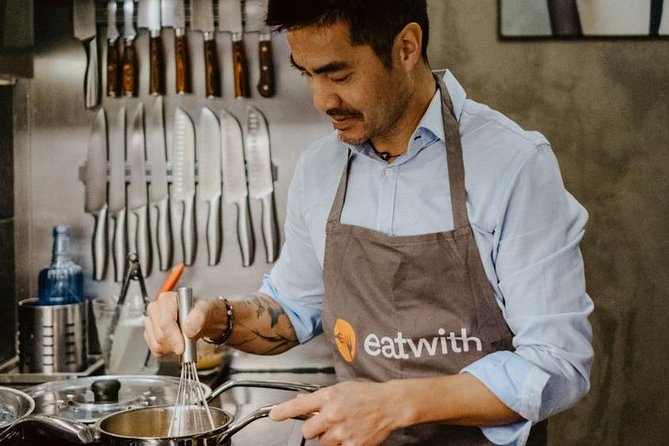
One word, macarons, are drama queens. This workshop turns that drama into a guided 90-minute process, led by MasterChef winner Jean-Yves in his own private atelier, with hands-on coaching and a max group size of eight. You’ll learn how to build macarons correctly, spot the usual slip-ups, and then taste what you made alongside French champagne.
My two favorite parts are the chef-style instruction that stays practical (he points out the differences that matter, like almond powder versus flour) and the setting itself. You’re not crammed in a studio; you’re in a designed-for-making space, and it makes the class feel calm and personal. The main thing to consider is that this is a hands-on patisserie session, so if you’re hoping for a quick walk-through with minimal mess and zero stress, this may feel more involved than you expect.
Key highlights you should know before you go
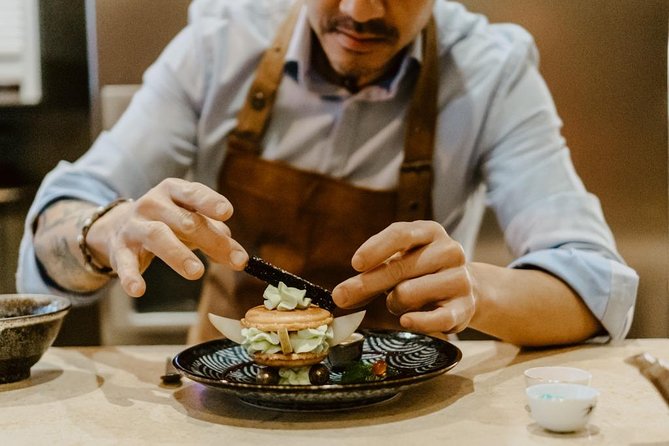
- MasterChef winner Jean-Yves teaches the method step-by-step, including what goes wrong and why
- You pipe and work on your own macarons, not just watch someone else do it
- Small group, up to eight people, so questions get real answers
- French champagne is part of the dessert finish, with a simple cocktail or champagne pairing during class
- The atelier setting is a real home-style space, described as historic and architect-designed
Chef Jean-Yves and the private atelier vibe
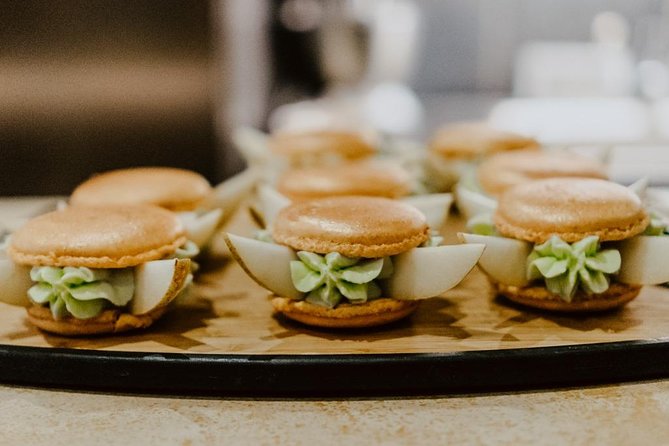
Paris has a million ways to eat well, but fewer ways to learn a classic technique with a top chef, up close. This class happens in the private atelier of Jean-Yves, a chef born in Vietnam and raised in France, who won Masterchef France in 2012. That background matters here, because he’s not just repeating formulas. He teaches the logic behind the process and how to avoid the common mistakes that make macarons fail.
The space is part of the experience. One reviewer described it as a historic home that Jean-Yves designed in his prior career as an architect. Even if you’re not an architecture person, you’ll feel the difference. The atmosphere is set up for careful work, not a tourist assembly line. That matters for macarons, which are sensitive to temperature, texture, and timing.
Class language is English, and the format is designed for small groups. With a maximum of eight people, you’re more likely to get personal checks on technique, not generic instructions aimed at the whole room. Air conditioning and WiFi are listed as available, so you’re not stuck dealing with heat or dead connectivity while you wait for a batch to come together.
One more practical plus: this is family-friendly, and kids are welcome. That can be great if you’re traveling with teens or curious kids who actually want to make something, not just sample it. Service animals are allowed too, if that applies to your group.
You can also read our reviews of more private tours in Paris



What you’ll learn: a practical macaron workflow in 90 minutes
The class is built around the deceptively tricky French macaron. You’ll learn to make macarons from start to finish and then decorate them with precision. The big lesson is that macarons are not just about ingredients. They’re about controlling a few critical factors, especially consistency and temperature.
Here are the teaching moments that stand out from what’s been shared about the experience:
- A step-by-step method for the 4-ingredient macaron
You’re guided through the process from the beginning, not just handed a tray and hoped for the best. The class focuses on building the right batter and getting the texture right.
- Ingredient clarity, almond powder versus flour
This is the kind of detail that can make or break a batch. You’ll hear why almond powder is different from flour and how that difference shows up in the final cookie.
- Tools and technique that professionals use
Expect guidance on the equipment and how to handle it. Even if you’ve watched macaron videos before, the “how to do it” part is usually the missing piece.
- Temperature awareness
Macarons react fast to environmental changes. The class includes emphasis on temperature, which is why doing this with a chef teacher beats trying to copy a recipe later.
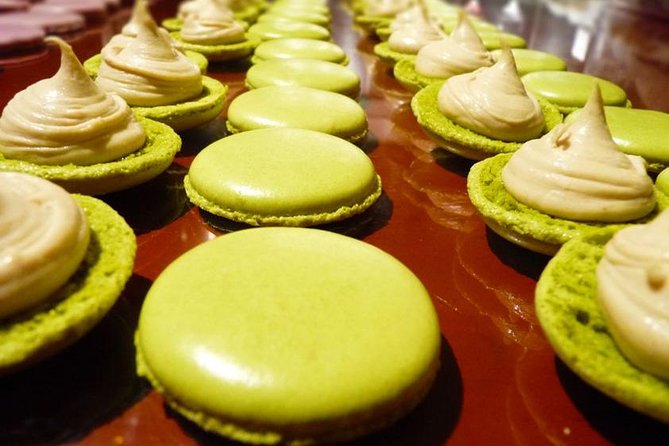
During the workshop, you’ll also be invited to pipe your own macarons under Jean-Yves’s guidance. That’s huge for learning. Piping seems simple until you’re staring at your own circles wondering why they look nothing like the ones in the photos. Having a teacher watching your technique makes that moment less frustrating.
Will you leave with chef-level confidence? Probably not in a single session. But you will leave with a clear mental model of why macarons fail and what to adjust next time.
The tasting moment: what you’ll eat and why champagne fits here
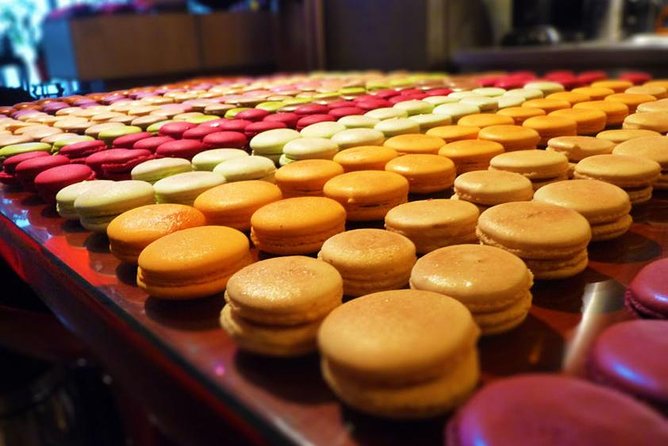
Your dessert is French macaron and champagne. The workshop experience includes tasting homemade macarons, and French champagne is part of the pairing. During the class you may be offered a cocktail or a glass of French champagne, which fits the mood of an atelier afternoon: focused, a little celebratory, and not rushed.
Why does champagne belong in a macaron workshop? Macarons are delicate and aromatic, so the drink pairing matters. The workshop menu keeps it simple and classic rather than doing an overly complicated flavor match. If you like French dessert culture, this combo feels natural, and it also helps you taste your own work in the right context, sweet, crisp, and snackable rather than heavy.
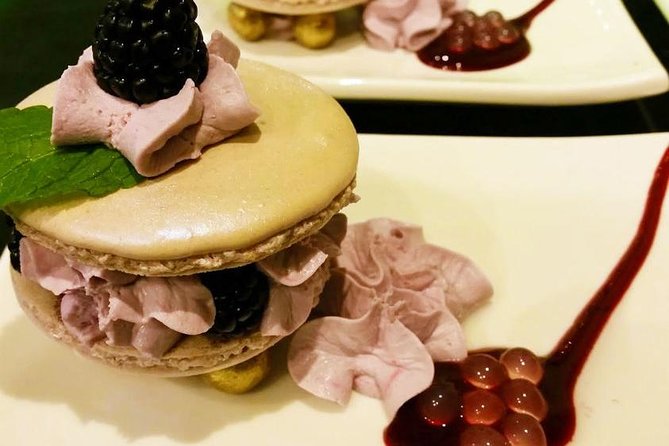
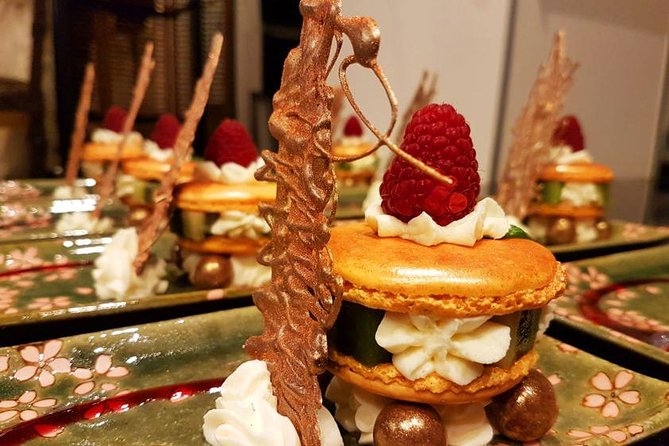
You’ll also finish with gourmet flourishes described in one example as candied orange peel and gold chocolate accents. That kind of detail is more than decoration. It shows you the finishing techniques that take macarons from good to “I want to serve this to friends.”
The broader takeaway: you’re not just learning how to make a cookie. You’re learning how pastry chefs think about presentation and balance, too.
Small group size that actually helps you learn
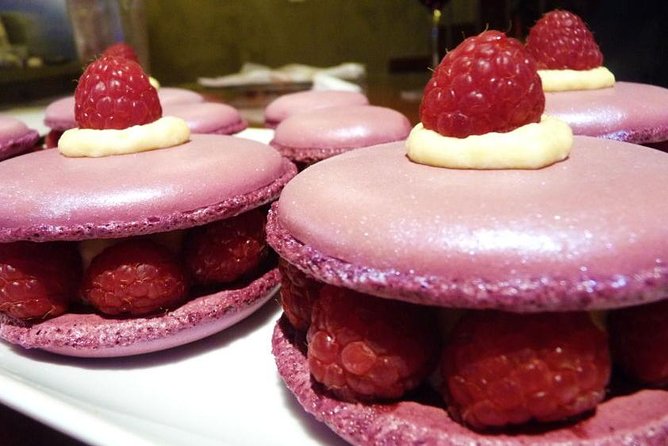
A lot of “food experiences” say small group and then behave like a crowd. Here, the limits are real. The workshop has a maximum of eight people. And the experience is described as suitable for couples or groups of up to four, which matches the learning style. When you’re learning a precision technique like piping and getting the right batter texture, you need time for questions and quick feedback.
In this kind of class, the biggest value is not that you get to say you made macarons. It’s that you get correction while you’re doing the work.
What you can expect this format to do for you:
- Faster feedback if your piping, texture, or handling is off
- More time to ask questions, especially about tricky ingredient choices and why they matter
- A calmer pace, since the chef teacher is not juggling too many people at once
One review described it as an almost private experience, with only the couple and the chef. Even if your group is fuller, the ceiling of eight means you should still feel attention from the instructor.
English instruction is helpful here because macaron technique includes real vocabulary: ingredient names, texture descriptions, and what to look for during mixing or resting. Being taught in English makes those cues easier to translate into your own kitchen later.
Price and value: what you’re really paying for
At $273.82 per person, this is not a budget activity. So the question is not just whether it’s expensive, but what you’re buying.
You’re paying for:
- A MasterChef-winning chef teacher rather than a generic instructor
- A private atelier setting, not a mass-market cooking class
- Hands-on learning with a small group, max eight
- A complete dessert experience, French macarons plus French champagne
If you compare this to doing a macaron class in a large group, the per-person cost will look high. But with macarons, the teaching quality is the multiplier. You can learn by watching a video later, sure. But you cannot get real-time correction on texture and piping from a screen. That’s where the money goes: into coaching, not just ingredients.
Also, the workshop duration is about 1 hour 30 minutes. That’s long enough to teach, pipe, and finish, but short enough to fit neatly into a Paris afternoon without eating your whole day.
One more value note: confirmation is received at the time of booking, and the ticket is listed as mobile. That reduces hassle on your travel day.
More Paris tours and experiences for the shortlist


Logistics that matter in Paris: meeting point and timing
The class starts at Rue du Vertbois, 75003 Paris, France. The experience starts at 1:30 pm and ends back at the meeting point.
Why does this matter? Paris neighborhoods can feel like a maze if you’re rushing. Since the end is back where you start, you won’t need to figure out return plans mid-lesson. You can plan an easy pre-class lunch nearby, then treat this like a guided afternoon stop.
It’s also noted as near public transportation, so you can likely reach it without a long walk, depending on where you’re staying. WiFi is available and there’s air conditioning, which helps if the weather is warm and you need a comfortable transition into a careful cooking session.
Dress smart for hands-on work. You’re doing pastry. That means you might get sticky or powdered at some point, even if the kitchen is controlled. Comfortable clothes and closed-toe shoes are the safest choice.
Who should book this macaron workshop, and who might pass
This experience is ideal if you:
- Want to learn a famous French technique with a real chef teacher
- Enjoy small, hands-on classes where you can ask questions
- Are traveling as a couple, or as a small group that wants an activity with a clear payoff
- Like dessert culture and want the full arc, make and taste, not only sample
It’s also a strong pick for teens, since one example highlighted a teen and a parent doing the workshop and finding it both fun and informative.
You might consider another option if you:
- Prefer a low-effort activity with minimal active participation
- Have very strict dietary needs and want full control, since you’ll need to communicate restrictions in advance
- Want a long entertainment-heavy experience, since this is a focused 90-minute workshop rather than an all-day food crawl
If you have allergies or a special diet, plan to communicate your needs before the session. The experience listing specifically notes that guests need to communicate food restrictions like allergies and special diets.
Tips to make this class work for you during your trip
You’ll get more from a macaron workshop if you treat it like a skill lesson, not just a tasting event. A few practical moves:
- Come with questions ready. If you’ve seen macarons fail before, write down what went wrong in your notes. Texture issues and ingredient swaps are exactly the kind of thing a chef can diagnose fast.
- Pay attention to the ingredient lesson. Almond powder versus flour is the kind of detail that affects the final shell and interior. If you remember nothing else, remember this.
- Plan the afternoon after calmly. This is at 1:30 pm. Make sure you have time to slow down afterward and enjoy the result.
- Bring a way to keep your macarons safe if you’re packing them. The class includes making and decorating macarons, so you’ll likely want to take your finished work with you.
Also, if you’re a first-timer, don’t expect instant perfection. Macarons are learnable, but they reward careful practice. Think of the workshop as your shortcut through trial and error.
Should you book this French macaron workshop?
I’d book it if you want a real technique lesson in Paris with a chef who has both credibility and a teaching style that focuses on the details that matter. The small group size, the step-by-step guidance on a 4-ingredient macaron, and the chance to pipe your own macarons are the core reasons it’s worth it. Add French champagne to the mix, and you get an experience that feels like both learning and celebration.
I would skip it only if you strongly prefer passive activities, or if you’re traveling with complicated dietary requirements and you need guarantees beyond what’s listed. For everyone else, this is the kind of class you can talk about for years, because you leave with skills and a dessert you helped create.
FAQ
Where is the meeting point for the workshop?
The workshop meets at Rue du Vertbois, 75003 Paris, France. The activity ends back at the meeting point.
What time does the class start?
The start time is 1:30 pm.
How long is the workshop?
The duration is approximately 1 hour 30 minutes.
Is the workshop offered in English?
Yes. The class is offered in English.
What is the group size limit?
The workshop has a maximum of 8 travelers.
What is included in the class tasting?
The sample dessert menu includes French Macaron and Champagne. During the class, you may also sip a cocktail or a glass of French champagne.
Can I cancel for a refund?
Yes. There is free cancellation up to 24 hours in advance for a full refund.
More Workshops & Classes in Paris

More Private Tours in Paris

More Tour Reviews in Paris


Not for you? Here's more nearby things to do in Paris we have reviewed






Private, side by side.
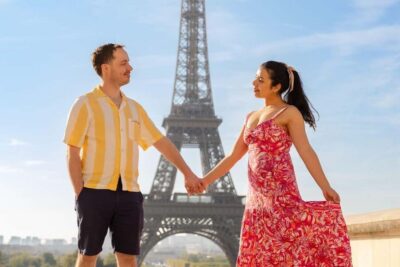 ★ 4.7Private Photoshoot at the Eiffel TowerTickets from $412,636 guest reviews
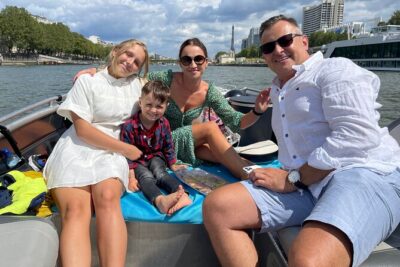 ★ 5.0Top Private Cruises in Paris with French Champagne and surprisesTickets from $4821,553 guest reviews
 ★ 4.5Private Paris Airport Arrival Transfer – CDG & ORLY AirportsTickets from $571,119 guest reviews
 ★ 4.0Paris Private Arrival Transfer from Charles de Gaulle (CDG) or Orly (ORY)Tickets from $541,084 guest reviews
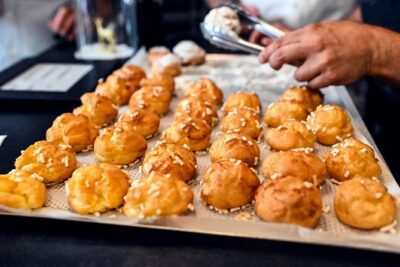 ★ 5.0Private Montmartre Food Tour with Wine, Cheese & PastriesTickets from $3021,027 guest reviews
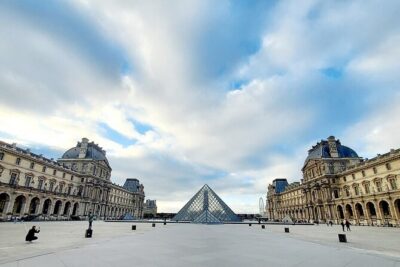 ★ 4.0Louvre Museum Timed Entry Ticket – Optional Private GuideTickets from $48940 guest reviews
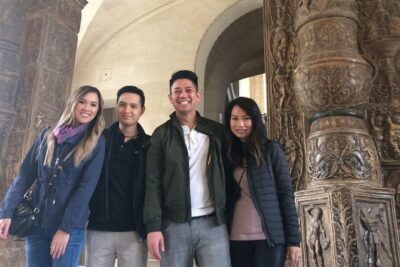 ★ 4.0Paris Private Louvre Museum, Must See, 1H30 Tour.914 guest reviews
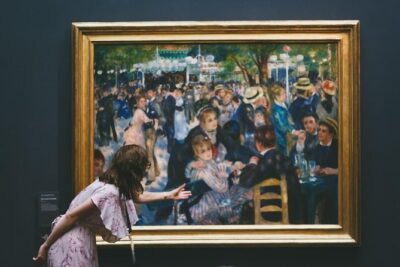 ★ 5.0The Musée d’Orsay Guided Tour Orsay Museum Semi-Private 6ppl MaxTickets from $144904 guest reviews
This tour also belongs to