
Review · ORSAY MUSEUM TOURS
The Musée d’Orsay Guided Tour Orsay Museum Semi-Private 6ppl Max
Orsay turns art history into a story. This semi-private 2 to 2.5 hour tour is built for people who want the Impressionist era made clear, not just name-dropped. You get priority entrance into the Musée d’Orsay inside a former train station, plus a guide to connect the dots from earlier artists to the post-Impressionists that followed.
What I like most is the chance for personal attention. With a maximum of 6 people, you can actually ask questions and slow down on the paintings that catch your eye. I also love how the tour moves through the art like a timeline, so you understand why works by Manet, Monet, Van Gogh, and Degas felt revolutionary at the time.
One thing to consider, though: it is not a good fit for wheelchair users or for people who need walking disability accommodations. Also, at $144.21 per person, this is a “pay for convenience and guidance” choice, not a budget museum trick.
Key things to know before you go
- Small-group format, max 6 keeps the pace human and the Q and A real
- Reserved entry helps you bypass the worst of the lines for a smoother start
- Chronological art history connects movements instead of dumping facts
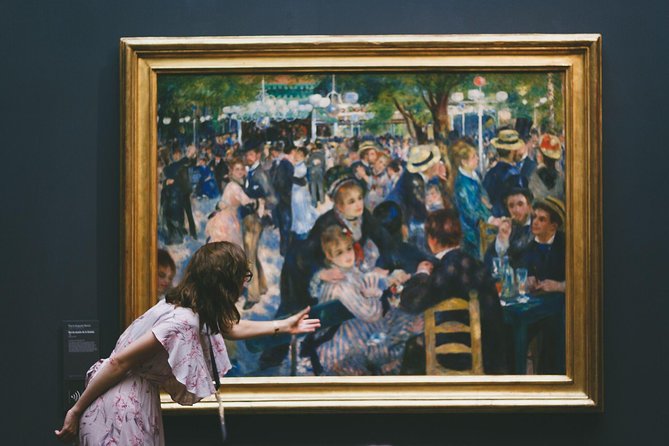
- Signature works usually included like Manet’s Luncheon on the Grass and Renoir at Le Moulin de la Galette
- Museum etiquette matters in some rooms, where speaking can be restricted
Musée d’Orsay is the perfect setting for Impressionist clarity
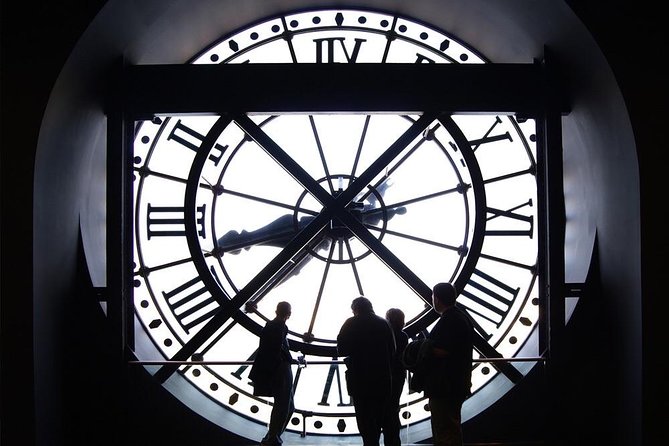
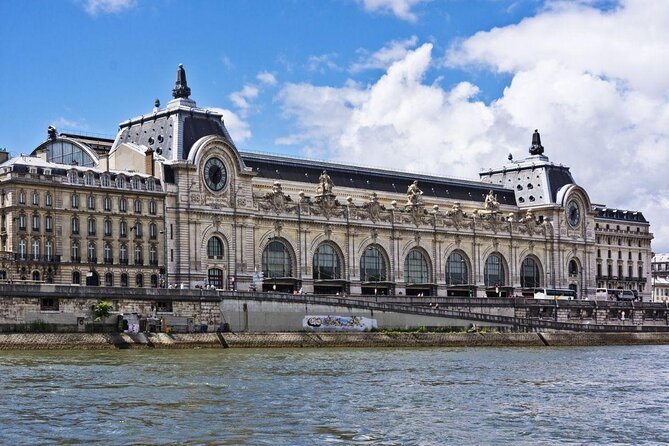
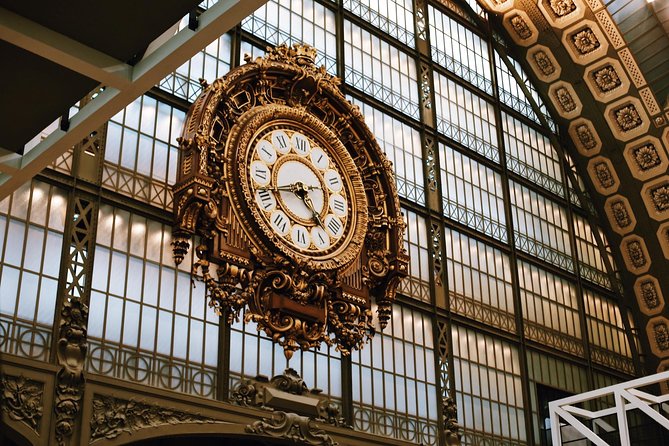
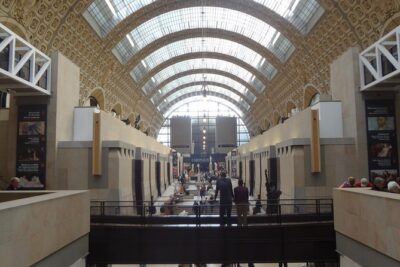
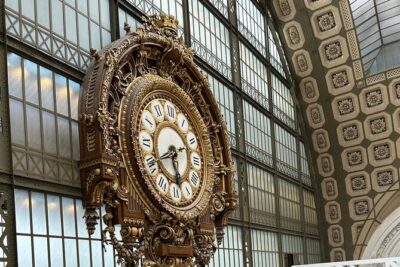
If you only visit one Paris museum for 19th-century painting, I’d put Musée d’Orsay near the top. It is not just the art. The building itself matters. You’re walking through a converted, century-old train station with a grand, Beaux-Arts look, so the museum already feels like a time capsule.
On this tour, the guide uses that setting to explain the shift from academic painting toward what became the Impressionists and then the post-Impressionists. That context is the whole point. When you see a painting like Manet’s Luncheon on the Grass in isolation, it can feel like a famous image. When you see it as part of a breaking point in style and subject matter, it clicks faster.
And because the tour is English-language, you get the stories without feeling like you’re piecing everything together from your phone.
You can also read our reviews of more guided tours in Paris



Semi-private up to 6: the real reason this tour feels worth it
Paris museums can overwhelm your brain. So many rooms. So many crowds. So many little labels you cannot read at a walking pace.
This is why the semi-private setup pays off. The max group size is stated as 6 travelers, and the tour is designed for a small, question-friendly experience. In practice, that means you’re not just following a human traffic cone through galleries. You can ask why an artist chose a subject, or what a technique change meant, or how one movement influenced the next.
I’ve also seen this work especially well for mixed-age groups. There are guides on this tour who keep kids engaged, including family setups where children can be a variety of ages. If you have teens who complain about museums, this is the kind of tour that can turn their mood into curiosity.
If you hate being stuck in a big group, this format is the difference between seeing a few highlights and understanding the bigger story.
Reserved entry and priority entrance, what it actually saves you
This tour includes admission tickets and reserved entry, plus entrance fees. That alone helps value, because you’re not doing separate ticket math while trying to line up in the real world.
Priority entrance is also not magic. Security still can create slowdowns. The tour notes that some lines may form even with skip-the-line access due to security measures. Still, reserved entry tends to reduce the stress at the start, and it helps you spend more of your 2 to 2.5 hours looking, not waiting.
One more practical point: you’ll be dealing with museum security rules. No large bags or suitcases are allowed inside. Only handbags or small thin bag packs go through. If you show up with a big tote or a backpack, you might waste time sorting it out.
The Orsay storyline: from Manet to Monet, then Van Gogh and Degas
The itinerary is basically one big stop, the Musée d’Orsay. That’s fine, because Orsay is a dense museum. The “tour” part is about how the guide steers you through the collection in a meaningful order.
Here’s what you should expect to see as the tour typically moves across the Impressionist and post-Impressionist path, with the guide explaining the ideas behind the art:
Manet’s Luncheon on the Grass: scandal as art fuel
Manet is often where the story gets interesting fast. Luncheon on the Grass is discussed not just as a famous title, but as a challenge to what was considered acceptable subject matter and style. The guide frames it in the broader evolution toward Impressionism, so you start noticing how artists were pushing boundaries.
You can also read our reviews of more private tours in Paris






Renoir at Le Moulin de la Galette: modern life, seen differently
Next up is Renoir’s Dance at Le Moulin de la Galette. This is where you start understanding why “everyday scenes” mattered. The tour connects technique and mood to the change in how artists represented light, movement, and social life.
Millet’s The Gleaners: realism before Impressionism
You also get earlier influences, including Millet’s The Gleaners. Even though it is not an Impressionist painting in the strictest sense, it helps you see the lead-in. The guide uses artists like Millet to show what came before the Impressionists, and why the leap felt logical once you understand the timeline.
Monet’s poppies and water lilies: the Impressionist obsession with light
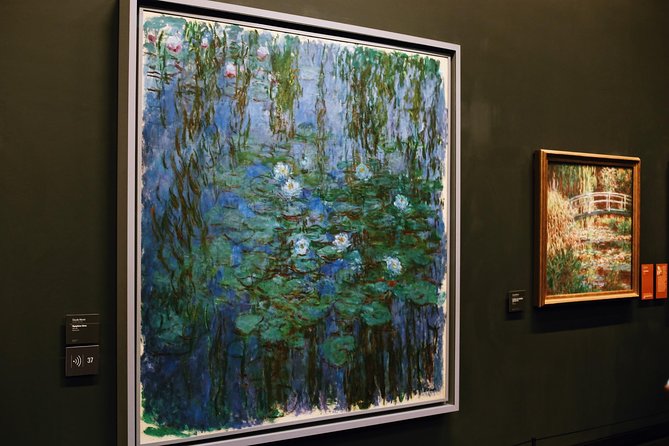
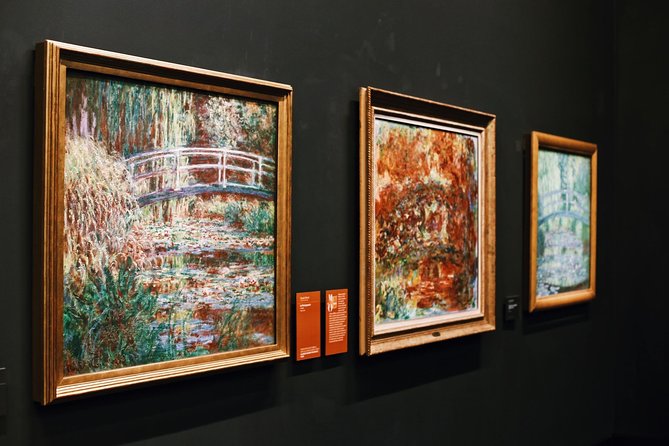
Monet is built into the usual highlight set. Expect stops that include Monet’s Poppy Field and Waterlilies. The guide’s job is to help you see past the surface beauty and notice the technique choices that made these works feel new. You’re not only looking at a subject. You’re looking at how paint and perception work together.
Van Gogh’s Bedroom in Arles: color, emotion, and technique
Then comes Van Gogh, including his Bedroom in Arles. This is the moment where you see how post-Impressionism shifted from capturing an instant to expressing an inner world. The tour format is designed to make those technical and emotional choices understandable, not just memorized.
Degas’s Ballerinas: movement you can almost feel
Degas’s Ballerinas rounds out the arc. The guide’s focus tends to be on how Degas framed motion and figures, so the paintings feel less like frozen poses and more like fragments of time.
A note on what might change
The tour says specific works can vary along the year, especially with loans or restorations. Temporary exhibitions are not included either. Still, the core Impressionist and post-Impressionist backbone is usually there, just with occasional swaps.
How guides turn pictures into stories you can repeat later
Good museum tours do one thing well: they give you a framework you can carry home. This one tries to do that using three tools.
First, it uses a timeline. You’re not bouncing room to room without a reason. The tour aims to show how movements evolve and why changes matter.
Second, it emphasizes technique. You should hear explanations tied to artists like Van Gogh and Renoir, so you understand how the style is made, not just what it looks like.
Third, it gives you time for questions. With a group this small, the guide can answer in the moment. That’s a big deal at Orsay, because so many paintings reward close attention.
You might also get a guide who leans into humor and personality. Names you may see paired with strong feedback include Eduardo, Lily, Kotryna S, Christophe, Ivanna, Daniel, Ana, Hugo, Beatrice T, and Achille. If the booking options let you request a specific guide, it is worth doing based on your own preference, but either way the tour is designed around an expert-led pace.
Fitting the tour into your Orsay day plan
The tour runs about 2 hours 30 minutes, with priority entry and a guided path through a big slice of the collection. After the tour, you’ll likely want a breather and then a slower second look.
Here’s how to plan it smart:
- If you’re sensitive to crowds, consider an off-peak time. Orsay can feel packed, and some days are tougher.
- Leave energy for wandering. The guide typically ends back where you started, and you’ll be oriented enough to pick your next targets.
- If you’re traveling with kids or teens, treat the guided tour as your “starter set.” Afterward, let them pick one or two artists they want to chase, not five.
If you like photos, this is a good time to take them. You’ll know what you’re photographing, instead of shooting random frames.
Price and value at $144.21 per person
Let’s talk money in plain terms. At $144.21 per person, you are paying for:
- a professional guide
- a small-group experience capped at 6
- reserved entry with admission included
- entrance fees included in the total
So the value comes from removing two big headaches: long lines and art-history guessing. Orsay is not a small museum. Even with good self-guided planning, you can burn time before you get to the big works.
If you are the type who wants to read labels and wander, you might feel this is overkill. But if you want the Impressionist era explained in a way that makes you feel smart quickly, this price starts to look fair.
Also, you’re not just buying access. You’re buying the story structure. That’s why the reviews trend toward “educational and fun” even when people aren’t art majors.
Who should book this Orsay semi-private tour?
Book it if you:
- want a guided introduction to Impressionism and post-Impressionism
- hate big groups and want time to ask questions
- enjoy seeing the connections between artists, not just isolated masterpieces
- need help keeping kids engaged in a museum setting
Skip it if you:
- need wheelchair access or accommodations for walking disabilities, since the tour is not available for those situations
- show up with large bags, because you will have to conform to the small-bag security limits
- want a “do everything at your pace forever” museum plan. This is 2 to 2.5 hours of guided value, not an entire day free-for-all.
Should you book this Orsay semi-private tour?
I’d book it if your priority is understanding. Orsay can be overwhelming without a plan, and this tour offers exactly that: a tight route through the art with context you can actually use. The small group size is the secret sauce, especially if you like asking why an artist chose a subject or technique.
I would hesitate only if you know you want to roam and read at random, or if accessibility needs mean this tour is not a fit. Otherwise, this is a strong way to get the best of the collection without turning your day into a line-standing exercise.
FAQ
How many people are on the semi-private tour?
This is a semi-private tour with a stated maximum of 6 travelers. The group is designed so you get small-group attention.
How long does the Musée d’Orsay tour last?
The duration is about 2 hours to 2 hours 30 minutes, approximately 2.5 hours.
Is the museum admission included in the price?
Yes. Admission ticket and all entrance fees with reserved entry are included.
Do I get priority entrance or skip-the-line access?
Yes, the tour includes priority entrance / reserved entry. The tour also notes that some lines may still form due to security.
What famous artworks are usually included?
Highlights generally include Manet’s Luncheon on the Grass, Renoir’s Dance at Le Moulin de la Galette, Monet’s poppies and water lilies, Van Gogh’s Bedroom in Arles, Degas’s Ballerinas, and Millet’s The Gleaners. Exact works can vary due to loans or restoration.
Is the tour wheelchair accessible?
No. The tour is not available for those with walking disabilities or using a wheelchair.
What bag can I bring into the museum?
No large bags or suitcases are allowed inside the museum. You can bring a handbag or a small thin bag pack through security.
More Guided Tours in Paris



More Tours in Paris



More Tour Reviews in Paris






Not for you? Here's more nearby things to do in Paris we have reviewed












Orsay Museum Tours, side by side.
 ★ 4.7Orsay Museum Entry TicketTickets from $1525,647 guest reviews
 ★ 4.4Orsay Museum Entry Ticket and Digital Audio Guide AppTickets from $313,170 guest reviews
 ★ 5.0Paris in a Day: Louvre or Orsay, Eiffel Tower, City Walk & CruiseTickets from $1571,956 guest reviews
 ★ 4.5Musée d’Orsay Skip-the-Line Tour with Expert GuideTickets from $671,145 guest reviews
 ★ 4.8Musée d’Orsay Skip-the-Line Tour with Expert GuideTickets from $821,088 guest reviews
 ★ 5.0Louvre & Musée d’Orsay Guided Museum Tour Semi-Private 6ppl MaxTickets from $288619 guest reviews
 ★ 4.5Paris Musée d’Orsay Fully Guided TourTickets from $71556 guest reviews
 ★ 4.0Orsay Museum Daily Entry TicketTickets from $24508 guest reviews
This tour also belongs to