
Review · PARIS CITY TOURS
Paris: French Macaron Culinary Class with a Chef
Macarons fail for one reason: technique. This 150-minute class at Maison Fleuret School is where you learn the steps that actually make French macarons work, from meringue to ganache, and then you leave with a box you can share. I love that it is hands-on and guided closely, and it is also a fun way to meet people in a friendly kitchen setting. One thing to plan for is simple logistics, there is no hotel pickup, so you need to get yourself to the meeting point.
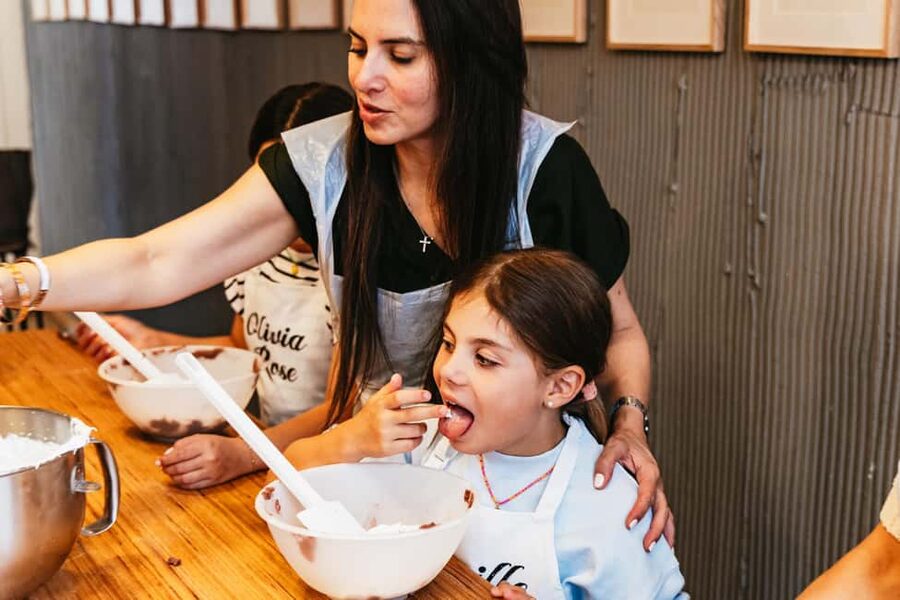
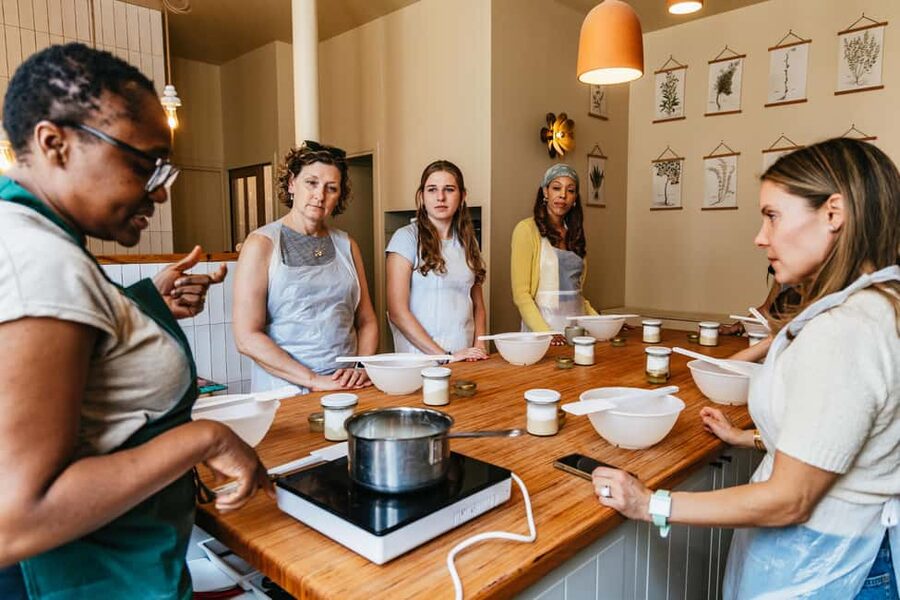
In practice, the experience feels calm and structured. Your instructor is English-speaking, and some guides can also explain in French and English, which helps everyone follow along. I also like that the group stays small, capped at six participants, so you are not just watching, you are working.
Key Things I’d Tell a Friend Before You Go
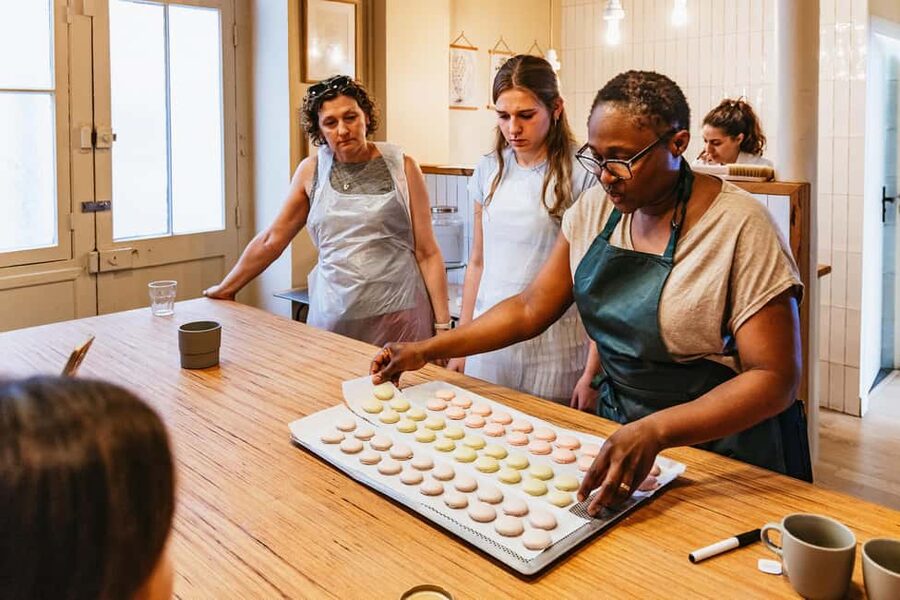
- Small group, close coaching: Limited to six people, so you get real attention while you practice tricky steps.
- Meringue first, then ganache: You focus on the backbone of macarons, not just the final assembly.
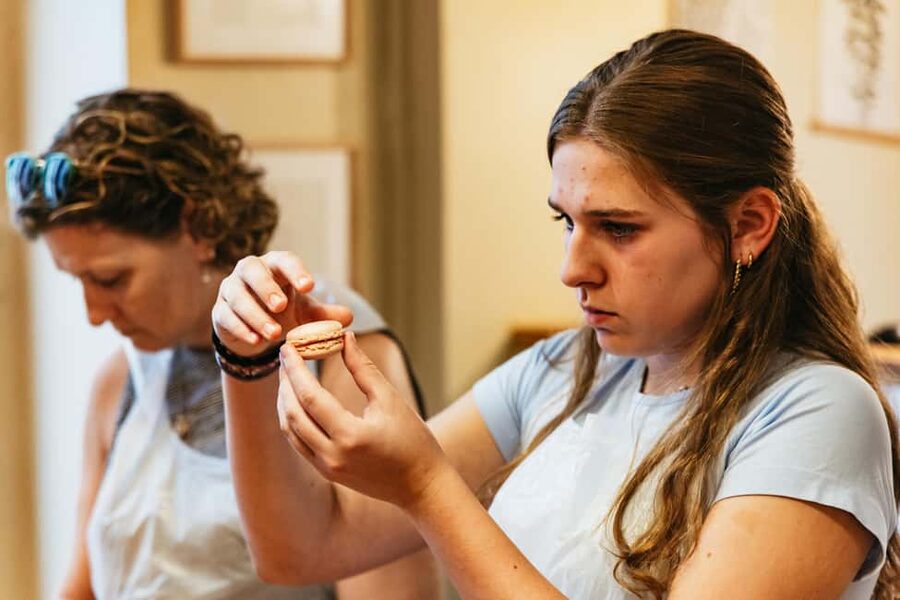
- That crispy shell goal: You learn how to shape macarons for a crisp outside and a soft, tasty center.
- Ganache technique matters: You practice filling with guidance so the texture and flavor land right.
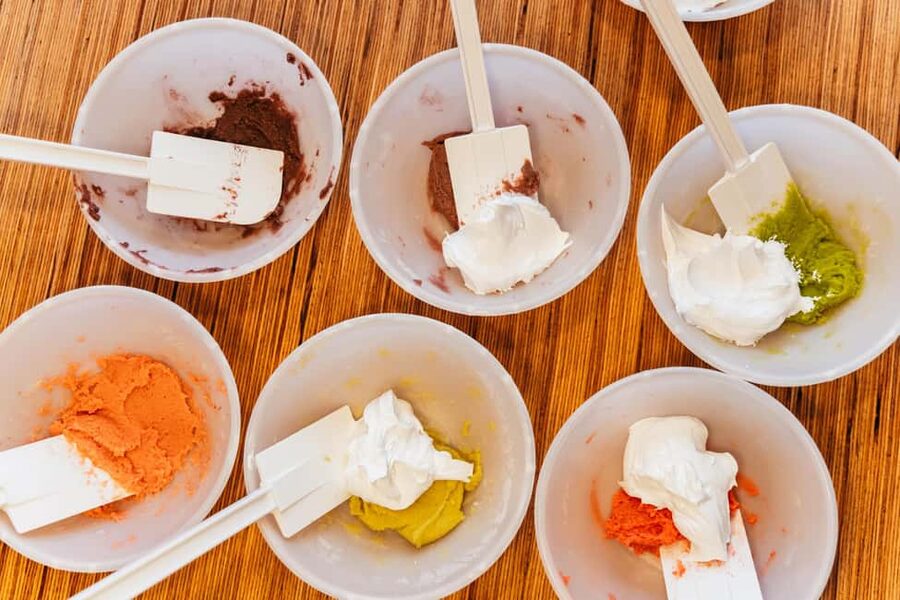
- Flavors and colors you choose: Many classes include picking your flavors and even colors for your macarons.
- You take food home immediately: You finish with a boxed set of macarons made during the workshop.
Arriving at Maison Fleuret and Getting Started
Your macaron class starts at Maison Fleuret School in the Ile-de-France area. Meet your group at the time listed for your reservation, directly in front of the grey door. There is no hotel pickup, so plan to arrive on your own a little early and give yourself time to spot the entrance.
The first minutes are pretty important, even if you’re not a baker. You’ll meet the other participants, then the chef instructor takes over with clear, step-by-step direction. That early structure helps a lot, because macarons are one of those pastries where small changes can shift the outcome. When the chef sets the tone and the pace, you waste less time guessing.
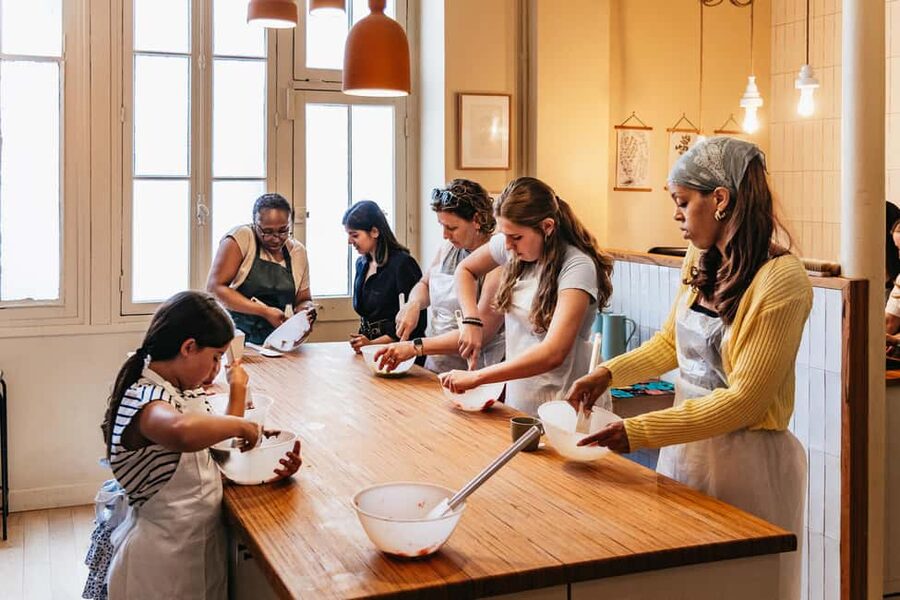
The class is designed for small numbers. Even though you are doing a shared activity, it does not feel crowded or chaotic. People in the class can range from true beginners to folks who have already tried macarons at home, and the setup supports both. Some instructors are known for bringing a lively, upbeat vibe, and that helps when you are handling delicate mixtures.
One practical note: a few people have reported their session finishing a bit sooner than 150 minutes. So do not treat the timing like a rigid clockwork schedule, treat it like a typical workshop length, then expect it to run smoothly.
More Paris tours and experiences for the shortlist

The Macaron Workflow: From Meringue to Shell
If macarons have a reputation, it comes from the meringue. The whole class is built around getting that part right, then carrying that success through every next step.
You start by learning how to perfect the meringue. That means understanding what the mixture should look like and how it behaves, before you move on. It is not just mixing and hoping. The chef guides you through technique, so you can build confidence instead of chasing guesses.
Then comes the part you actually make. You learn how to form macarons so they bake into the right shape and texture. The goal is a crispy outer layer with a soft, flavorful center. That contrast is what makes macarons worth the hype, but it only happens when the earlier steps were correct.
This is also where the small group size really helps you. With only six participants, the chef can correct issues while you are still in the middle of the process. That makes a huge difference compared to classes where you watch for most of the time and only do a single step at the end.
One more reason this workflow is valuable: you do not only get the recipe. You learn what to pay attention to. Macaron making is visual, tactile, and timing-based. When your instructor points out what matters, you leave the class knowing what to reproduce at home, instead of just copying a list of ingredients.
Piping and Texture: Getting the Shell Right
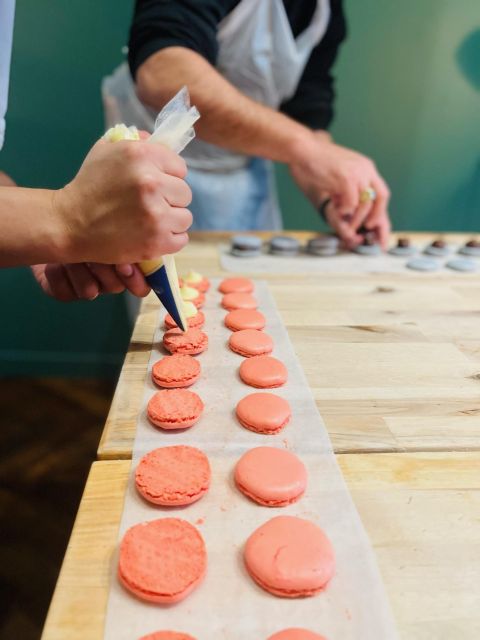
After the meringue work, you shift into shaping. This part can feel intimidating at first because macarons look uniform. In real life, the uniform look is the result of repeated technique, not luck.
In this workshop, you practice making the pastry that bakes into a crisp shell. You are guided on how to create the right macaron structure and keep it consistent. The chef’s coaching matters because piping is both simple and fussy. If your technique varies, the baked shells can change too.
This is one of the top parts of the experience for me, because it turns your attention into something you can control. Instead of stressing about whether macarons are hard, you learn the specific actions that lead to success. The chef keeps it practical, and the pace is friendly enough that you do not feel rushed.
You’ll also get help with the idea of a delicate center. That soft interior is not just a texture outcome, it is part of why the filling works. When the shell and center are right together, the final bite feels balanced.
And yes, you also get the social part. The workshop environment is designed for mixing with the other people in your group. You share the same station, the same steps, and often the same little moments of surprise when something works.
Ganache-Making That Actually Tastes Like Something
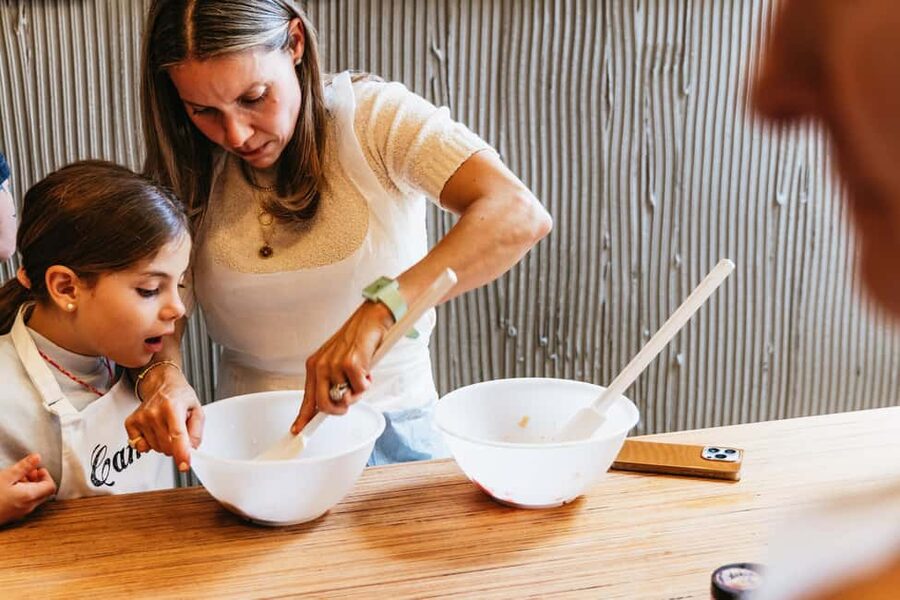
Once you have your macaron shells, the class turns to ganache-making techniques. Ganache is one of those topics where the details matter, because the texture can go too thick, too thin, or separate if you handle it wrong.
Here, you learn the process and get guided instruction, not just a one-time demonstration. The chef shows technique, then helps you apply it while you’re working. This is where the workshop goes beyond a basic “watch and copy” style. The chef helps you understand how to achieve the right filling texture so it complements the crisp shell.
This is also where you start thinking like a pastry chef, even if it is your first macaron class. Instead of only asking whether the shell baked well, you’re learning how the filling impacts the bite. The best macarons are built to be eaten, not just photographed.
Some instructors are described as warm, patient, and individually helpful, and you can see why that matters. Ganache can be easy to mess up when you are moving quickly. In a small class, the chef can slow you down if needed and keep you on track.
By the end of the filling stage, you can better predict how your final macarons will taste. That predictability is the real payoff, because it’s what lets you repeat the results later at home.
Assembling and Taking Home a Box
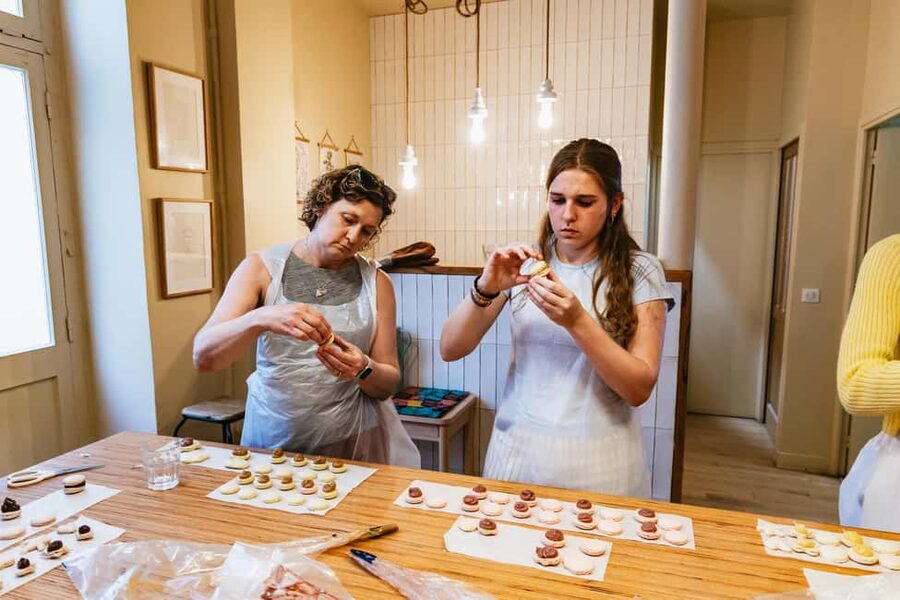
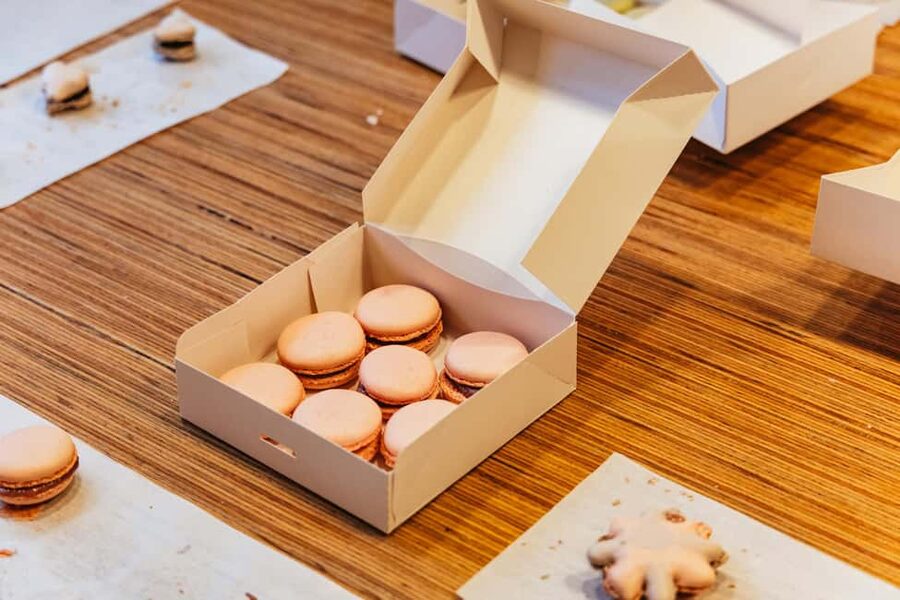
The workshop finishes with a boxed set of macarons that you carefully craft during the class. That take-home box is more than a souvenir. It lets you taste your results right away, and it also helps you share the experience with friends later the same day or on a longer trip.
There is something satisfying about having an end product you made step-by-step, not just a theory lesson. Even people who had made macarons before have described the class as a confidence-builder, because the guidance turns failures into understandable fixes.
The box also solves one travel headache. French pastries are fragile. Having them packed for you at the end is practical, and it lets you focus on the class rather than worrying about how to transport delicate cookies. Some people also said they were able to bring the macarons home well enough to share later, which is a nice bonus if you are visiting from abroad.
If you’re traveling as a family, this part tends to land well. The end result is immediate, sweet, and visible. It gives kids and teens something to be proud of, and it gives adults an actual reason to slow down and enjoy the moment.




Who This Class Suits Best in Paris
This is a great fit if you want a hands-on food experience that still feels organized. You’ll get a guided approach to the parts that usually trip people up, meringue, ganache, and the shell texture. The small group format also makes it easier to ask questions without feeling like you’re interrupting.
It is especially good for:
- Beginners who want the correct technique from day one
- Bakers who have tried macarons and want to fix the problem step
- Families, because the class is structured and interactive
Language should not be a barrier. The instructor is listed as English-speaking, and some guides also explain in French and English, which helps you stay confident even if your French is basic. And the workshop atmosphere is friendly, so you are not just standing behind a counter watching others work.
As for instructors, I like that the program has earned praise for teaching styles across different chefs and guides. People have highlighted instructors like Delphine for bilingual explanations, Alice for upbeat help, and others for clear step-by-step guidance and a relaxed vibe. You might not get the exact same person, but the teaching approach is consistently described as structured and supportive.
Value and Practical Considerations for 150 Minutes
You might wonder if 150 minutes is enough to learn macarons. It is, because the class is not trying to cover every macaron theory topic. It focuses on the steps that create results: meringue, ganache, piping, and the shell texture you’re aiming for.
That focus is what makes the class good value for your time. Instead of collecting ten half-useful tips, you leave with a repeatable process and the feeling that you could try again. The take-home box also keeps the day from feeling like only practice with no payoff.
The biggest practical consideration is still location and timing. You meet at the grey door, and there is no pickup. So you’ll want to be comfortable navigating yourself in Paris, or at least be prepared to use maps and double-check the meeting spot.
Finally, expect a little variation in how long the session takes. Some participants reported finishing sooner than the stated 2.5 hours. That usually means the workshop runs efficiently, but it is good to keep your schedule flexible.
Should You Book This Macaron Class?
I’d book it if you want a genuinely hands-on French experience with clear instruction and a friendly group size. The combination of meringue coaching, ganache technique, and aiming for a crispy shell with a soft center is exactly what you want from a macaron class. You also get the best part at the end, a boxed set of macarons you made.
I would skip it only if you strongly rely on hotel pickup, or if you need a totally self-directed activity with no instructor guidance. Otherwise, this workshop is an excellent use of a half day in Paris, especially if you want something more memorable than a typical food tour.
If you’re deciding between doing this and just buying macarons, do the class. Buying is great, learning is better, and you end up with pastries that taste like your effort.
FAQ
Where do I meet for the class?
Meet at the time of your reservation in front of the grey door.
How long is the macaron culinary class?
The class duration is 150 minutes.
Is the instructor taught in English?
Yes, the instructor is English-speaking.
How many people are in the group?
The class is a small group, limited to 6 participants.
What is included in the experience?
You get a macaron cooking class, a chef instructor, and a box of macarons.
Is hotel pickup or drop-off included?
No, hotel pickup and drop-off are not included.
Can I cancel and get a full refund?
Yes, you can cancel up to 24 hours in advance for a full refund.
Is the workshop wheelchair accessible?
Yes, the activity is listed as wheelchair accessible.
More Workshops & Classes in Paris


More Tour Reviews in Paris


Not for you? Here's more nearby things to do in Paris we have reviewed









Paris City Tours, side by side.
 ★ 4.6Louvre Museum Timed-Entrance TicketTickets from $2671,977 guest reviews
 ★ 4.6Disneyland® Paris 1-Day TicketTickets from $6149,412 guest reviews
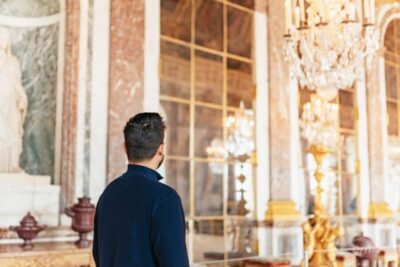 ★ 4.6Versailles Palace and Gardens Full Access TicketTickets from $1741,579 guest reviews
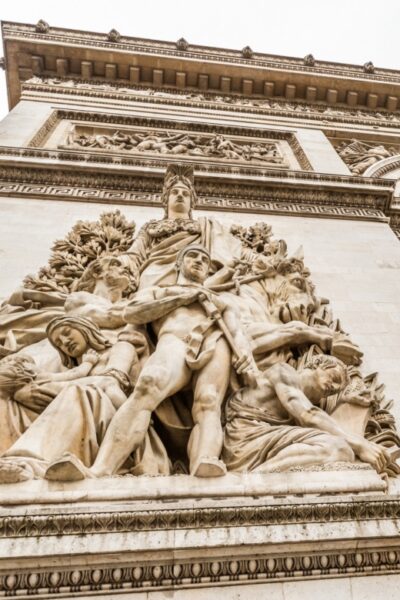 ★ 4.6Arc de Triomphe Rooftop TicketsTickets from $1834,264 guest reviews
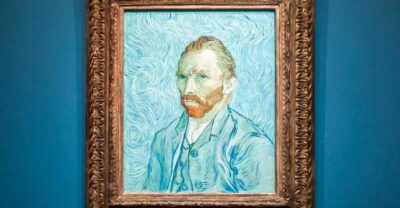 ★ 4.7Orsay Museum Entry TicketTickets from $1525,647 guest reviews
 ★ 4.4Evening River Cruise with MusicTickets from $2722,721 guest reviews
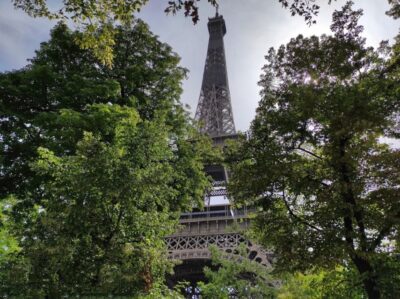 ★ 4.4Eiffel Tower Entry Ticket with Optional Summit AccessTickets from $2920,035 guest reviews
 ★ 4.3Eiffel Tower Summit or Second Floor AccessTickets from $5917,248 guest reviews
This tour also belongs to