
Review · PARIS CITY TOURS
Private Paris WWII History Tour: Occupation & Resistance
Paris turns solemn when you follow Resistance footsteps. This private 3-hour WWII tour threads French Resistance stories through the same streets where danger lurked nearby, and it keeps the focus on names and places you can actually point to. You’ll move from clandestine defiance to the city’s final days of Nazi control, then look at how freedom felt on the ground.
I love the street-level connections, especially the way you trace the thinking behind Jean Moulin and the underground publications like Defense de France. You’ll also get the emotional weight done right, with a stop for reflection tied to the Vel d’Hiv roundup and the somber Mémorial des Martyrs de la Déportation. One consideration is price, because at $294 per person it needs to feel worth it to you, and one guide style may not land as strongly for everyone.
Expect significant walking on uneven city sidewalks, plus weather changes in Paris, so plan for comfortable shoes and time to slow down at memorials. You’ll start by the Saint-Michel Monument with the guide holding a Mister Llama mascot, which is a fun way to spot them fast before the tone turns serious.
Key Highlights You Should Not Miss
- Saint-Michel start point that sets you up for the day’s Resistance focus, right near the Saint Michael Monument
- Jean Moulin route moments that explain how clandestine meetings pushed unity in the Resistance
- Jardin du Luxembourg wartime contrast, where calm today once hid Nazi operations tied to the Luftwaffe
- Vel d’Hiv memory stop, paired with a visit to the Mémorial des Martyrs de la Déportation
- Samuel Beckett bookstore stop, a human-scale pause in a story full of danger and fear
Starting By Saint-Michel Monument With Mister Llama
Meet the guide next to the Saint Michael Monument, and yes, they’ll be holding a Mister Llama mascot. It’s a small detail, but it makes the start easy, especially if you’re arriving from another neighborhood and you don’t want to waste time searching for a meetup spot.
This is a good way to begin because Saint-Michel is not just “pretty Paris.” It’s a neighborhood that carries wartime meaning, including the kind of defiance that could get you punished. As you walk out, your guide can connect the geography to the ideas, so you’re not just collecting dates, you’re seeing how people lived and resisted in the same streets you’re walking today.
And since this is a private group, you’re not squeezed into a crowd rhythm. The guide can keep the pace manageable, which matters because there’s enough walking to feel like a real outing, not a quick drive-by.
You can also read our reviews of more private tours in Paris



Resistance Streets and Defense de France: Where Print Became Power
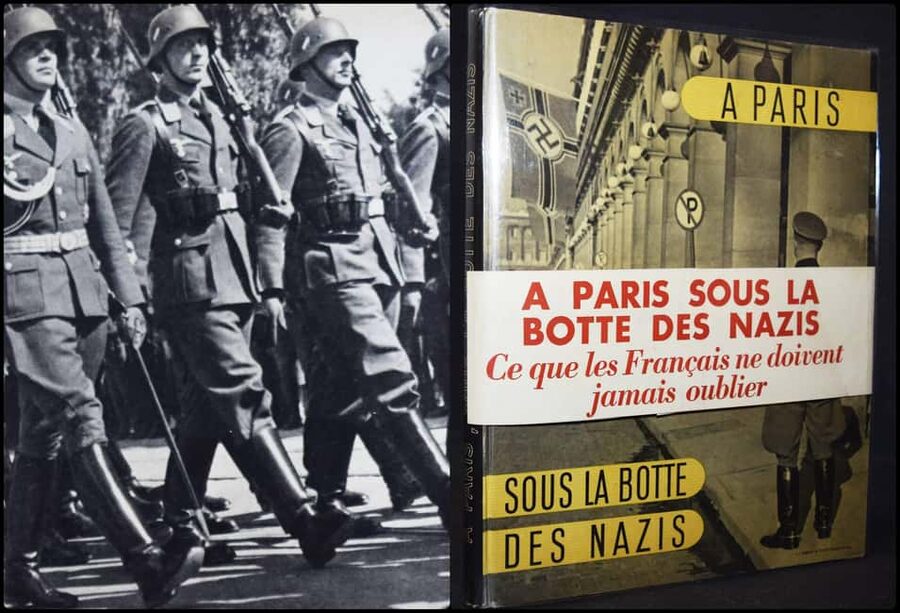
One of the strongest parts of this tour is how it frames Resistance work as something practical, not abstract. You’ll walk through historic streets where the French Resistance secretly operated with the Gestapo nearby, which puts a real pressure on every corner you see.
A key moment in the story is Defense de France, an underground publication mentioned as vital to spreading resistance. Even if you already know the basics of the Occupation, I love the way this kind of stop helps you understand why information mattered so much. In wartime Paris, getting the truth out was dangerous work, and it required coordination, secrecy, and nerves of steel.
What to watch for as you go: the way your guide ties the neighborhood role into the bigger Resistance effort. The goal is to help you visualize the invisible, like where information may have moved and how people could keep operating while being watched. If you like history that has fingerprints, this stop is for you.
Jean Moulin’s Path: From Secret Meetings to Unity
The tour follows paths tied to Jean Moulin, a hero who unified the Resistance. That focus is useful because it gives the story a spine. Instead of treating Resistance as a bunch of separate efforts, you get the sense of leadership and the push to coordinate.
Your guide also connects Jean Moulin’s role to clandestine meetings and acts of defiance that helped pave the way for eventual liberation. This isn’t just hero worship. It’s about strategy and unity, the kind that turns scattered courage into something that can survive pressure.
This part of the walk is where I’d suggest you slow down mentally. Try to picture what it meant to plan meetings knowing informants and surveillance existed. Even if you’re not a “WWII facts” person, you’ll likely find that human scale is what makes this section stick.
Jardin du Luxembourg and the Luftwaffe Headquarters Contrast
You’ll spend time in the Jardin du Luxembourg, described as having once been a Nazi-linked space tied to the Luftwaffe. That contrast is one of the most striking ideas in the whole tour: a place that feels refined and peaceful today can have held dark operations during the Occupation.
This kind of stop works because Paris is full of layers. The garden gives you a chance to stand still for a moment and let the mind do its job, connect what you see now with what you’re learning about the past. It also helps you understand how everyday life could continue above the surface, while real power sat behind controlled gates.
A practical note: gardens mean open space, and in Paris that can translate to wind or sudden sun. Dress for weather and bring layers if your day is changeable.
Saint-Michel District Riots of 1942: Defiance With Consequences
Another standout focus is the Saint-Michel District as a symbol of resistance, including riots against Nazi rule in 1942. The tour treats this as more than a dramatic headline. You get the sense that resistance wasn’t always quiet posters and coded messages, sometimes it took a public, risky form.
What makes this part valuable is the balance. It doesn’t reduce the story to one kind of bravery. It shows how resistance could take different shapes in different moments, all under the same threat of retaliation.
Look at the neighborhood as you walk through it. I find it helps to think: if you wanted to organize or protest, where would people gather, move, or disappear? Your guide’s job is to help you see the wartime logic living under today’s street layout.
You can also read our reviews of more historical tours in Paris


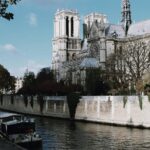
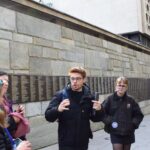

The Beckett Bookstore Stop: Survival in Plain Sight
One of the most memorable stops is a bookstore where Samuel Beckett found refuge from the Gestapo. Even if you know Beckett as a literary name, this turn of the story reminds you he was also a person trying to stay safe.
I like this stop because it brings a different flavor to the Occupation narrative. You still get danger, secrecy, and fear, but you also get a human-scale detail. It’s not only about resistance networks, it’s also about what people did to survive day to day.
This section can feel like a reset in emotional intensity, as long as you keep the respectful tone your guide sets. If you’re someone who appreciates literature and history meeting on real streets, you’ll likely enjoy this part a lot.
Vel d’Hiv Raid Reflection and the Mémorial Des Martyrs de la Déportation
The tour includes a reflection on the tragic roundup of Jewish families during the Vel d’Hiv raid. This is a heavy subject, and it deserves more than a quick mention, which is why it matters that the tour pairs it with a visit to the Mémorial des Martyrs de la Déportation.
This memorial visit is one of the most important stops because it anchors the story in remembrance. The tour does not let the information float away as abstract tragedy. Instead, it gives you a place to pause and connect what you’ve been learning to the real human cost, including those sent to concentration camps.
My advice here is simple: plan to slow down. Don’t rush your photos. Let the moment land. If you show up expecting a casual sightseeing vibe, this stop will feel like the opposite, and you’ll be better prepared for that truth from the start.
Paris’s Final Days of Occupation and the Return of Freedom
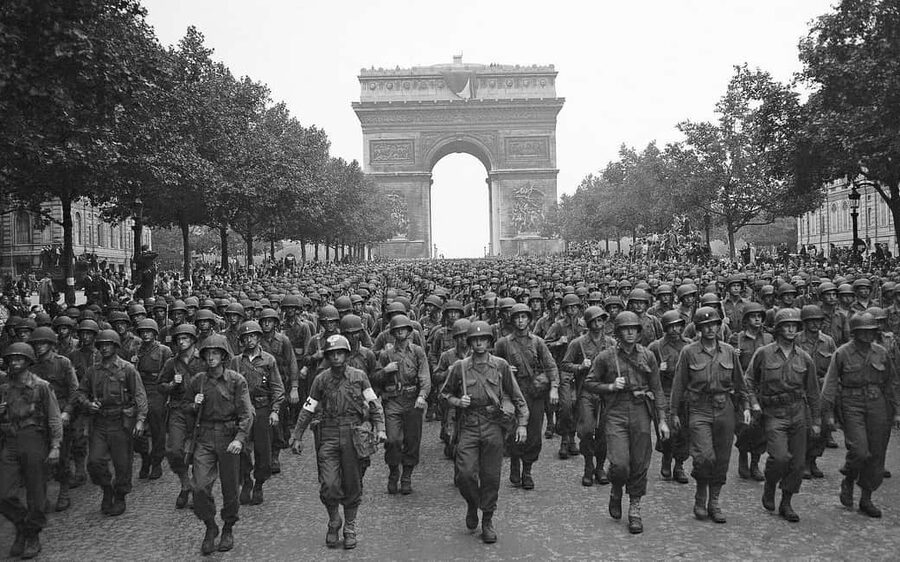
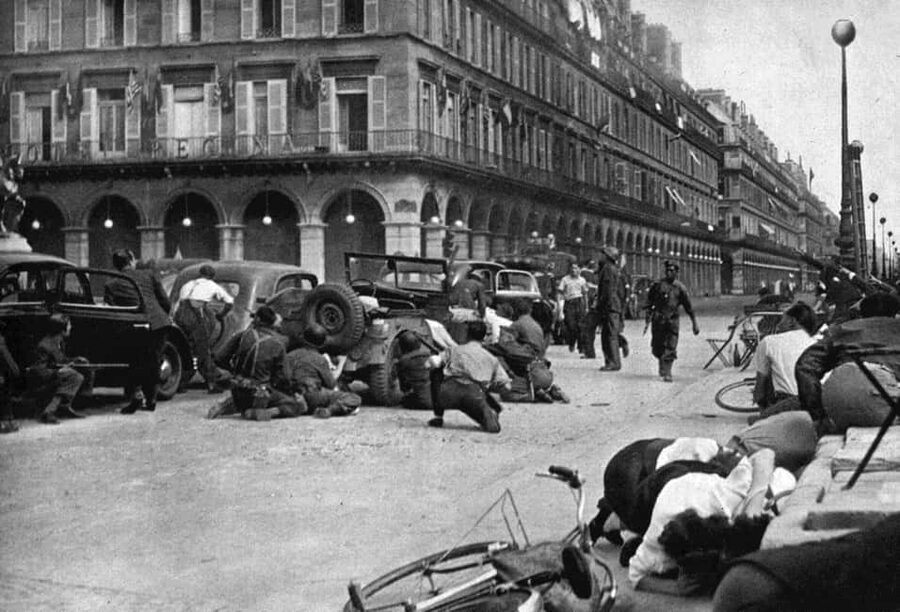
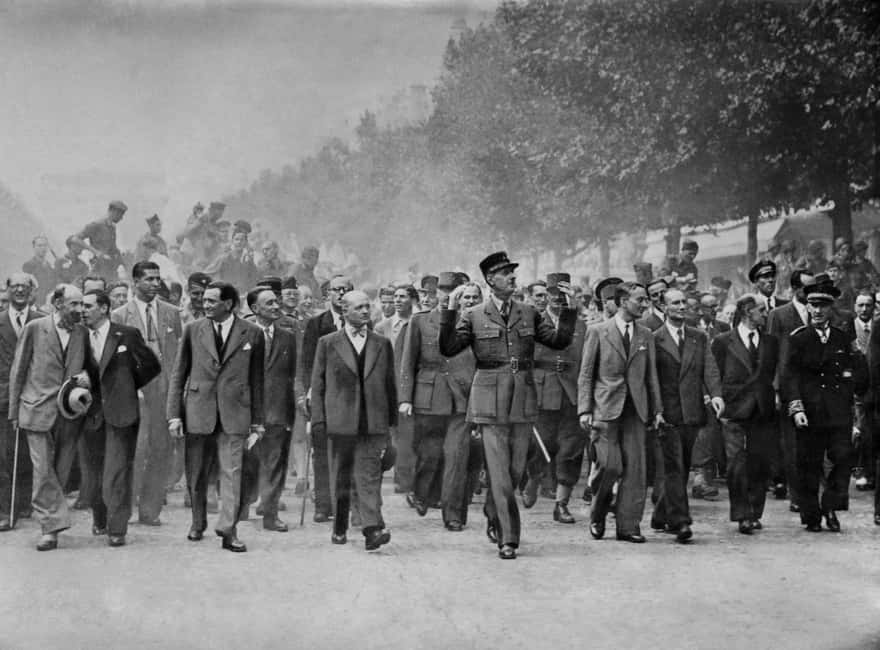
Near the end, the tour shifts toward the city’s final days of occupation, moving from tense Nazi control to celebrations of freedom. Then your guide adds how Paris handled the aftermath of war, including the complexities of collaboration and rebuilding.
That last part is valuable because it avoids a neat, clean ending. Liberation mattered, but the postwar reality was complicated. People had to live with what happened, and societies had to rebuild, which included moral and political messiness.
This section also helps you interpret everything you saw earlier. Resistance becomes clearer when you understand the endgame. The darker sites make more sense when you see what finally changed and what still didn’t.
Price and Value for a Private WWII Walking Tour
At $294 per person for a 3-hour private guided experience, this tour sits in a premium zone. You should buy it only if you value a guided street walk that connects specific people and specific sites, not a general overview.
Here’s what makes the price feel justified to me: you’re getting a dedicated guide for a private group, with multiple language options, and you’re covering high-impact stops tied to Resistance, memorialization, and wartime survival stories. The $294 isn’t paying for comfort, it’s paying for interpretation, pacing, and a guide who can link the dots while you’re actually standing where events mattered.
That said, balance matters. One review flagged that the tour felt pricey for the quality, and another noted a more neutral guide tone, with the tour ending earlier than expected. Since the tour is private, the guide experience can vary in feel from person to person, so if you strongly prefer lively storytelling, it might be worth checking that you’re a match for a steadier style.
If you’re history-minded and want the “see it, then understand it” effect, this is one of the better uses of your time in Paris for WWII context.
Who This Tour Fits Best (And Who Might Skip It)
This tour fits best if you want a focused walk through specific wartime sites, and you like learning that points to real streets and real names. You’ll likely enjoy it if you’re interested in the Resistance story through figures like Jean Moulin, plus the darker remembrance work tied to the Vel d’Hiv raid.
It also works well for travelers who want a managed pace. A review praised the amount of walking as the right fit, with enough time to absorb the sights without feeling like you got dragged at marathon speed.
I’d consider skipping if you mainly want light, casual sightseeing. This experience includes solemn memorial space and tragic events, so it’s better viewed as a serious historical outing. Also, bring your patience for weather and sidewalks, because significant walking is part of the deal.
Should You Book This Private Paris WWII Tour?
Yes, if your goal is street-level WWII understanding in a tight 3-hour window. You’ll see a well-chosen set of stops that connect Resistance operations, Jean Moulin’s unifying role, the Gestapo-era fear behind places like the Beckett bookstore, and the memory anchored at the Mémorial des Martyrs de la Déportation.
Book with confidence if you like practical history, not a lecture. Also book if you value the private guide setup, and if you’re comfortable with a steady walking pace and respectful memorial time.
If the price feels steep, treat that as your signal to decide what you want from the experience. If you want an exact, site-connected story in a small-group setting, it can be a smart use of money. If you mainly want general inspiration or flexible pacing, you might find better value elsewhere.
FAQ
Where do we meet for the tour?
You meet next to the Saint Michael Monument, and the guide will be holding a Mister Llama mascot.
How long is the Private Paris WWII History Tour?
The tour lasts 3 hours.
Is the tour private?
Yes. It is a private group experience.
What languages are available for the live guide?
The guide is available in English, Spanish, Russian, German, Korean, Chinese, Japanese, Italian, French.
What is included in the price?
The included part is a guided tour of Paris WWII sites.
Is hotel pickup and drop-off included?
No. Hotel pickup and drop-off are not included, but you may be able to start closer to your hotel if it’s conveniently located along the tour route.
Is the tour wheelchair accessible?
Yes, it is wheelchair accessible.
What should I wear or bring?
Wear comfortable shoes because the tour involves significant walking. Bring clothing suitable for the weather, since you’ll be outside.
Which WWII sites or themes are covered?
You’ll cover Resistance-related streets and underground publishing, Jean Moulin, the Jardin du Luxembourg wartime connections, Saint-Michel District riots in 1942, a bookstore linked to Samuel Beckett’s refuge from the Gestapo, and reflection tied to the Vel d’Hiv raid plus the Mémorial des Martyrs de la Déportation, followed by the final days of occupation and Liberation.
Can I cancel or pay later?
You can cancel up to 24 hours in advance for a full refund. You can also reserve now and pay later.
More Private Tours in Paris


More Tours in Paris



More Tour Reviews in Paris




Not for you? Here's more nearby things to do in Paris we have reviewed









Paris City Tours, side by side.
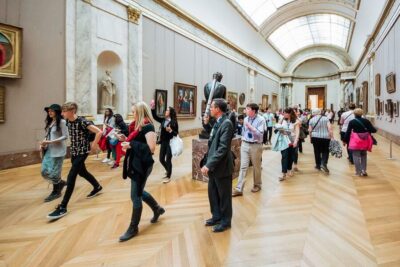 ★ 4.6Louvre Museum Timed-Entrance TicketTickets from $2671,977 guest reviews
 ★ 4.6Disneyland® Paris 1-Day TicketTickets from $6149,412 guest reviews
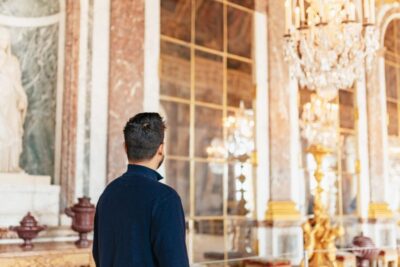 ★ 4.6Versailles Palace and Gardens Full Access TicketTickets from $1741,579 guest reviews
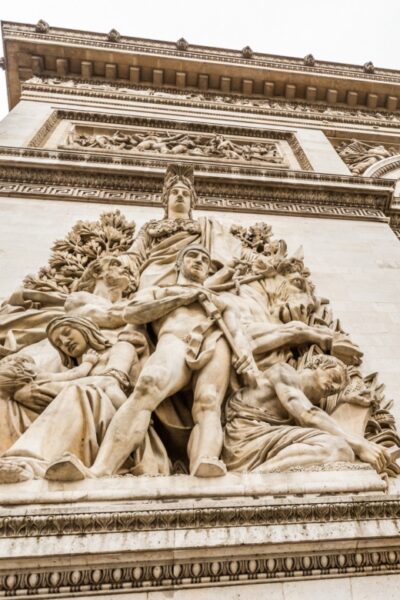 ★ 4.6Arc de Triomphe Rooftop TicketsTickets from $1834,264 guest reviews
 ★ 4.7Orsay Museum Entry TicketTickets from $1525,647 guest reviews
 ★ 4.4Evening River Cruise with MusicTickets from $2722,721 guest reviews
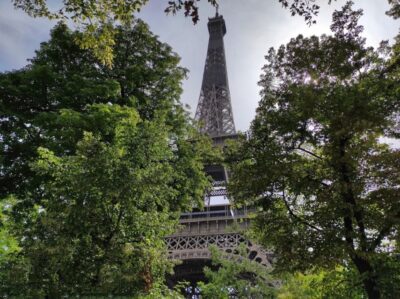 ★ 4.4Eiffel Tower Entry Ticket with Optional Summit AccessTickets from $2920,035 guest reviews
 ★ 4.3Eiffel Tower Summit or Second Floor AccessTickets from $5917,248 guest reviews
This tour also belongs to