
Review · LE MARAIS TOURS
Explore the Marais: Culture, History & Hidden Gems of Paris
Paris history walks right beside you.
This 2-hour Le Marais walking tour is a smart way to connect the neighborhood’s medieval bones to the LGBTQIA+ community that shaped its modern identity. I especially like the stop-by-stop rhythm, you get church architecture, everyday street life, and landmark squares without feeling rushed. I also like that the tour keeps the group small, max 12 people, so you can actually ask questions (and not just hear a stream of facts). One thing to keep in mind: it is about 2 km of walking, so comfy shoes matter, and you will want an umbrella if the weather turns.
Key things I like about this tour
- Small group feel (max 12), plus private option if you want a custom pace
- Landmarks plus side streets, including Hôtel de Ville, Saint Gervais, Rue des Rosiers
- LGBTQIA+ and Jewish Quarter history, explained in a way that fits the streets you’re standing on
- Merveilleux pastry stop, a classic Paris treat you can taste along the way
- One guided walk, multiple Paris neighborhoods in sequence, from Pompidou area to Place des Vosges and Place de la Bastille
Why the Marais Works So Well on Foot
If you only have a day (or a first afternoon) in Paris, the Marais is a strong move. It packs layers of culture into a walkable area: old stone, big-city fashion energy, religious history, and community storytelling all within a few blocks.
What I appreciate about this tour is that it uses walking as the organizing tool. You’re not just ticking off famous sites. You’re learning why this neighborhood became a meeting place, how different communities shaped it, and how you can still spot those stories in the street layout today. That matters, because Paris can look like one long museum from the sidewalk. A good guide makes it readable.
Also, the tour is built for real life. You’re given a pastry stop, plus guidance that helps you keep exploring after you finish. And it’s child-friendly, which tells me the pacing and structure are meant to work for mixed groups, not just hardcore history fans.
Meeting Near Pompidou, Then Sliding Into Le Marais
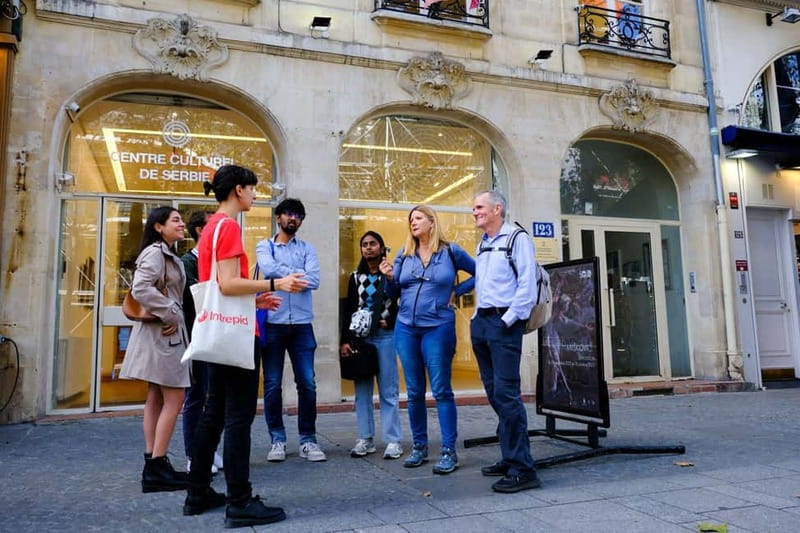
You start by the Pompidou area, opposite the Centre Culturel de Serbie, with your guide holding a sign. That location is practical. It’s central, easy to reach, and it sets you up for a smooth transition from a modern landmark zone into the older streets of Le Marais.
In the first stretch, you get a guided introduction before you fully enter the Marais world. Expect a quick orientation moment, then the walk really begins to feel like Paris. The guide will point out details along the way, including street art and the kind of visual culture that makes Le Marais feel current while still grounded in history.
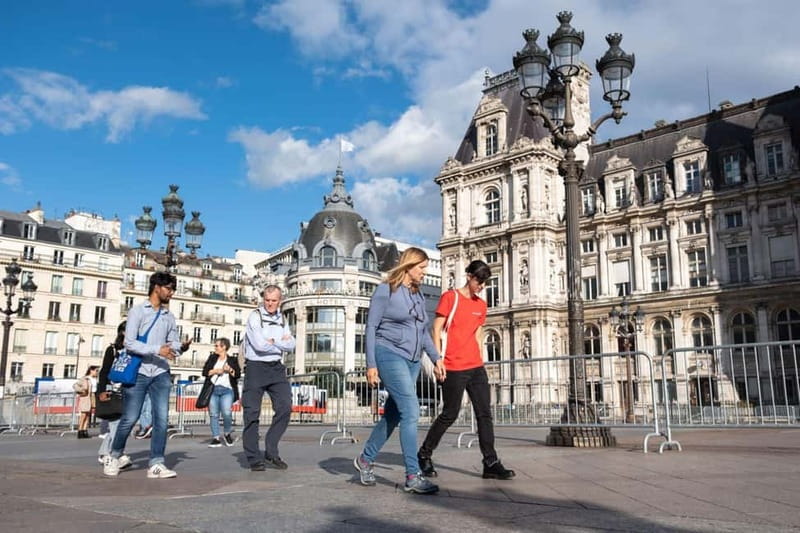
Then the route flows toward Hôtel de Ville, one of those squares where Paris feels unmistakably Paris. This is where the tour starts connecting “what you see” with “what happened here.” You’ll also pass the Stravinsky Fountain, a funky, colorful stop that works as a tonal shift. One moment you’re in modern public art mode, the next you’re heading into deeper stories.
Why this start is valuable: you’re learning the neighborhood’s map in motion. By the time you reach the older quarters, you’re already oriented, so the rest feels less like wandering and more like navigating with purpose.
You can also read our reviews of more historical tours in Paris



Hôtel de Ville to Saint-Gervais Church, History That Shows in Stone
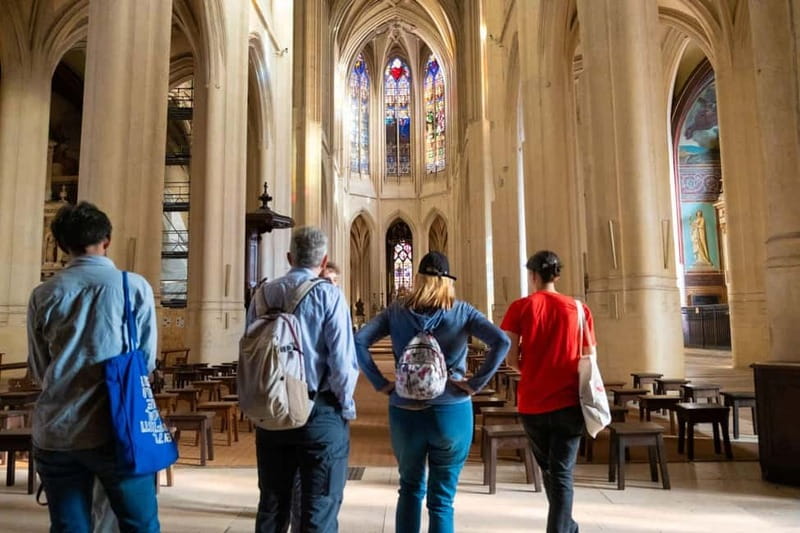
After Hôtel de Ville, the tour leans hard into architecture and the shapes of medieval Paris. The highlight here is the visit to Saint Gervais church, including the legacy behind it. Even if you’re not a church person, you’ll likely appreciate how the guide ties the building to the neighborhood’s timeline.
Saint Gervais is the kind of place where your eyes need help. From outside, it can look like another church in a city full of churches. With a guide explaining what makes it special, it turns into a real anchor point. You start to notice what different eras left behind, and why the area grew the way it did.
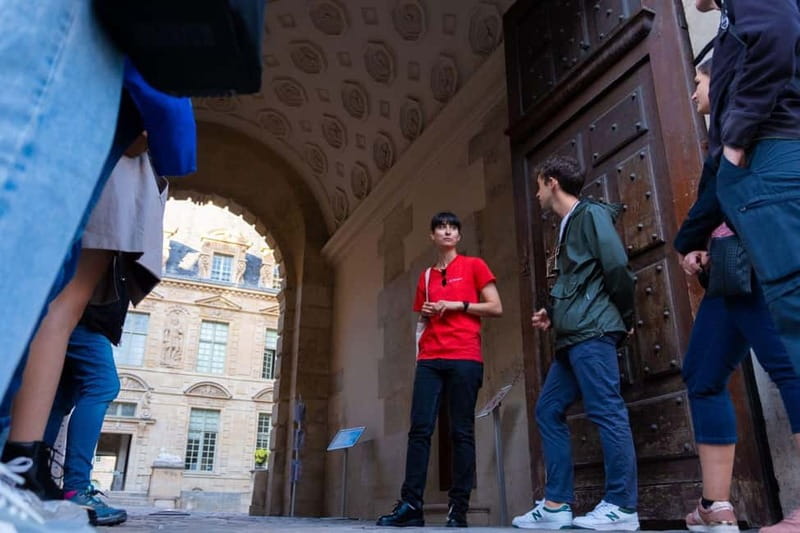
You’ll also move through lesser-known medieval streets with quirky details like corbelled houses. These are those angled, characterful façades that make you look up without meaning to. The guide’s job here is to slow you down at the exact moments you’d otherwise walk past. That’s a big part of the tour’s value. You don’t just see architecture, you learn how to read it.
A possible consideration: because you’re walking and stopping frequently, you’ll want to keep your phone charged and your pace steady. If you’re the type who needs long photo sessions at every corner, tell yourself there will be a later window for pictures around the squares.
Le Marais and LGBTQIA+ Identity, Explained in Real Places
One of the tour’s core themes is how the LGBTQIA+ community has shaped the Marais’ identity. Instead of giving you a disconnected lecture, the guide points out how the neighborhood’s character shows up in everyday spaces.
This part works best if you’re open to nuance. Le Marais is not just a single story or a single era. It’s a layered place where communities overlap, traditions continue, and different generations leave their mark. When you walk through the streets with that framing, you start connecting signs, meeting spots, and local culture to the bigger picture.
What I like about this approach is that it makes the theme feel grounded. You’re not searching for “historic markers” that might not be obvious on the ground. You’re seeing the neighborhood as a living mix of people and history, right where you are standing.
If you want a tour that gives you context without killing the mood, this is a good match. It keeps things social, human, and specific to the streets you pass.
Rue des Rosiers and the Jewish Quarter on Your Feet

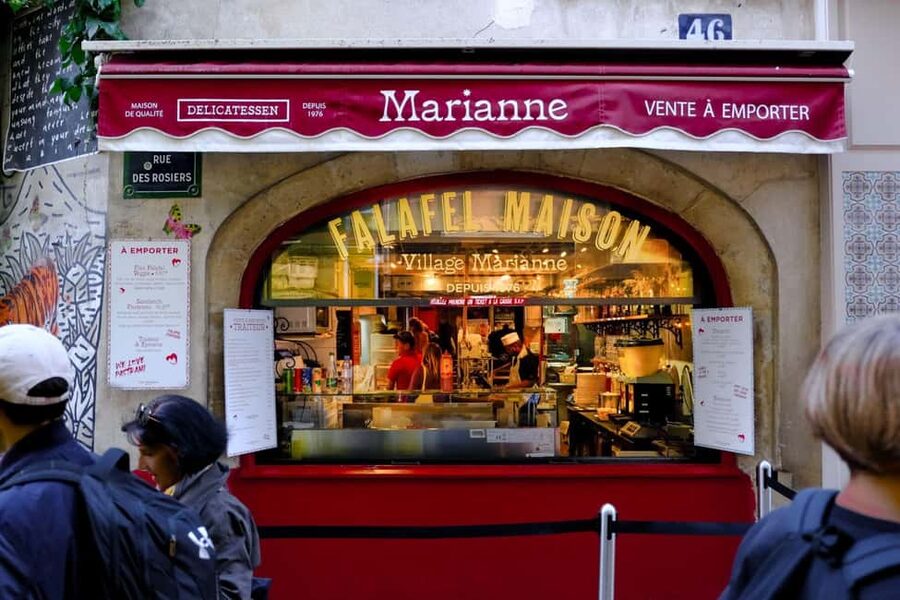
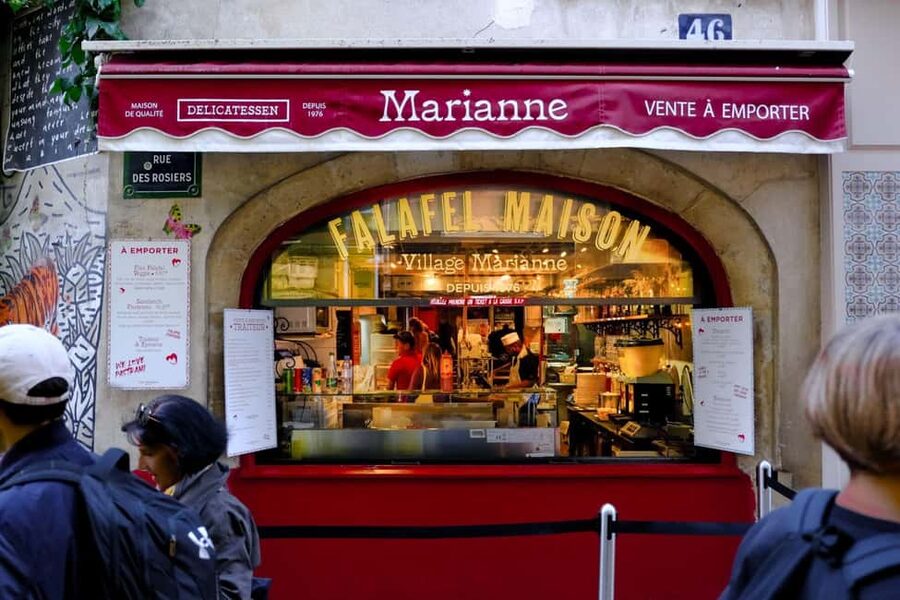
Then comes Rue des Rosiers, the heart of Paris’ Jewish Quarter. This stop is where culture becomes immediately visible, because the street is known for food and community life. The guide’s stories give you the background behind what you’re seeing, and that makes the experience feel less like sightseeing and more like understanding.
Rue des Rosiers is also a great example of how this tour balances topics. You’re learning history while still being in a place where life happens. You might notice how the street feels like a destination, and the guide helps connect that energy to the neighborhood’s story.
The tour also builds in a food moment here. You get to taste local pastries and you’ll likely be pointed toward the kinds of places where you’d want to return on your own. Even if you’re not doing a full food crawl, this stop sets you up with instincts for where to eat after the tour ends.
Vegetarian-friendly note: the tour is suitable for vegetarians, which helps if you want that authentic street-food experience without having to worry too much about menus mid-walk.
The Merveilleux Pastry Stop, Small but Meaningful
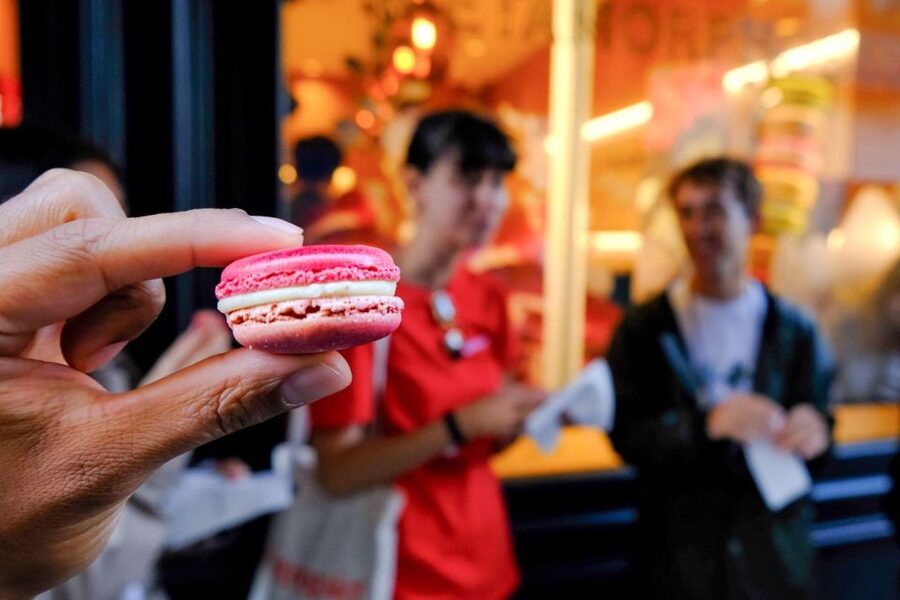
Midway through, you get a dessert stop: a merveilleux, the classic meringue-style treat that Paris does so well. It’s brief, but it’s not random. A pastry stop is one of the simplest ways to make a walking tour feel like a Paris tour, not a history lecture.
I like that it’s included. Food is often the first thing that gets dropped from “budget” walking tours, or it turns into a pressure to buy extra. Here, you get a defined taste moment as part of the experience, and you still keep your freedom to explore on your own afterward.
Also, desserts are a useful break point. After church stone and medieval lanes, your brain gets a breather. You reset, refocus, and continue with the rest of the route with less fatigue.
One thing to watch: the tour is not described as lactose free, gluten free, or vegan. If you’re dealing with dietary restrictions beyond vegetarian needs, you’ll want to plan accordingly.






Place des Vosges, Victor Hugo, and the Right Place to Pause

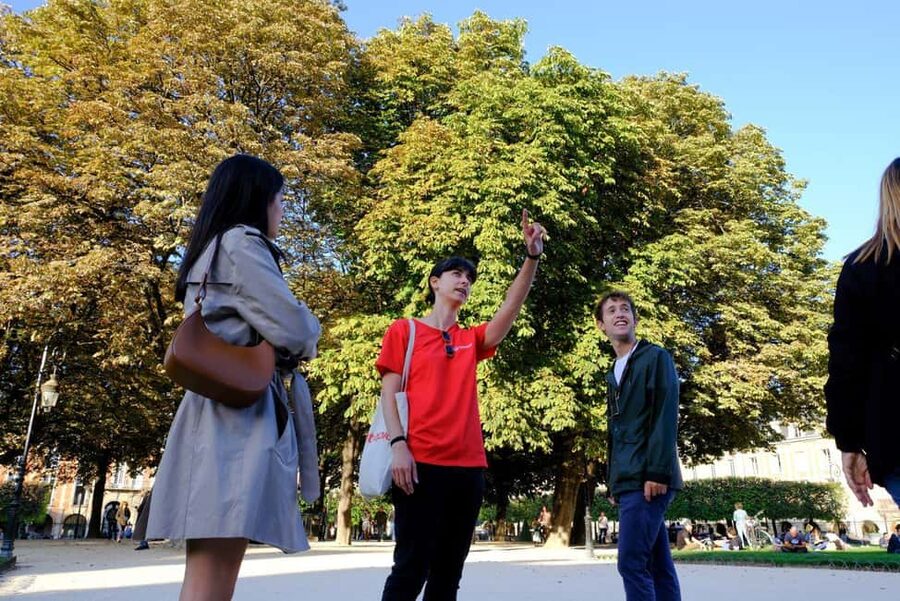
Your walk ends with big-square Paris energy. Place des Vosges is where the tour gives you a calm, photogenic payoff. It’s connected to Victor Hugo, and this is one of those squares where you can actually sit in your mind for a second and let the neighborhood’s stories settle.
From a practical standpoint, placing this stop near the end is smart. You finish with a location that’s easy to navigate from. You can take your time looking around, grabbing a coffee, or planning your next stop without needing to track complicated routes.
This is also a good square for people who like architectural symmetry and human-scale design. If you’re a first-time visitor, it gives you an immediate sense of why this part of Paris became such a magnet.
Place de la Bastille: Revolution Roots and a Night-Out Anchor
Finally, the tour connects you to Place de la Bastille, tied to the French Revolution. Even if you only get 30 minutes here, it’s a great capstone because it broadens the story beyond the Marais itself. You see how national history lands in specific streets and squares.
The tour frames this as a useful ending point, because the area is set up for post-walk plans. If you want a drink or a bite after your guided time, this is where you can do it without guessing too much.
This part works especially well if you’re walking the Marais earlier and you want a natural bridge into the next part of your day. You’re not stuck inside one micro-neighborhood bubble. You get a clearer sense of how Paris pieces connect.
Price and Pace: Real Value for a First-Time Marais Day
At $56 per person for about 2 hours and roughly 2 km of walking, this tour sits in the “high-value guide time” category. You’re paying for human context, a pastry included, and a tight route that hits several themes without making you over-plan.
Here’s the value math I’d use:
- You get a local English-speaking guide.
- You get a pastry stop (not just water and vibes).
- The group is small, max 12, so questions and attention are more likely to land.
- You get a structured path through multiple cultural identities in one walk.
Pace wise, it’s built for steady movement with frequent stops. It’s not a slow stroll that turns into napping. It’s also not a sprint. You should be able to keep up if you have average walking ability and you wear comfortable shoes.
Price check reality: if you were to DIY, you could absolutely walk from the Pompidou area through the Marais and hit major landmarks. But you’d lose a big part of the point, the guided connections between places and community history. For many first-timers, that guide-led context is what makes the tour worth paying for.
What This Tour Does Best, and Where It Might Not Fit
This Marais tour is best for you if you want:
- Context fast on your first day in Le Marais
- A walk that links Jewish Quarter sites and LGBTQIA+ identity to real places
- A route that includes landmark moments and small street-level details
- A small-group experience with room to ask questions
It might not fit as well if:
- You need fully detailed food stops beyond a single pastry, because drinks and additional food are not included.
- You have strict dietary needs like gluten free or vegan, since it’s only stated as suitable for vegetarians.
- You want long stays in churches and squares, because this is designed as a 2-hour route with multiple segments.
On the plus side, I like that it’s child-friendly. That usually means a guide keeps the pacing accessible and the storytelling clear.
Guides, Pacing, and the Difference a Good Walk Leader Makes
A big theme in the feedback around this kind of Marais tour is that the guide matters. When the guide is sharp, you get story, direction, and good stops you’d miss on your own.
You might get a guide like Maxi, Cecelia, Camila, Paloma, Laure, Linda, Mitch, or Adele, names that show up with consistently positive comments about history, pacing, and making the neighborhood feel alive. Even if you don’t get one of those specific guides, the underlying pattern is worth noting: these walks tend to work well when the guide doesn’t just recite dates. They point out street art, explain how the neighborhood changed over time, and share practical suggestions for what to eat, shop, or do next.
That practical local flavor is what turns a walking tour from something you watch into something you use.
Should You Book This Marais Walking Tour?
If you want a structured way to understand the Marais without turning it into a school field trip, I’d book it. The mix of Saint Gervais, Rue des Rosiers, Hôtel de Ville, and the key squares gives you a strong sweep of Paris in a short time.
Book it especially if:
- This is your first visit and you want a clean orientation path.
- You care about how communities shaped the neighborhood, not just buildings and dates.
- You like food as a guide-supported break point, not a separate tour.
Skip or consider a different option if:
- You need multiple meal tastings or specific dietary accommodation beyond vegetarian needs.
- You want a longer, slower day focused on fewer stops.
For most visitors, though, this is the kind of 2-hour tour that helps you hit the ground running, then explore the rest of Paris with more confidence.
More Historical Tours in Paris



More Tour Reviews in Paris



Not for you? Here's more nearby things to do in Paris we have reviewed












Le Marais Tours, side by side.
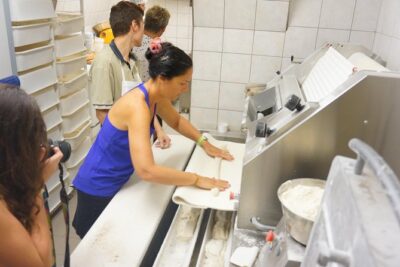 ★ 4.5Award-Winning Paris French Bakery Experience — Le Marais, 4th ArrTickets from $1141,186 guest reviews
 ★ 5.0Paris Le Marais Food Tour With 10+ Tastings, Cheese, Wine & MoreTickets from $102985 guest reviews
 ★ 4.5Paris Le Marais District Original Food and Wine Tasting TourTickets from $157880 guest reviews
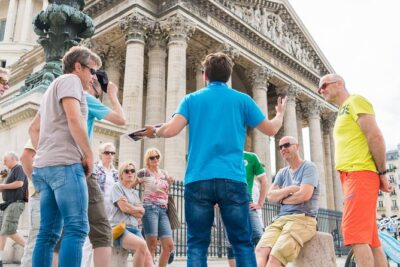 ★ 5.0Paris Bike Tour Hidden Secrets in the Latin Quarter & Le Marais neighborhoodsTickets from $54766 guest reviews
 ★ 4.9Food and Wine Tasting Walking Tour in Le MaraisTickets from $113446 guest reviews
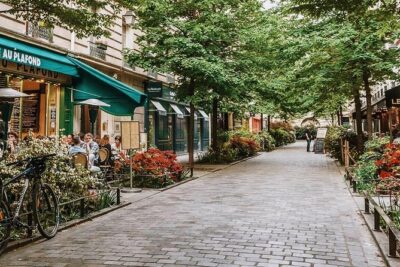 ★ 5.0Le Marais District & Jewish Quarter Guided Walking Tour 12ppl MaxTickets from $59361 guest reviews
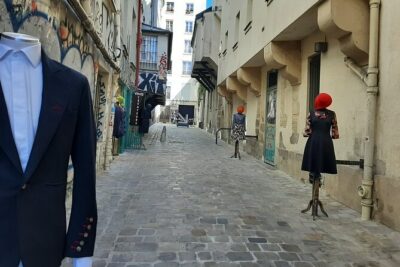 ★ 5.0Le Marais/Paris – The Historic, Trendy, Jewish, LGBT districtTickets from $48341 guest reviews
 ★ 5.0Paris Le Marais Food & Wine Tour with Eating EuropeTickets from $163297 guest reviews
This tour also belongs to