
Review · LE MARAIS TOURS
Paris: Marais without crowds. Guided Tour in a small group
Paris gets intimate in the Marais. This small-group, English guided walk uses real local streets and big-name landmarks to explain why Le Marais still feels like a Parisian magnet. I like that the guide keeps you moving, even rain or shine, so you get stories without turning it into a museum shuffle.
I also love the way the route connects architecture, street life, and people-watching, from Place des Vosges to the Jewish Pletzl area. The one drawback: you do not go inside all the sights, so if you want interiors and guided interior time, you may need a separate visit afterward.
Key highlights worth your time
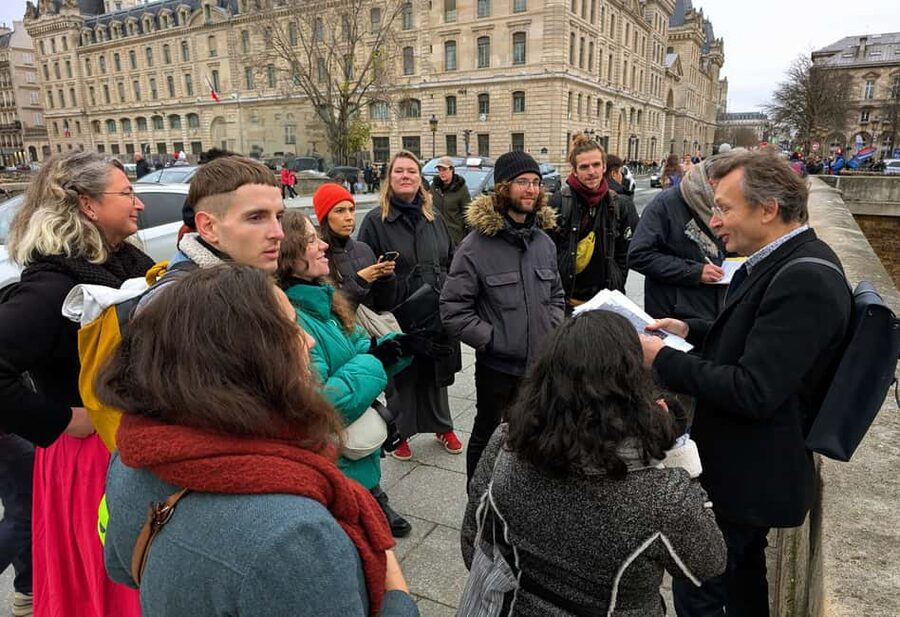
- Pink-vest guide, on-time start: easy to spot, and the walk begins right when it should.
- Small-group pace: you get time to ask questions instead of listening from the back of a crowd.
- Medieval to modern in 1.5 hours: the story runs in a time order, not random stopovers.
- Place des Vosges plus Victor Hugo’s orbit: you see the square that shaped so much of the Marais image.
- Rue des Rosiers and the Pletzl: Jewish Paris, including Ashkenazi and Sephardic cultures and WWII memory.
- Local vibe and people-watching: you learn how the Marais crowd looks and why it attracts certain kinds of visitors.
Why Le Marais Still Feels Like a Parisian Dream
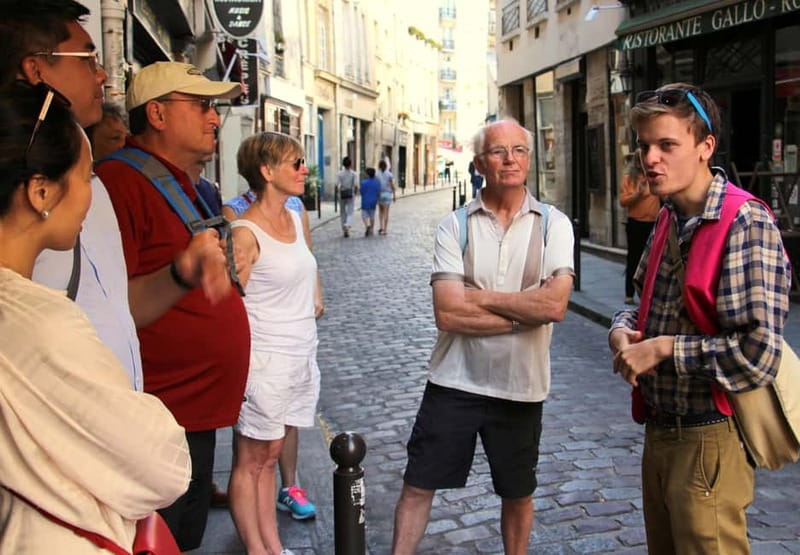
Le Marais is the kind of neighborhood Paris talks about like it is a lifestyle. On this walk, you are not just looking at pretty buildings, you are learning why the area is famous for so many layers at once.
You’ll get a strong sense of the Marais rhythm: aristocratic mansions and old stones, trendy galleries and café corners, plus a deep seam of Jewish culture and wartime history. And you will also notice the modern social scene, including how the LGBT culture in the Marais took shape in the early 1980s.
You can also read our reviews of more guided tours in Paris



Price and Time, and What You Really Get for $17
$17 for a 1.5-hour guided walk is not just “cheap for Paris.” It is also good value because you are buying context. Standing in Place des Vosges or outside landmark hôtels, you can take in beauty on your own, but a good guide helps you read what you’re seeing: who lived where, what changed, and what survived.
This is a walking tour, so you trade long stops for a clear overview. That works well if you want orientation fast, especially if your time in Paris is tight. The main trade-off is that you do not go inside every building, so you should treat this as a street-level history lesson, not an all-access architecture tour.
Meeting at Saint-Paul: Getting Started Without Stress
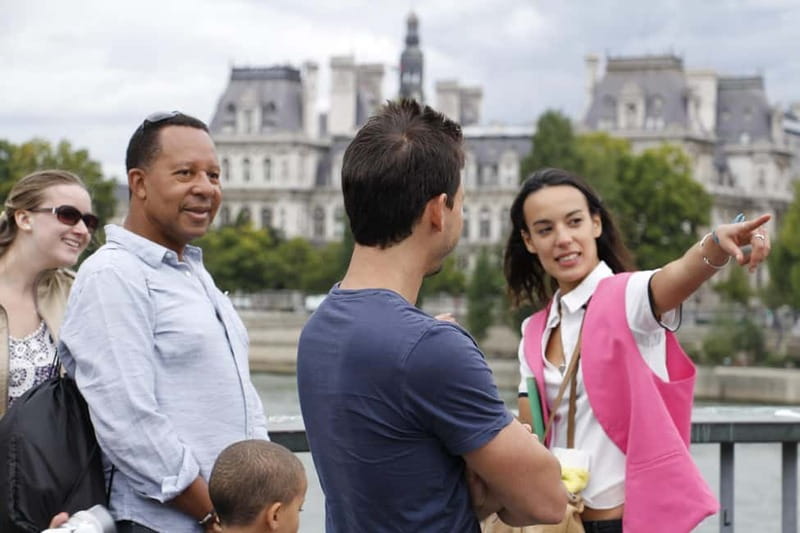
The tour meets at 10 Rue des Nonnains d’Hyères, and the closest metro station is Saint-Paul. Your guide wears a pink vest and starts right on time, which is great if you hate waiting around in the street.
If you miss the start, there is a backup meeting point at 1 Rue du Figuier. That matters because Marais streets can feel like they fold into themselves, so having a Plan B keeps a small mistake from turning your morning or afternoon into a scavenger hunt.
Stop-by-Stop: From Rue des Nonnains d’Hyères to Le Village Saint-Paul
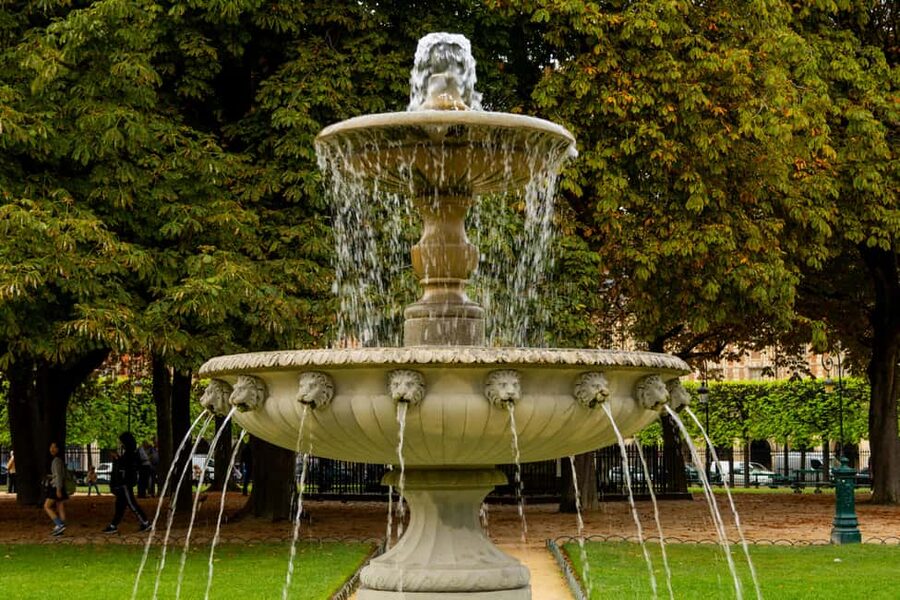
You kick off near Saint-Paul, in an area that already feels like the Marais has a personality of its own. Early on, the guide sets the tone with the basics: where this neighborhood sits in the story of Paris, and how different eras left visible marks on the streets.
From there, the route moves to 1 Rue du Figuier for a short sightseeing break. You use that moment to get bearings, then continue toward Le Village Saint-Paul. This part of the walk is about atmosphere as much as landmarks. Think of it as the Marais warming up: you spot the narrow passages, the “this looks like it should be in an old film” corners, and the way the neighborhood shifts from residential calm to destination energy.
A practical tip: wear comfortable shoes. The Marais is walkable, but the ground can be uneven, and 1.5 hours flies by when you’re looking up at façades and not watching your step.
Place des Vosges: The Square That Explains So Much
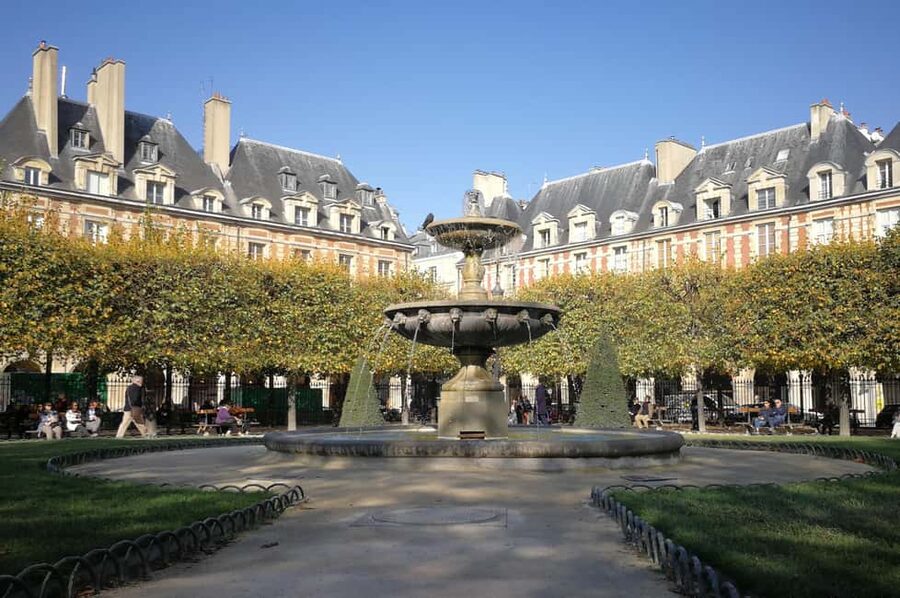
Place des Vosges is the kind of stop that makes even first-timers understand why the Marais is famous. It is structured, formal, and instantly recognizable, but it also acts like a stage where Paris’s changes show up over time.
During the tour stop at Place des Vosges, you’ll connect the setting to big historical themes and to Victor Hugo’s house. Hugo’s name belongs in this neighborhood for good reason, because the square is part of how the Marais developed its grand, aristocratic reputation before later waves of culture and commerce reshaped the area.
Here’s what I think you’ll appreciate most: you can feel the contrast. The square looks “official,” but the neighborhood around it still has those tighter, older pockets where people actually live and wander. Your guide helps you see that difference instead of treating Place des Vosges as a single photo spot.





Hôtel de Sully: When You Notice Details, the City Starts Talking
After the square, you move toward Hôtel de Sully. Stops like this teach a useful trick for self-guided exploring: you start looking at hôtels and mansions the way a local might, noticing symmetry, scale, and how power announces itself in stone.
Even without going inside, you can learn what to look for, and that’s the real payoff of having a guide. Hôtel de Sully helps anchor the aristocratic side of the Marais story, especially in the context of how lifestyles and politics shifted over centuries.
If your attention tends to drift during long walks, this segment usually fixes that. Architectural details give you something concrete to focus on, and your guide’s pacing keeps the information from piling up.
Rue des Rosiers to the Pletzl: Jewish Paris and WWII Memory
This is one of the tour’s most important stretches. Rue des Rosiers brings you into the heart of Jewish Paris, where food culture, community history, and modern life overlap.
Then comes the Pletzl stop, with extra time set aside. This is where the guide connects multiple threads: Jewish communities in the Marais, including both Ashkenazi and Sephardic cultures, and the brutal reality of Nazi persecutions during WWII. You’re not asked to memorize dates. Instead, you are given a human-scale story for what happened and how the neighborhood carried those memories forward.
One detail I found especially meaningful from the experience pattern: some guides use creative storytelling tools, including a moment where a guide named Liza has been reported to sing as part of the WWII remembrance. Even if your guide handles it differently, you can expect the tone to shift from sightseeing to reflection.
Also, this segment helps you avoid a common tourist trap. It is easy to treat the Marais as only aesthetic, like a backdrop for photos. Here, the guide makes it clear that this neighborhood’s identity is not just about fashion or cafés. It is also about survival, culture, and continuity.
Hôtel de Sens and Hôtel de Ville: Bringing the Story to Modern Paris
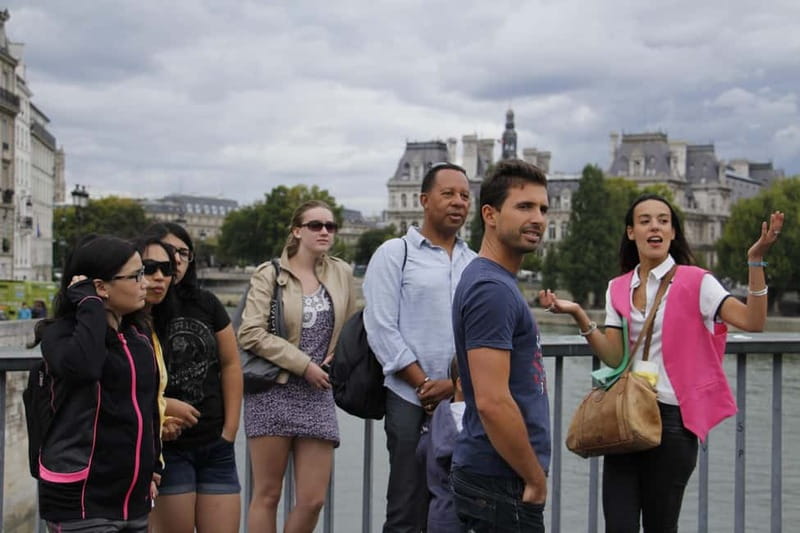
Near the end, you stop at Hôtel de Sens for a shorter sightseeing moment, then finish at Hôtel de Ville. These final points work like a “wrap-up lens,” helping you connect how the Marais fits into the broader city.
Hôtel de Sens adds another layer of architectural perspective, reinforcing that the neighborhood’s grandeur was not random. It developed over time, tied to status, wealth, and politics, and the stonework keeps that story readable.
Finishing at Hôtel de Ville also makes practical sense. It helps you get your bearings back in central Paris, so after the tour you can choose your next move without feeling stuck in the tightest pocket of the Marais.
What to Do Right After the Walk (So You Don’t Lose the Thread)
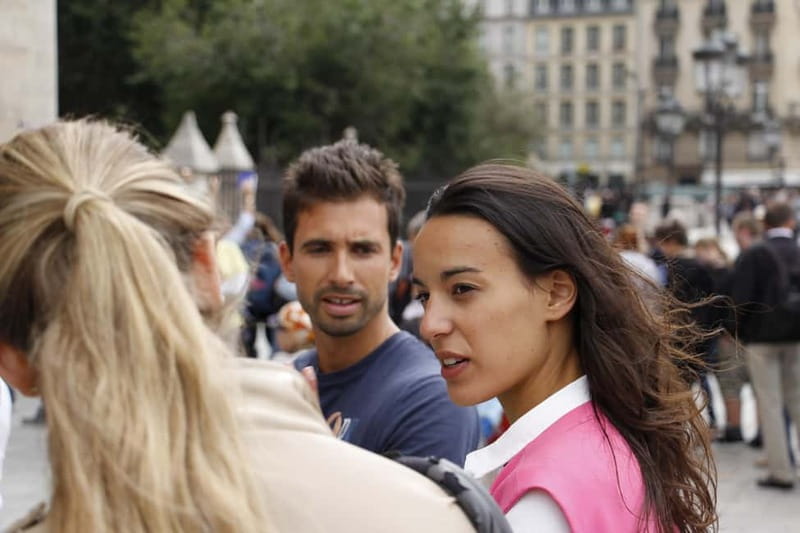
When the tour ends, you will have a clearer mental map of the Marais, and that makes it easier to explore with purpose.
Here are smart follow-ups that match what you learned:
- Go back to Place des Vosges for one more slow look, especially if you want to find Victor Hugo references you might miss at speed.
- Take a quick detour around Rue des Rosiers and consider trying something local on your own. The area is tied to iconic falafel culture, and your guide’s stops help you understand why people treat it like a must.
- If you enjoy galleries, this is a good time to browse with better questions. Instead of asking what is worth seeing, you’ll start noticing why certain spaces fit the Marais vibe.
If you are planning museums or churches later in your day, keep your expectations realistic. This walk is a strong orientation. It’s not designed to replace deeper visits inside buildings.
Who This Tour Fits Best
This is a great match if you like history but hate lectures. The pacing is built for a walking format, and the guide structure helps you follow the neighborhood’s evolution without getting lost in trivia.
It also fits you if you enjoy social observation. Your guide discusses the Marais crowd in a practical way, including the mix of fashionable locals, the curious, and visitors who look like they wandered in without understanding the vibe. That kind of commentary turns the street into a live classroom.
And if you’re traveling with limited time, the 1.5-hour length gives you a lot of ground covered without burning half a day.
Should You Book This Marais Without Crowds?
Yes, if you want a fast, high-impact Marais orientation with a local story that includes WWII and Jewish Paris. For the price, $17, you are getting more than “sights.” You are getting the why behind the stone, plus a sense of how the Marais became both a social scene and a historical memory zone.
Skip it or add a different plan if you mainly want to go inside buildings or spend long periods in interiors. This tour keeps you outdoors and moving, so the value is in context and street-level understanding, not private access.
If you want Le Marais to make sense before you start roaming on your own, book it. You will leave with a neighborhood that feels easier to navigate, easier to interpret, and more personal than you expected.
FAQ
How long is the Marais small-group guided tour?
The tour runs for 1.5 hours.
Where do I meet the guide?
You meet at 10 Rue des Nonnains d’Hyères. The closest metro station is Saint-Paul.
What if I miss the start time?
If you miss the start, you may find the guide at 1 Rue du Figuier.
Is the tour in English?
Yes, the tour is guided in English.
Does the tour run in bad weather?
Yes, the walk runs rain or shine.
Will we go inside the landmarks and buildings?
In general, the tour does not go inside all buildings and landmarks, but it focuses on key sights and what you can see from the street.
Is the tour wheelchair accessible?
Yes, it is listed as wheelchair accessible.
What landmarks are included during the walk?
The highlighted stops include Place des Vosges, Victor Hugo’s house, Hôtel de Sully, Hôtel de Ville, plus the Jewish Paris area around the Pletzl and stops in the Rue des Rosiers area.
What is the cancellation and payment flexibility?
Cancellation is free up to 24 hours in advance for a full refund, and you can reserve now and pay later.
More Guided Tours in Paris



More Tours in Paris




More Tour Reviews in Paris



Not for you? Here's more nearby things to do in Paris we have reviewed












Le Marais Tours, side by side.
 ★ 4.5Award-Winning Paris French Bakery Experience — Le Marais, 4th ArrTickets from $1141,186 guest reviews
 ★ 5.0Paris Le Marais Food Tour With 10+ Tastings, Cheese, Wine & MoreTickets from $102985 guest reviews
 ★ 4.5Paris Le Marais District Original Food and Wine Tasting TourTickets from $157880 guest reviews
 ★ 5.0Paris Bike Tour Hidden Secrets in the Latin Quarter & Le Marais neighborhoodsTickets from $54766 guest reviews
 ★ 4.9Food and Wine Tasting Walking Tour in Le MaraisTickets from $113446 guest reviews
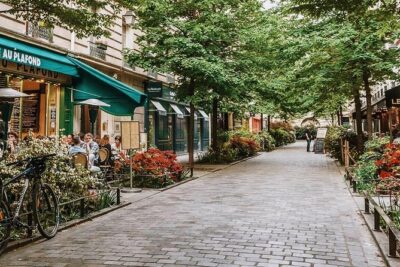 ★ 5.0Le Marais District & Jewish Quarter Guided Walking Tour 12ppl MaxTickets from $59361 guest reviews
 ★ 5.0Le Marais/Paris – The Historic, Trendy, Jewish, LGBT districtTickets from $48341 guest reviews
 ★ 5.0Paris Le Marais Food & Wine Tour with Eating EuropeTickets from $163297 guest reviews
This tour also belongs to