
Review · PARIS CITY TOURS
Photography workshop in Paris
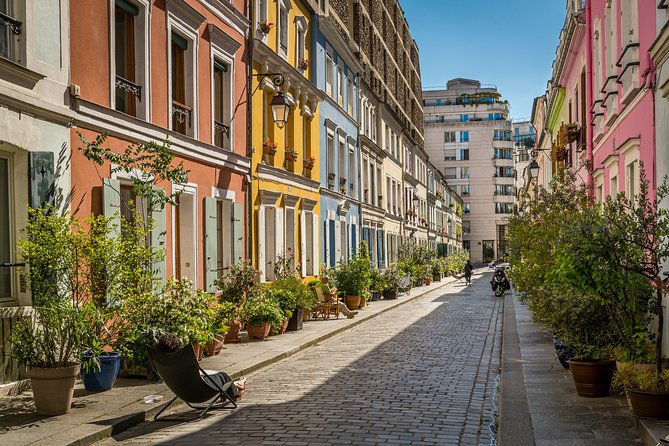
Paris changes when you stop guessing and start shooting. This private photo walking workshop in Paris focuses on technique and composition in the kind of locations you actually want to photograph. I love the small-group size of up to four, and I love that you can practice in both daylight and nighttime light so your images improve fast.
You’ll spend time with a professional photographer teacher plus a local guide, so the lessons stay practical instead of turning into generic sightseeing. The one thing to plan for is simple, this workshop does not include a camera, so you’ll need your own gear ready to go.
Key things to know before you book
- Up to four people means more attention as you adjust settings and try new angles
- Day-to-night practice helps you see how the same scenes change with light
- Pro photographer teacher plus local guide keeps learning tied to real Paris streets
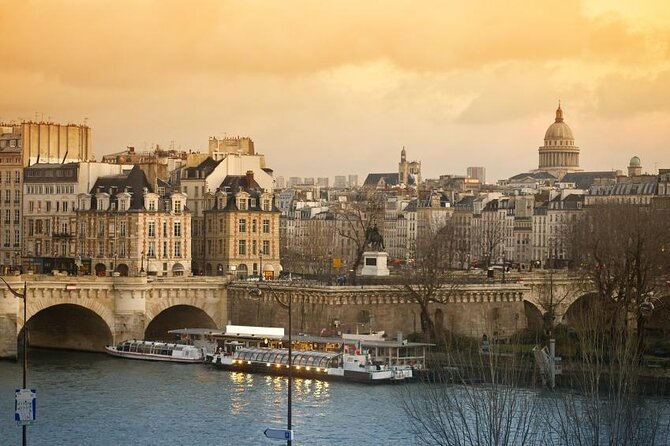
- Clear photo targets at each stop, from Seine areas to Montmartre alleys and canal footbridges
- All-weather operation means you dress for the conditions and keep shooting
- Multiple departure times lets you line up your route with the light you want
A small group photo workshop in Paris that actually teaches
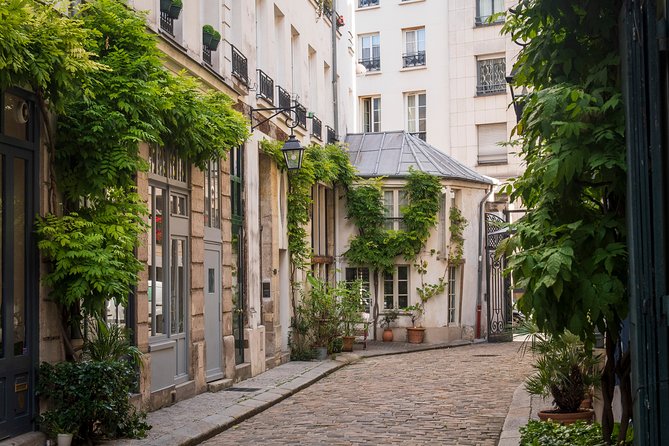
If you have ever taken photos in Paris, then later wondered why they look different on your screen than they did in your hands, this is the kind of workshop that helps. The format is built around a guided walking route with a pro photographer teacher working with you as you shoot. With a group capped at four, you are not competing for attention, and you are not stuck copying what someone else is doing.
I also like the way the tour is designed around real light. Paris at noon and Paris at midnight are not the same city. By working through both day and night settings, you learn faster how exposure, contrast, and shadows behave across time. And because the route mixes iconic areas with quieter neighborhood corners, you get a range of textures and perspectives, not just the postcard version.
You can also read our reviews of more photography tours in Paris

Price and what you get for $172
At $172, this can feel like a splurge until you match the price to what is included. You are paying for a private workshop structure, not a vague group lecture. Your package includes a professional photographer teacher and a local guide, which matters because Paris photography is more than camera basics, it is also about choosing the right spot at the right moment.
It also helps that you can choose from multiple departure times. That is useful because nighttime photography is its own thing, and you do not want to be stuck with the wrong schedule. If you are traveling as a small group, the tour also offers group discounts, which can make the cost feel more fair.
One practical reality: you need to show up with a camera. The workshop does not provide one, so if you are renting or borrowing, plan your gear before you book.
What happens during the 3 hours, or longer day-to-night sessions
The listing style can be confusing because you will see an approximate duration, but you can also join versions that focus on the evening. The core idea stays the same: a guided photography lesson that uses Paris locations as your classroom, with a schedule that supports both daytime and nighttime shooting.
Here is the mindset I recommend. Go in thinking like a student, not a tourist. You are there to test angles, practice composition, and learn light tactics, even when the scene is familiar. If you are trying to photograph the city like a beginner first, then like someone more intentional later, this format works.
And if you do an evening-heavy session, you will want to expect the pace to stay active. One guide, William, has been praised for helping keep the group moving, even suggesting a quick deli stop for sandwiches during a longer run from 5pm to midnight. It is a small detail, but it shows the workshop is planned around staying out and shooting, not just meeting and posing.
Getting your camera off autopilot, with patient guidance
The most praised part of this workshop is the way the teaching meets you where you are. If you are new, you are not left alone to figure things out while everyone else looks confident. Guides like Clara and Julia have been specifically mentioned as friendly, patient, and encouraging, especially for beginners who want to stop using auto and start making choices.
You can expect technique and composition coaching tied to what you are photographing right now. That means you get prompts for framing, angles, and how to respond when the light shifts. The goal is not just one perfect photo, it is building a set of habits you can use across your whole trip.
If you are already comfortable with your camera, you still benefit because you get forced practice. You will try different viewpoints and learn how to make the same landmark feel new through perspective and timing. That is how you start building a style instead of collecting random shots.
Stop 1: Bastille and a different Paris behind the main square
Your route begins in the 12th arrondissement near Place de la Bastille, but the focus is not the obvious view. You head behind the square into a Paris that feels calmer and more local. This area is tied to workshops and trade heritage, and the clues are still visible in the way the streets and interior courtyards are arranged.
Photographically, this stop is great for learning to look for structure. You will find tight, layered spaces that reward a careful composition. An old railway line turned into a park adds another useful ingredient: a built vantage point. Instead of always photographing at eye level, you can practice finding elevated angles that change the depth and scale of what you see.
There is also a nice neighborhood mix around the Arsenal and Marché d’Aligre. If you like street photography without the chaos, this is the kind of area where you can experiment with corners, textures, and softer storytelling shots.
Practical note: this stop includes lots of walkable surfaces and side streets. If your shoes are not comfortable for cobbles or uneven ground, you will feel it faster here than on a smooth boulevard.
More Paris tours and experiences for the shortlist





Stop 2: Montmartre’s wooden shutters, cobbles, and quiet stairs
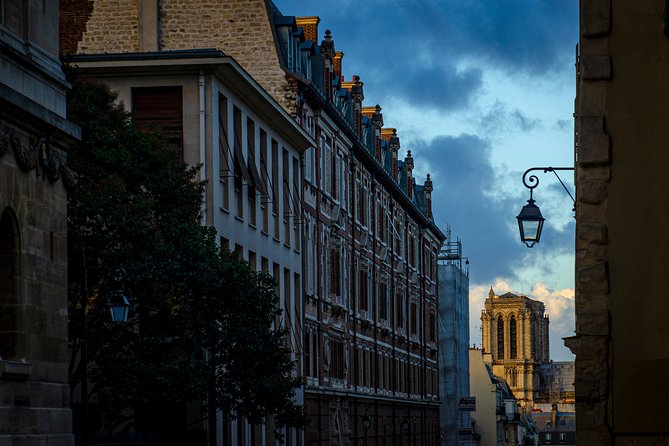
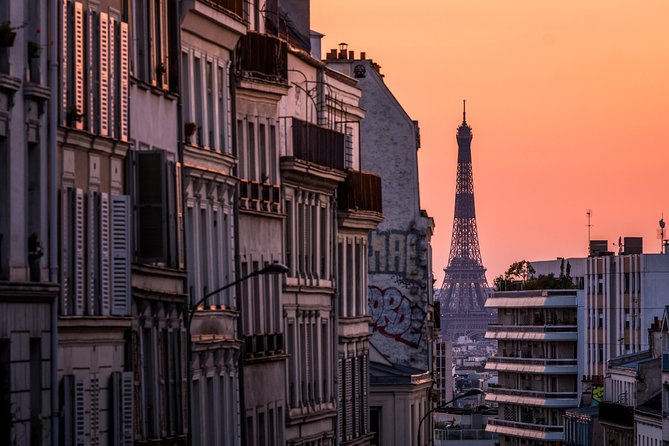
Montmartre is famous, but the workshop approach helps you go beyond the usual viewpoint routine. The area around the Butte-Montmartre balances iconic sightlines with small streets that are perfect for close framing. You focus on the old houses with wooden shutters, the winding alleys with cobbled streets, and the smaller details people often ignore.
One standout learning advantage here is the chance to practice working upward. The stop includes climbing a peaceful staircase, which is a gift for photographers because stairs naturally create a changing line of sight. You can test how composition feels at different heights, and you can make the neighborhood’s angles do the work for you.
There are also the quieter surprises that make Montmartre feel like a maze. The route highlights places like secret garden areas and even a cemetery hidden under a bridge. Those details are perfect for experimenting with “search photography,” meaning you do not wait for the postcard shot, you actively hunt for patterns and moods.
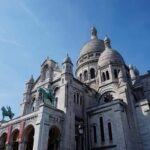
And yes, you still get the Sacré Cœur area as context. The key is how you use it, not just where you stand.
Stop 3: Canal Saint-Martin footbridges, trees, and photo timing
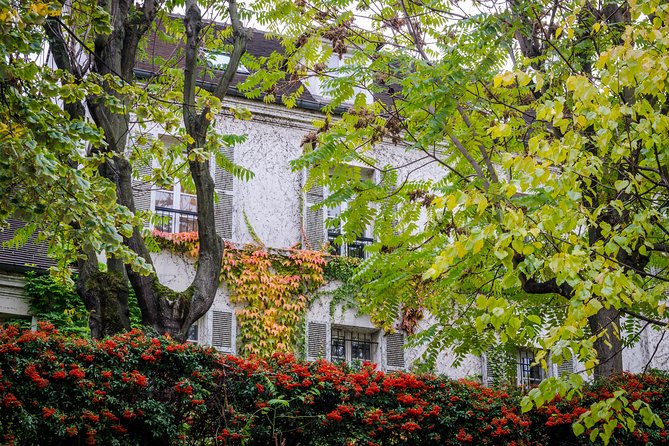
Canal Saint-Martin is where the workshop starts to feel very Parisian in a different way. Instead of major monuments, you get footbridges, tree-lined edges, and a waterfront scene that naturally creates reflections and layered depth.
The route described runs from Place de la République toward Buttes-Chaumont via the hills of Belleville. That matters because it gives you variety in both viewpoints and atmosphere. Along the canal, you get a classic photography setup: stable lines, repeating elements, and people enjoying the water. If you want practice photographing everyday life with a calm composition, this is a strong stop.
The workshop also leans into lens strategy. With a long lens, it may be possible to photograph Montmartre and the Eiffel Tower from the Quartier Haut area. Even if you are not using a long lens yourself, the concept is valuable. You are learning how location and distance change your framing choices, and that is useful everywhere in a city like Paris.
If you care about nighttime later, the canal is also a good transition because you understand the scene basics in daylight first. When the same edges and bridges become darker later, your brain will already know what to look for.
Stop 4: Quartier Latin, Luxembourg views, and hidden Roman bones
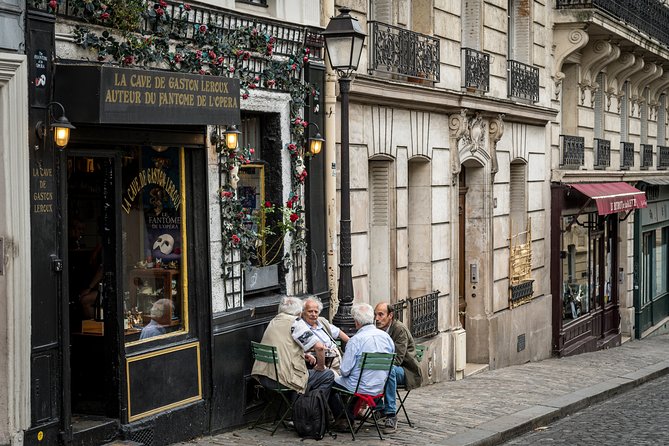
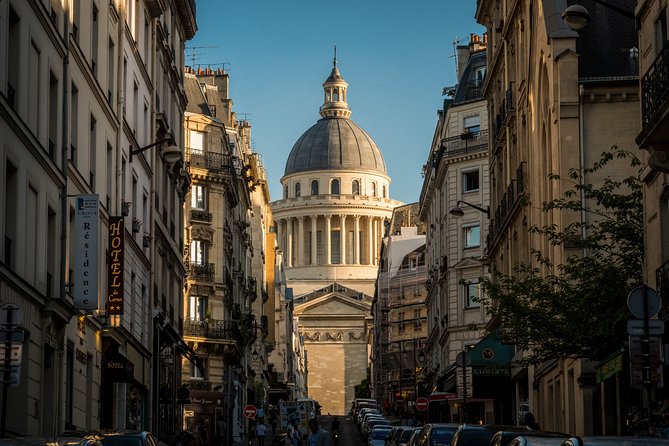
The Latin Quarter stop is a mix of famous scenery and tucked-away intersections. You get the Jardin du Luxembourg crowds and a strong view that includes the Pantheon. Then you move into smaller alleys where the scene changes quickly, which is exactly where good street photography starts.
What I like here is how the workshop balances “big view” with “small detail.” You can practice composing for crowds and then switch to tight framing for textures and corners. And you get a sense of Paris that is more about walking rhythm than landmark hunting.
There is also a historical architecture contrast that photographers enjoy: the Arènes de Lutèce sits close to the modern architecture of the Institut du Monde Arabe. That proximity gives you interesting visual tension. You can explore how old stone and newer design share the same street level, which is a great way to build a more original photo set instead of only shooting the well-known monument silhouette.
If you like photos that feel like scenes with a little mystery, this is one of your best stops for that.
Stop 5: Olympiades and brutalist architecture meets Chinatown
Olympiades, in the area of Italy XIII housing project, is not what most people think of when they plan Paris photos. The workshop includes it for a reason. You get brutalist architecture, plus a thriving Chinatown energy that changes the texture of the photos.
This stop is a reminder that Paris is not one style. You can photograph wide, geometric structures, then shift to street-level scenes where signage and daily activity give you color and motion. Urban regeneration themes also show up in the way the space was planned, which gives you lots of straight lines and repeatable shapes to frame.
For photographers, this area is useful because it teaches you to respect non-traditional Paris subjects. If all your earlier shots were about curves, balconies, and classic facades, Olympiades helps you build range.
It is also a good check on your skills. If your composition habits are strong, you can make even concrete shapes feel intentional.
Day and night shooting: why the light practice matters
The workshop’s biggest advantage is that it forces you to work with changing conditions. Day photography teaches clarity and timing, night photography teaches exposure decisions and how to handle contrast.
In practical terms, you learn tactics for angles and light, not just how to press the shutter. You also get repeated chances to practice on different subjects: river-adjacent areas, canal edges, alley textures, and street scenes around major neighborhoods.
If you are aiming for a mix of photos that feel cohesive, this approach is helpful. Your portfolio starts to look like it belongs together because you practiced the same core skills across multiple lighting moods.
And if you are worried about night being too hard, do not. The teaching approach is built for real people, including beginners stepping off auto. A patient guide who keeps you moving and explains what to try next is exactly what you need when the light gets tricky.
Logistics that help you actually enjoy the walk
This is a walking workshop, and the route is planned near public transportation, so you do not have to build your whole day around one complicated meeting point. The tour also uses mobile tickets, which is convenient when you are juggling transit apps and camera gear.
Another practical detail: it operates in all weather conditions. That is not a problem if you dress for the day and accept that you will shoot through drizzle or cold. If you show up prepared, the weather can even help your night photos by softening highlights and changing how reflections behave.
Finally, most travelers can participate. The small-group size helps here too, because the guide can adjust pacing and attention when needed.
Who should book this workshop, and who might skip it
You should book if you want to improve, not just collect landmarks. This is a good match for:
- beginners who want to stop using auto and learn camera choices
- photographers who want a guided route with strong photo targets
- small groups that want personal attention instead of a big bus tour
You might skip if:
- you do not want to carry and manage your own camera gear
- you expect a passive tour where you only listen and watch
- you prefer to be fully independent for every photo
In other words, if you are ready to work a little, you get a lot back.
Should you book Aperture Tours in Paris?
For the price, this workshop feels fair because you get a pro teacher, a local guide, and a small-group structure built for learning. The most compelling part is the teaching quality and patience reported by beginners, especially when moving from auto to more manual control. If you want Paris photos that look like you made choices, this is the route to take.
If you are serious about photography and want a structured way to practice across day and night, I would book it. If you are just hoping someone will point out the best photo spots while you keep everything on automatic, you may find the experience more active than you expected.
FAQ
How long is the photography workshop in Paris?
The experience duration is listed as approximately 3 hours. Some day and night versions can run much longer based on the departure time.
How much does the workshop cost?
The price is $172.
What is included in the price?
Your booking includes a private workshop, a professional photographer teacher, and a local guide.
Is a camera included?
No. The workshop does not include a camera.
How many people are in each group?
The tour is limited to a maximum of 4 people per booking.
Do you visit multiple areas of Paris?
Yes. The route includes stops around Bastille, Montmartre, Canal Saint-Martin, the Quartier Latin, and Olympiades.
Do you shoot at night as well as during the day?
The workshop is described as a daytime and nighttime photography walking tour, and you can choose from multiple departure times.
Does the workshop run in bad weather?
It operates in all weather conditions, so you should dress appropriately.
Is there a mobile ticket?
Yes. You’ll receive a mobile ticket.
What is the cancellation policy?
You can cancel for free up to 24 hours in advance for a full refund. If you cancel less than 24 hours before the start time, the amount paid is not refunded.
More Workshops & Classes in Paris


More Photography Tours in Paris
More Tour Reviews in Paris

Not for you? Here's more nearby things to do in Paris we have reviewed



Paris City Tours, side by side.
 ★ 4.6Louvre Museum Timed-Entrance TicketTickets from $2671,977 guest reviews
 ★ 4.6Disneyland® Paris 1-Day TicketTickets from $6149,412 guest reviews
 ★ 4.6Versailles Palace and Gardens Full Access TicketTickets from $1741,579 guest reviews
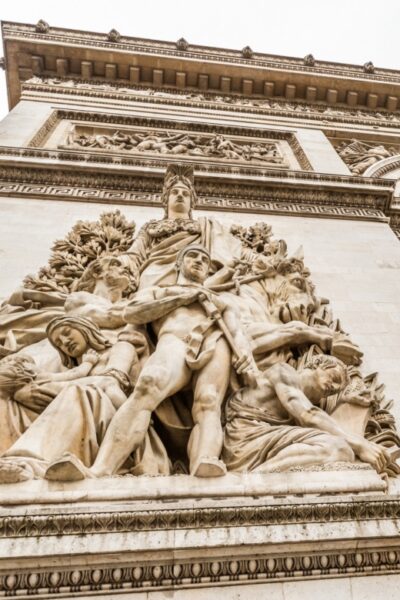 ★ 4.6Arc de Triomphe Rooftop TicketsTickets from $1834,264 guest reviews
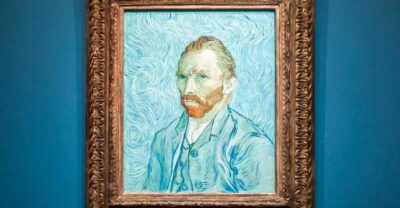 ★ 4.7Orsay Museum Entry TicketTickets from $1525,647 guest reviews
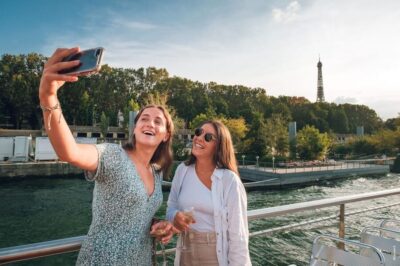 ★ 4.4Evening River Cruise with MusicTickets from $2722,721 guest reviews
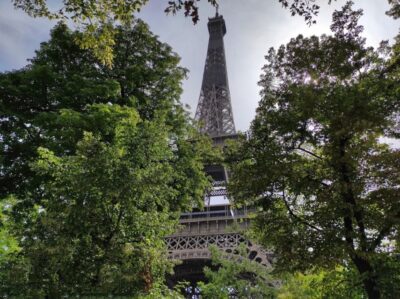 ★ 4.4Eiffel Tower Entry Ticket with Optional Summit AccessTickets from $2920,035 guest reviews
 ★ 4.3Eiffel Tower Summit or Second Floor AccessTickets from $5917,248 guest reviews
This tour also belongs to