
Review · ORSAY MUSEUM TOURS
Paris: Musée d’Orsay Walking Tour With Reserved Access
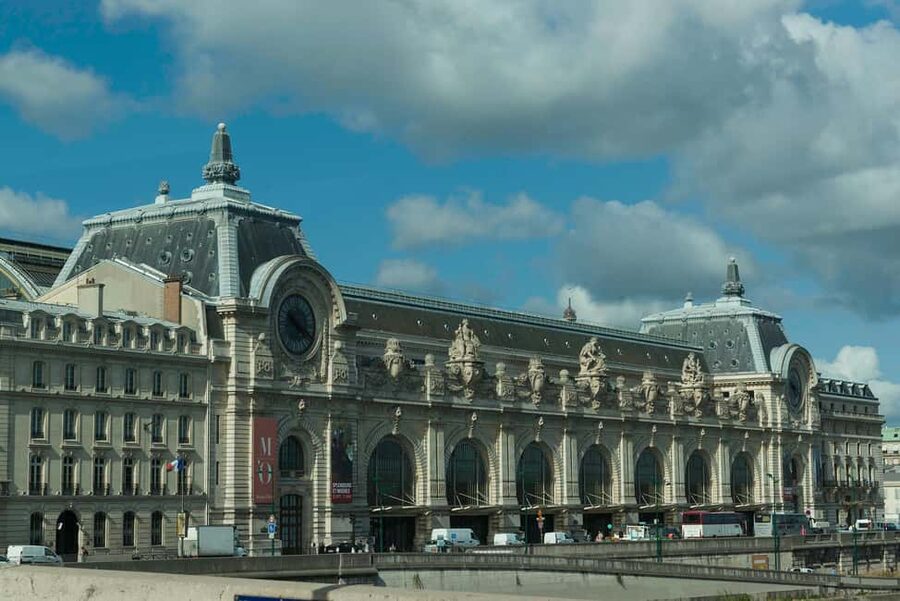
Orsay feels like a train station turned art salon. This tour wins you over fast because it starts with the Orsay exterior story and the building’s Beaux-Arts personality, so you walk in already seeing what matters. I like that the guide’s outdoor briefing connects the museum to its Parisian context, not just a list of rooms.
What I also like is that you get the practical goods once inside: access to the permanent and temporary collections plus an audio guide, then you explore at your own pace. The main catch is that the guide does not go with you inside, and reserved entry can be picky about timing or the entrance gate you’re directed to, so you need to arrive ready to handle ticket details.
Key things to know before you go

- 30-minute outside briefing that frames the former railway station transformation
- Skip-the-ticket-line access plus museum entry to both permanent and temporary shows
- Small group of up to 8 for a calmer start and quicker orientation
- Self-guided time inside with an audio guide, not a full inside walkthrough
- Comfort-first logistics: comfortable shoes, ID/passport, no pets or alcohol
The Orsay building is the warm-up you actually need
Musee d’Orsay works best when you understand the setting first. This experience begins with a short briefing outside, about 30 minutes, before you receive entry tickets. That’s a smart move because Orsay is not just a container for art. It is the art, at least in spirit. You’re looking at a former railway station with the kind of Beaux-Arts façade that Paris loves, and the guide helps you read it like part of the city’s story.
You get the basics of what the building used to be and how it evolved into a museum. The guide highlights key features and offers anecdotes about construction challenges and why the structure became part of the Paris cityscape identity. Even if you only remember two or three points, it changes how you experience the interior. You stop thinking of the museum as a random set of galleries and start thinking of it as one big transformation project.
I also like the tone of the start. It is not trying to turn the street into a classroom. It’s more like getting your bearings fast, and learning a few useful ideas so you can spot what to pay attention to once you step inside.
You can also read our reviews of more walking tours in Paris



Reserved entry and the “inside guide” gap
Here’s the deal in plain language: you’re buying reserved access, not a guided tour of every room. After the outdoor briefing, the guide hands out the entry tickets and then does not join you inside. You explore on your own with the audio guide.
That format can be great. You’re not trapped at the pace of a group, and you can linger where you care most. But it also means you should not expect the guide to correct your route once you’re inside, or to explain paintings room-by-room while you stand in front of them.
Another practical warning: access issues can happen when tickets and timing or entrances get mixed up. The experience includes skip-the-ticket-line language, but reserved entry at Orsay can still involve checking which entrance you should use, and whether your ticket matches the entry type you thought you had. If the museum scanners don’t read the ticket the way staff expects, you may be pushed into a different line or a different entrance door than you were told.
My advice to protect your time:
- When you pick up or receive your tickets, confirm the entry type and any time or gate instructions included.
- Aim to arrive early enough that a detour does not ruin your whole day. Give yourself a buffer.
- Keep your ticket details easy to access on your phone or printed out. If staff need to verify something, you want the info in front of you immediately.
- If you get directed to a different entrance door than expected, stay calm and ask where your ticket should be scanned.
If you’re the type who gets stressed by ticket logistics, this is the part to think about. If you stay flexible and arrive prepared, you’re buying a tidy start plus museum time.
How to turn self-guided time into a strong museum visit
Because the guide stops after the outdoor briefing, the success of your visit depends on how you use the remaining time. The tour lasts about 2 hours to 150 minutes total. Roughly half is the outside orientation, then you’re on your own inside.
That’s not enough time to see everything in Orsay. The key is to treat your visit like a curated plan made by you, not a sweep made by force. Use the audio guide to pick a theme and stick with it.
A good approach for first-timers:
- Decide what matters most before you walk in. For many people, it’s the Impressionist and Post-Impressionist galleries.
- Use the audio guide as your “choose this next” tool rather than listening nonstop from start to finish.
- Do one main circuit, then circle back only if something grabs you.
Orsay also includes sculptures and decorative arts in addition to paintings. If you only focus on painting, you might miss the way the museum’s collection shows broader 19th and early 20th century taste. If you only chase sculptures and décor, you may miss why people travel here in the first place. I like balancing one painting highlight zone with at least one stop for sculpture or decorative work, so the collection feels like a whole story.
Also, since you’re going in self-guided mode, comfortable movement matters. Wear shoes you can stand in for an hour or two without regretting it. Bring comfortable clothes that let you shift between outdoor orientation and indoor gallery time without feeling overheated or stuck.
What you’re actually seeing at Musée d’Orsay
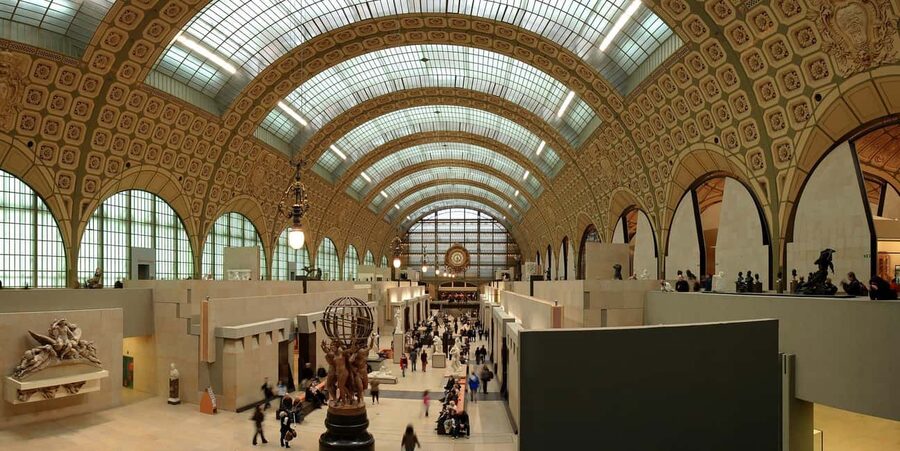
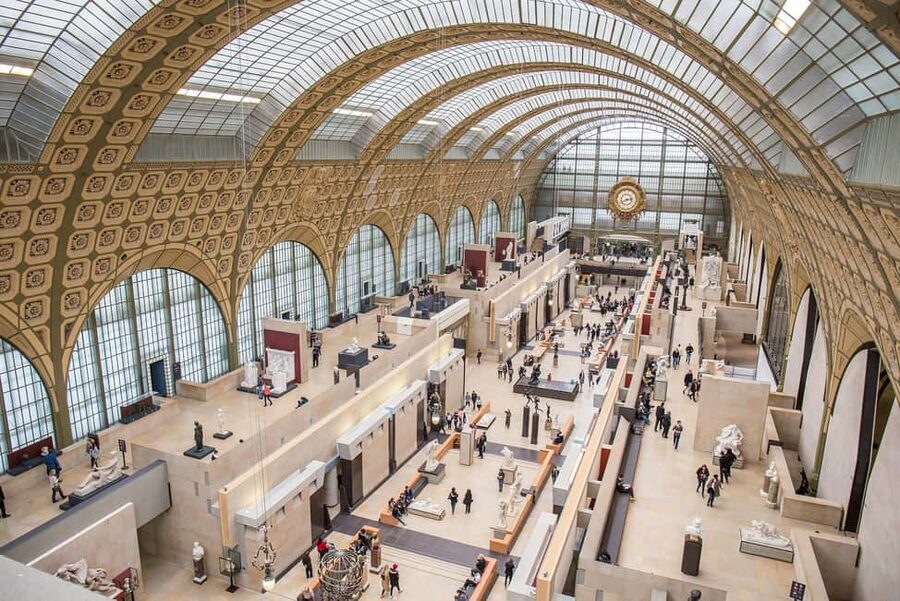
Once inside, you’re working with a museum known for its 19th and early 20th century focus. This access includes the permanent collection and also access to temporary collections, so your visit can feel more like a living museum day than a single, fixed exhibition.
The strongest draw is the museum’s Impressionist and Post-Impressionist holdings. That matters because Orsay is one of the places where these styles make total sense in one building. Instead of popping into a small collection and moving on, you get to see how the look, the brushwork choices, and the emotional tone evolve across the era.
You’ll also find sculptures and decorative arts as part of the mix. Even if you’re primarily here for paintings, those other categories can change your perception of the period. They remind you this was not just art on canvas, but art as design, form, and atmosphere.
The museum’s location adds another layer. It sits along the Seine, and the whole neighborhood has that “Paris you can feel” quality. Even if you don’t plan a long walk beyond the museum, the fact that you’re starting with the building and then stepping into a major art collection keeps your day grounded in place, not just on a checklist.
Small group start, real-world pace, and comfort basics
This is a small group experience, limited to 8 participants. That usually means you get a more personal outdoor briefing and less of the noisy shuffle that can happen on larger tour buses. It’s also helpful because the outdoor part sets the tone. If the group is too big, the “get oriented” moment turns into crowd control. Here, the format is built for a calmer start.
Pace is another factor. The total time is 2 hours up to 150 minutes. Plan on using that time strategically, not trying to see everything. After the outdoor briefing, the clock is ticking for the inside exploration, and the audio guide will take time if you listen closely.
A few practical rules matter for your planning:
- Bring your passport or ID card.
- Wear comfortable shoes and comfortable clothes.
- Pets are not allowed.
- Alcohol and drugs are not allowed.
And one important fit note: this experience is not suitable for people with mobility impairments. If mobility is a concern, you’ll want to skip this format and consider a version that is designed for accessibility needs.





Price value: is $49 worth it for you?
At $49 per person for about 2 hours, you’re paying for three things:
1) reserved access to the Musée d’Orsay collections, including the ability to enter without dealing with the standard ticket scramble
2) a short outside history and architecture framing
3) an audio guide to support your self-guided time
When it works smoothly, value is solid. You save time, you get orientation that makes the museum feel less like a maze, and you still keep your freedom inside. Audio is especially useful here, because the guide does not stay with you inside, and you can’t rely on someone talking in front of you for every room.
When it does not work smoothly, value drops quickly. If reserved entry turns into extra waiting, or if your ticket gets routed to the wrong entrance, the $49 starts to feel like you paid for stress instead of convenience. That’s not what you want on a limited museum day.
So here’s my “value match” checklist:
- You’re happy with a short outdoor briefing and self-guided time inside.
- You like Impressionist and Post-Impressionist art and you want time to actually look.
- You’re comfortable handling ticket details at check-in, or you can arrive early enough to fix issues without losing your whole visit.
- You do not need an inside guide to explain each room.
If any of those are false, you may be better off planning a different style of Orsay visit.
Should you book this Musée d’Orsay reserved access tour?
Book it if you want a low-key start focused on the building itself, then museum time that you control. This is a good fit for first-timers who need orientation, and for art lovers who prefer to move at their own pace once inside.
Skip it if you specifically want an inside guided tour that walks you through major rooms while the guide explains the art in real time. Also think twice if you know you get anxious when tickets might require last-minute clarifications at the entrance. In that case, the risk is not the museum, it’s the access process and the no-inside-guide format combined.
If you do book, the smartest move is simple: arrive ready to confirm your entry instructions, and treat your 2 hours like a focused art stop, not a full museum marathon.
FAQ
How long is the Musée d’Orsay walking tour experience?
It runs about 2 hours to 150 minutes total.
Is the guide inside the museum with you?
No. The guide provides a briefing outside for about 30 minutes, gives you entry tickets, and does not join you inside.
What museum access is included?
You get access to the permanent collections and the temporary collections at Musée d’Orsay.
Do you get an audio guide?
Yes. An audio guide is included.
What language is the host or greeter?
The host or greeter is English.
What should I bring to the tour?
Bring your passport or ID card, and wear comfortable shoes and comfortable clothes.
Is this tour suitable for mobility impairments?
No, it is not suitable for people with mobility impairments.
More Walking Tours in Paris



More Tours in Paris





More Tour Reviews in Paris



Not for you? Here's more nearby things to do in Paris we have reviewed












Orsay Museum Tours, side by side.
 ★ 4.7Orsay Museum Entry TicketTickets from $1525,647 guest reviews
 ★ 4.4Orsay Museum Entry Ticket and Digital Audio Guide AppTickets from $313,170 guest reviews
 ★ 5.0Paris in a Day: Louvre or Orsay, Eiffel Tower, City Walk & CruiseTickets from $1571,956 guest reviews
 ★ 4.5Musée d’Orsay Skip-the-Line Tour with Expert GuideTickets from $671,145 guest reviews
 ★ 4.8Musée d’Orsay Skip-the-Line Tour with Expert GuideTickets from $821,088 guest reviews
 ★ 5.0The Musée d’Orsay Guided Tour Orsay Museum Semi-Private 6ppl MaxTickets from $144904 guest reviews
 ★ 5.0Louvre & Musée d’Orsay Guided Museum Tour Semi-Private 6ppl MaxTickets from $288619 guest reviews
 ★ 4.5Paris Musée d’Orsay Fully Guided TourTickets from $71556 guest reviews
This tour also belongs to