
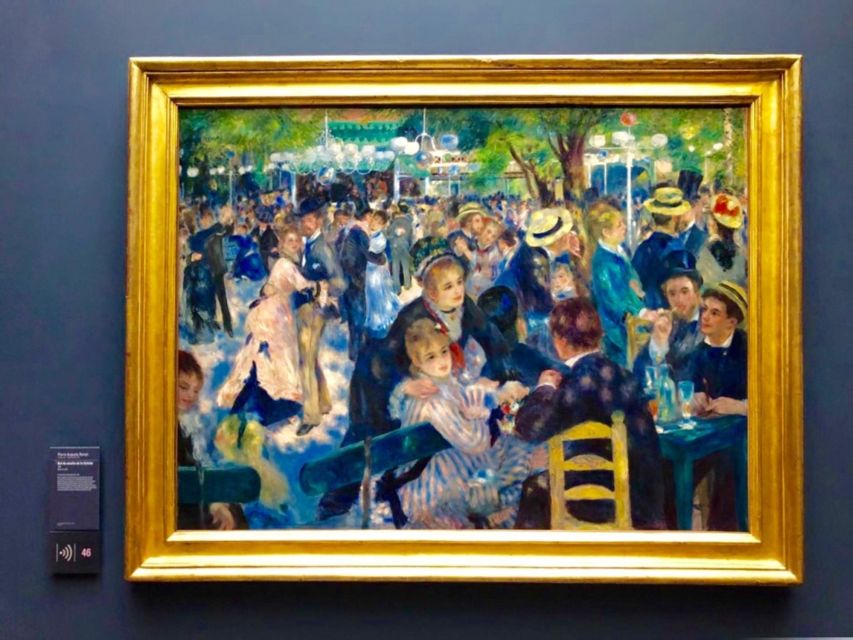
Review · ORSAY MUSEUM TOURS
Paris: Musee d’Orsay Private Guided Tour
Orsay works best when you have a plan and a guide. This private tour helps you see the museum as more than rooms of paintings, especially when your guide turns the big ideas of Impressionism into something you can actually spot on the canvas. I like that it is built around a focused itinerary, and that you get personal time with a licensed guide, not a loud shuffle with strangers.
One of my favorite parts is the way the guide connects style to story, so the art starts to click. Names like Élodie and Myriam come up for strong explanations of the historical context and for adapting the tour to what matters to you, including deeper attention to the works your group finds interesting.
The main thing to consider is that you will be walking, and Orsay is full of stairways. One guest mentioned that with knee replacement surgery, the stairs were challenging but manageable if you go slower with the group.
Key takeaways
- Meet at the rhinoceros outside the museum, so you start in the right place fast
- Skip the ticket line and use reserved access, which can still have a shorter queue
- A 2-hour private route that targets the museum’s most important Impressionist works
- Guides in English, French, and Spanish, with a track record of answering questions well
- Orsay is closed on Mondays, so plan around it
Meeting the Museum at the Rhinoceros (Orsay’s First Impression)
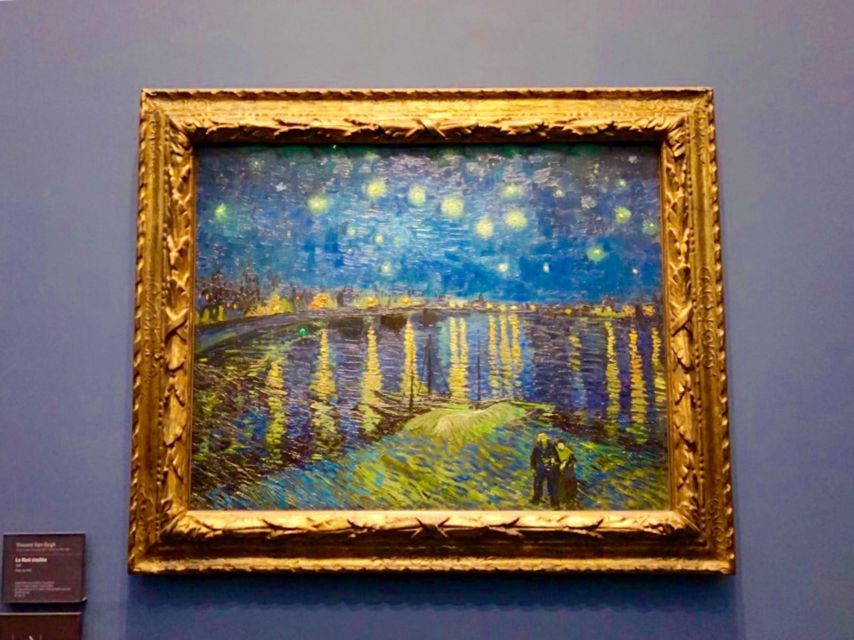
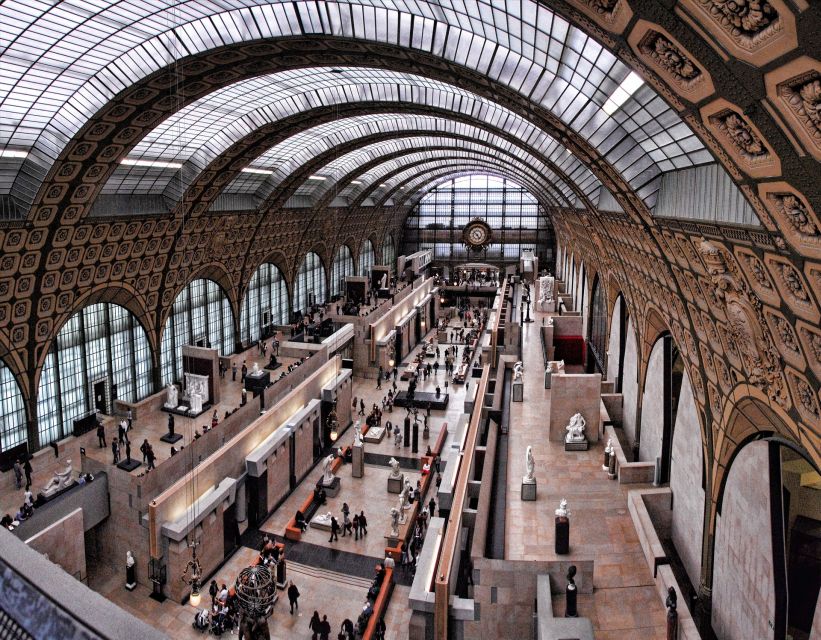
The Musée d’Orsay is housed in a former railway station, and the building itself sets the tone. Before you even get to the paintings, you are standing on a grand esplanade with giant stone animals guarding the entrance. The rhinoceros and elephant are not small details, they are your first clue that this museum has a sense of theater.
So when you meet your guide at the rhinoceros statue on the esplanade, it feels like the tour starts inside the atmosphere. The meeting address is 1 rue de la Légion d’Honneur, 75007 Paris, and the guide will be easy to spot at that statue.
If you arrive early, take a minute to get oriented. Orsay sits in a busy area, and when you know exactly where the guide is supposed to be, you avoid the stress of hunting for a person in a crowd. This is one of those small planning wins that makes the whole day smoother.
What Private Means Here, and Why It Changes Your Orsay Visit
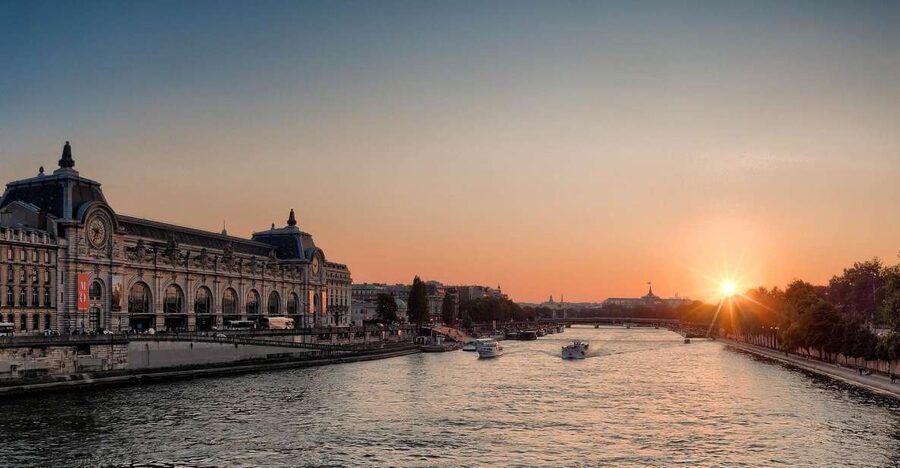
At Orsay, the hardest part is also the easiest part to underestimate: the museum is big, and Impressionism is not always obvious on a first pass. Without a plan, you can end up drifting, hopping from one room to another, and missing how the artists developed their ideas over time.
This is why a private guided tour matters. You get a carefully planned route, and you can ask questions without feeling like you are holding up a group. The tour is designed for a group of up to 6 people, which keeps things flexible. It also means the guide can adjust pace if your group has different interests, whether you want more history, more technique, or more time looking closely.
The English, French, and Spanish options are also a practical win. If your group has mixed language comfort, you can choose the guide language that keeps everyone engaged instead of guessing what the guide is saying.
You can also read our reviews of more guided tours in Paris



Your 2-Hour Route Through Orsay’s Impressionist Highlights
This tour runs 2 hours, which is long enough to see meaningful highlights but short enough to stay focused. You are not trying to conquer every gallery. Instead, you follow an itinerary that covers the museum’s most important artwork, guided in a way that helps you notice what makes Impressionism distinct.
Here is how that usually plays out in the real experience. You start with context: why Orsay became such a key place for this art. Then you move through the rooms with a guide who points your attention to things you might otherwise overlook, like brushwork, lighting effects, and how subject matter is treated with a different kind of realism than earlier art.
Orsay is also known for how it represents a turning point in 19th-century art. The museum experience is enriched by understanding that Impressionism was heavily criticized at first, then it became influential. Your guide should connect that shift to what you see in the paintings, so the art does not feel like a sealed museum artifact.
What you should expect from the pacing:
- Time to stop at key works and actually look, not just pass by
- Explanations of the history behind leading works and the artists connected to them
- A route designed to cover the collection’s core strengths within the time limit
One practical note: you might still encounter a line at the reserved access entrance. The good news is that it should be much shorter than the standard entrance. When you plan to spend time inside, saving time before you even start makes a real difference.
How the Guide Turns Paintings Into “Wait, I See It”
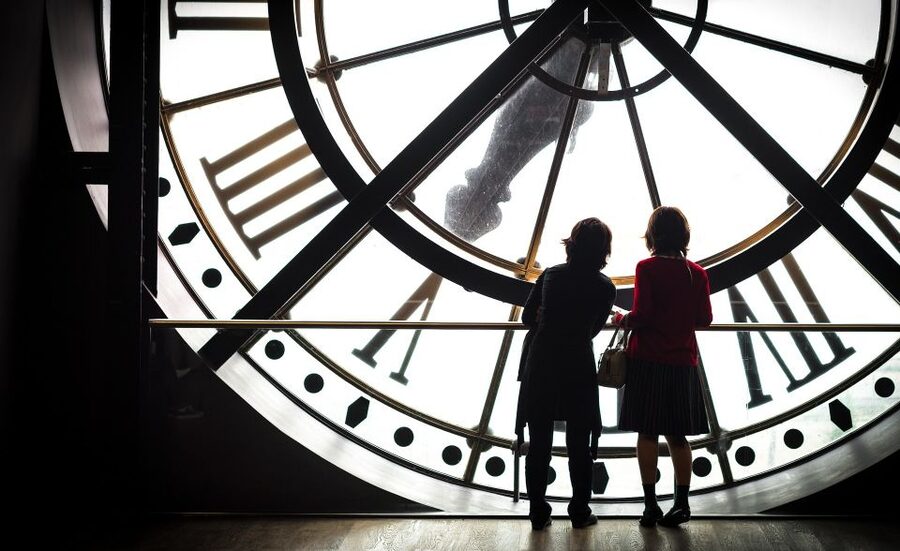
A good museum guide does two jobs at once. First, they give you the story. Second, they teach your eyes what to look for. This tour is built around an expert guide doing exactly that, with a style aimed at making the art feel alive, not intimidating.
You will hear the background behind the museum and the ideas behind the movement. The tour information frames Impressionism as an association of artists that formed in the second half of the 19th century. You also get the arc of how it was criticized early and later had strong influence on art of the period. That kind of timeline is what helps you stop thinking of paintings as separate objects and start seeing them as part of a shift in thinking.
From the guide feedback tied to this experience, two themes pop up again and again.
1) People like guides such as Élodie for conveying passion for history, not just reciting facts.
2) People like guides such as Marine for answering questions fully and keeping the tour flowing with your curiosity.
That matters because Orsay is full of things to notice. If you can ask why a painting looks a certain way, you end up with a deeper understanding in a short time. If you cannot ask, you rely on your own guesses, and you may miss the point of what makes the art important.
Skip the Ticket Line: Faster Start, Less Museum Stress

This tour includes the Orsay entrance ticket and is described as skipping the ticket line. In practice, this means your time is not wasted waiting at the busiest entrance with everyone else.
Even then, the details matter. The reserved access entrance can still have a line. It should be shorter than the standard entrance, and your guide will help you use that setup effectively. When you have only 2 hours, that speed is not just convenient, it protects the value of your time.
For your planning, I suggest building a small buffer around your meeting time. One guide experience noted a late rendezvous compared with the listed time, so it is smart to arrive on time and give yourself a few minutes of breathing room. In big European museums, small delays can happen, but a little buffer helps you stay calm instead of tracking the clock.
What You Should Bring (and What to Leave at Home)
This tour asks you to bring passport or an ID card. That is not just paperwork theater. It helps with admission rules for visitors under 18 and EU residents under 26, who may have valid ID requirements for ticket eligibility.
As for what to leave at home, you do not need heavy planning materials. A notebook can help if you like to track favorite works, but the tour is structured, so you do not need to research the museum beforehand. If you want a little extra confidence, you can do a quick pre-trip read on Impressionism so the guide’s explanations land even faster once you are standing in front of the paintings.
You can also read our reviews of more private tours in Paris






Stairs, Pace, and Comfort: The One Practical Reality at Orsay
Orsay is not a flat experience. There are stairs and changes in level throughout the museum. One guest who was recovering from knee replacement surgery found the stairs challenging but manageable with a slower pace.
So if mobility is a concern, treat this as a planning item, not a surprise. Tell your guide you want a slower pace from the start. A private tour is your chance to manage that. Also, consider wearing shoes you can trust on museum floors and stairs. The museum is famous, but your feet do the work.
If you are traveling as a couple or small family, this is also the time to consider who in your group walks comfortably. The value of a private guide goes down if everyone is waiting on someone struggling to keep up.
Who This Private Orsay Tour Fits Best
This tour is a strong match if you want more than a general overview. It is also a good fit if your group prefers questions and conversation instead of passive listening.
Best situations:
- Couples who want a guided 2-hour highlight route without the pressure of a larger crowd
- Small groups that want a tailored pace, especially if you like taking time at a few key works
- Visitors who want context around Impressionism’s origins and early criticism, not just the art on the walls
- Families or groups where a guide can keep everyone engaged, since some guide feedback specifically mentions keeping both adults and children interested
It is also ideal for anyone who wants to get oriented quickly. Orsay can feel overwhelming at first. A focused route helps you build a mental map fast, so you do not walk out feeling like you saw random corners.
Price and Value for a Group Up to 6
The price is $471 per group for up to 6 people, with a duration of 2 hours. That might sound like a lot if you think in per-person terms. But the way private tours work is different. This is priced as a group experience, so the real question becomes: how many of you will actually attend, and how much you value expert guidance for a museum highlight visit.
Here is how to think about value:
- If you are 2 or 3 people, you are paying more per person than a standard group ticket, but you are buying time and clarity.
- If you are close to the full group size, the cost per person becomes easier to stomach, especially since you still get a private guide atmosphere.
- The skip-the-line plus admission ticket is also part of the value equation, because it protects your 2 hours for the art.
If your museum style is to ask questions and spend time looking, a private format usually pays off. If you prefer to wander alone, you may find a self-guided plan sufficient. But if you want the art to make sense in a short window, this is the kind of tour that can actually feel worth the price.
Small Logistics That Save Your Day
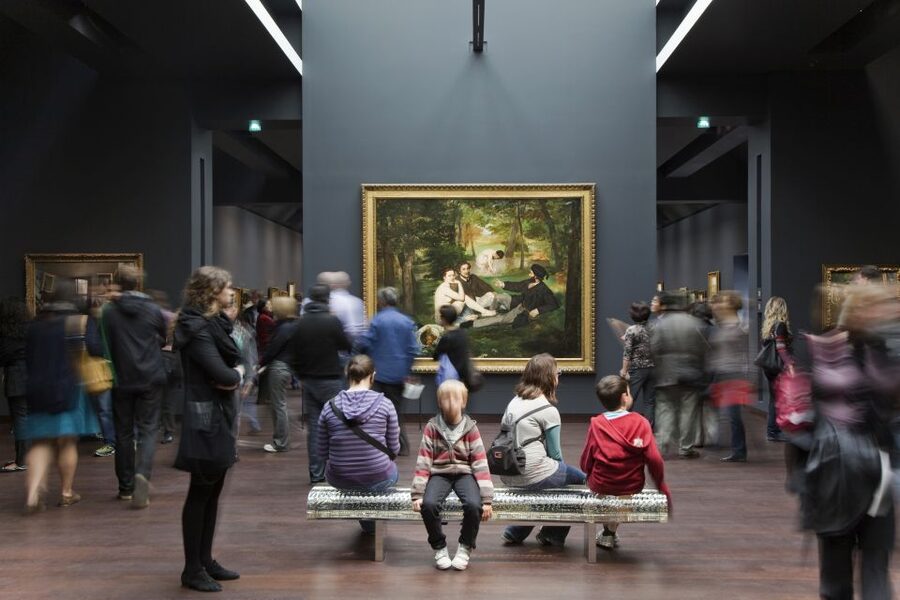
A few details matter more than they seem.
First, Orsay is closed on Mondays. Plan around that so you do not waste time trying to make it work.
Second, you meet at the rhinoceros statue on the esplanade. That is easy if you go straight there, but it is harder if you get turned around near the main entrances. Use the statue as your anchor point.
Third, the guide languages are English, French, and Spanish. If you are traveling with mixed language comfort, choose the language that helps everyone follow the art discussion.
Finally, Orsay can have lines even at reserved access. Your guide will still help you use the process efficiently, but you should not assume the museum entrance is always empty.
Should You Book This Private Orsay Tour?
I would book this if you want an Orsay visit that feels organized and meaningful in just 2 hours. It is especially worth it if Impressionism is a movement you want to understand, not just photograph. The combination of a guided storyline, skip-the-line entry, and a small private group format makes it a smart choice for people who like their museum time structured.
Skip it only if you plan to wander independently with no interest in learning the context behind the art, or if stairs and pace are a major problem for your group. If comfort and mobility are concerns, tell your guide up front and choose shoes you trust.
FAQ
Where do we meet for the private Orsay guided tour?
Meet your guide at the rhinoceros statue on the esplanade at Orsay Museum. The meeting address is 1 rue de la Légion d’Honneur, 75007 Paris.
How long is the guided tour?
The tour lasts 2 hours.
How much does the private tour cost?
It costs $471 per group, up to 6 people.
What languages are available for the live guide?
The live tour guide is available in English, French, and Spanish.
Is the Orsay entrance ticket included?
Yes. The tour includes an Orsay Museum entrance ticket.
Does this tour skip the ticket line?
Yes, it is described as skipping the ticket line. You may still see a line at the reserved access entrance, but it should be much shorter than the standard entrance.
Do I need to bring ID?
Yes. Bring a passport or ID card.
Is the tour available on Mondays?
No. The museum is closed on Mondays.
What is not included in the price?
Transfer, drinks, and food are not included.
Can I cancel, and is payment flexible?
You can cancel up to 24 hours in advance for a full refund. You can also reserve now & pay later, so you can book and pay nothing today.
More Guided Tours in Paris



More Tours in Paris




More Tour Reviews in Paris






Not for you? Here's more nearby things to do in Paris we have reviewed












Orsay Museum Tours, side by side.
 ★ 4.7Orsay Museum Entry TicketTickets from $1525,647 guest reviews
 ★ 4.4Orsay Museum Entry Ticket and Digital Audio Guide AppTickets from $313,170 guest reviews
 ★ 5.0Paris in a Day: Louvre or Orsay, Eiffel Tower, City Walk & CruiseTickets from $1571,956 guest reviews
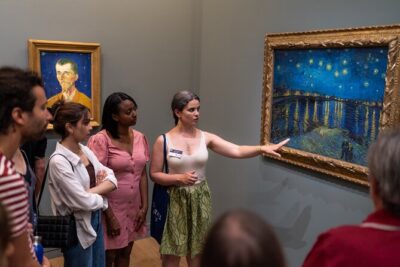 ★ 4.5Musée d’Orsay Skip-the-Line Tour with Expert GuideTickets from $671,145 guest reviews
 ★ 4.8Musée d’Orsay Skip-the-Line Tour with Expert GuideTickets from $821,088 guest reviews
 ★ 5.0The Musée d’Orsay Guided Tour Orsay Museum Semi-Private 6ppl MaxTickets from $144904 guest reviews
 ★ 5.0Louvre & Musée d’Orsay Guided Museum Tour Semi-Private 6ppl MaxTickets from $288619 guest reviews
 ★ 4.5Paris Musée d’Orsay Fully Guided TourTickets from $71556 guest reviews
This tour also belongs to