
Review · PARIS CITY TOURS
Paris French Macarons Small Group Baking Class with a Chef
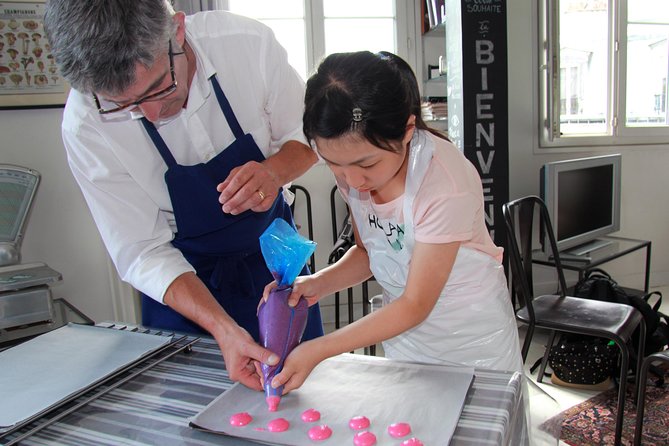
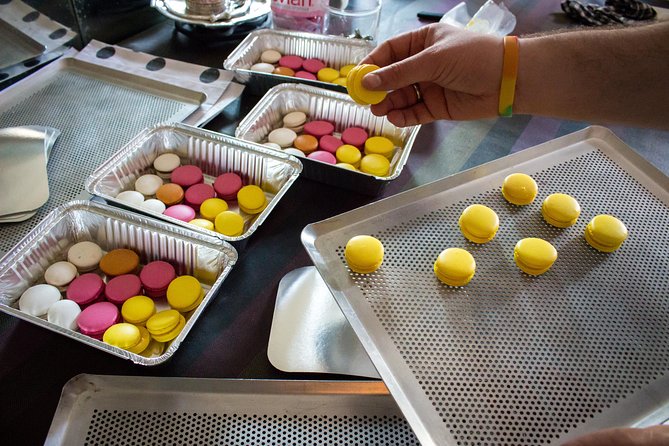
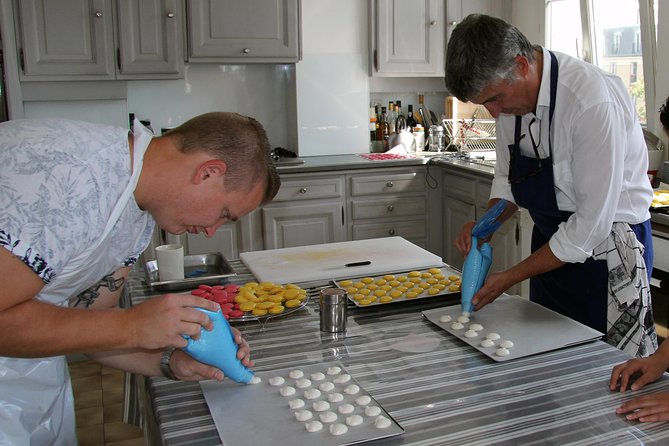
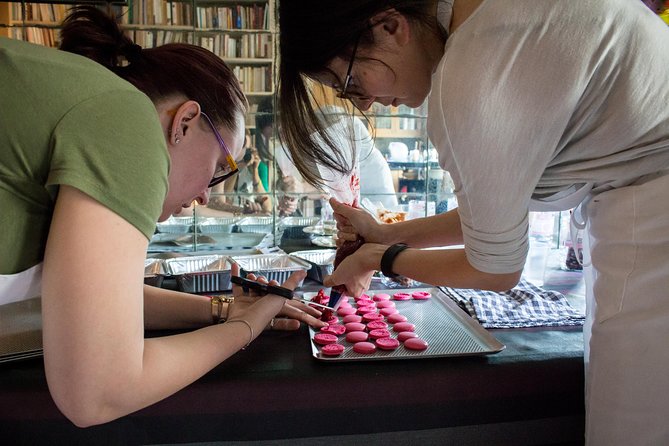
Macaron magic happens in a Paris apartment kitchen. This small-group class, led by a French pastry chef, centers on the Pierre Hermé-style method for the almond meringue sandwich that helped Ladurée popularize macarons. I love the hands-on feel of doing the mixing, piping, and assembling with tight coaching, and I like that you leave with a take-home box plus a recipe you can use again.
One consideration: the macaron process takes real time because the shells need resting, baking, and cooling, so not every minute is active hands-on work.
Key things to know before you go
- Small group, max 8 people, so your chef can actually correct details while you work.
- Pierre Hermé-inspired focus, with classic macaron technique taught in a practical way.
- You pick two flavors to make together, so the class feels personal instead of one-size-fits-all.
- Apartment-kitchen setting, which makes it feel local and comfortable rather than like a demo show.
- Take-home box plus recipe copy, so your effort does not vanish with the last tray.
- Almond powder is part of the recipe, so this class cannot be adapted for almond allergies.
Why this Paris macaron class feels more real than a demo
If you have ever watched macaron videos and thought, that looks simple, then you will appreciate what this class does right. It teaches the method behind the iconic cookie, not just the finished cookie. The class is built around the way macarons are made famous, two delicate meringue cookies sandwiching a filling, and it ties that to a Pierre Hermé recipe approach.
The reason I think this is a smart Paris activity is the setting and the size. You are in a private apartment kitchen in central Paris, not a school cafeteria setup. And with a small group capped at 8, the chef can notice what you are doing and help you adjust quickly.
The best part for me is how the teaching tends to match real kitchens. You will use equipment that you can find at home, so when you try again later, you are not stuck recreating a one-time, studio-only setup.
You can also read our reviews of more cooking classes in Paris

Meet your chef in a central Paris kitchen
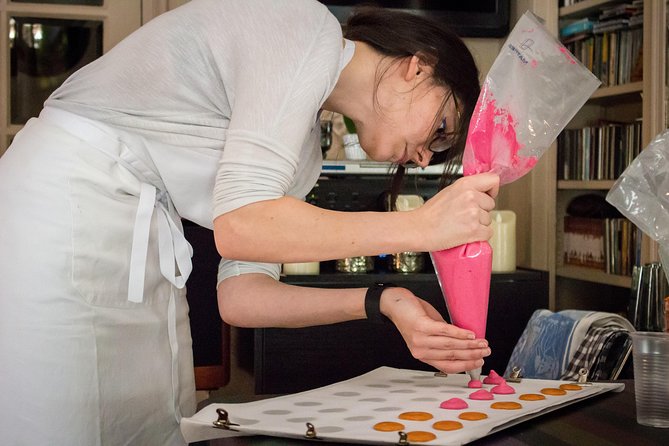
Your class starts in the afternoon, at 3:00 pm, and runs about 3 hours. You will make your way to a private apartment in the center of Paris to meet your chef host, and the meeting point acts as the start and end.
From the way the experience is described, you should expect a “kitchen lesson” vibe. Several chefs come through for this experience (names you may see include Chef Myriam, Chef Marthe, and Chef Frédéric), and many sessions are praised for being warm, patient, and step-by-step. One chef was noted for a lovely view from the class space, while another was described as welcoming in a sun-filled kitchen with organized prep.
If you want a simple practical tip, plan your arrival to be calm. There is no hotel pickup included, and one of the biggest frustrations in cooking classes is missing early instructions. Give yourself extra buffer time so you can settle in before the technique portion begins.
Inside the 3-hour flow: what you will do, and why time feels different
Macarons are not a quick bake. Even when everything goes right, the dough and shells require time to set up properly. In feedback, people specifically mention resting, baking, and cooling as the stages where the class naturally slows down.
Here is what that usually means for your experience:
- You will work on the batter and shell process with guided steps.
- Your macarons will then go through a rest period, which is essential for the surface to develop correctly.
- After baking, shells need cooling before you can assemble the final sandwich.
That schedule can be a surprise if you expect constant action. One person noted longer downtime after the dough is prepared, even though ingredients were pre-measured to keep pace. Another person thought the class was fun and paced well, with a more balanced rhythm.
My advice: treat it like learning a craft, not like making cookies at top speed. The waiting is not random. It is part of what makes macarons work, and chefs often use that downtime to explain the why behind the technique.
Choosing two flavors, then mastering the shell-to-filling moment
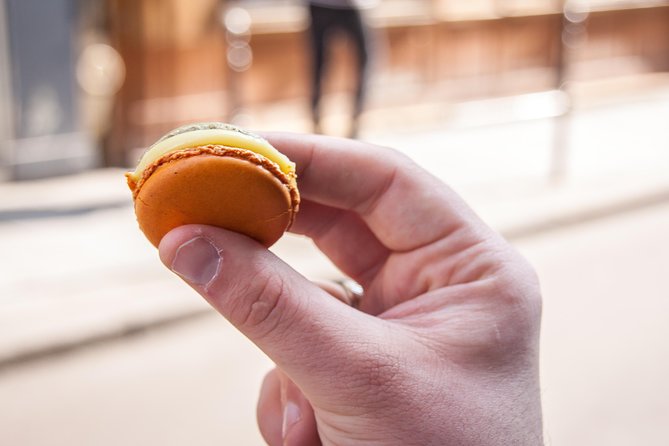
A key part of the experience is that your group chooses two macaron flavors to make together. Common pairings in the class feedback include combinations like caramel and raspberry, and the overall idea stays the same: you master the process for two flavors and then assemble what you baked.
The “two flavors” setup matters for two reasons. First, it gives you variety in your take-home box. Second, it helps you see how the same shell base handles different fillings and flavor directions.
When it comes to hands-on work, feedback suggests participation is real, but it may shift depending on the chef and the step. Some sessions are described as highly interactive, with everyone participating from mixing and folding to piping and assembling. In other cases, a chef may take over delicate parts like meringue control while you do supportive tasks, which can still be valuable if you want to learn technique without risking a full batch failure.
What makes the technique worth paying for
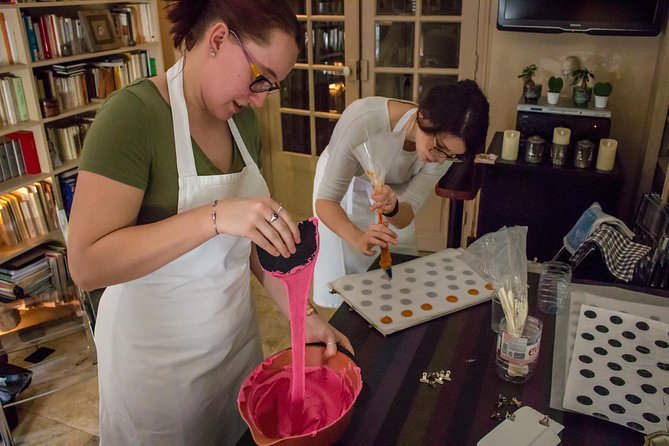
You are paying for more than ingredients. You are paying for error-proofing. Macarons fail for predictable reasons: mixing too much or too little, inconsistent piping, or rushing the rest and bake.
What I see emphasized in the experience is the chef’s “how and why.” For example:
- Chef Marthe is praised for sharing tricks you often do not find in a cookbook.
- Chef Myriam was described as explaining not just what to do, but why to do it for successful results.
- Chef Frédéric earned multiple notes for being warm and welcoming, teaching step-by-step, and answering questions clearly.
Even if you already bake, this is the kind of class where you can pick up small adjustments that make a big difference at home. The payoff is that you do not just leave with cookies, you leave with a process you can repeat.
More Paris tours and experiences for the shortlist


The take-home box and the recipe you should plan to actually use
At the end, you take home a box of your homemade macarons, plus a copy of the recipe. That part is not “nice to have.” It is the difference between eating a sweet snack and learning a skill you can repeat on your own.
Many people appreciate that they can transport the results and share them, and some mention leaving with enough macarons for days. Others highlight that having the recipe supports practice after returning home.
One important note for your expectations: there is at least one complaint about not receiving recipes as promised. The experience description says you get a recipe copy to share or keep, so your best move is simple. On the day of class, confirm how you will receive the recipe copy, and if you expect an email, check spam folders and keep the booking confirmation handy.
Price and value: is $218.90 per person fair?
At $218.90 per person for about 3 hours, this is not a bargain. But it can be good value depending on what you want from Paris.
You are paying for:
- A French chef instructor in a small group (max 8)
- All supplies, equipment, and ingredients
- Two flavors worth of macaron work
- A take-home box of homemade macarons
- A recipe copy to use later
If you only want to eat macarons, you can do that quickly at shops. But if you want the technique behind the classic macaron shell and filling, small-group instruction costs more, because the chef time is limited and the class stays intimate.
Also, macarons take specialized skill and patience. That makes classes like this more about controlled learning than about producing a large quantity fast. For me, that is when the price starts to make sense.
Who should book this macaron class (and who might not love it)
This class fits best if you:
- Like hands-on food learning and want a chef to correct your method
- Want a memorable Paris activity that also creates a practical takeaway
- Enjoy French pastry culture and want a Pierre Hermé style approach
It may feel less ideal if you:
- Hate waiting during the rest and cooling stages
- Want a fully nonstop “do everything the whole time” experience
- Need almond-free adaptations, since macarons contain almond powder and the class cannot be adapted for almond allergies
If you are traveling with kids, you might find it a fun family-friendly activity, especially when a chef encourages participation during mixing and assembling. Feedback also notes chefs working well with younger students and keeping the tone welcoming.
A few practical tips to make your class smoother
Macarons are fussy. Your planning does not need to be fancy, but it should be smart.
- Arrive early, not late. No hotel pickup is included, and being on time helps you catch instructions before the process moves into rest and bake stages.
- Mention allergies in advance. The class cannot be adapted for almond allergies, and you should still advise any other food or animal-related allergies.
- Bring a mindset for patience. The downtime is part of the science, not wasted time.
- If you like drinks during class, consider asking ahead or planning your own water, since at least one comment suggested adding beverages like water, coffee, or champagne at the end.
Should you book this Paris macaron class?
If you want a genuine Paris food lesson, with a French chef, a small group, and a take-home box you can share, I would book it. The pairing of Pierre Hermé style technique with a tight max of 8 people is the kind of setup that makes learning realistic, not just entertaining.
Skip it only if you are chasing a fast, nonstop hands-on experience, or if almond allergies are part of your situation. For everyone else, this is a sweet, skill-building afternoon that turns into cookies now and repeatable practice later.
FAQ
How many people are in the class?
The class is a small-group experience with a maximum of 8 travelers.
How long is the macaron baking class?
It lasts about 3 hours.
What time does the class start?
The start time is 3:00 pm.
Is the class offered in English?
Yes, it is offered in English.
Where does the class take place?
It takes place in a private apartment in the center of Paris, and it is near public transportation. The activity starts and ends back at the meeting point.
What flavors will I make?
Your group will choose two macaron flavors to make together.
What do I take home?
You take home a box of homemade macarons and a copy of the recipe.
Is hotel pickup and drop-off included?
No, hotel pickup and drop-off are not included.
Can the class be adapted for almond allergies?
No. Macarons contain almond powder, and the class cannot be adapted for those with almond allergies.
What is the cancellation policy for a full refund?
You can cancel for a full refund up to 24 hours in advance of the experience start time. If you cancel less than 24 hours before, the amount you paid is not refunded.
More Workshops & Classes in Paris
More Cooking Classes in Paris
More Tour Reviews in Paris





Not for you? Here's more nearby things to do in Paris we have reviewed










Paris City Tours, side by side.
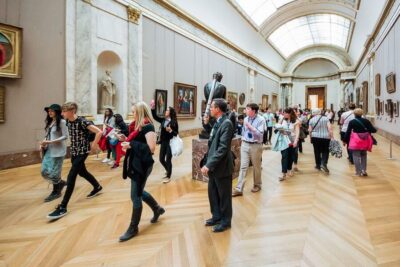 ★ 4.6Louvre Museum Timed-Entrance TicketTickets from $2671,977 guest reviews
 ★ 4.6Disneyland® Paris 1-Day TicketTickets from $6149,412 guest reviews
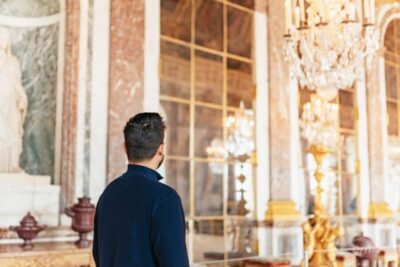 ★ 4.6Versailles Palace and Gardens Full Access TicketTickets from $1741,579 guest reviews
 ★ 4.6Arc de Triomphe Rooftop TicketsTickets from $1834,264 guest reviews
 ★ 4.7Orsay Museum Entry TicketTickets from $1525,647 guest reviews
 ★ 4.4Evening River Cruise with MusicTickets from $2722,721 guest reviews
 ★ 4.4Eiffel Tower Entry Ticket with Optional Summit AccessTickets from $2920,035 guest reviews
 ★ 4.3Eiffel Tower Summit or Second Floor AccessTickets from $5917,248 guest reviews
This tour also belongs to