
Review · PARIS CITY TOURS
Paris: Choux Pastry and Chocolate Éclair Making Class
Choux pastry magic happens in just three hours. This hands-on Paris class gets you making the building blocks of French patisserie, from pâte à choux to crème pâtissière and chantilly, then applying what you learn to fill and pipe chocolate éclairs and cream puffs. Two standout things I love about it are the small group size (you get real attention while you’re learning to pipe) and the calm, clear focus on techniques like getting the choux right and building smooth custard. One thing to consider: you’re working inside a real kitchen, so there are age limits, and children under 12 can’t participate in the cooking area.
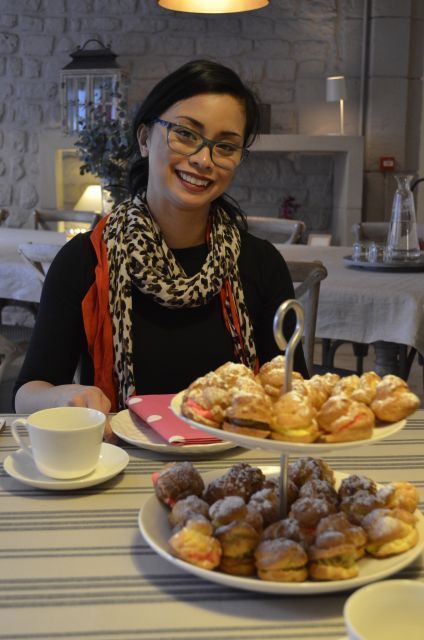
You’ll meet at Le Foodist in the Latin Quarter, close to Notre-Dame, start with a welcome drink, and spend about two hours working from scratch with step-by-step guidance. Then you get a relaxed tea-time break with stories about French culture and pâtisserie, before you leave with a box full of what you made, for sharing or eating over the next couple days.
Key Highlights You Should Care About
- Small groups (up to 8) so you can actually practice piping and get fixes in real time.
- From scratch fundamentals: pâte à choux plus crème pâtissière and chantilly, not just “assemble and go.”
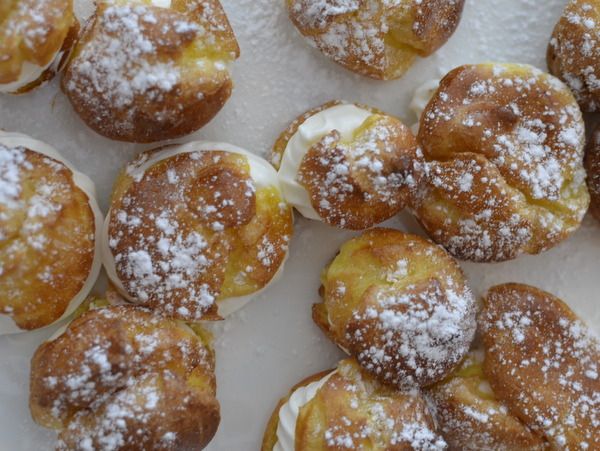
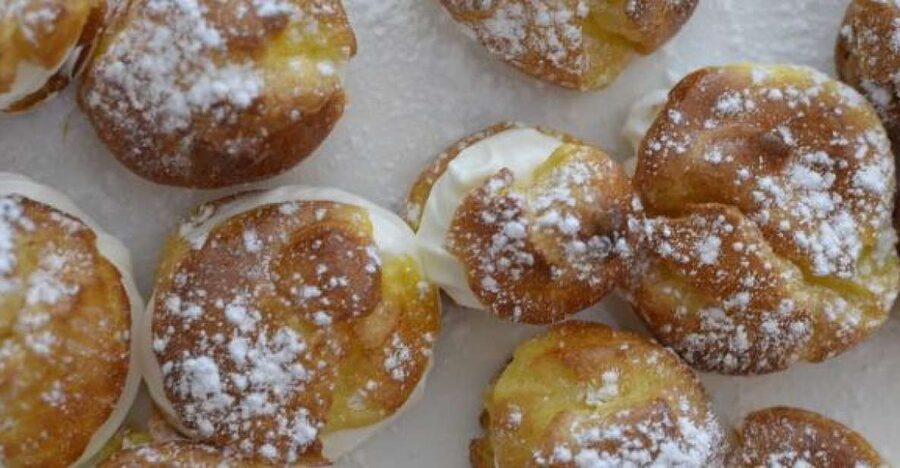
- Chocolate éclairs and cream puffs so your hands-on skills turn into real, recognizable pastries.
- Teatime with stories shared by a French host, with tea, coffee, or organic fruit juice.
- English instruction plus hard-copy and electronic recipe sheets you can take home.
Meeting Le Foodist, Right by Notre-Dame
Your class starts at Le Foodist, 59 rue Cardinal Lemoine, in Paris’s Latin Quarter. The location matters more than you’d think. Being near Notre-Dame means you can make this an easy add-on day, whether you’re already sightseeing or you’re choosing a slower afternoon with a real activity.
Le Foodist runs this as an intimate class, typically with small groups in the 3 to 7 range, and the session is limited to 8 participants total. That smaller size is one of the biggest value points in the whole experience. Choux pastry is fussy, and custard can go wrong fast if your ratios or temperature cues are off. A bigger class tends to turn into watching and waiting. Here, you’re more likely to be the one piping, filling, tasting, and trying again.
You’ll also get a welcome refreshment before you start cooking. That simple start helps you settle in and meet your baking partners quickly, which makes the rest of the session feel more friendly and less like a classroom.
More Paris tours and experiences for the shortlist



What the 3-Hour Class Flow Feels Like
The total duration is 3 hours, with about 2 hours that are hands-on baking time. In practice, that pacing is ideal for beginners and good cooks alike. You get enough time to learn the steps that make choux and custard work, but you’re not trapped in a long session where your first batch cools while you’re still learning the last one.
Here’s how the rhythm usually works:
- You start with getting set up, meeting the group, and a quick welcome drink.
- You work through the core dough and cream: pâte à choux and crème pâtissière plus chantilly.
- You practice piping and apply your work to chocolate éclairs and cream puffs.
- A French host joins for tea-time stories while you enjoy tea, coffee, or organic fruit juices.
- You leave with a take-home box of your pastries.
The fact that recipes are provided in English, both hard copy and electronic, is another practical win. When you get home, you don’t have to translate, guess, or improvise your next attempt. That turns a fun afternoon into an actual skill you can repeat.
Pâte à Choux: The Technique That Makes or Breaks the Class
If you’ve ever watched someone make choux pastry and wondered why it looks so effortless, this is where you learn the mechanics. Pâte à choux is the base for éclairs and cream puffs, and it depends on technique more than fancy ingredients.
In this class, you’re taught a foolproof approach to the choux foundation. That focus matters because choux pastry tends to fail in predictable ways:
- The dough can be too wet or too dry.
- It can lack structure.
- The shell can come out dense instead of light.
You’ll be working hands-on for about two hours, so you’re not just hearing advice. You’re practicing the motions and learning the cues that tell you you’re on the right track. The piping part later is where those cues really pay off, because choux pastries come down to even shapes and consistent application.
Another detail I like is that the class isn’t only sweet. You might also get to work on some savory delicacies. That’s helpful because it keeps your attention flexible, and it also gives you something different to focus on when you’re waiting for pastry stages to finish.
Crème Pâtissière and Chantilly: Getting the Texture Right
French pastry isn’t only about the shell. The middle makes the magic. Here, you build crème pâtissière and chantilly as part of the main lesson, so you understand what’s happening in the cream itself.
This matters for two reasons. First, crème pâtissière is the backbone of many French desserts, so learning it gives you something transferable. Second, custard is all about temperature, thickness, and smoothness. When you get it right, you can taste the difference immediately: it should feel silky, not grainy.
Chantilly is also important because it’s where the dessert turns from “good” to “wow.” In this class you learn how to make and use it as you create your own filled pastries. The guidance you receive is specifically aimed at consistency, so you’re not stuck guessing how stiff or loose the cream should be.
If you care about results, this section is where the class earns its reputation. The instruction style often gets singled out as fun, high-energy, and easy to understand, with teachers like Stefan and Florence noted for individual attention and clear teaching. When you’re learning custard texture, that sort of patient feedback is huge.
Piping Chocolate Éclairs and Cream Puffs Like a Pastry Student
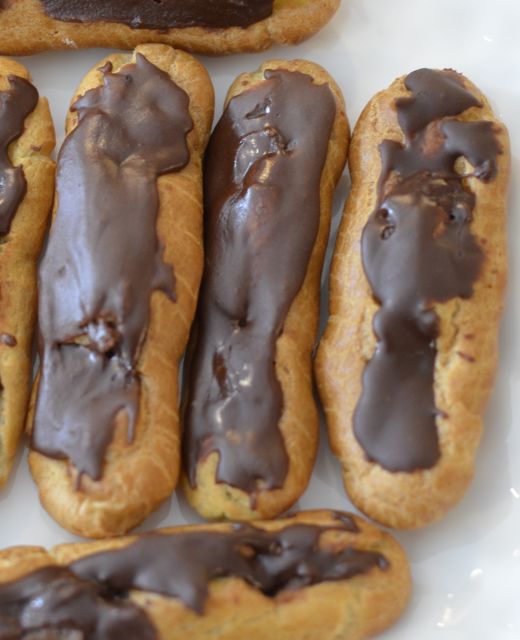
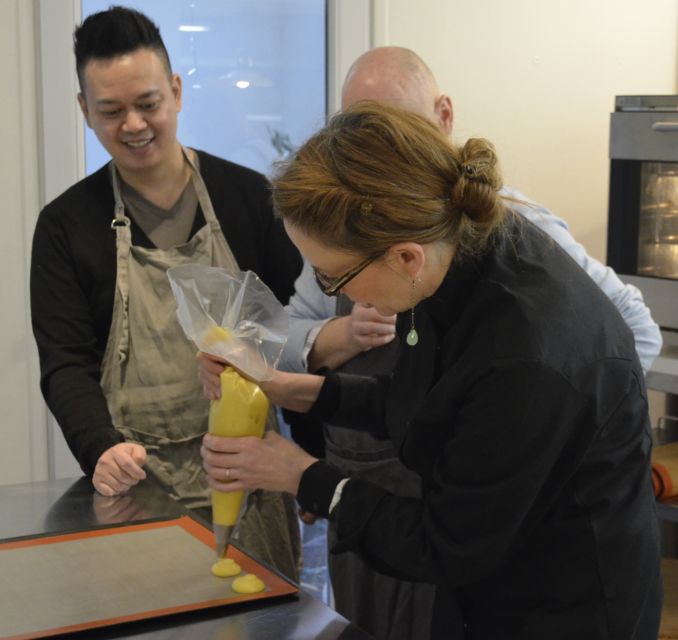
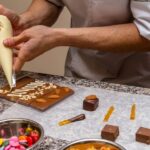
After your base dough and cream are ready, the class shifts to the part that feels the most like real patisserie work: piping. This is the fundamental technique of French patisserie making, and you’ll apply it to chocolate éclairs and cream puffs.
What makes this more than just a cookie-cutter demo is that you’re learning the full chain: the pastry shells, then the filling, then the finishing. Even if you’re a first-time baker, you’re getting a structure you can reuse. Once you know the motions, you can experiment later with different shapes and fillings.
You’ll also get the chance to pipe and master how to apply your skills, not just once. That repetition is what builds confidence. Choux pastry is forgiving in some ways, and very strict in others. Getting a few tries helps you lock in the correct pressure and rhythm, and it reduces that stress where you worry every step will be your last chance.
One extra detail you might appreciate if you like traditional French patisserie visuals: some classes have included classic choux designs like swan-style choux. Even if you’re not aiming for showpiece pastries, that kind of technique shows you how far choux can go beyond plain rounds and long éclairs.
More Paris tours and experiences for the shortlist


Tea-Time Stories That Make It Feel Like Paris, Not a Factory
At some point during the session, a native French host joins in with tea-time stories. These are described as tongue-in-cheek, and they’re meant to connect pastry to French culture, not just recite facts.
This is a smart pacing choice. Baking is physical and focused, then you shift into a lighter moment where you can sit, taste, and process what you learned. You’ll enjoy tea, coffee, or organic fruit juices during this break.
What I like about this kind of storytelling is that it gives context without turning the class into a lecture. You’re learning technique, but you’re also learning how French people talk about the craft. That changes how you remember the steps. Technique sticks better when you can picture the culture around it.
Take-Home Box: Planning for the Next Day
You leave loaded with a box of your pastries. That’s a big part of the fun, because you get proof you can actually do it. Also, it makes the class easy to fit into a travel day. You’re not carrying around heavy ingredients from a market. You’re carrying finished pastries.
A practical way to enjoy this is to plan a small timeline after class. These pastries are best when they’re fresh, but the class experience explicitly suggests they can be eaten over the next couple of days. So if you’re sightseeing later, you don’t have to rush immediately into storage panic.
The provided recipes in English help you decide what to do next. If your choux shells didn’t rise as much as you hoped, you can compare your attempt against the steps and try again at home with fewer unknowns.
Price and Value for a $151 Per Person Class
At $151 per person for 3 hours, this class is priced like a hands-on specialty experience. Whether it’s good value depends on what you want from Paris.
Here’s how I think about the value:
- You get around 2 hours of hands-on training with core French pastry techniques.
- The class is small, capped at 8, which increases the chance you’ll get individual attention.
- You receive hard-copy and electronic recipe sheets in English.
- You use kitchen equipment and get an apron provided.
- You get a take-home box of what you make.
If you’re just looking for a dessert to eat, Paris has no shortage of great options. But if you want a skill you can repeat, this is one of the more efficient ways to do it in a single afternoon. You’re buying time, technique coaching, and the recipe backup that makes your next attempt realistic.
If you’re a serious baker, the price might still feel fair because choux, crème pâtissière, and chantilly are not skills you “pick up” from a YouTube video without hands-on correction. If you’re a beginner, the small-group coaching is the feature that justifies paying rather than trying to learn everything solo in a tiny apartment kitchen.
Who This Class Is Best For (and When to Skip)
This class is a great fit if you:
- want a practical French baking skill, not just a tasting tour
- enjoy hands-on instruction and repeating techniques until they click
- like the idea of making chocolate éclairs and cream puffs with real fillings
- want an experience that works as a couple activity or a small group outing
It’s also a nice choice for family time, as long as everyone fits the kitchen rules. Unaccompanied minors are not allowed. Children under 12 cannot enter the kitchen, so they can’t participate in the cooking area. Children between 12 and 16 must be accompanied by a participating adult.
If you hate kitchen mess, or you dislike step-by-step practice, you might want to pick a different type of food tour. This one is active. You’ll be working.
Final Call: Should You Book This Eclair and Choux Class?
Book it if you want a memorable Paris afternoon where you learn real pastry technique and take something home you made with your own hands. The small group setup, the emphasis on pâte à choux plus crème pâtissière and chantilly, and the chance to pipe chocolate éclairs and cream puffs are exactly what you want from a baking class at this price.
Skip it if you’re expecting a casual walk-around food experience. This is a kitchen class, so you’ll be cooking. Also, double-check age rules if you’re bringing kids, because under 12 can’t enter the kitchen.
If you decide to go, do one thing that pays off fast: be ready to focus on technique cues. In choux and custard, the details matter, and that’s where the experience becomes worth it.
FAQ
How long is the Paris choux pastry and chocolate éclair class?
It lasts 3 hours total, with about 2 hours of hands-on instruction.
Where do I meet for the class?
Meet at Le Foodist, 59 rue Cardinal Lemoine, 75005 Paris.
What exactly will I learn to make?
You will learn pâte à choux, crème pâtissière, and chantilly, then make chocolate éclairs and cream puffs.
Is the class taught in English?
Yes, the instructor teaches in English.
What group size should I expect?
The class is limited to 8 participants, and it’s described as running in small groups of 3 to 7 for a more intimate experience.
Do I get recipe instructions to take home?
Yes. You receive a hard copy and an electronic copy of the recipes in English.
Is there take-home food included?
Yes. You leave with a box of pastries you made during the class.
What happens during the tea-time part?
A native Frenchman shares tea-time stories, and you can enjoy tea, coffee, or organic fruit juices.
Are there age restrictions?
Unaccompanied minors are not allowed. Children under 12 cannot enter the kitchen and cannot participate. Children 12 to 16 must be accompanied by a participating adult.
What are the cancellation rules and payment options?
Free cancellation is available up to 24 hours in advance for a full refund. You can also reserve and pay later, so you can book without paying today.
More Workshops & Classes in Paris


More Dessert Tours in Paris
More Tour Reviews in Paris





Not for you? Here's more nearby things to do in Paris we have reviewed









Paris City Tours, side by side.
 ★ 4.6Louvre Museum Timed-Entrance TicketTickets from $2671,977 guest reviews
 ★ 4.6Disneyland® Paris 1-Day TicketTickets from $6149,412 guest reviews
 ★ 4.6Versailles Palace and Gardens Full Access TicketTickets from $1741,579 guest reviews
 ★ 4.6Arc de Triomphe Rooftop TicketsTickets from $1834,264 guest reviews
 ★ 4.7Orsay Museum Entry TicketTickets from $1525,647 guest reviews
 ★ 4.4Evening River Cruise with MusicTickets from $2722,721 guest reviews
 ★ 4.4Eiffel Tower Entry Ticket with Optional Summit AccessTickets from $2920,035 guest reviews
 ★ 4.3Eiffel Tower Summit or Second Floor AccessTickets from $5917,248 guest reviews
This tour also belongs to