

Review · ORSAY MUSEUM TOURS
Paris: Best of Orsay Museum Small Group Tour with Tickets
Art in Paris can feel like speed dating.
This 2-hour Orsay experience turns big-famous paintings into a clear story, set inside a former railway station turned museum. You also get smart context on how art, politics, and society shaped what artists painted, not just what they painted.
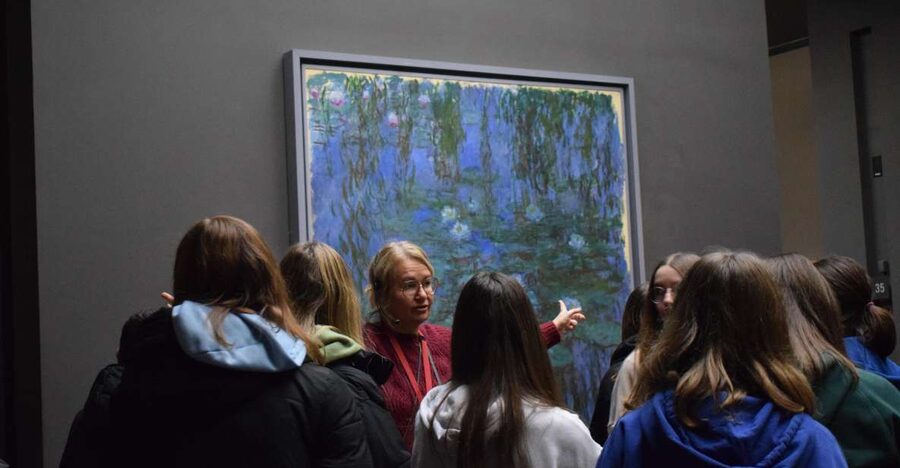
I love two things right away: the small group format (so you can actually hear questions and details) and the guided sweep that covers the museum’s best-known Impressionist and post-Impressionist works. Guides like Miriam, Mae, Marine, and Olga show up in recent experiences with teaching that feels organized, not lecture-y.
One drawback to keep in mind: the museum can be crowded, so the experience depends on your comfort level with shoulder-to-shoulder galleries and museum noise. Also, some rooms limit speaking time, and your guide will warn you.
Key points to know before you go
- Meet by the elephant statue with a Connecting France sign for an easy start at 1 Rue de la Légion d’Honneur.
- Tickets are included, so you can use quick access to collections, but you still do not skip the security line.
- A guided route covers mid-19th to early 20th century art, moving from realism through Impressionism to post-Impressionism.
- Highlights include major names like Monet, Renoir, Degas, Sisley, Cézanne, and Van Gogh, plus Realists like Manet.
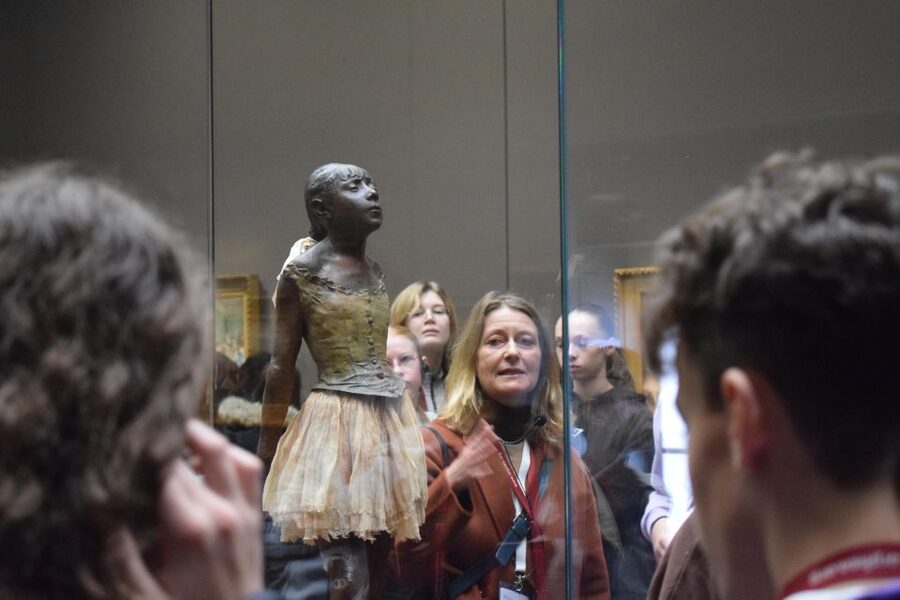
- Expect “extra stops” beyond paintings, including sculpture moments such as Rodin and even an original Lady Liberty.
- You’ll learn the building story, including how Orsay’s railway station life became a fine arts museum.
Why Orsay’s railway-station setting changes the whole tour
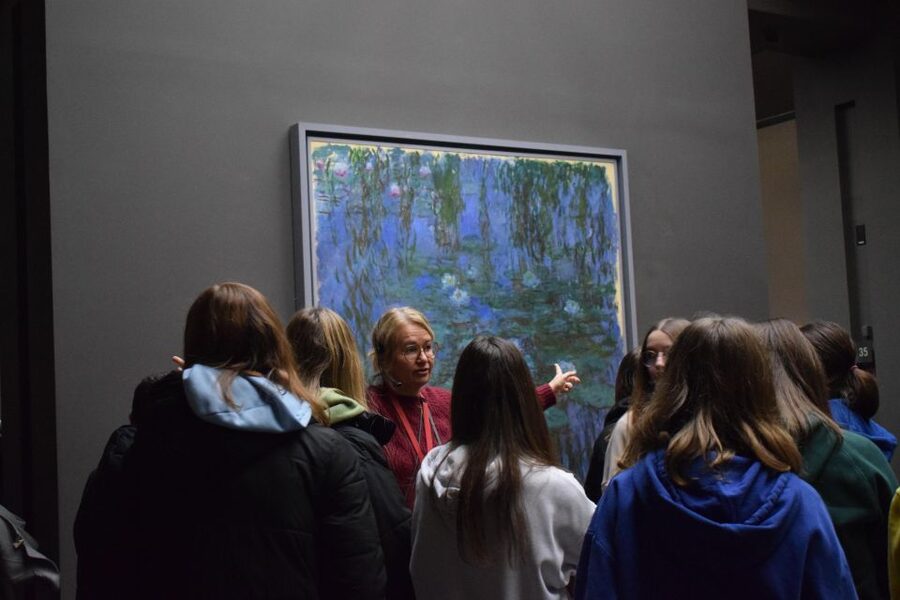
Musée d’Orsay has a built-in drama you do not get in a typical museum box. The building started life as a train station, and this tour uses that transformation as part of the learning. That matters, because it gives you a sense of place before the art even starts talking.
You also get a broader view of what Orsay holds. Yes, the center of gravity is Impressionist and post-Impressionist painting. But the tour route also points you toward other highlights you might otherwise miss, including art nouveau details, Rodin-style sculpture moments, and an original Lady Liberty stop. Those side beats help you connect the 1800s world to the push toward modern art.
If you like your museum time to feel like a storyline instead of wandering, this is the right energy. The guide’s job is to help you see patterns. Where a self-paced visit can blur together, this one aims for a sequence you can remember.
More Paris tours and experiences for the shortlist



Meeting at the elephant statue, then a quick viewpoint reset
Your start is simple: meet in front of the museum by the huge elephant statue, and look for your guide holding a Connecting France sign. The listed starting address is 1 Rue de la Légion d’Honneur.
After you gather, you’ll do a short viewpoint stop before entering Musée d’Orsay. I like this kind of reset because it gets your bearings early. Orsay’s scale can hit you fast, and a quick orientation step helps you understand what you’re about to see.
Practical note: you should bring a passport or ID card. And keep your bag rules in mind. The tour does not allow luggage or large bags, backpacks, or umbrellas. If you show up heavy with stuff, you’ll lose time and patience fast.
One more thing that affects your flow: tickets give quick access to collections, but the security line cannot be skipped. Plan to treat that like a normal museum checkpoint, not something that disappears.
The 2-hour plan: what you’ll actually do inside
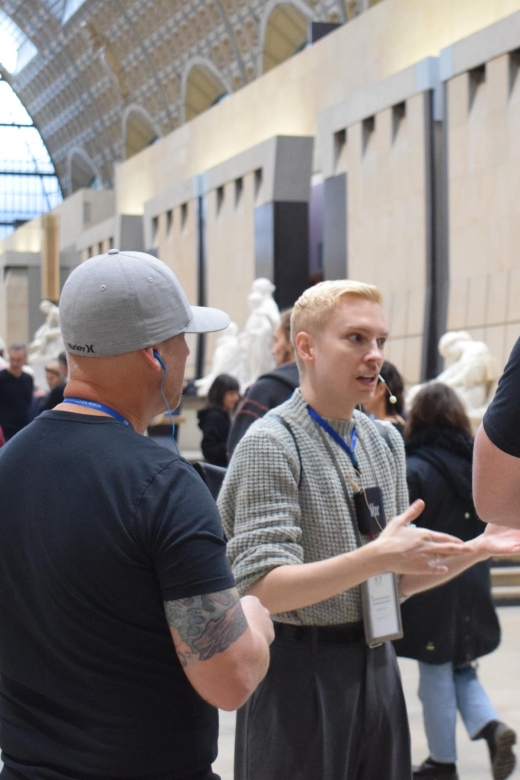
In two hours, the tour can’t cover everything. That’s the point. Instead of trying to see the entire museum, you follow a guided route built around the works that best show the shift from realism to Impressionism and beyond.
Expect the guide to set context before details. Several guides in recent tours used a similar approach: start with the traditions and pressures of the time, then show how artists reacted. That’s how the period stops feeling like a school timeline and starts feeling like a real set of choices.
The tour also includes a guided entry through key galleries, covering a wide span from the mid-19th to the beginning of the 20th century. The guide will also point out techniques and explain the interplay of influences between art movements, including how political and social change can land on the canvas.
If the museum is crowded when you arrive, your route will help you keep moving toward major works. One common theme from recent experiences is that guides were good at steering people closer to the highlights instead of circling at random.
Impressionist and post-Impressionist highlights you’ll remember
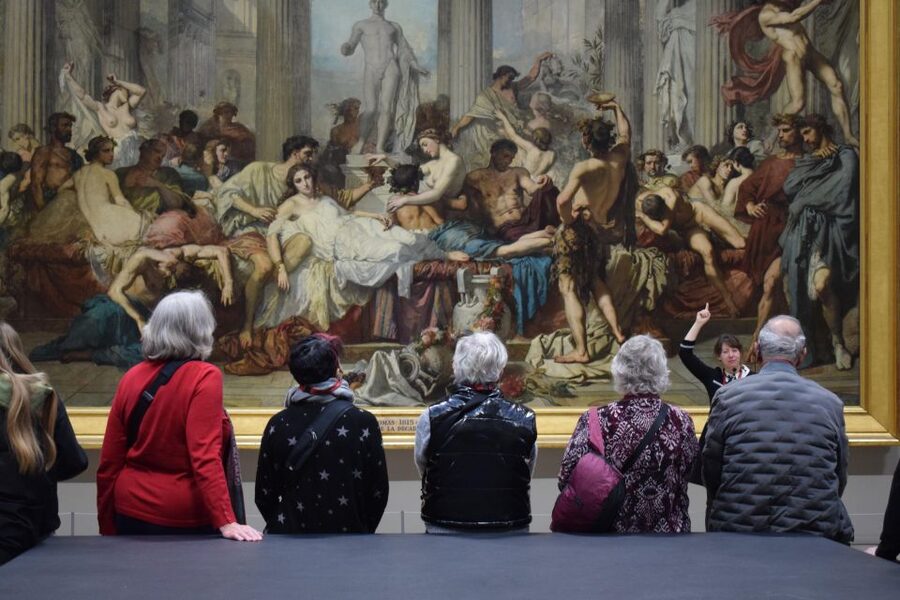
This is the heart of the experience. The tour centers on Impressionist and post-Impressionist masterpieces and introduces you to the artists who define the look and feel of that era.
You can expect stops featuring big names such as:
- Monet
- Renoir
- Van Gogh
- Degas
- Sisley
- Cézanne
You’ll also see works connected to other major figures listed for this tour, including Gauguin and Matisse. The pacing is designed so you understand why these artists mattered, not just that their paintings exist.
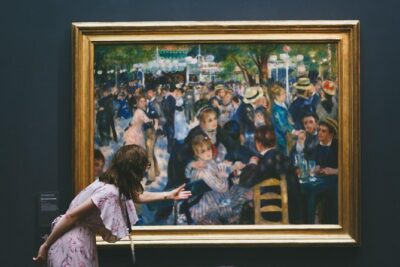
A specific standout mentioned is Renoir’s Dance at Le Moulin de la Galette. I like having a clear anchor like this, because it gives your brain a reference point. When you know one famous painting well, the surrounding works make more sense.
One of the most praised parts of the tour is the way guides translate visual details into meaning. Recent guides pointed out symbols and clues, and some even used tools like an iPad for extra context. That kind of support helps you “read” a painting without needing to be an art critic.
Realism to Impressionism, starting with Manet’s bridge
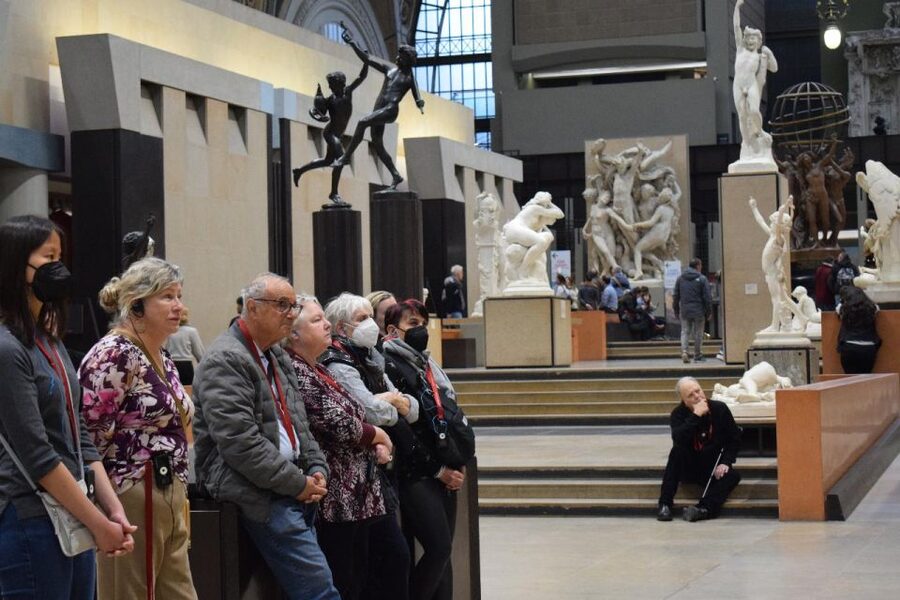
If you’ve ever looked at Impressionist art and thought it feels like it arrived fully formed, this tour fights that confusion.
You’ll get a path forward that starts with Realism and the academic standards before the Impressionists took off. Manet is specifically called out here as a key bridge. From that foundation, the tour connects the dots to the artists you’ll recognize soon after, including Degas, Pissarro, Renoir, and Monet.
This “bridge” approach is especially useful when you’re short on time. It’s easy to get stuck in a list of painters. The guide’s job is to show how ideas and techniques spread, including what artists were pushing against.
In a few recent experiences, the guides began with academics and realists first, which set up the Impressionist break more clearly. That start makes the later galleries feel earned. You’re not just looking at a style. You’re watching a change in attitude.
You can also read our reviews of more museum experiences in Paris





More than paintings: art nouveau, Rodin, and Lady Liberty stops
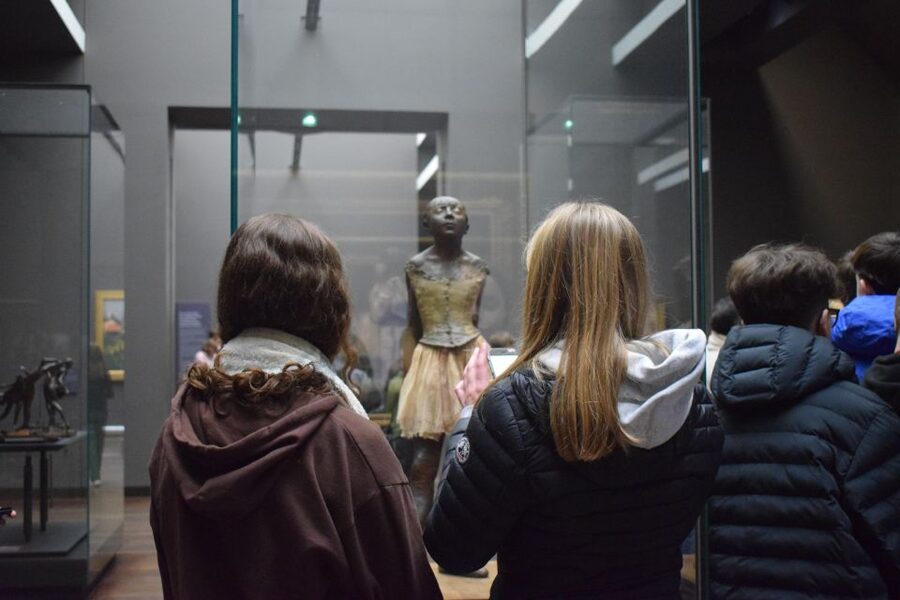
A great museum tour does not only serve the headline acts. It also shows you how the museum’s pieces talk to each other.
Here, that shows up through included attention to art nouveau and sculpture, including Rodin. The tour also mentions an original Lady Liberty. Even if you’re not a statue person, this matters because it widens the story beyond oil paintings.
Why is this valuable? Because it helps you understand the push toward modern art as a bigger cultural shift, not a paint-only revolution. When you see a sculpture moment or an art nouveau style clue in the same overall route, you’re more likely to notice how aesthetics evolve across media.
These extra stops also give your eyes a break. After a run of painting, a sculpture or design-focused moment can reset your attention without wasting your limited tour time.
Small-group comfort in a crowded museum
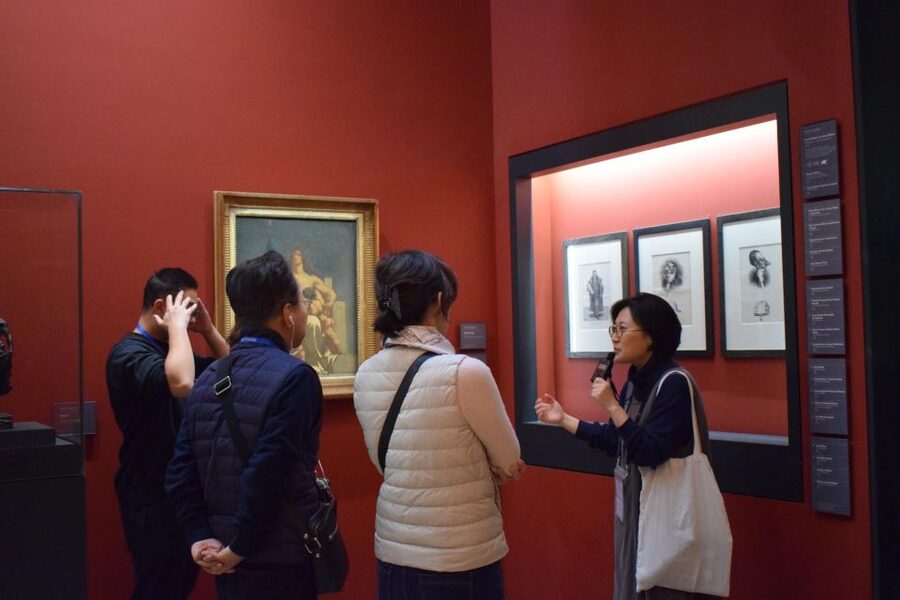
Orsay can be packed. That part is not the tour’s fault. What the tour can control is your ability to keep up with what you’re seeing.
The small-group nature of this tour is one of the most praised features. Many recent experiences highlight groups that were very manageable, including groups of just a few people plus the guide. That size makes it easier to ask questions and to stay close enough to actually see details the guide points out.
Some people also appreciated how the guide kept the tour moving while still slowing down at the main artworks. That balance is hard to get in a popular museum, so it’s worth valuing.
Still, be realistic: if you go on a busy day, you may find it harder to hear in the galleries. One recent experience mentioned that crowd noise made it difficult to pick up the guide at moments. If you’re sensitive to noise, consider bringing a phone or earbuds for general comfort, even if you are not using them for audio. And arrive ready for a lively atmosphere.
Guides who turn art history into a usable story
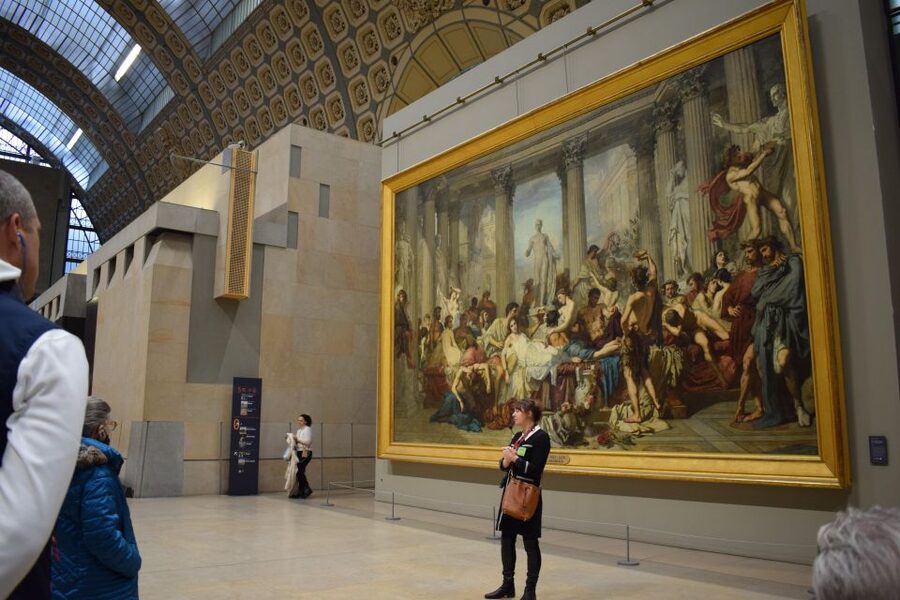
The names you’ll see in recent experiences are a big clue about what you’re likely to get: guides who teach with personality and clarity.
Recent guide names include Miriam, Mae, Marine, Olga, Nadia, Blerta, Mathieu, Patrick, Antoine, Alban, and Vanina. Different guides, similar strengths.
Here’s what repeatedly shows up in those stories:
- They explain context before details, so the paintings feel connected.
- They connect art to social change, including the political realities around artists.
- They keep the tour organized even when galleries get crowded.
- They answer questions instead of rushing you past them.
One guide experience specifically mentioned a storyline linking Monet and Manet, which is a smart way to understand influence. Another mentioned symbols and clues you can learn to look for, which helps you continue “seeing the right things” after the tour ends.
One practical note: some rooms have restricted possibility to speak, so your guide will warn you. That can actually help you by keeping expectations realistic in echo-heavy areas.
Price and value: what $102 buys for two hours
At $102 per person for a 2-hour guided experience with entry tickets, you’re paying for three things:
1) Guaranteed admission for the time you booked
2) A guide’s selection and pacing so you do not spend most of your time searching
3) Context, which is the difference between collecting paintings and understanding why they matter
That value is strongest if you know you only have a short window and you want the main Impressionist and post-Impressionist works without decision fatigue. The tour also helps because it is built around a timeline and influence chain, not just a checklist.
If you’re the type who loves quiet, unscripted museum roaming, you might prefer self-guided time. But if you want a plan that turns Orsay into something you can explain later, the ticketed guided route makes sense.
Also, that “quick access to collections” plus avoiding time spent figuring out what to see first can feel like a real win, especially when the museum is busy.
Who should book this Orsay tour, and who should skip it
Book it if:
- You want Impressionism and post-Impressionism highlights with context in a short time
- You enjoy learning how political and artistic movements influence each other
- You like a guided storyline rather than wandering endlessly in a large museum
It’s not a good fit if:
- You need accommodations for mobility impairments. The tour is listed as not suitable for wheelchair users, and it also notes that shared semi-private tours cannot be modified for pace.
- You rely on backpacks or larger bags. The tour does not allow those items, and you will want to travel light.
Families can work well here too. Recent experiences mention kids benefiting from the guide’s engaging approach, so this is not only for serious art students.
Should you book this Orsay small-group tour?
I’d book it if you want the best of Musée d’Orsay in a focused, time-friendly way. The big selling points are the small-group format, the included tickets, and the guide-led route through the most important Impressionist and post-Impressionist material.
Skip it if you’re going for a purely self-guided, slow-browse museum day, or if noise and crowds are a big stress factor for you. Even then, the tour can still be useful, but you’ll want to manage expectations about hearing and space.
If your goal is to leave with more than just photos of paintings, this tour is built to help you do that.
FAQ
How long is the Orsay small group tour?
The guided museum tour is 2 hours.
Where do we meet for the tour?
Meet in front of the museum by the huge elephant statue. Your guide will be holding a Connecting France sign. The starting location is listed as 1 Rue de la Légion d’Honneur.
Are museum entry tickets included?
Yes. Entrance tickets to the Musée d’Orsay are included.
What art does the tour focus on?
The tour highlights Impressionist and post-Impressionist masterpieces and also includes realist artists like Manet, along with works by Monet, Renoir, Degas, Sisley, Cézanne, Van Gogh, Gauguin, and Matisse.
Which languages are available?
The live tour guide is available in English, French, Spanish, Italian, and German.
Can I skip the security line with my ticket?
No. Tickets allow quick access to collections, but the security line cannot be skipped.
What should I bring?
Bring a passport or ID card.
What items are not allowed?
Luggage or large bags, backpacks, and umbrellas are not allowed.
Is the tour suitable for wheelchair users or mobility impairments?
No. The tour is listed as not suitable for people with mobility impairments and wheelchair users.
Does the tour offer options if Orsay is closed due to strikes?
France can see strikes, and closures may happen. In that case, you are offered alternatives to modify the booking to available slots or a walking tour. If the alternative does not suit you, your booking can be canceled and you receive a refund, arranged before the 24-hour cut off.
More Tickets in Paris


More Tours in Paris






More Tour Reviews in Paris

Not for you? Here's more nearby things to do in Paris we have reviewed











Orsay Museum Tours, side by side.
 ★ 4.7Orsay Museum Entry TicketTickets from $1525,647 guest reviews
 ★ 4.4Orsay Museum Entry Ticket and Digital Audio Guide AppTickets from $313,170 guest reviews
 ★ 5.0Paris in a Day: Louvre or Orsay, Eiffel Tower, City Walk & CruiseTickets from $1571,956 guest reviews
 ★ 4.5Musée d’Orsay Skip-the-Line Tour with Expert GuideTickets from $671,145 guest reviews
 ★ 4.8Musée d’Orsay Skip-the-Line Tour with Expert GuideTickets from $821,088 guest reviews
 ★ 5.0The Musée d’Orsay Guided Tour Orsay Museum Semi-Private 6ppl MaxTickets from $144904 guest reviews
 ★ 5.0Louvre & Musée d’Orsay Guided Museum Tour Semi-Private 6ppl MaxTickets from $288619 guest reviews
 ★ 4.5Paris Musée d’Orsay Fully Guided TourTickets from $71556 guest reviews
This tour also belongs to