
Review · PARIS CITY TOURS
Paris: 2.5-Hour French Pastry Cooking Class
French dessert perfection starts with your hands. In this 150-minute class, you’ll learn classic desserts with Chef Noémie in a private loft, then sit down for tea or coffee after you bake.
I love the step-by-step teaching from Chef Noémie, a Lenôtre Culinary Institute graduate. I also love the small group size (8 max), which keeps the experience personal and lets you ask questions as you go.
One consideration: the format is coached and demo-based, so you may not be hands-on every second. That said, the turn-taking style still helps you build real confidence with pastry skills.
Key things that make this Paris pastry class worth your time
- Chef Noémie’s Lenôtre background comes through in the careful, technique-first way the class is taught
- Small group cap of 8 means you get direct feedback instead of watching from the sidelines
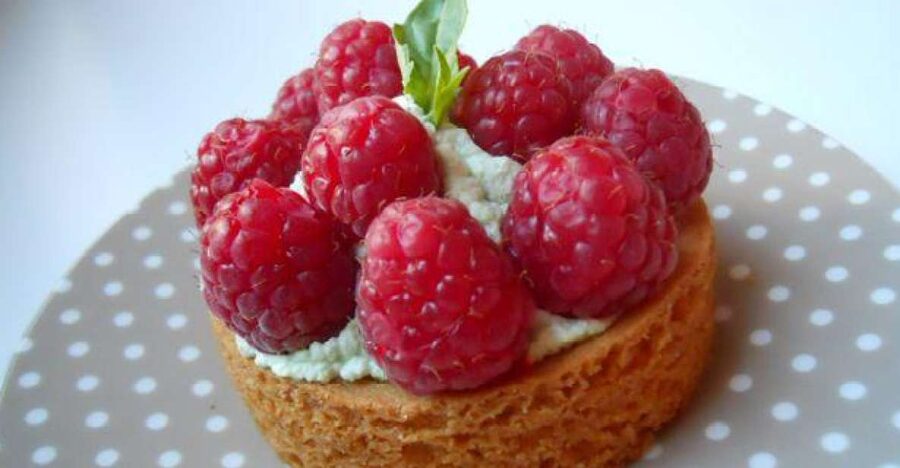
- You bake 2 to 3 classic desserts chosen to match the season, such as Paris-Brest or soufflés
- Tea or coffee tasting in the loft-style atelier lets you slow down and chat after class
- English recipe copy plus apron makes it easier to recreate what you learned at home
Inside Chef Noémie’s loft atelier on Rue Nollet
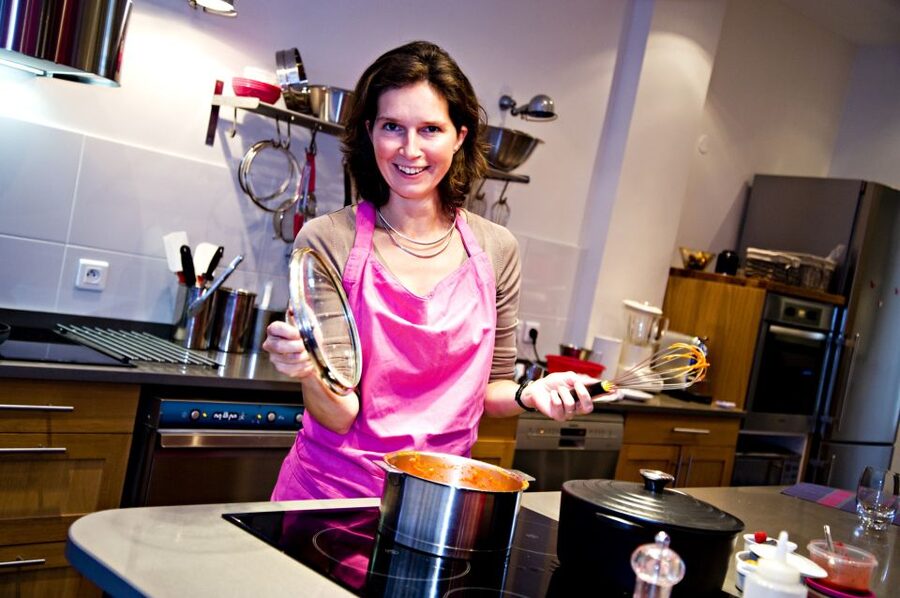
This class takes place in a private loft setting at 92 rue Nollet, 75017 Paris. The vibe matters. Cooking in a real work space, not a crowded studio, means you can focus on the dough, batter, and timing without feeling rushed or jostled.
Chef Noémie is the center of the experience. She’s a graduate of the Lenôtre Culinary Institute, and you feel that training in how she explains why steps matter. Instead of only telling you what to do, she guides you through the process so you understand what you’re aiming for, like the right texture for pâte à choux or the right aeration for a soufflé.
A big practical plus is the English-language side of it. You get English guidance during class, plus an English copy of the recipes to take home. If you’ve ever tried to bake from a French-only recipe and got stuck halfway through, this is the kind of small support that saves a lot of frustration.
You can also read our reviews of more cooking classes in Paris

How the 150-minute class actually flows
The class is set for 150 minutes, which is long enough to learn, bake, and taste what you make. The best part is the pace: you’re not just being shown slides, and you’re not stuck waiting for turns either.
Here’s what you should expect in the rhythm of the session:
You start with an introduction to the desserts chosen for that day and the core technique behind them. Then you move into step-by-step guidance as you measure, mix, assemble, and finish your pastries. The “secret sauce” here is not hidden ingredients, it’s technique: how you handle dough, how you manage heat, and how you avoid common mistakes.
In a small group of up to 8, you also get the benefit of watching what happens when someone else pipes, mixes, or assembles. That gives you quick context for what looks right and what needs adjusting.
Chef Noémie also weaves in practical explanations as you work. This is where the Lenôtre training shows, because it’s not just about finishing a dessert today. It’s about giving you a mental checklist you can use later, especially for things that rely on timing and consistency.
What you might bake: classic French desserts, chosen by season
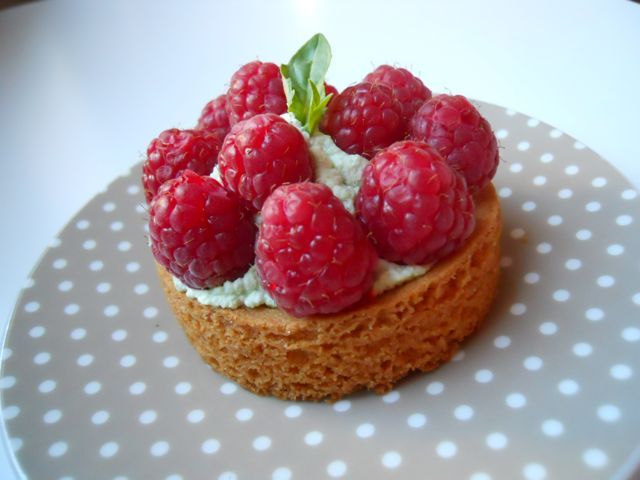
You’ll likely make 2 or 3 famous French desserts, and the exact selection can shift depending on the season. The class highlights include desserts such as:
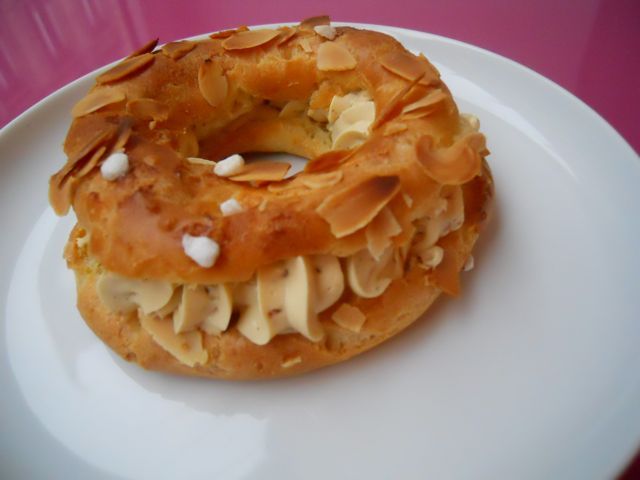
- Paris-Brest
- Molten chocolate cake
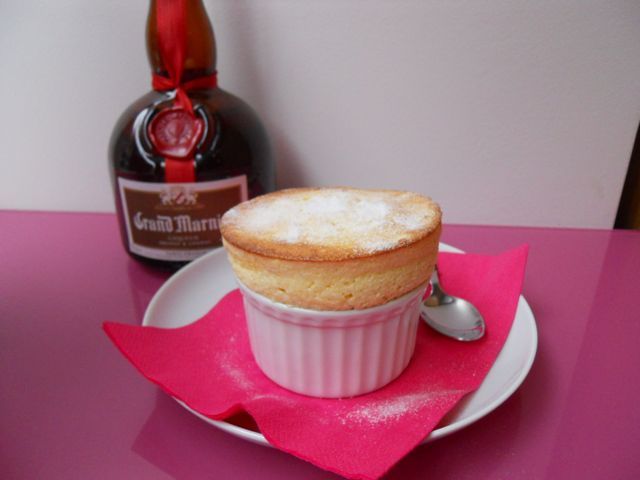
- Grand Marnier soufflés
Even if you don’t get every one of these, the important takeaway is how the techniques connect. Many French pastries depend on core methods. When you learn those methods in the context of a real dessert, your skills transfer.
For example, desserts like Paris-Brest often hinge on pâte à choux, which means your learning is not just about one final shape. You practice the fundamentals that influence structure: the mixing consistency, the baking result, and how it should look before you assemble and finish.
Molten chocolate cake is a different kind of lesson. The focus is more about heat control and doneness. You’re learning how to aim for a set outside and a molten center, so the dessert delivers the texture you expect, not a chocolate disappointment.
And soufflés teach a high-value skill: how to handle delicate batter and how ovens and timing affect lift. Even if soufflés feel intimidating from afar, learning them step by step in a supportive class can shrink that intimidation fast.
Hands-on time in a small group, plus how to get the most out of it
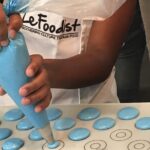
Because the group is limited to 8 participants, the experience stays interactive. You’re not just watching, you’re working at the bench and using tools like piping equipment as the class progresses.
That said, pastry classes often use a coach-and-cook approach, where Chef Noémie demonstrates key steps and then you copy the process. So you’ll likely have a mix of hands-on moments plus short teaching pauses. That’s normal, and it can actually help. If you try to do everything at once while learning a new method, you miss the cues that make your end result improve.
Here’s how I’d maximize your odds of feeling truly hands-on:
Bring your curiosity. Ask questions as soon as you hit a confusion point, especially about texture, timing, or how to know when something is ready. Chef Noémie is known for answering questions and adjusting instruction to the group, which is exactly what you want when you’re learning.
Pay attention to the “why,” not just the “do.” When Chef Noémie explains the technique behind a step, it turns into practical knowledge you can carry home. That’s what turns a one-time baking win into repeatable skill.
Don’t be afraid to go at a beginner pace. The class is set up for small-group teaching, and you’ll see in the overall teaching style that patient pacing is part of the package. Even kids can enjoy it, which usually means the instructions are clear and the bench tasks are approachable.
What the tea or coffee tasting adds after baking
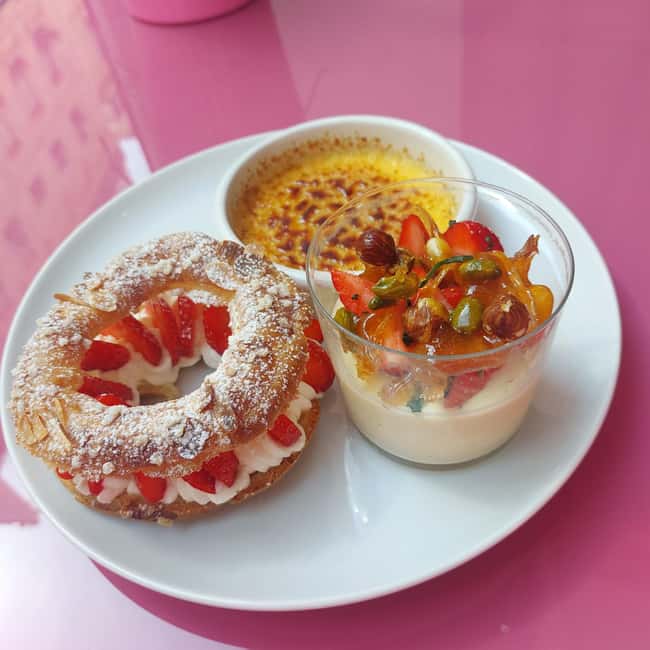
After you finish baking, you sit down to taste what you made. You’ll have tea or coffee as you enjoy your desserts in Chef Noémie’s loft-style atelier.
This part matters more than it sounds. It gives you a chance to connect your baking choices to the final outcome. If something looks slightly off, tasting it helps you understand whether the issue was dough texture, heat timing, sweetness balance, or assembly.
It’s also social in a good way. You can chat with Chef Noémie and ask follow-up questions while you’re eating. That informal time is where people often clarify details they missed during a faster step.
If you like foodie souvenirs, this is a real one. You’re bringing home a recipe copy, yes, but you’re also bringing home an edible reference point. That’s the difference between reading a recipe and actually being able to bake it.
More Paris tours and experiences for the shortlist


Value and pricing: what you’re really paying for
At $141 per person for 150 minutes, this class isn’t a budget activity. But you are paying for more than the fact that it’s in Paris.
You’re paying for:
- A trained chef (Lenôtre Culinary Institute graduate) teaching in a real, private space
- Small-group attention (max 8), which can be hard to find at this price point
- Hands-on pastry work plus a tasting
- Practical extras that help you bake at home, including an English recipe copy and an apron
- A class format that’s structured around multiple classic desserts and techniques
If you’re comparing to larger group cooking experiences, the small size is a big value driver. You’re more likely to leave with techniques that actually make sense to you.
If you’re comparing to a one-off pastry shop visit, this is the better deal for learning. You’ll eat, yes, but you’re also building skills you can use on future weekends at home.
Who this pastry class suits best
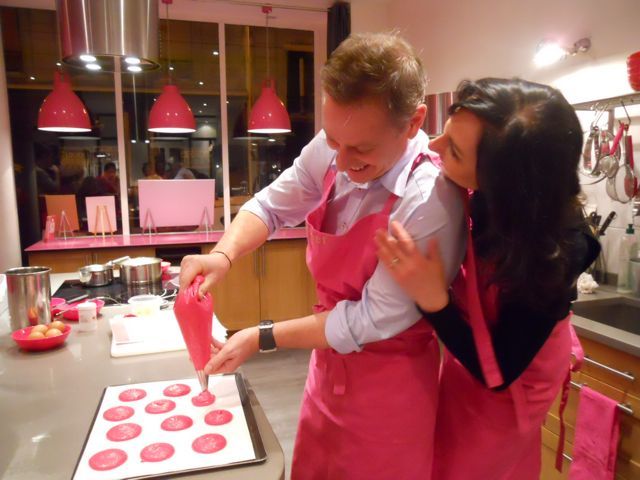
This experience is a strong fit for anyone who wants a guided path into French pastry, without needing to already know the basics. It’s also a good choice if you’re traveling with family or mixed ages, because the class is taught in a way that supports different comfort levels at the bench.
It’s especially good for:
- Beginners who want clear steps and quick feedback
- People who love desserts but want technique, not just sugar
- Food travelers who want something more hands-on than museum hours
- Anyone who wants a memorable Paris experience beyond sightseeing
If you’re the type who only wants full-time hands-on baking with zero pauses, this might not match your exact expectations. The structure is coached. But if you want the fastest path from confusion to competent baking, that mix is usually a feature, not a bug.
Quick logistics that matter once you decide
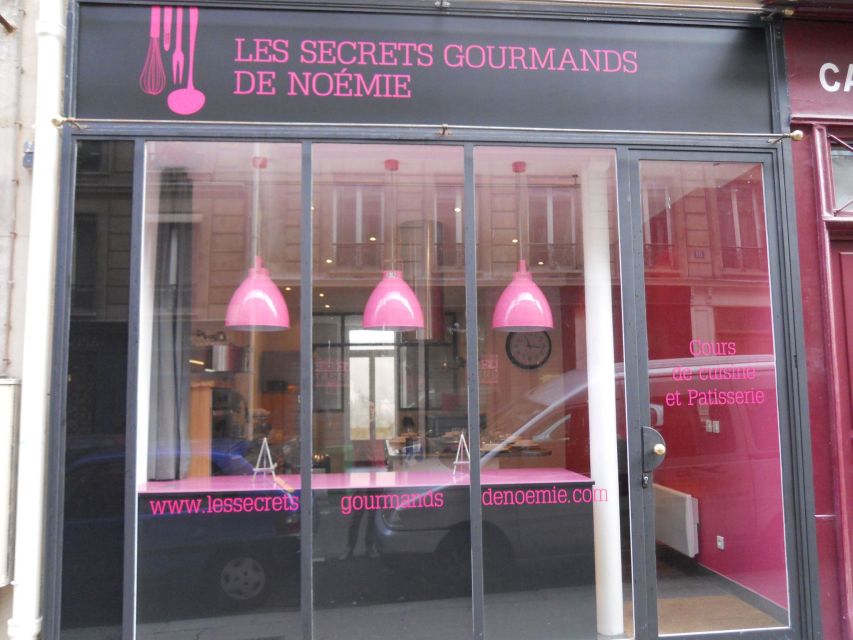
The meeting point is 92 rue Nollet, 75017 Paris. Getting there is straightforward by public transit.
- Subway: Line 13, stations Brochant or La Fourche
- Bus: N° 66, 54, 74 (Legendre stop), and N° 31 (Parc Martin Luther King stop)
- Train option: Navette Péreire Pont Cardinet (Pont Cardinet stop)
On-site rules are simple: no pets and no smoking. The class is English-language, and it’s limited to 8 participants, so it feels manageable.
Should you book this Paris French pastry class?
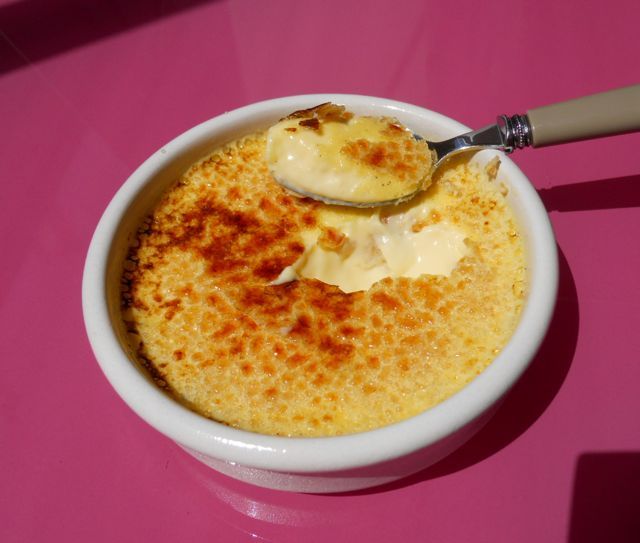
I’d book it if you want a technique-focused French baking experience in a small group, with Chef Noémie leading the class and an outcome you can taste right away. The biggest selling points for me are the careful step-by-step approach and the fact that you leave with English recipes plus a guided learning process that helps you repeat the results at home.
I would hesitate only if you dislike any demo style at all. Since pastry teaching needs brief demonstrations for best results, you may not be hands-on nonstop.
If you’re aiming for a practical, memorable Paris food activity where you actually learn something, this is the kind of class that earns its spot on your itinerary.
FAQ
How long is the French pastry cooking class?
The class duration is 150 minutes.
Is the class offered in English?
Yes. The class includes English-language instruction and an English-language copy of the recipes.
What kinds of desserts will I make?
You’ll bake 2 or 3 famous French desserts, such as Paris-Brest, molten chocolate cake, and Grand Marnier soufflés. The exact choice can depend on the season.
Are tea or coffee included?
Yes. Tea and coffee are included, and you’ll have a chance to taste the desserts after the class.
What is included besides food?
You’ll receive an apron to use during the class, and you get an English recipe copy to take home.
Where is the meeting point in Paris?
The meeting point is 92 rue Nollet 75017 Paris. Subway options include Line 13 at Brochant or La Fourche.
Are pets allowed or is smoking permitted?
No. Pets are not allowed, and smoking is not allowed.
More Workshops & Classes in Paris
More Cooking Classes in Paris
More Tour Reviews in Paris



Not for you? Here's more nearby things to do in Paris we have reviewed









Paris City Tours, side by side.
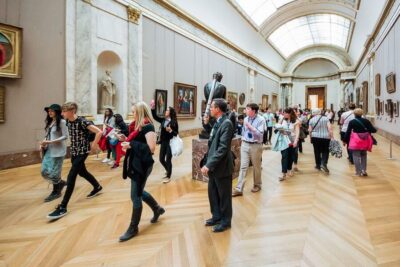 ★ 4.6Louvre Museum Timed-Entrance TicketTickets from $2671,977 guest reviews
 ★ 4.6Disneyland® Paris 1-Day TicketTickets from $6149,412 guest reviews
 ★ 4.6Versailles Palace and Gardens Full Access TicketTickets from $1741,579 guest reviews
 ★ 4.6Arc de Triomphe Rooftop TicketsTickets from $1834,264 guest reviews
 ★ 4.7Orsay Museum Entry TicketTickets from $1525,647 guest reviews
 ★ 4.4Evening River Cruise with MusicTickets from $2722,721 guest reviews
 ★ 4.4Eiffel Tower Entry Ticket with Optional Summit AccessTickets from $2920,035 guest reviews
 ★ 4.3Eiffel Tower Summit or Second Floor AccessTickets from $5917,248 guest reviews
This tour also belongs to