
Review · LE MARAIS TOURS
Marais: Discover the Medieval Heart of Paris
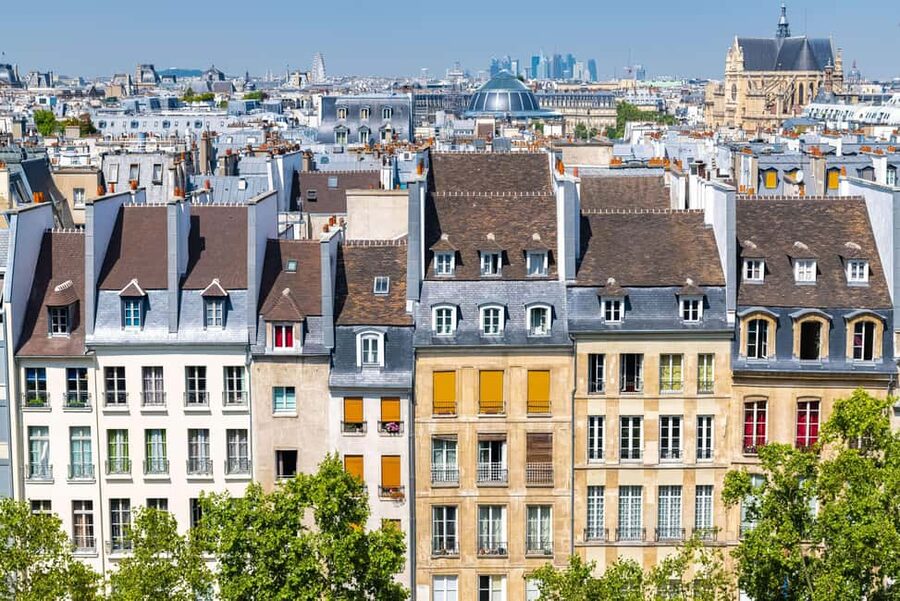
A medieval quarter under modern shop lights. That is the Marais feeling you get on this 150 minute walk. You spend the morning-ish time moving from the oldest medieval streets into designer storefronts, with stops tied to writers, courtiers, and Jewish community landmarks.
I like how the tour threads big names and small hidden corners into one route. You will see Place des Vosges, Maison de Victor Hugo, and the Hôtel de Sully area, then shift toward the current Marais vibe around boutiques and cafés. The one drawback to consider is simple: it is a walking tour. Comfortable shoes and a steady pace matter, especially if you are hoping to linger at every photo stop.
Key Takeaways Before You Go
- Medieval to modern in one route: Templar era origins, then synagogues and today’s Le Marais shopping streets.
- Real local themes: The Jewish quarter focus, plus LGBT-friendly contemporary Marais energy.
- You get access beyond the obvious: Hidden spaces and enclosed stop points that are hard to spot on your own.
- Victor Hugo’s home is part of the story: Not just a name drop, but a dedicated stop at his Maison.
- Guides matter here: Max, Sacha, and Malakas were praised for history, energy, and adapting to questions.
Why the Marais Feels Different Than the Usual Paris Route
The Marais is famous, but it can still surprise you, and this tour leans into that. The theme is the medieval heart of Paris, originally a swamp drained by the Templar Knights in the 13th century, then layered over by noble life in the 14th and 15th centuries.
What I like is the time balance. You are not stuck in one era. You start near Pl. de la Bastille, work toward Place des Vosges, then move into the shopping-and-arts side of town, ending around major modern icons like Centre Pompidou.
One practical note: this is an outdoor-heavy walk. Even with guide-led stops, you will want to be ready for wind, rain, and cold. Bringing an umbrella is a smart call, and it is explicitly suggested.
You can also read our reviews of more tours and experiences in Paris.



Meeting at Bastille and Getting Oriented Fast
You meet at 3bis Pl. de la Bastille. The guide waits with a sign reading My Super Tour at the exit of metro station Bastille, exit 7 (sortie 79). The station is served by lines 1, 5, and 8, which makes it easy to reach from lots of directions.
This matters because the tour’s sweet spot is momentum. If you start late or get turned around, you lose the flow from early medieval streets into the Jewish quarter and then onward to modern Marais. Take a moment before your time slot to confirm you are at the correct exit.
Rue des Tournelles to Place des Vosges: The Medieval Spine
Right after you start, you walk toward 21bis Rue des Tournelles. Then you hit Place des Vosges, and that is the kind of stop that helps your brain lock onto the area.
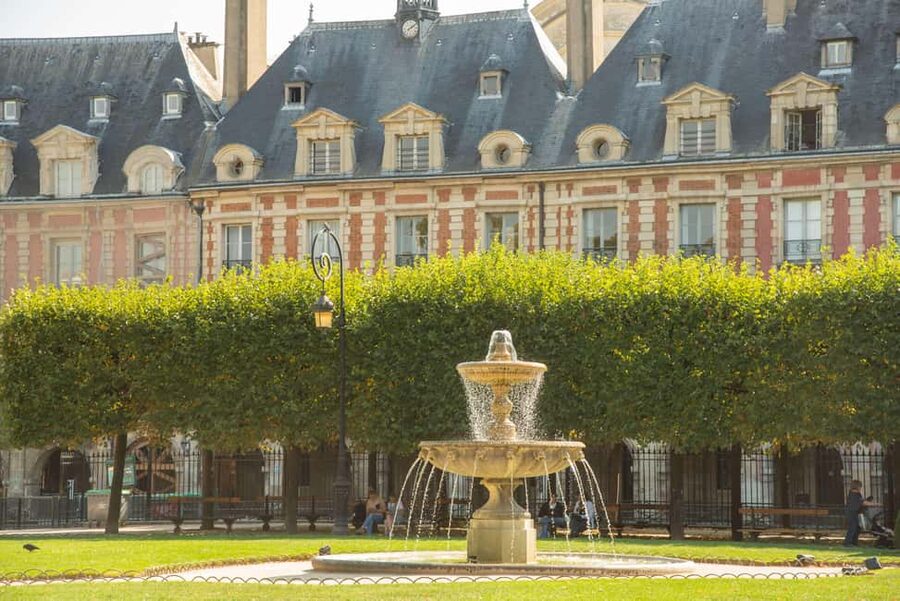
Place des Vosges is Paris’s oldest square, and on this route it works like an anchor point. Your guide connects the architecture around you to the medieval-era transformation of the area, so the streets stop feeling random. You get a clear sense of what was built, what changed, and why it still looks like it belongs to a different century.
Also, this is a good spot for photos because it is a readable space. If you are the sort of person who needs a few minutes to orient before the smaller lanes and side doors come at you, you will appreciate this early rhythm.
Maison de Victor Hugo and the Courtyard-Luxury Feel of the Marais
Next comes Maison de Victor Hugo, with a dedicated visit stop. This is where the tour gives you more than postcard Paris. You connect an iconic writer to the neighborhood itself, and you start noticing how the Marais has long attracted people with power, status, and influence.
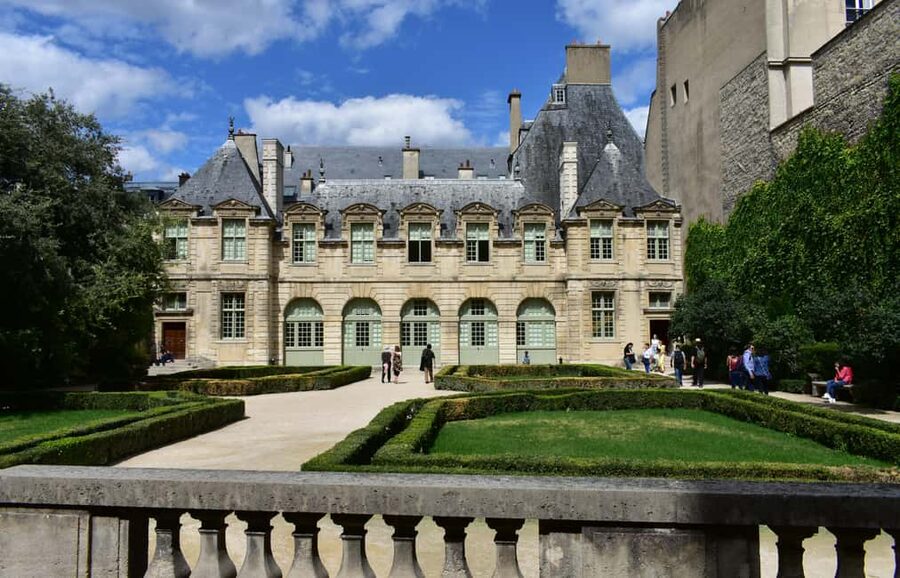
Then you move to Hôtel de Sully. You get a photo stop, a visit, and a short guided segment. This is one of the most useful transitions on the walk because it shifts the focus from “pretty square” to “who lived here, and why.”
What I like about this part is the social layer. You hear how opulent mansions once hosted royal ministers, courtesans, and French aristocrats. That context changes your perspective when you glance at the façades and think, okay, these buildings were made for real lives, real ambition, and real money.
Saint-Antoine and the Jewish Quarter Shift You Can Feel
After that, you move along 99 Rue Saint-Antoine and toward Rue des Rosiers. This is where the tour turns toward the Jewish community’s landmarks and daily life.
Rue des Rosiers is famous, but the tour’s value is in how it connects food, community meeting points, and synagogue history. You will learn about the oldest synagogue in Paris, and you will also hear about the only synagogue in Art Deco style. Those details help you understand that this is not one museum stop. It is a living neighborhood with multiple layers.
You also get practical cultural context through what you see around you. The walk includes stores and restaurant areas associated with Jewish treats like falafel, hamantaschen, and Hanukkah Jelly Donuts. If you like food as a clue to culture, this section is a real win.






Secret Stops, Masons, and Hidden Spaces You Would Miss
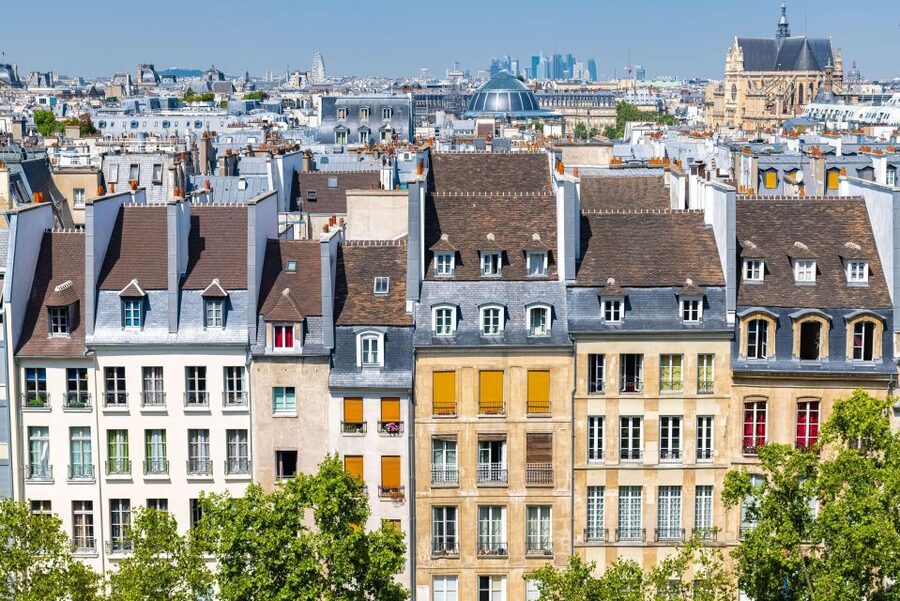
The Marais has a talent for hiding things in plain sight. This tour leans hard into that.
You get a secret stop that is both a photo stop and a guided visit. The whole point is to show you spaces you would not find on your own because they sit behind ordinary-looking entrances or within tight corridors that most visitors do not notice.
The guide also covers Masonic temples and lodges. Even if you know nothing about Freemasons, the tour frames why these meeting places matter in a city full of private power networks. You start to see how architecture can function like a password: the outside looks calm, but the inside connects people.
From a “should I book this?” standpoint, this is one of the most persuasive parts. If you already know major landmarks, the value here is access to the in-between spaces.
Halle des Blancs Manteaux and the Marais Side That Lives Today
After the more medieval and ceremonial stops, you step into the Halle des Blancs Manteaux. This is another short guided segment, but it adds an important change of pace. You shift from historical big stories to the current texture of the neighborhood.
Then the tour includes a stop at UNIQLO LE MARAIS. Yes, it is a modern brand in a medieval district, but that contrast is exactly the point. This is one of the ways the tour shows how the Marais has absorbed today without erasing the old.
From there you visit Picasso Museum Paris, with guided time and sightseeing. The inclusion makes sense because it keeps your route tied to arts and creative life. Even if you are not a diehard Picasso fan, the museum stop helps you understand why the Marais became a magnet for artists and fashion people over time.
National Archives Garden, Rue Sainte-Croix de la Bretonnerie, and Pompidou
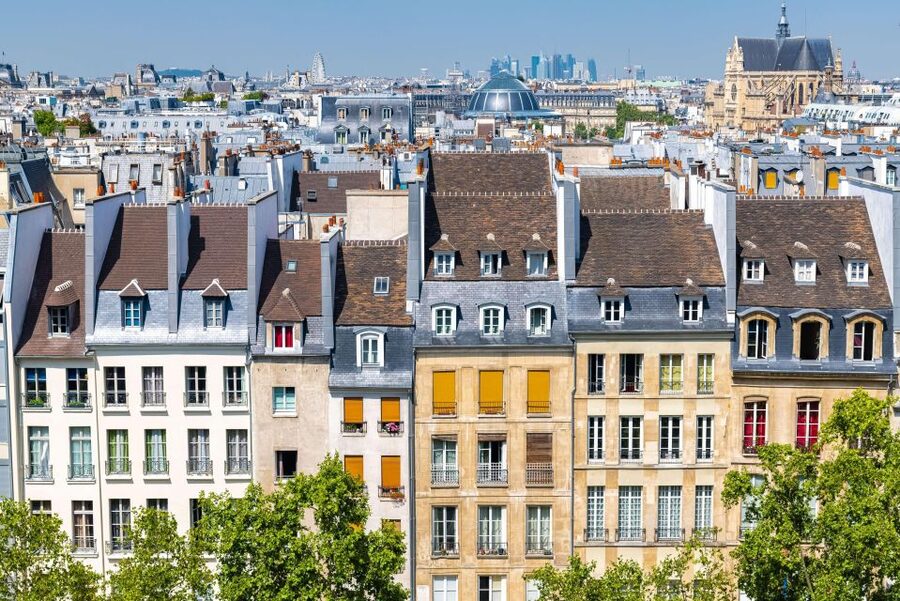
Next you reach the National Archives Garden for a photo stop, visit, and guided segment. Gardens like this are a good reset during a walk that mixes architecture and stories. You get a breath of calm without losing momentum.
Then comes 30 Rue Sainte-Croix de la Bretonnerie, with guided time and shopping. This is where you can slow down a little and pick up what you want, from small items to local style. If you like to buy one useful souvenir instead of ten decorative magnets, this is a practical place to do it.
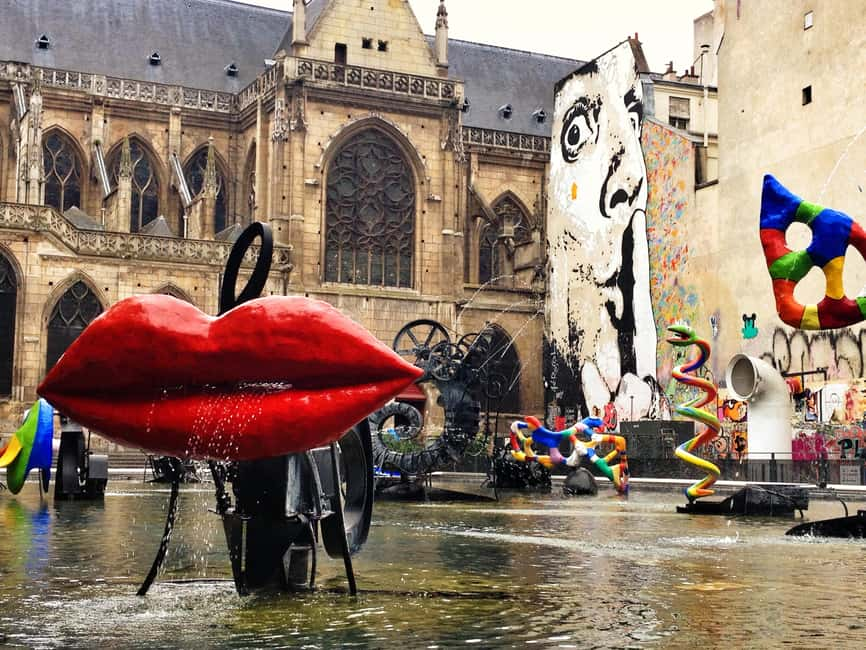
The tour finishes around Centre Pompidou with a photo stop and guided tour time. This acts like a final “modern Paris” stamp. The Marais in one day is more than medieval streets, it is also where contemporary culture has space to exist in the same neighborhood as old stone.
How Guides Make or Break This Tour
This tour gets strong praise for its guides. Max is noted for being enthusiastic and for bringing history and politics expertise to the walk. Sacha earned repeat praise for knowing his material and answering questions on the spot, plus showing secret gardens a tourist might miss.
Malakas also stood out for clear knowledge and good explanations, even when the weather was rough and cold. That last detail matters because no one wants their history walk to collapse the moment it rains.
I also liked the way one guide adjusted to interests. For example, a booking that included a guide and two daughters reportedly had the tour tailored with fast, relevant answers. That is exactly what you want on a walking tour, because it keeps you engaged instead of watching someone read a script.
Price and Time: Is $50 Worth 150 Minutes?
At $50 per person for 150 minutes, this tour is priced like a solid guided experience, not a casual free-for-all. You are paying for two things you cannot easily DIY: guided context that ties architecture to real people, and access to smaller, less obvious stops.
You also get a route that covers both the medieval focus and the modern Marais shift. That saves you time. Instead of bouncing between separate attractions, you get a single guided storyline that moves from Templar-era origins and the Place des Vosges core, through Jewish community landmarks and food spots on Rue des Rosiers, then into arts and shopping stops and ending near Centre Pompidou.
If you are a solo traveler who loves structure, it will feel efficient. If you prefer wandering freely all day, you may feel constrained by the schedule. But for most people, 2 and a half hours is the sweet spot.
What to Bring for a Comfy Walk
You are told to bring:
- Comfortable shoes
- A bottle of water (not included)
- An umbrella for security (bring one)
That umbrella note is worth taking seriously. If rain hits, you will still be walking between stops. Water matters because you are outdoors for much of the time.
I also recommend keeping your phone camera ready but not obsessive. The guide’s stops are specific, so focus on listening first, then photograph once you understand what you are looking at.
Who This Tour Suits Best
This experience fits you if you want:
- A guided path through the Marais that ties architecture to people and community life
- A balance of medieval landmarks and modern neighborhood energy
- Jewish quarter highlights including synagogues and local food-related streets
It is also a good match if you like questions. The guides named in recent bookings were praised for answering and for adapting the pace.
If you are traveling with limited time and you want more than one theme in a single walk, this works well.
Should You Book Marais: Discover the Medieval Heart of Paris?
Yes, book it if you want a structured way to see the Marais beyond the obvious. The best reason is the mix of stops: Place des Vosges, Maison de Victor Hugo, Hôtel de Sully, synagogue-related landmarks around Rue des Rosiers, and then the modern shift with Picasso Museum Paris and Centre Pompidou.
Skip it if you are only interested in one kind of sightseeing, like purely museums, or if long walks are not your thing. Also, if you already know the Marais deeply and crave only independent wandering, you may prefer a self-guided route.
If you want the neighborhood story told in walking form, this tour gives you a clear path and, importantly, stops you would not find on your own.
FAQ
Where does the tour start?
The meeting point is 3bis Pl. de la Bastille.
What is the meeting point location at the metro station?
The guide waits with a sign that says My Super Tour at the Bastille metro station exit 7 (sortie 79).
How long is the tour?
The duration is 150 minutes.
How much does it cost?
The price is $50 per person.
What languages are available?
The live tour guide is available in English and Russian.
Is the guided tour included?
Yes. The tour includes an experienced professional local guide.
What should I bring?
Bring comfortable shoes. You should also bring water and an umbrella.
Is any cancellation allowed?
Yes. You can cancel up to 24 hours in advance for a full refund.
Will there be food along the route?
The route includes areas with Jewish street-food options such as falafel, hamantaschen, and Hanukkah Jelly Donuts.
What major stops are on the itinerary?
You can expect stops such as Place des Vosges, Maison de Victor Hugo, Hôtel de Sully, Rue des Rosiers, Halle des Blancs Manteaux, Picasso Museum Paris, National Archives Garden, and Centre Pompidou.
More Tour Reviews in Paris
Not for you? Here's more nearby things to do in Paris we have reviewed












Le Marais Tours, side by side.
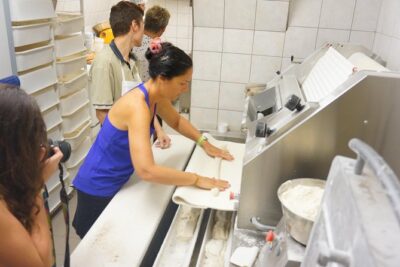 ★ 4.5Award-Winning Paris French Bakery Experience — Le Marais, 4th ArrTickets from $1141,186 guest reviews
 ★ 5.0Paris Le Marais Food Tour With 10+ Tastings, Cheese, Wine & MoreTickets from $102985 guest reviews
 ★ 4.5Paris Le Marais District Original Food and Wine Tasting TourTickets from $157880 guest reviews
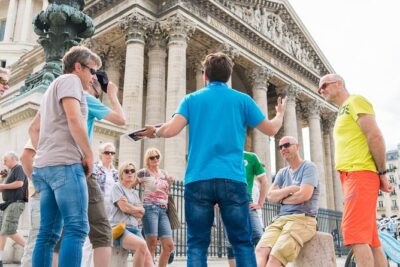 ★ 5.0Paris Bike Tour Hidden Secrets in the Latin Quarter & Le Marais neighborhoodsTickets from $54766 guest reviews
 ★ 4.9Food and Wine Tasting Walking Tour in Le MaraisTickets from $113446 guest reviews
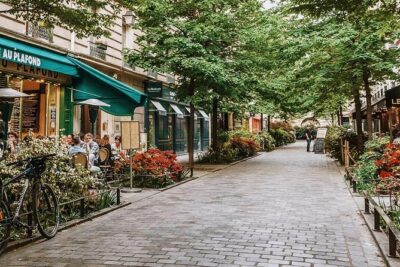 ★ 5.0Le Marais District & Jewish Quarter Guided Walking Tour 12ppl MaxTickets from $59361 guest reviews
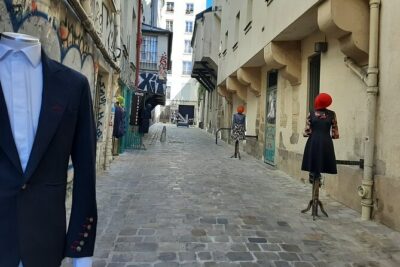 ★ 5.0Le Marais/Paris – The Historic, Trendy, Jewish, LGBT districtTickets from $48341 guest reviews
 ★ 5.0Paris Le Marais Food & Wine Tour with Eating EuropeTickets from $163297 guest reviews
This tour also belongs to