
Review · WORKSHOPS
Further training workshop
Paris turns into a camera training ground. In this private 3-hour workshop, you get a professional photographer teaching how to make postcard shots around Île de la Cité and the Latin Quarter, with stops at Notre-Dame, the Louvre area, and more.
I like the small group of up to four, because you get real back-and-forth instead of generic instructions. I also like that the lesson is built around technique like exposure, lighting, and composition, so you do not need specialist gear, just your camera.
One thing to consider is that the tour does not include a camera. If you do not already have one you can use confidently, you will want to plan ahead.
Key things I’d focus on
- Up to four people means hands-on coaching while you shoot
- No specialist equipment needed, just bring your camera and follow the lesson
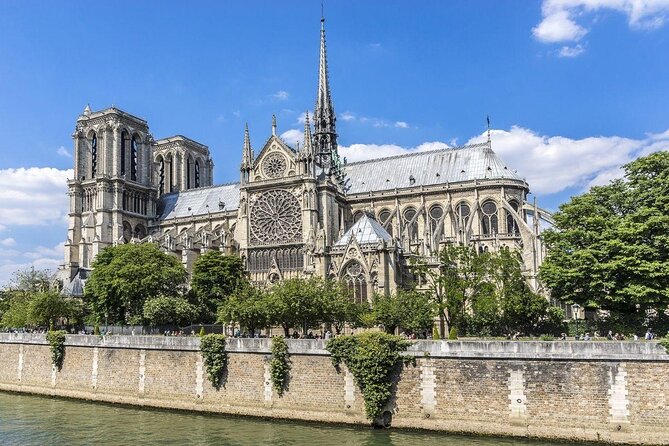
- You practice at major landmarks, including Notre-Dame, the Louvre area, Tuileries, Eiffel Tower, and Pont Neuf
- Timing and angles matter, with stops designed around light changes as you walk
- Mobile ticket keeps check-in simple, with the tour ending back at the meeting point
- Alexander’s teaching style gets praise for being patient and informative
A 3-hour, up-to-four photography workshop in Paris
This is not a museum lecture. It is a practical street-photo session where you learn by doing, as you move from one famous spot to the next.
The format is built for learning fast. You stay together as a compact group, so you can try a shot, get a quick suggestion, and try again while the scene is still right. At a normal group tour, you might spend time waiting for the crowd. Here, you spend time shooting.
The price is $190.10 per person for about 3 hours. That sounds steep until you remember what is included: a local guide plus a professional photographer professor leading a private workshop. When you compare it to the cost of hiring a photographer for a single outing, the value starts to make sense, especially for small groups.
More Paris tours and experiences for the shortlist


How Notre-Dame helps you learn angles, exposure, and “real photo” framing
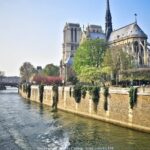
Your first big target is Cathedrale Notre-Dame de Paris, for about 30 minutes. Even if you have photographed Notre-Dame before, this kind of coached start helps you stop relying on luck.
Here is what you can work on right away:
- Exposure control: Notre-Dame’s stone has lots of detail, but sky brightness can fool your camera. You get a chance to adjust how your camera reads the light.
- Composition choices: You can frame towers wide, or concentrate on arches and symmetry. Changing your position changes the story.
- Lighting tactics: The cathedral works differently depending on where the sun is and what the clouds do. This first stop sets the baseline for the rest of the walk.
Since admission tickets are listed as free for the stop, the experience is set up so you can focus on photography rather than paying to enter. You get the landmark, but you also get training in how to translate what you see into a clean image.
Practical note: bring a lens you can actually work with. If you have options, a moderate zoom can help you switch from a wide cathedral view to details without constantly changing position.
The Louvre area: how to shoot a landmark without getting stuck
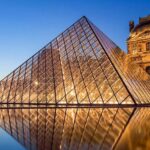
Next you move to the Louvre Museum area for another 30 minutes. The key here is approach. You are not only aiming to get a postcard. You are learning to make one coherent image out of a busy scene.
The Louvre is a challenge in a good way. You have strong geometry, lots of reflections, and a lot of visual “noise.” A good photo session teaches you how to cut through that.
What this stop is good for:
- Keeping lines under control: courtyards, roofs, and facades love to create converging lines. You learn when to let them converge, and when to correct your framing.
- Trying different viewpoints: small shifts in your feet can fix a distracting background.
- Working with contrasts: bright stone and darker shadows can help you learn what your camera does under mixed light.
And because the plan lists admission ticket free here too, you can keep the focus on the camera skills instead of budgeting time for paid entry or ticket lines.
Tuileries Garden: practicing “soft light” and steadier framing
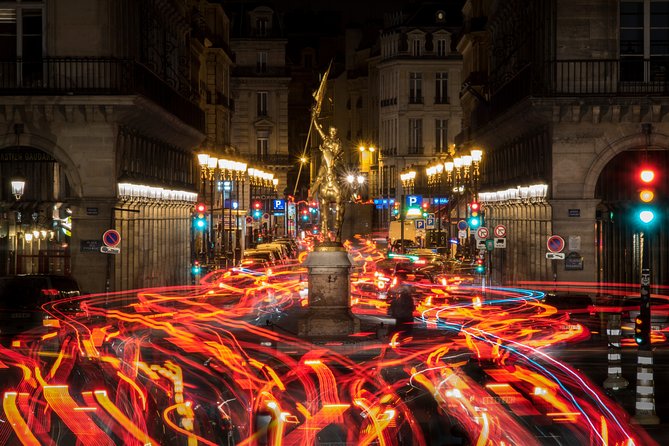
After that, you head to the Tuileries for 30 minutes to photograph the garden. Gardens can sound like a break, but they are excellent practice for photography basics.
Why? Trees, statues, and pathways give you texture, leading lines, and layered depth. You also get more opportunities to work at eye level, low angles, and near-still subjects.
This is where you can test ideas like:
- Foreground, midground, background: even a small shift can separate the layers.
- Depth and focus choices: your camera’s focus behavior matters here, especially when you are near plants and hard edges like stone.
- Light filtering through leaves: it is a natural way to practice exposure and contrast without needing dramatic weather.
This is also a nice moment to slow down. If you rush at the big monuments, you often forget to watch for small compositional wins. A guided photo stop gives you permission to take your time, then try again with a better frame.
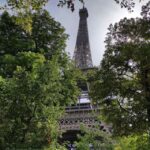
Eiffel Tower training: shooting big without losing control
The Eiffel Tower stop is another 30 minutes, and it is one of the most important for learning photo discipline.
Everyone wants the “big shot.” The problem is that big subjects attract clutter, crowds, and distractions in the frame. This is where a pro’s guidance on composition and angles can save your photos.
What you can work on at the tower:
- Angle selection: height and perspective change everything. Even without changing your lens much, changing your position can make the frame feel intentional.
- Balancing brightness: sky and tower metal can trick your camera’s meter. You practice getting the look you want.
- Finding the clean lines: the tower is basically line work. If your horizon is off or your framing is messy, the photo will feel off even when your exposure is correct.
A small-group workshop helps here because you can pause, adjust, and get feedback quickly. Also, your guide can tailor suggestions to what you are trying to capture, instead of forcing a single style on everyone.
Pont Neuf: the bridge lesson that makes Paris photos feel less generic
You end with Pont Neuf for 30 minutes to photograph the bridge. Bridges are a shortcut to great Paris photos because they naturally create lines, reflections, and a sense of motion.
Pont Neuf is also a great place to practice “connective tissue” photos. A series of images feels better when they link visually, not just when each frame is impressive on its own.
This stop supports:
- Leading lines: railings and the curve of the bridge help guide the eye.
- Reflections and surface texture: depending on conditions, you can get subtle mirror effects that add depth.
- Story framing: a bridge view can include river light, street angles, and skyline layers, helping your set of photos feel like a walk, not a checklist.
You also get a final chance to apply earlier coaching. If your cathedral shots were too bright, you can correct exposure habits. If your Louvre framing had messy distractions, you can keep your background cleaner.
Why private coaching in a group of four actually matters
A group photo workshop sounds good on paper, but the difference between okay and excellent is how often you can try, get feedback, and adjust.
Here’s how the private format pays off for you:
- You are not waiting for your turn to get instruction.
- Your guide can tailor the lesson to what you are shooting on your specific camera.
- You can compare results quickly. Try one composition, make one change, then see what happens.
The tour’s teaching staff includes a professional photographer professor, and the name Alexander comes up in feedback for being patient and informative. That kind of teaching style matters because photography is technical, but it is also emotional. You want to feel comfortable pressing buttons and experimenting without feeling rushed.
If you like to learn by practice, this format fits. If you want a strict schedule with no flexibility, it might feel too interactive. But for most camera-curious people, it is a sweet spot.
What you should bring: camera basics, not specialist gear
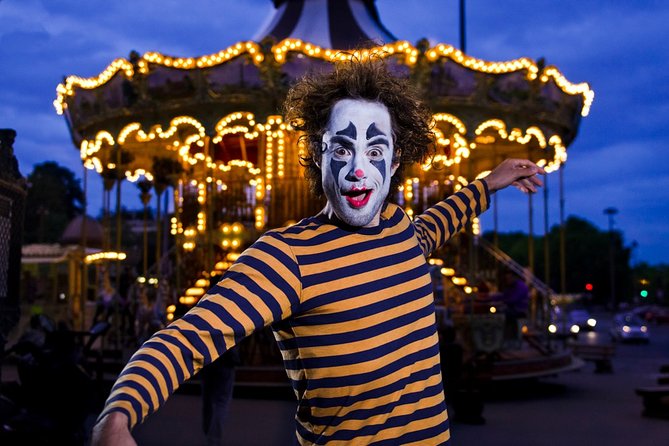
The best part of this workshop is its attitude. You do not need specialist equipment or advanced experience. Bring your camera, and your guide will tailor the lesson to you.
Still, you can make your life easier with a little prep:
- Bring the camera you use most often, not the one you hope will work.
- If your camera has multiple shooting modes, pick the one you can access quickly.
- Charge batteries fully, and bring memory cards you do not have to juggle.
You will get the most out of the workshop if you can spend time shooting rather than troubleshooting. In a three-hour window, that matters.
Also, plan for walking. You are moving between landmarks for multiple 30-minute blocks, plus the walking time between them. Wear shoes you trust, because you will likely change positions a lot.
Value: why $190.10 can be a smart spend for a first or second Paris photo skill boost
Let’s do the honest math. You are paying for:
- a local guide
- a private workshop
- a professional photographer professor
- guided photo time across multiple iconic areas
- a format that limits the group to a maximum of four people
If you tried to do this yourself, you could absolutely photograph everything. But you would not get targeted help on the stuff that usually limits photos: exposure decisions, timing, lighting interpretation, and composition choices.
That is the real value. You are not paying for famous scenery. You are paying for faster learning at the same stops you would probably visit anyway.
And because the stop plans list admission ticket free for each listed landmark, you are not forced into additional paid entry costs that can change the real budget. The tour is structured so you can keep your spending on what matters: learning time.
Who this tour is for, and who might not love it
I think this fits best if:
- you want to improve your Paris photos without joining a huge group
- you have a camera already and want practical help with settings, framing, and light
- you enjoy walking and want to practice at iconic landmarks while someone corrects your habits
It may not be the best match if:
- you do not have a camera and do not want to bring one
- you only care about quick landmark photos and do not want any coaching
- you prefer a strictly sit-down experience, because this is a walking workshop
One more thing: this experience is allowed for service animals, and it notes that most people can participate. If you have mobility concerns, you should think about the walking and position changing.
Booking this Aperture Tours workshop, should you do it?
If you are aiming to leave Paris with photos that look like you know what you are doing, this is a strong choice. The combination of small-group coaching, a named pro instructor who is praised for patient teaching, and multiple structured practice stops at Notre-Dame, the Louvre area, Tuileries, Eiffel Tower, and Pont Neuf makes the time feel purposeful.
I would book it if you want a hands-on learning session and you already have a camera. I would skip it if you are camera-free, or if your goal is only quick sightseeing without technical instruction.
The final nudge: the tour has a 5-star rating with 21 reviews and 100% recommended. In a workshop, that kind of consistency usually means the teaching style and the flow between stops are working.
FAQ
How long is the photography walking workshop?
It lasts about 3 hours.
Is this tour private, and what is the group size?
Yes. It is a private activity, with your group limited to a maximum of four people.
What landmarks will you photograph?
You will photograph Cathedrale Notre-Dame de Paris, the Louvre Museum area, Tuileries, the Eiffel Tower, and Pont Neuf.
Do I need to bring a camera?
Yes. A camera is not included.
Are tickets required for the stops?
The information provided lists admission ticket free for the listed stops.
What is included in the price?
A local guide, a private workshop, and a professional photographer professor are included.
What time does the workshop start, and where does it end?
The start time is 1:00 pm, and the activity ends back at the meeting point.
Are there multiple departure times?
Yes. You can choose from multiple departure times.
What is the cancellation policy?
You can cancel for a full refund up to 24 hours before the experience starts. If you cancel less than 24 hours before, the amount paid is not refunded.
If you want, tell me your camera model and whether you shoot in auto or manual, and I’ll suggest what to set up before you go.
More Workshops & Classes in Paris



More Tour Reviews in Paris

Not for you? Here's more nearby things to do in Paris we have reviewed



Workshops, side by side.
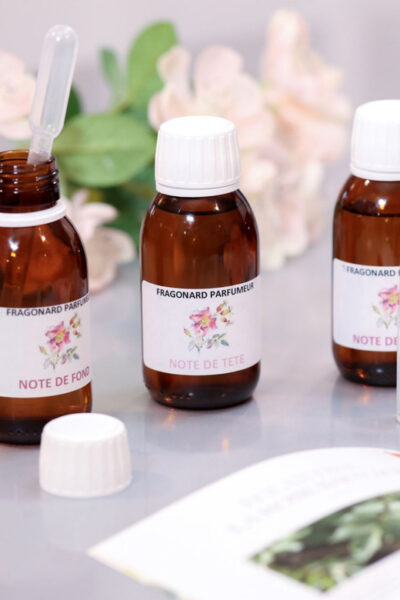 ★ 4.5Fragonard Paris: Mini Perfume WorkshopTickets from $361,924 guest reviews
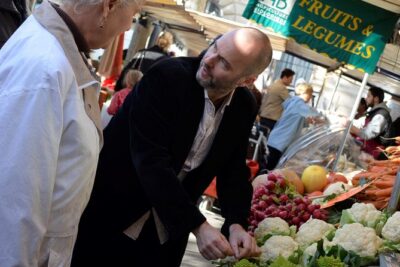 ★ 5.0Paris Cooking Class and Lunch with Wine plus Market Visit OptionTickets from $2401,024 guest reviews
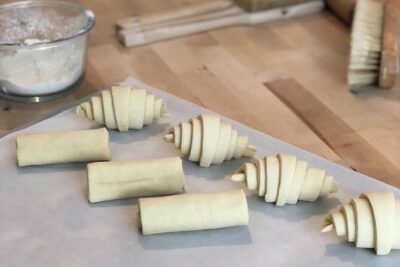 ★ 5.0Paris Croissant Small-Group Baking Class with a ChefTickets from $157910 guest reviews
 ★ 4.3Macaron Class at Galeries LafayetteTickets from $67905 guest reviews
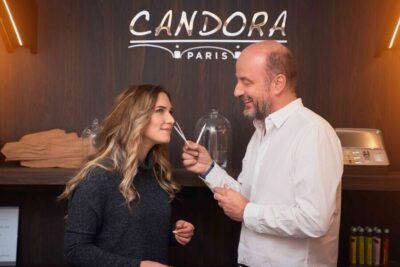 ★ 4.82-Hour Perfume Creation WorkshopTickets from $115731 guest reviews
 ★ 4.9French Croissant Baking Class with a ChefTickets from $159712 guest reviews
 ★ 5.0Paris Cooking Class: Learn How to Make MacaronsTickets from $156634 guest reviews
 ★ 4.9French Macaron Culinary Class with a Chef591 guest reviews
This tour also belongs to