
Review · ORSAY MUSEUM TOURS
Paris: 2-Hour Orsay Museum Masterpieces Guided Tour
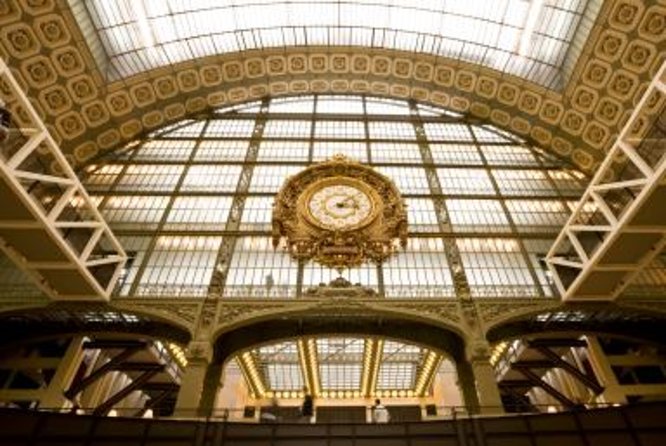
Orsay can feel like a maze, but this tour helps it click. In about 2 hours, you get a guided route through the museum’s best-known works, plus reserved entry so you do not waste time hunting for lines. It is a smart way to see the Impressionist era without guessing what matters most.
I especially like that the guide is an English-speaking art historian who points out what you should look for, not just names you already recognize. I also love the practical setup: headsets when needed, so you can actually follow the story while you are standing in front of paintings.
One drawback to keep in mind: sound issues can happen. A few people reported trouble hearing the guide, sometimes tied to low volume or headset quality, so bring patience if you are sensitive to audio.
Key things to know before you go
- Reserved entry saves you from the biggest Orsay time sink: getting in.
- Art-history storytelling connects the paintings to the artists and the moment they came from.
- Headsets when necessary help you hear instructions across the galleries.
- Small-group options can keep the pace friendly, with a maximum group size of 20.
- Two hours is a highlights route, not a full museum circuit, so you will leave wanting more.
- Meeting point can be crowded, so plan to arrive early and double-check where the group gathers.
Why this Orsay tour feels worth the money
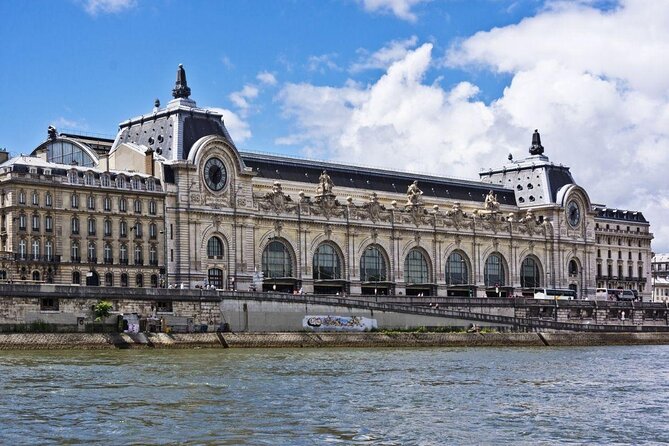
Orsay is one of those museums where you can easily burn time and still not feel like you saw the best parts. You walk in, you look around, and suddenly you realize you have drifted into rooms you did not mean to see. This tour is built to prevent that.
With the ticket and reservation included, your money goes toward two things that actually matter at Orsay: guidance and guaranteed museum access. At a place like this, the value is not only the guide. It is the fact that you are not spending your limited time figuring out entry while the clock keeps moving.
The price, $71.20 per person, may sound steep at first. But for two hours with an expert guide, the entrance ticket and reservations fee, and headsets, it is less about paying for a lecture and more about buying back your time. Orsay is big, and two hours is the kind of window where a plan beats wandering.
You can also read our reviews of more guided tours in Paris



The 5 Rue de la Légion d’Honneur start, and the end point trick
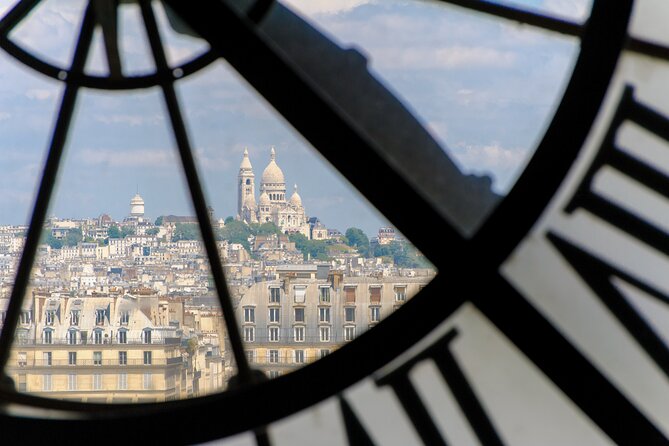
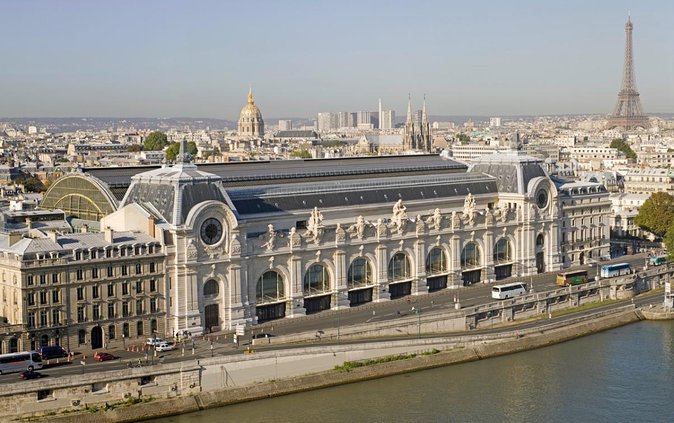
The tour starts at 5 Rue de la Légion d’Honneur, 75007 Paris, and it ends at the Musée d’Orsay Esplanade Valéry Giscard d’Estaing. That matters because Orsay is surrounded by lots of walkable streets, and you will want an easy exit when you are done.
The meeting area can be busy. Even with the address, you may still see multiple tour groups clustered around the same general zone. My advice: aim to arrive early enough that you can calmly locate your group without feeling rushed. If you have any hearing or audio concerns, getting in place early also helps with headset setup.
The tour ends at Orsay rather than taking you back out. That is a plus, because you can keep exploring on your own right after the guided highlights. If you are the type who always wants one more room, this format gives you that option.
Inside Musée d’Orsay for two hours: what you will do
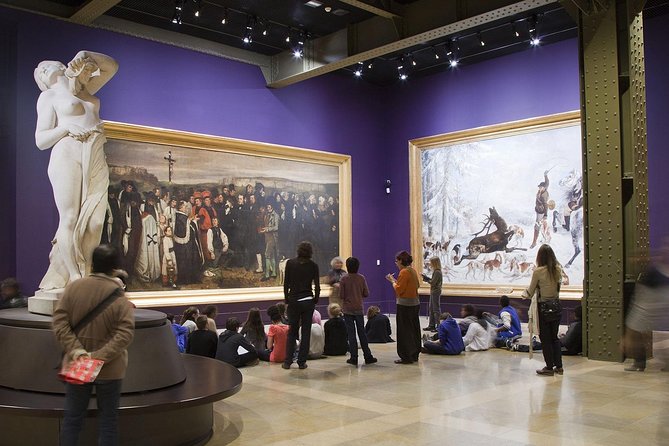
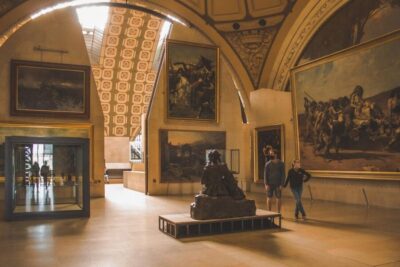
This experience centers on one main stop: Musée d’Orsay. You should think of the tour as a curated route through the museum’s most famous Impressionist and late-19th-century strengths, with context attached to the art.
The schedule is simple on paper, which is good. You arrive, get your headset if needed, meet your group, and then the guide leads you through the highlights. The goal is to cover major works and help you understand why they were controversial, what technique you are seeing, and what the artists were trying to say.
In practice, two hours goes fast. You will not see everything. You will, however, leave with a much clearer sense of where to focus when you go back for a second look.
Impressionism explained the way you actually notice it
Orsay’s biggest draw is its Impressionist collection, and this tour leans hard into that. You will get the story of the movement and the artists, but the better part is what the guide pushes you to notice.
One standout theme is the way Impressionists worked with visible brushstrokes. That is not a small detail. It is part of what made the style provocative in its time. Standing in front of the paintings with that context changes your eye, because you start looking at texture, not just images.
You also get the larger sweep: how the movement formed, what artists shared, and how individual painters approached light, scenes of modern life, and everyday settings. That is especially useful if you are not coming with a deep art-history background. You will leave with a mental map instead of just a list of famous names.
Renoir, Degas, Monet: the specific works you will likely track
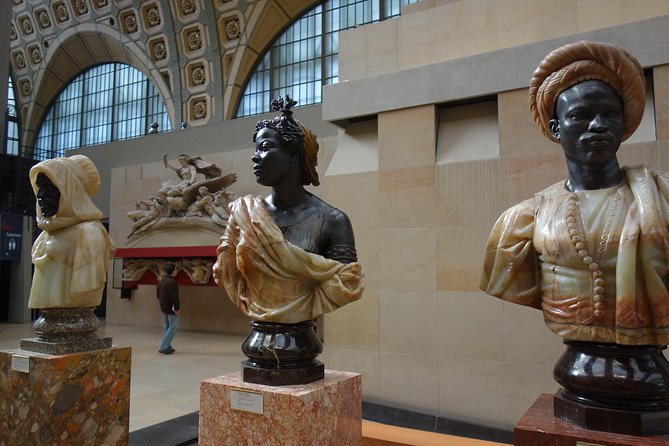
This is where the tour’s “highlights” label earns its keep. You are not just told that Renoir and Monet are important. You are guided toward the specific kinds of paintings that make Orsay famous.
The tour description points you to works by major French Impressionists, including Renoir, Degas, and Monet. You are also guided to understand how they fit into the story of Impressionism and modern Paris.
A few concrete examples the tour includes:
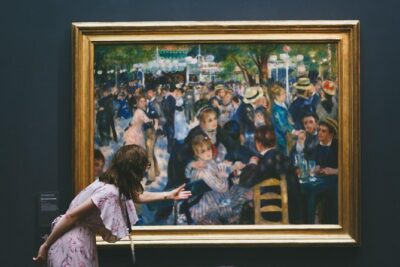
- Renoir’s Dance at Le Moulin de la Galette, tied to a typical Sunday afternoon in Montmartre.
- Degas works that help you see how he studied motion and everyday scenes.
- Monet, as part of the Impressionist focus on light and atmosphere.
One review also highlights how a guide helped the group connect styles over time, from Salon and realism into the development of the Impressionist movement. Even if you only have two hours, that sequence helps you see Impressionism as a progression rather than a sudden style switch.
You can also read our reviews of more museum experiences in Paris



Van Gogh at Orsay: not just famous, but meaningful here
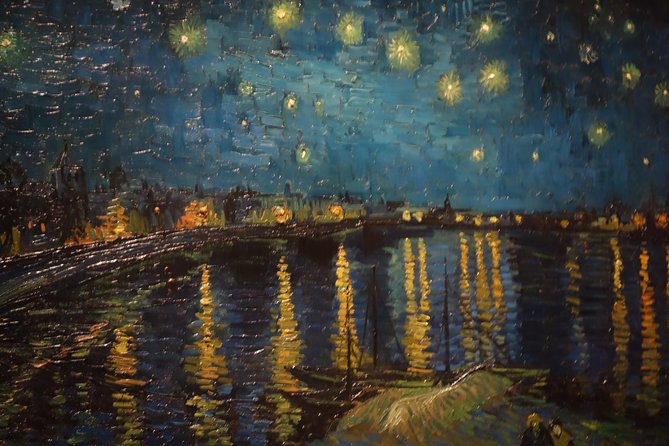
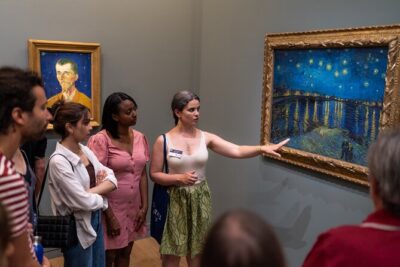
Van Gogh is Dutch, but Orsay holds one of the works visitors associate with a French setting: Starry Night over the Rhône. The tour includes this as a representation of the French city of Arles, overlooking the Rhône.
Why this matters: it is a quick way to connect Orsay to a wider European art story. It also helps you notice how mood, place, and brushwork work together. The guide’s framing can turn a well-known painting into something you understand, not just something you recognize.
If you are a Van Gogh fan, you should treat this stop as a must-pay attention moment, because it anchors the emotional side of the collection.
Seurat and Chagall moments, plus the sculpture you should not skip
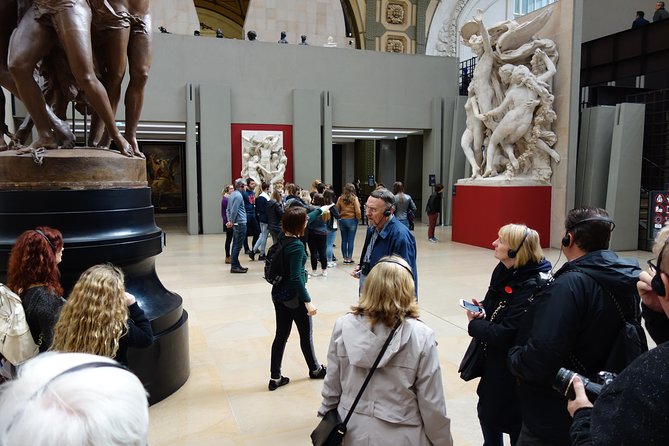
Orsay is not only paintings. A couple of the guides were praised for covering more than just flat art. Reviews mention seeing a range that can include sculptures and works such as Seurat and Chagall as part of the overall sweep.
You will not have time to do a full survey, but you can use the tour to decide what to revisit later. If a guide tells you what to look for in one sculpture or one room, you will know where to aim your own time after the tour.
This is a big value point. In museums, the cost is often not money, it is confusion. A good guide turns confusion into focus.
Guides that made the difference: names I would watch for
A tour is only as strong as its person. This experience has had excellent results with many different guides mentioned by name in the feedback.
You may be guided by:
- Hamish, praised for being an excellent guide and for a broad art and art-history overview.
- Laurent, called incredibly knowledgeable.
- Anaïs, praised for giving valuable insight into galleries and artists’ work.
- Claire, described as lovely, passionate, and knowledgeable.
- Yan, noted for telling the art story well and helping the group through crowds.
- Christina, praised for covering important highlights and also connecting the art to social and political context.
- Romana, praised for a strong, engaging approach to Impressionist painters.
- Tuni, praised for being informative and for guiding you through how the Impressionist movement came to be.
- Blerta, praised for being well versed and articulating key pieces.
- Addie, praised for an informational tour.
If you have flexibility, check your guide name when you book. Even if you cannot choose, knowing that multiple guides here have earned strong marks helps you feel safer about the experience.
Group size, pacing, and why headsets matter
You can choose a tour size option, and group size is capped. The included options mention a group of 6 or fewer (if you pick that option) or 25 or fewer (if selected), and the overall maximum is 20 travelers.
That matters because Orsay is crowded even when the museum is not packed. Smaller groups usually mean more time near the best pieces and fewer bottlenecks. Bigger groups can still work if the guide manages the flow well, but you may spend some time waiting for everyone to gather and receive headsets.
Some people reported delays around headset distribution and group assembly. The time inside galleries was still strong, but the lesson is simple: arrive a bit early so you are ready when the group forms.
Headsets are provided when necessary, and most people liked being able to hear clearly. That said, a few reports mention weak audio or headset feedback, plus one complaint about a guide speaking with a very hushed voice. If you rely on clear audio for enjoyment, keep that in mind and do not assume every headset will feel perfect.
What happens at the galleries: how the “masterpieces” route works
Here is the best way to think about the experience once you are inside: you get a route built around comprehension. The guide introduces the masterpieces and then connects them to the masters who created them.
In practical terms, that means:
- you stop at major works and learn what to look for
- you get technique explained in plain language, including the brushwork side of Impressionism
- you learn how the artists fit into Paris life and the culture around them
Some guides also slowed down for questions and gave time for photos, so do not be afraid to ask. If you know you are going to have questions, bringing them in your notes can make the tour feel even more personal.
At the same time, this is still a highlights tour. You will get enough to understand the big ideas, but you will not get the full museum experience. Think of it as “get your bearings fast,” then go back for the long look.
Logistics that affect your comfort: crowds, meeting, and pace
Orsay is famous for its art and its building, and it also means crowds. That affects two things: how long it takes to move between rooms, and how well you can hear your guide over background noise.
A few people flagged difficulty with hearing, either because the guide spoke softly or because of headset problems. Another person mentioned meeting-location confusion due to how the meeting instructions were presented. Both are solvable with one simple habit: arrive early, and keep your expectations realistic about hearing in a busy museum.
Also note that the museum is not a place where you can casually wander for your entire visit. You need to move with purpose. The tour helps you do that, and once you understand the route, your own time after the tour gets easier.
Food and timing: plan your café time wisely
This tour does not include food or drinks. That means your best move is to keep your expectations simple: the tour is about art and entry, not meals.
One review mentioned eating in the café on the 5th afterward, with food described as efficient and delicious. I cannot promise what you will find at any specific moment, but it is a good reminder that timing your meal right after the tour can help you avoid the hunger-distraction problem.
If you are doing other sights that day, this tour’s two-hour block is a clean chunk to slot into a plan.
Value check: what you are really buying for $71.20
For $71.20, you are getting:
- an expert English-speaking art historian guide
- the entrance ticket plus reservation fee for Musée d’Orsay
- headsets when necessary
- small-group structure depending on the option you choose
- a route designed to hit key highlights in about 2 hours
If you were to do this solo, you could absolutely enter Orsay on your own. But you would still need to manage the biggest friction points: deciding what to see, navigating crowds, and losing time at entry.
This is why the “reserved entry” piece matters. It is not just convenience. It protects your time window, especially if Orsay is one of multiple museums on your trip.
My practical take: if you want a fast path to the most important Impressionist paintings and you prefer a guide to tell you what matters, this is good value. If you hate hearing rules from anyone and you want total freedom, you may decide to spend your money on a longer self-guided day instead.
Should you book the Orsay Masterpieces guided tour?
Book it if:
- you want a two-hour highlights plan at Orsay and not a full day
- you like art-history context tied directly to what you see
- you appreciate having a guide help you notice brushwork, technique, and why these works shocked people at the time
- you value reserved entry and want to reduce the stress of getting in
Skip it or consider a different option if:
- you know you are very sensitive to sound quality and headset issues
- you prefer silent museum time and do not want group pacing
- you are planning a very tight schedule and fear meeting-point crowding
If you can arrive a few minutes early, bring a little flexibility about audio, and focus on the masterpieces route, you are set up for a satisfying Orsay visit in half the time of a typical wander.
FAQ
How long is the Musée d’Orsay tour?
The tour runs for about 2 hours.
What is included in the ticket price?
Your price includes the entrance ticket for Musée d’Orsay and the reservations fee, plus an expert English-speaking guide. Headsets are provided when necessary.
Is the tour guided in English?
Yes, the tour is offered in English.
How big is the group?
Group size can be up to 20 travelers. There are also small-group options described as 6 people or fewer, or 25 people or fewer if that option is selected.
Where do I meet, and where does the tour end?
The meeting point is 5 Rue de la Légion d’Honneur, 75007 Paris, France. The tour ends at Musée d’Orsay Esplanade Valéry Giscard d’Estaing, 75007 Paris, France.
Does the tour include food?
No. Food and drinks are not included.
More Guided Tours in Paris


More Tours in Paris



More Tour Reviews in Paris




Not for you? Here's more nearby things to do in Paris we have reviewed










Orsay Museum Tours, side by side.
 ★ 4.7Orsay Museum Entry TicketTickets from $1525,647 guest reviews
 ★ 4.4Orsay Museum Entry Ticket and Digital Audio Guide AppTickets from $313,170 guest reviews
 ★ 5.0Paris in a Day: Louvre or Orsay, Eiffel Tower, City Walk & CruiseTickets from $1571,956 guest reviews
 ★ 4.5Musée d’Orsay Skip-the-Line Tour with Expert GuideTickets from $671,145 guest reviews
 ★ 4.8Musée d’Orsay Skip-the-Line Tour with Expert GuideTickets from $821,088 guest reviews
 ★ 5.0The Musée d’Orsay Guided Tour Orsay Museum Semi-Private 6ppl MaxTickets from $144904 guest reviews
 ★ 5.0Louvre & Musée d’Orsay Guided Museum Tour Semi-Private 6ppl MaxTickets from $288619 guest reviews
 ★ 4.5Paris Musée d’Orsay Fully Guided TourTickets from $71556 guest reviews
This tour also belongs to