
Review · PARIS CITY TOURS
Paris: Macaron Baking Class in Central Paris
Macarons are tiny, but the technique is real. In central Paris at Studio Pâtisserie, this class is interesting because Chef Leo (and instructors like Maria) turns a delicate dessert into clear, step-by-step baking you can actually repeat. I especially like the small-group feel, with enough attention to fix the stuff that goes wrong.
I also like the payoff: you make your own macaron shells and fillings, then you taste what you produced and take a recipe home. One consideration is that it is not suitable for vegans and it is also not suitable for people with nut allergies, since macarons contain ingredients that can cause issues.
Key Things You’ll Remember From This Macaron Class
- Hands-on stations with a small group (limited to 10) so you practice, not just watch
- Chef-led coaching from instructors like Chef Leo, with lots of explanation and troubleshooting
- Macarons treated like baking science, not mystical pastry magic, so you learn the why
- Tasting time right after baking, so your work is real and you get immediate feedback
- Take-home recipe, which matters if you want to keep baking after the trip
- A clean, organized studio setup, where people say the space feels ready the moment you arrive
Finding Studio Pâtisserie and Getting Comfortable in the Right Shoes
This class happens in the heart of Paris at Studio Pâtisserie. The meeting point is simple: look for a grey-colored store front on the main road. When you arrive, you’ll get settled, meet your fellow bakers, and get ready to work at your station.
For practical clothing choices, stick with comfortable shoes and clothes. You’re standing, moving a bit, and you may have flour or cream nearby, even if the studio is very tidy. The sessions are paced for a smooth flow, but you still need to be physically comfortable for the full 150 minutes.
The good news: because the group is capped at 10, you’re not squeezed into a crowded demo. You can focus on your own batter and timing, instead of craning your neck and hoping you heard the one crucial tip.
You can also read our reviews of more cooking classes in Paris


The 20-Minute Backstory: What Makes Macarons So Finicky
Before anyone starts piping, you get an intro to the history and artistry of macarons, plus what goes into the ingredients. That part isn’t just trivia. It helps you understand why people get so serious about technique, especially with meringue and macaronage (the mixing stage that affects the batter’s final texture).
You’ll also hear about the cultural significance of macarons as an iconic French treat, and you’ll get context for why the shell is judged by look and bite, not just sweetness. It’s the kind of framing that makes you pay attention during the hands-on part, because now you know what you are aiming for.
A consistent theme from the experience: the instructor explains baking as a process with causes and fixes. One participant even described how Chef Leo made the point that baking is a science, not art. That mindset is great for you, because it means you won’t feel helpless if your first attempts need adjustment.
Mixing Macaron Shells: The Part Where You Learn to Control Texture
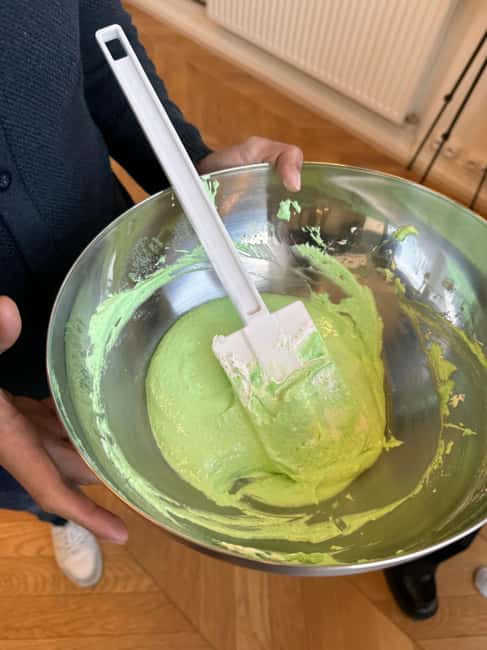
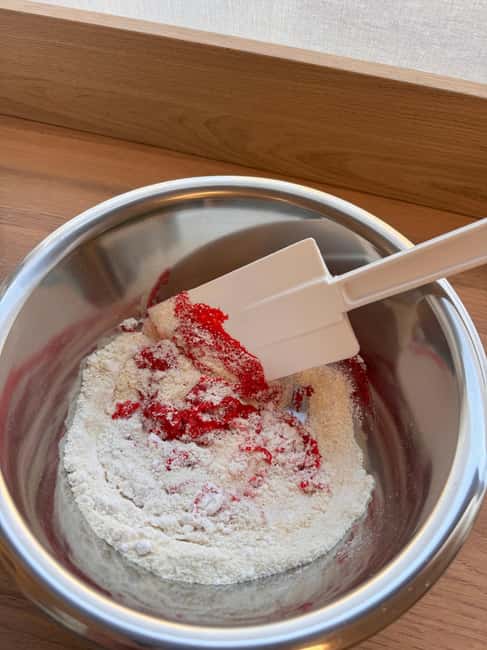
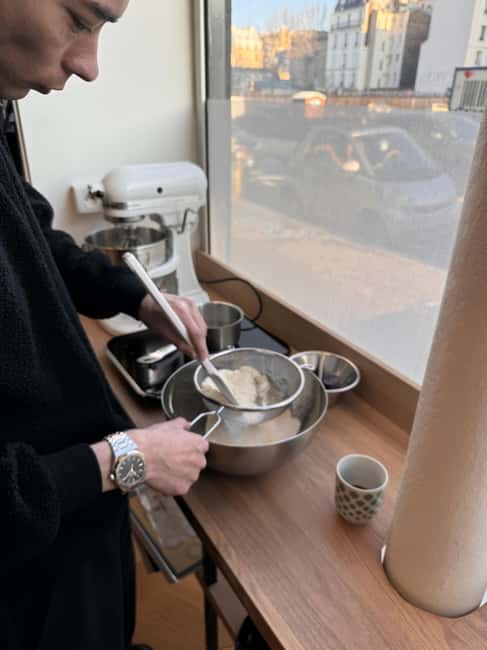
Once the real work begins, you start making the macaron shells. This is where the class earns its name as hands-on. You learn to create the batter, and you practice the technique that determines whether you get that signature smooth shell, the right thickness, and the proper bite.
From the feedback, the instructor focus is practical: correct mixing, the batter consistency you’re looking for, and the method for piping. People repeatedly praised clear instructions and patience, especially for first-timers. If you’ve never made macarons before, that matters. This dessert is delicate, but the class is built so you are not thrown into chaos.
Here’s what you should pay attention to during this stage:
- Batter consistency, because it affects spread, texture, and the shell finish
- How you mix, because overmixing or undermixing changes the final structure
- Piping technique, because size and shape influence baking evenness
You’ll likely use measured ingredients and tools prepared for the class. Several participants mentioned that ingredients and stations are set up so you aren’t crowded, and that the studio feels clean and well organized. That setup removes a lot of stress, so you can focus on learning the key motions.
Filling and Assembly: Turning Two Components Into the Perfect Bite
After shell work, you move to the filling and assembly portion. This is where the class shifts from “getting it right” to “making it taste right.” You learn how the filling should complement the shell, and you build the sandwich that defines a macaron.
Even though the shells are the famous part, fillings matter just as much for balance. A good instructor will guide you toward portioning that matches the shell size, so you don’t end up with a lopsided result or a bite that’s too sweet or too heavy.
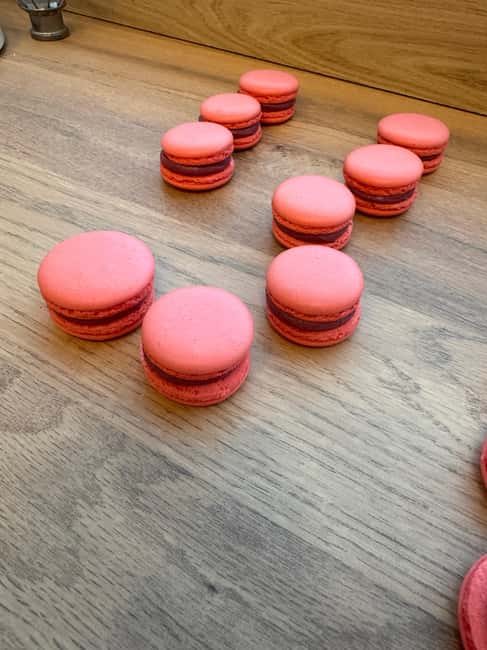
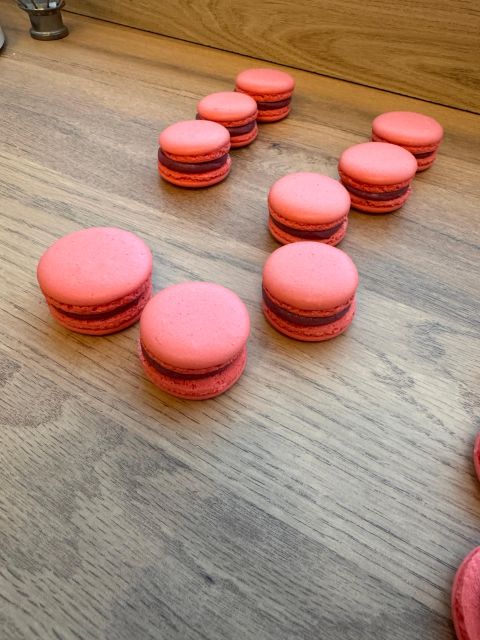
In several reports, the end result was described as professional-looking and delicious. That’s what you want, because you’re not only learning to bake. You’re learning to produce something you can bring home, show off, and actually enjoy later.
Baking, Resting, and Timing: The Moment You Stop Guessing
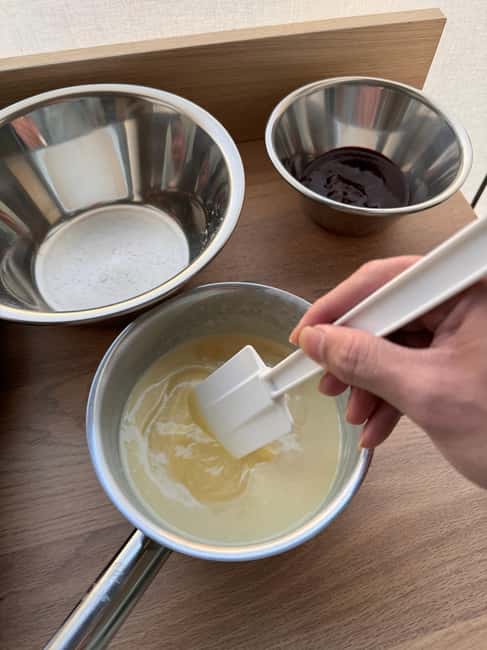
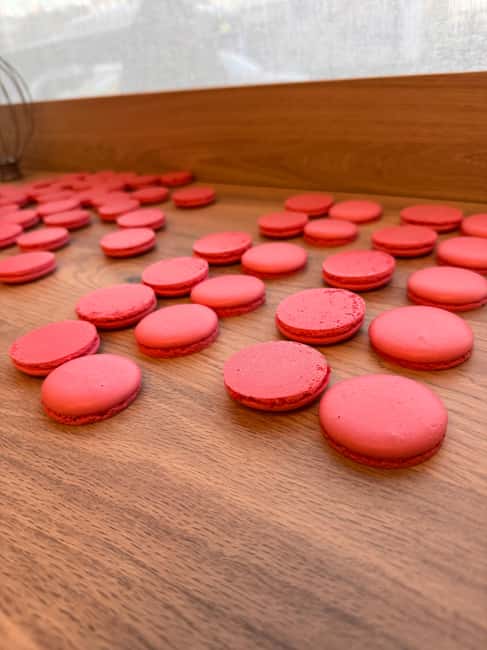
Macarons can fail for reasons that feel small, but you learn how to manage them. The class includes the key stages that affect the final look: shaping/piping, baking, and the timing steps that help form the proper shell structure.
The vibe here is not rushed. The studio setup plus a small group means you have a chance to follow the instructor’s instructions and ask questions. More than one participant mentioned that the instructor was interactive and helpful, and that they could ask about troubleshooting if something went off track.
One useful detail from the experience: Chef Leo is said to give tips about weather and how to adjust when baking at home. That’s valuable because humidity and kitchen conditions change results. If you’re the type who likes to reproduce outcomes, those comments can save you time later.
More Paris tours and experiences for the shortlist



Tasting Your Batch: Getting Immediate Feedback You Can Taste
Once your macarons are baked, you taste the finished results. This is not a tiny bite with no context. You get the satisfaction of eating what you just made, and you can actually tell what worked and what needs tweaking next time.
This is a big part of the value. Many cooking classes are educational but leave you guessing whether your process truly worked. Here, the tasting connects technique to outcome fast, so you learn in a practical loop.
And yes, there’s an emotional payoff. People describe leaving with a strong sense of accomplishment, because macarons are known as “hard.” When you get a good batch under guidance, it feels legit.
What You Take Home: Recipe Notes That Help You Bake Again
You leave with a recipe to take home. That part matters a lot if you plan to bake later instead of treating the class as a one-time memory.
Across the experience reports, many people mentioned that they used the recipe successfully afterward. Some even described recreating macarons back at home and impressing friends and family. That’s exactly what you want from a class at this price level, because it turns travel fun into a reusable skill.
Also, there’s often an extra bonus in the way the instructor supports you beyond the oven. In multiple accounts, Chef Leo (and instructors) offered Paris food recommendations and helpful local suggestions. Even if you’re not there for a sightseeing itinerary, that kind of guidance can upgrade your overall trip.
Price and Value: Is $122 Worth 150 Minutes?
At $122 per person for 150 minutes, this isn’t a budget snack workshop. It’s a real coached baking session, and the price makes sense if you care about:
- hands-on practice (not just watching)
- a small group limited to 10
- a guided process with troubleshooting and explanation
- tasting right after baking
- taking home a recipe and a batch you made
When baking instruction is truly hands-on, costs rise fast. Ingredients like almond-based components, tools, and staff time all add up. In this case, the studio format seems designed to keep everything organized and clean, which is a hidden value. A well-prepped teaching kitchen helps you focus on learning instead of fighting logistics.
If you’re the kind of traveler who likes “do it now” experiences with a strong end result, this is good value. If you’re simply looking for a casual dessert tasting with minimal effort, you might feel the time and price ask more from you.
Also, you’re paying for confidence. Multiple accounts highlight that the instructor’s clarity made beginners feel capable. That confidence is hard to quantify, but it’s exactly why many people call it a Paris highlight.
Language, Group Size, and How the Class Feels Day-to-Day
The class is taught in English. That helps a lot if your French is limited, and it also means the instructor can explain the science part clearly. One reason participants give high marks is that instruction quality and humor show up together. People described the hosts as funny, engaging, and interactive, with a sense of humor that made the process feel less intimidating.
Group size also shapes the experience. This is limited to 10 participants, which means you get more individual attention. You can watch the demo, then quickly move into your own turn to pipe and mix. You’re not left waiting in line for ages.
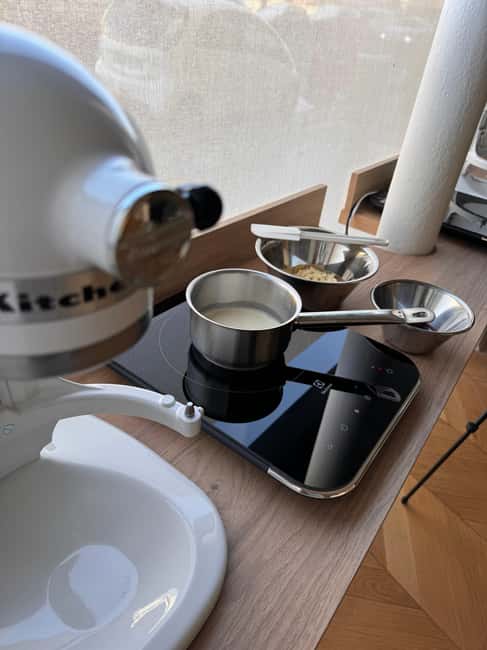
The studio itself seems designed for comfort and flow. People repeatedly mention it’s clean, organized, and not crowded. Several participants also noted the use of quality equipment, which makes it easier to produce consistent results during the short class time.
Who This Works For, and Who Might Want a Different Class
This class fits best if you want a hands-on French cooking experience that feels genuinely educational. It’s also a smart pick if you like skills you can repeat later, because you take home a recipe and you learn the reasons behind the process.
It is not suitable for:
- children under 12
- vegans
- people with nut allergies
So if your group includes anyone with those constraints, plan on a different activity.
One more practical consideration: macaron flavors can vary depending on how the session is set up. In one account, flavors mentioned included chocolate, black currant, and passionfruit, and that participant preferred more mainstream options. If you are picky about flavor, keep in mind that the class may choose for you rather than letting you build your own flavor lineup.
Should You Book This Paris Macaron Baking Class?
If you want a confident, repeatable macaron skill in a short time, I’d book it. The biggest reason is simple: you learn technique, bake with coaching, taste immediately, and leave with a recipe. That mix is rare.
I’d especially recommend it if:
- you like hands-on classes where you produce something real
- you want a small-group Paris experience in English
- you’re a beginner who benefits from patient, step-by-step instruction
- you care about learning the science of what makes macarons work
Skip it if you’re vegan, have nut allergies, or you want something more like a sightseeing stop with light participation. And if you dislike the idea of being coached on a finicky dessert, you might prefer a simpler baking class.
Overall, this one has a strong track record, with a 5-star average across 208 reviews. The consistent message is that the class is fun, structured, and genuinely worth the effort, especially if you like coming home with both memories and a skill.
FAQ
Where is the meeting point for the Paris macaron class?
Look for a grey-colored store front on the main road.
How long is the macaron baking class?
The class duration is 150 minutes.
Is the instructor teaching in English?
Yes, the instructor provides instruction in English.
How large is the class?
It is a small group limited to 10 participants.
What is included in the price?
The experience includes an instructor, the baking class itself, tasting, and a recipe to take home.
Is this class suitable for children?
No, it is not suitable for children under 12.
Is it suitable for vegans or people with nut allergies?
No. It is not suitable for vegans or for people with nut allergies.
What should I bring?
Bring comfortable shoes and comfortable clothes.
FAQ
How does cancellation work?
You can cancel up to 24 hours in advance for a full refund.
Is there a reserve now, pay later option?
Yes, you can reserve now and pay later.
More Workshops & Classes in Paris
More Cooking Classes in Paris
More Tour Reviews in Paris






Not for you? Here's more nearby things to do in Paris we have reviewed










Paris City Tours, side by side.
 ★ 4.6Louvre Museum Timed-Entrance TicketTickets from $2671,977 guest reviews
 ★ 4.6Disneyland® Paris 1-Day TicketTickets from $6149,412 guest reviews
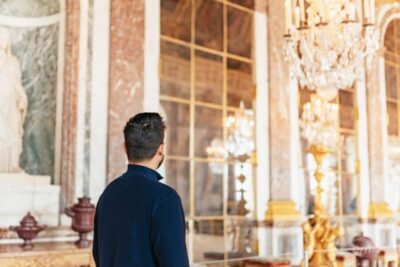 ★ 4.6Versailles Palace and Gardens Full Access TicketTickets from $1741,579 guest reviews
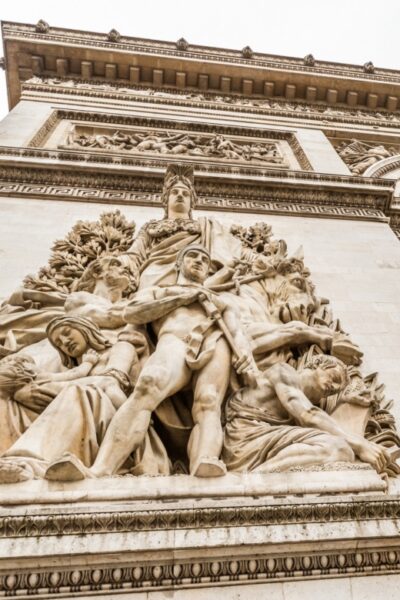 ★ 4.6Arc de Triomphe Rooftop TicketsTickets from $1834,264 guest reviews
 ★ 4.7Orsay Museum Entry TicketTickets from $1525,647 guest reviews
 ★ 4.4Evening River Cruise with MusicTickets from $2722,721 guest reviews
 ★ 4.4Eiffel Tower Entry Ticket with Optional Summit AccessTickets from $2920,035 guest reviews
 ★ 4.3Eiffel Tower Summit or Second Floor AccessTickets from $5917,248 guest reviews
This tour also belongs to