
Review · PARIS CITY TOURS
Paris Macaron baking class with a Chef Patissier
A Paris macaron class is all about technique.
In this small group workshop, you learn the steps to get the shell right, including macaronage, and you practice under a chef patissier like Vivian or Maria who keeps it clear and upbeat. I like that the class is built for different skill levels, and you also learn the French pastry culture behind what you are making. One thing to consider is that the session runs to a strict start time, so plan your arrival carefully, especially if you are new to the area around 85 Rue de Rome.
You also get the practical bonus of leaving with your own batch to share later, not just a photo and a sweet memory. Expect coffee or tea, plus soda, and a chef’s secret recipe you can use at home. It is a great use of limited time in Paris because the whole 2 hours 30 minutes is focused on doing, not watching.
Key Things to Know Before You Go
- Max 10 participants means more one-on-one coaching while you pipe and mix.
- English instruction is built into the experience, so you can follow the key steps without guessing.
- Macaronage and precision are taught step by step, not left as a mystery.
- All ingredients and tools are provided, so you do not need to bring anything beyond yourself.
- Flavor choices are part of the process, including popular combinations like black currant and white chocolate in some sessions.
- Strict timing matters, because hands-on baking does not pause once it starts.
Paris Macaron Class Setup at 85 Rue de Rome
Most Paris food classes fall into one of two buckets: big and chatty, or small and hands-on. This one stays in the small lane, with a maximum of ten people, so you are not stuck waiting your turn while the rest of the group keeps going. The meeting point is 85 Rue de Rome, 75017 Paris, and it loops back there at the end.
This address matters because it shapes your arrival plan. Paris is easy to move around, but it is also easy to lose track when you are rushing. If you want the calm experience people talk about, arrive on time. The activity has a strict start, and late arrivals can miss the class once baking is underway.
The class is offered in English, and you get a mobile ticket. Service animals are allowed, and it is near public transportation, so you should be able to keep travel friction low if you map your route before you leave.
You can also read our reviews of more cooking classes in Paris
What You Learn Beyond the Recipe
Macarons have a reputation for being tricky. That reputation is partly deserved, but it is also why a good class is worth paying for. Instead of handing you a printed recipe and sending you on your way, this workshop teaches you the method that makes macarons work.
The core lesson is the texture and look of the shells, with step-by-step guidance through what many bakers consider the hardest part: macaronage. That is the mixing technique that helps the batter flow properly, so you get the right surface and the classic “foot” at baking time. If you have ever tried macarons at home and wondered why they spread, crack, or stay flat, this is the heart of what you will be correcting.
You also cover making a filling, and you learn the precision behind pairing the shell and filling so the final sandwich tastes balanced. The class is designed for all skill levels. Even if you are not a baker, the structure helps you follow the process without panicking.
Finally, there is a cultural angle. You learn how these French sweets fit into culinary history and everyday food culture. That background is not just trivia. It gives you a better sense of why people care about texture, color, and consistency, not just sweetness.
The 2.5 Hours, Step by Step (What It Feels Like)
You are looking at about 2 hours 30 minutes of guided work. The pacing tends to be practical, because macaron timing is not forgiving. Here is the flow you can expect, based on how the workshop is described and how it runs in a hands-on setting.
1) Walk in, get set up, then start mixing
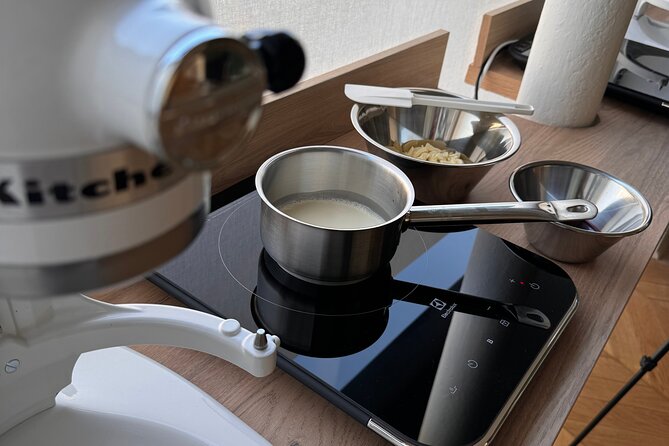
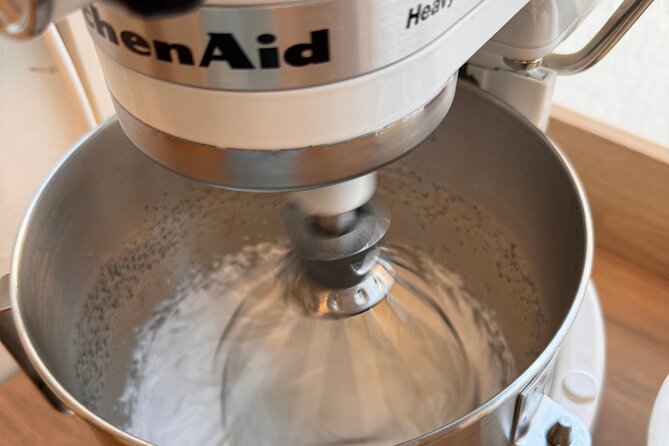
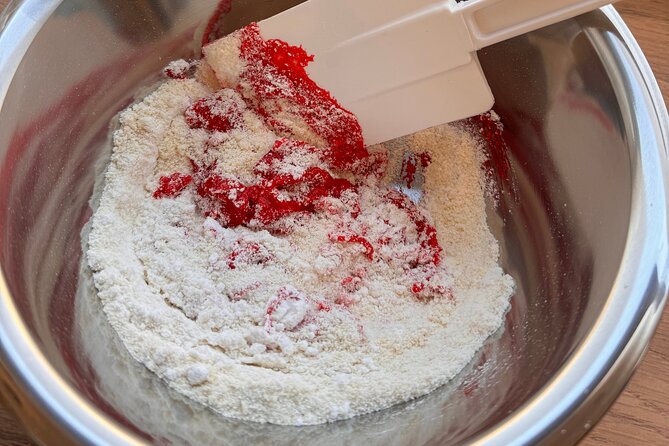
You begin with ingredients and utensils provided, so you are not hunting for tools. After a quick intro, the chef walks you through the start of the batter process. This is where you learn what to watch for, not just what to do.
2) Shell technique, including macaronage
Then you do the main work: making macaron shells. This is where the chef’s step-by-step approach really matters. If you have ever seen someone make macarons and thought it looked too precise to be learnable, you will likely find this is more teachable than you expected once you break it into small actions and checkpoints.
More Paris tours and experiences for the shortlist


3) Piping and resting time awareness
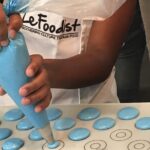
You will pipe the batter into shell shapes. Piping is one of those skills that feels technical until someone shows you what “good” looks like. During the class, you learn the right handling so your macarons bake evenly.
4) Make the filling, then assemble
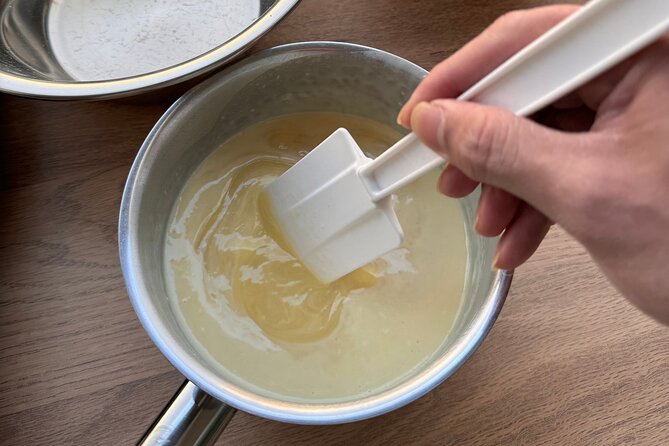
While your shells are handled according to the class flow, you create the filling. You also learn about filling flavors and how they fit with the shells. Some sessions include flavor selection, and one example from a past class pairing included black currant and white chocolate. The point is not that every class uses the same exact flavors, but that you can pick and tailor what you make.
5) Pack them up to take home
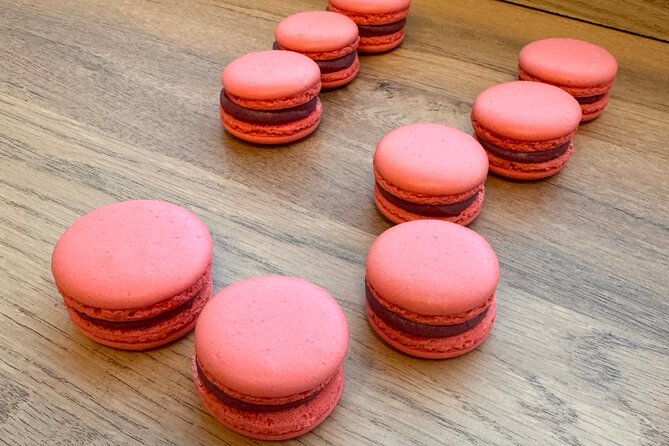
At the end, you take your macarons with you. Many people plan for a full box, often around a couple dozen, though it can vary with batch size and class flow. There is also a chef’s secret recipe for you to make at home, which is where the class keeps paying off after you leave Paris.
Small Group Coaching Is the Real Value
The biggest quality-of-life feature here is the class size. With a maximum of ten people, you get correction in real time. That matters for macarons more than almost any other pastry because tiny changes in batter mix or piping show up after baking.
In the feedback, people consistently highlight that the chef focuses on the small details you miss from books. That is the kind of coaching that turns a messy first batch into a repeatable skill.
You also see a pattern across different chefs, including Vivian, Maria, Marie, and Leo, where teaching style stays friendly and structured. In other words, you are not thrown into a “sink or swim” situation. The class aims to make the technique feel doable.
Coffee, Tea, Soda, and a Less Stressy Atmosphere
This workshop is not just about technique. It also keeps the mood relaxed. Coffee and or tea are included, plus soda. That small inclusion helps you settle in and focus.
It is also a social experience. You are working with other people while learning a delicate process. Even if your goal is mastery, you still get that light, fun feel of sharing a pastry moment in a Paris kitchen.
Price and Value: What $113.20 Really Buys
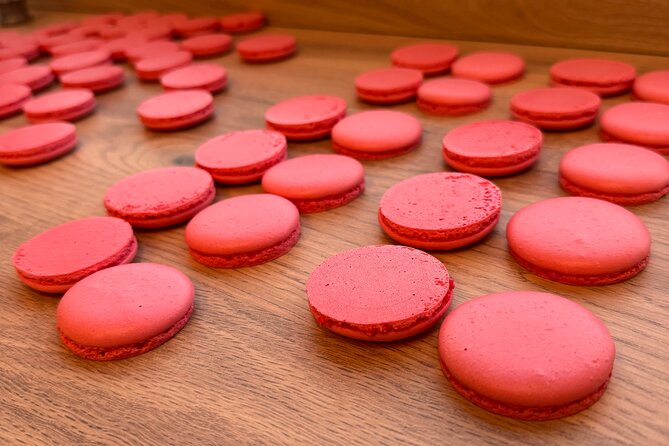
At $113.20 per person, this is not a bargain-basement activity. But the value is in what is included and what you leave with.
You get:
- All ingredients and utensils provided
- Chef instruction in English
- Coffee and or tea, plus soda
- A chef’s secret recipe to repeat at home
Most importantly, you leave with a full batch of macarons. One review mentions leaving with about 15 pastries per person, while others mention closer to two dozen each. The exact count can vary, but the takeaway is consistent: you should plan to bring home a box big enough to share.
If you compare this to buying ingredients and tools for one or two failed attempts at home, the class often looks more reasonable. The true win is that you are paying to reduce guesswork, not just for food.
Location Logistics: How to Avoid a Painful Late Arrival
The meeting point is fixed at 85 Rue de Rome, and the class ends back at that same location. That simplifies the end of the day, but it puts pressure on your start.
One negative experience mentioned missing the class after getting thrown off by address links. Even if your route is fine, this is a good reminder: use the full address and directions in your confirmation, not a shortened link or a random map search. Give yourself buffer time, then you can enjoy the class instead of watching the clock.
Also, because it is a strict workshop schedule, late arrivals may not be admitted once baking begins. If you are the type who gets stressed about finding a place, pick a time when you are not rushing from another tour.
Who This Paris Macaron Baking Class Is Best For
This fits a few clear traveler profiles.
- First-timers to macaron making: You get the technique and structure that home recipes rarely teach.
- Families with kids or teens: Many people report it working well even when not everyone is a trained baker.
- Foodies who want more than tasting: You learn the why behind the steps, especially around macaronage and shell texture.
- People who want a skill to take home: The chef’s secret recipe means you can try again in your own kitchen.
If you are looking for a huge spectacle with lots of sightseeing, this is not that kind of tour. It is a focused kitchen class. Think of it as a hands-on food skill session in Paris.
Should You Book This Macaron Workshop?
Yes, if your goal is technique and take-home results. This class is the best fit when you want to understand the key steps that make macarons succeed, not just follow a recipe.
I would especially book it if:
- You want a small-group experience where you can ask questions.
- You care about macaronage and shell texture, not only flavor.
- You want to bring home a box and a recipe to keep practicing after Paris.
I would pause before booking if:
- You tend to run late or your schedule is packed tight with other activities.
- You dislike any group interaction rules. There are hints in feedback about some classes encouraging sharing macarons, so if that would bug you, ask how it is handled for your session.
If you plan your arrival well, this is one of those Paris experiences that turns into a real skill, plus a sweet souvenir that tastes like your trip.
FAQ
Where does the class start and end?
The class starts at 85 Rue de Rome, 75017 Paris, France, and it ends back at the same meeting point.
How long is the Paris macaron baking class?
The duration is about 2 hours 30 minutes.
How many people are in the class?
The class has a maximum of 10 travelers.
Is the class offered in English?
Yes, it is offered in English.
What is included in the price?
Coffee and or tea, soda, all baking ingredients and utensils, and a chef’s secret recipe for you to make at home are included.
Will I take macarons home?
You should expect to take your macarons home with you, and the class provides enough to share later.
What flavors will we make?
The class includes making macarons with fillings, and you may be able to choose flavors. Specific flavor options can vary by session.
Is confirmation provided when I book?
Yes, confirmation will be received at the time of booking.
What is the cancellation policy?
Free cancellation is available. You can cancel up to 24 hours in advance for a full refund. If you cancel less than 24 hours before the experience starts, the amount paid is not refunded.
More Workshops & Classes in Paris
More Cooking Classes in Paris
More Tour Reviews in Paris


Not for you? Here's more nearby things to do in Paris we have reviewed










Paris City Tours, side by side.
 ★ 4.6Louvre Museum Timed-Entrance TicketTickets from $2671,977 guest reviews
 ★ 4.6Disneyland® Paris 1-Day TicketTickets from $6149,412 guest reviews
 ★ 4.6Versailles Palace and Gardens Full Access TicketTickets from $1741,579 guest reviews
 ★ 4.6Arc de Triomphe Rooftop TicketsTickets from $1834,264 guest reviews
 ★ 4.7Orsay Museum Entry TicketTickets from $1525,647 guest reviews
 ★ 4.4Evening River Cruise with MusicTickets from $2722,721 guest reviews
 ★ 4.4Eiffel Tower Entry Ticket with Optional Summit AccessTickets from $2920,035 guest reviews
 ★ 4.3Eiffel Tower Summit or Second Floor AccessTickets from $5917,248 guest reviews
This tour also belongs to