
Review · WORKSHOPS
Hands-on Eclair and Choux Making with a Pastry Chef
Pipe, bake, eat in Paris. I love the small-group hands-on format and how beginners get clear, patient coaching (chefs like Clara, Mathieu, Matteo, Millie, Julie, and Alyssa are frequently praised), and you end up with real Paris éclairs and choux you can take home. One possible drawback to keep in mind, based on how classes run, is you might be paired and take turns rather than having a fully separate setup the whole time.
This is a 2.5 hour, English-taught workshop at Maison Fleuret, starting at 7 Rue de Béarn in the 3rd, with the activity ending back at the same meeting point. You’ll work through the full flow: choux dough on the stove, piping on the tray, baking, pastry cream, filling, and chocolate glazing, with coffee and/or tea included.
Key things to know before you go
- Hands-on from start to finish: You make the choux dough, pipe it, bake it, then fill and glaze your own éclairs.
- Small group, close guidance: Max 8 travelers means you’re not shouting over a crowd.
- Beginner-friendly technique: You don’t need prior pastry skills, but you do get real instruction.
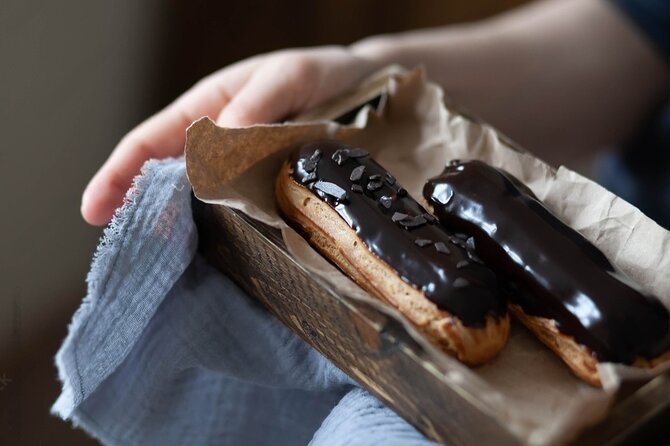
- A classic Paris result: Crispy choux shells plus pastry cream and a dark chocolate top.
- You’ll likely take a box home: More than one person notes they packed their treats to go.
Why learning choux and éclairs in Paris feels different
If you love French food, Paris can feel like a constant parade of things you should eat, not things you should learn to make. This class breaks that pattern. You’re not just consuming pastries, you’re understanding why pâte à choux works, why éclairs puff, and why pastry cream has that smooth, thick texture.
Two things make it especially satisfying. First, the technique is very teachable. Choux dough has a clear logic, and you build it step by step. Second, you get a full tasting payoff at the end, because your work turns into actual éclairs and choux pastries, not a lecture and a sad cookie.
One consideration: the room is described as small by at least one participant, and some people report the atmosphere was a bit quiet or plain. If you’re chasing a theatrical Paris food fantasy, manage expectations. If you want to learn how to nail pâte à choux, this is a great trade.
More Paris tours and experiences for the shortlist


Getting to Maison Fleuret near 7 Rue de Béarn
The meeting point is 7 Rue de Béarn, 75003 Paris, and the activity ends back there. The location is described as an easy walk from the nearest metro station, and it’s in a central neighborhood where you can keep your day moving without stress.
Practically, show up with a bit of time buffer. Classes like this start with prep and grouping, and you’ll get the best flow if you’re not rushing in as the chef is handing out tools. You’ll also want to bring a smartphone, because at least one person found the recipe was shared digitally (they wished it was on paper instead). The listing includes a mobile ticket, so having your ticket ready is smart.
A small detail that matters in real life: some people note they ended up packing pastries to go. That means you’ll want to think about how you’ll transport something delicate like éclairs without turning it into modern art.
Small group setup, pairing, and the teaching pace
This workshop caps at 8 travelers, and that’s not just a number. It affects how often the chef can correct your technique. In the classes described, instructors are repeatedly praised for going slowly, explaining clearly, and overseeing what everyone is doing so the results match the recipe.
You may be paired with another cook if your group is uneven. In one case, a participant felt this meant taking turns instead of having a full individual setup. That’s worth flagging. If you’re the type who wants total solo control, go in with flexibility. Still, even with pairing, you can learn a lot because piping, mixing, and filling all require hands-on reps.
Another practical plus from the feedback: ingredients are often premeasured. That helps a beginner avoid the most stressful part of cooking classes, which is stopping mid-technique to find the right scoop or weigh the right amount. It lets you focus on the real skill: getting the dough to the right consistency and piping with confidence.
Making the choux pastry dough on the stove
The core of the class is pâte à choux, and you start with the stove stage. You heat water, butter, and salt in a saucepan until the butter melts. Then you add flour and mix until the dough comes away from the sides of the pan. That moment is your first signal that the dough is cooked enough to form a stable base for steam.
Next you transfer the dough to a bowl and add eggs one at a time, mixing well between additions. This part matters more than it sounds. If you dump all the eggs in at once, the dough can turn uneven. If you add them gradually and mix thoroughly, you get a smooth paste that pipes well.
Beginner tip you can use back home: watch the dough texture. In a good choux paste, the batter looks glossy and cohesive, and it holds a shape. It should feel like it’s ready to be piped cleanly onto parchment without spreading into a puddle.
This class keeps the steps structured, so you’re not guessing your way through pastry chemistry. That structure is what turns pâte à choux from intimidating to doable.
Piping your choux sticks, then baking at 200°C
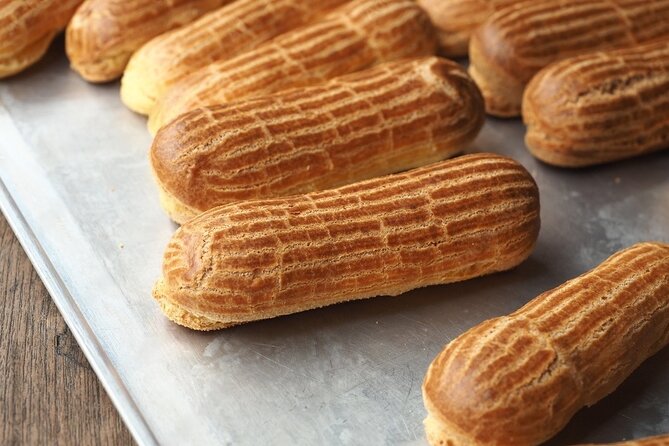
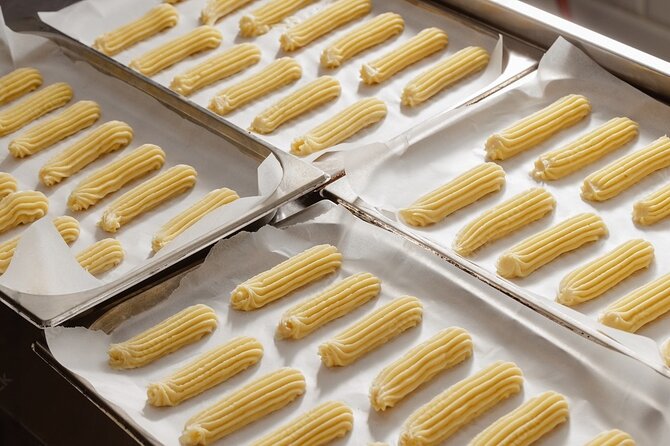
Once your choux paste is ready, you transfer it into a piping bag fitted with a plain tip. Then you pipe sticks onto a baking sheet lined with parchment paper. Plain tip matters because it helps you get consistent shapes. Consistent shapes lead to more even baking, and that’s how you get shells that are crisp on the outside.
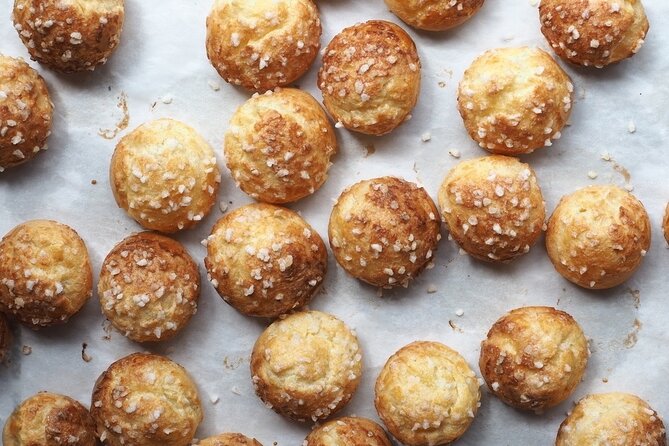
Then comes baking. Your oven is preheated to 200°C, and you bake for about 20 to 25 minutes until the choux turns golden and crispy. This timing window is important. Too short and you risk soft shells. Too long and you can get dryness.
A useful mindset: don’t panic if your piping isn’t perfect. One person specifically noted that even shaky piping still produced pretty, delicious éclairs. That’s a good reminder that home pastry is a skill you build. The more you practice, the more consistent your shapes get.
Back at the tray, you’ll also start learning what French pastry chefs mean by technique over talent. The dough and the bake do the heavy lifting. Your job is to pipe and bake with patience.





Pastry cream: thick, smooth, and made over low heat
While the choux bakes, you make the filling: pastry cream. You start by heating milk in a saucepan. In a bowl, you whisk egg yolks, sugar, flour, and cornstarch. Then you pour the hot milk over the egg mixture while stirring constantly. This step is tempering, and it’s the difference between smooth cream and scrambled bits.
After tempering, you pour the mixture back into the saucepan and cook over low heat until the cream thickens. Low heat is doing the work here. It gives the starches time to activate and thicken without forcing the custard into a rapid boil.
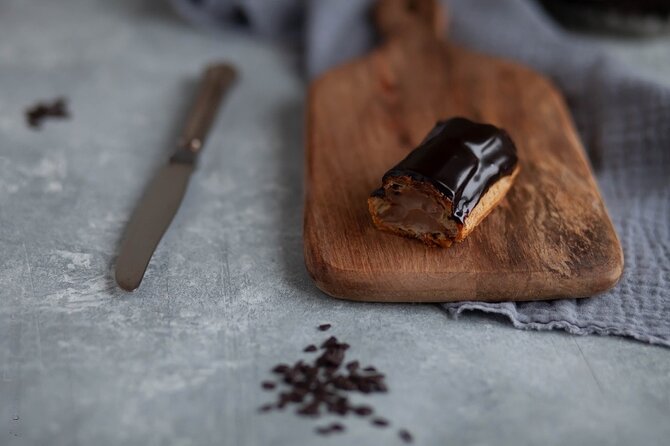
For flavor options, the class includes fillings like chocolate, vanilla, and coffee. After the choux cools, you cut the éclairs in half. Then you fill them using a piping bag.
One practical takeaway: pastry cream should thicken enough to pipe cleanly. If it’s too loose, the filling can leak. If it’s too stiff, it can taste heavy. This class workflow is designed to hit that sweet spot.
Filling and glazing: chocolate top, creamy center
After baking, letting the éclairs cool is not optional. The shells need time to firm up, and the pastry cream needs to be workable for piping. Then you slice the éclairs and fill them with your chosen flavor of pastry cream.
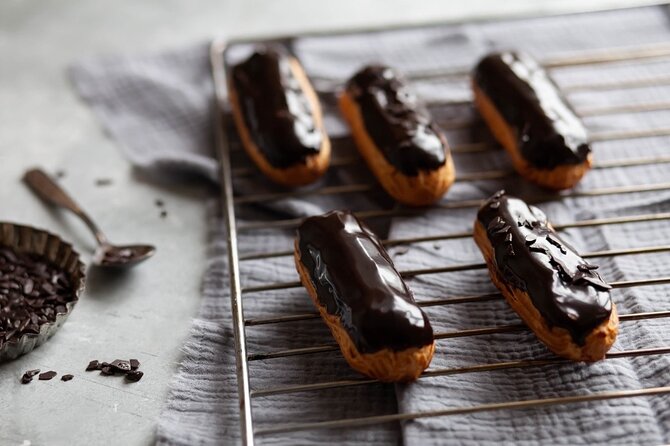
Finally, you glaze. The chocolate step is classic and simple: melt dark chocolate and add melted butter, then mix until smooth. Then you dip the top of each éclair into the chocolate glaze.
This is where the results feel very Paris. The choux brings crunch, the pastry cream brings richness and softness, and the chocolate layer brings a clean finish that makes the whole thing feel finished, not just filled.
A fun detail from the feedback: one participant mentioned a dark chocolate filling or ganache-like component (they described it as Gamache) and felt it was a better choice than a sweeter icing style. Even if your flavor choices vary, the lesson holds: deeper chocolate tends to balance the sweetness of cream.
What’s included, what to expect for coffee and timing
Coffee and/or tea is included. But don’t assume it’s a long, sit-and-sip break between big steps. One person said they didn’t see coffee or tea at the time they expected and ended up packing their pastries to go. Another said the class didn’t turn into a long table tasting session.
So plan for this as a working class with short pauses, not a cafe experience. If you need a full meal, eat before you go, and keep water handy for between steps.
Also note the class duration is about 2 hours 30 minutes. With multiple stages, there’s no extra fluff time. You’ll learn, you’ll pipe, you’ll bake, and you’ll finish with filled and glazed pastries.
Instructors you might meet, and why their style matters
The instructor quality is one of the biggest reasons people rate this so highly. The class examples include chefs and teachers like Clara, Mathieu, Matteo, Millie, Julie, and Alyssa. Across those stories, the common thread is patience and clear communication.
People also highlight that instructors slow down and explain what’s happening. That matters because pâte à choux has a couple of moments where the dough consistency is everything. If you don’t understand what you’re aiming for, it’s hard to correct mistakes. Good teaching makes it easier to troubleshoot.
One practical note: if English is your language, you’re in good shape. The class is offered in English, and multiple people specifically mention that instructors had great English and clear instructions.
Is it worth the $132.75 price for a 2.5-hour class?
At $132.75 per person for about 2 hours 30 minutes, this is not a budget activity. But it’s also not just a ticket to watch someone else cook. You’re paying for hands-on coaching, small-group attention, ingredients, and the tools used to make a real French pastry at home quality.
The value improves when you account for what you take home. Several people describe leaving with multiple pastries (for example, someone said they received three regular-size éclairs) and that there was plenty to bring back. If your goal is both skill building and a tangible souvenir you actually eat, this price starts to make sense.
That said, it’s still a splurge. If you’re only interested in one quick snack, you can find far cheaper ways to eat an éclair in Paris. This class is best when you want to learn technique, not just consume dessert.
Who should book this Paris eclair class
You’ll likely enjoy this most if you:
- are a beginner and want structured guidance for pâte à choux
- want a hands-on French cooking experience with real results
- like the idea of learning a technique you can repeat at home
It also works well for families. One participant completed it with a 9-year-old and said the kid loved it. Another did it for a 16th birthday and the group made a memory around a shared baking project.
Who might pause before booking? If you strongly prefer individual workstations and worry about turn-taking, you should know pairing can happen. If you expect a lively, cafe-style atmosphere, one person described the room as small and a bit dull. You’re there for technique and dessert, not for a stage show.
Should you book the Éclair and Choux Making class at Maison Fleuret?
If you want a genuinely learnable Paris food moment, I’d book it. The format is small, the pace is beginner-friendly, and the end product is classic: choux shells, pastry cream, and a dark chocolate top. Even if your first piping isn’t perfect, the process is designed so you still get something delicious.
Book this if your sweet spot is skill building with a satisfying outcome. Skip it if you only want to eat, not learn, or if you need a big, social hang with coffee service and lingering tastings.
You don’t need pastry experience. You do need a willingness to follow steps closely and embrace the hands-on part.
FAQ
Where does the class meet and where does it end?
It starts at 7 Rue de Béarn, 75003 Paris, France, and the activity ends back at the same meeting point.
How long is the experience, and what is the group size?
It lasts about 2 hours 30 minutes and has a maximum of 8 travelers.
What will I learn to make?
You’ll make choux pastry, pipe and bake the choux, prepare pastry cream, fill éclairs with pastry cream, and dip the top in a chocolate glaze.
Is the class beginner-friendly, and is it offered in English?
Yes, it’s beginner-friendly and offered in English.
What food or drinks are included?
Coffee and/or tea are included.
What is the cancellation and refund rule?
You can cancel up to 24 hours in advance for a full refund. If you cancel less than 24 hours before the start time, the amount paid is not refunded.
More Workshops & Classes in Paris


More Tour Reviews in Paris



Not for you? Here's more nearby things to do in Paris we have reviewed










Workshops, side by side.
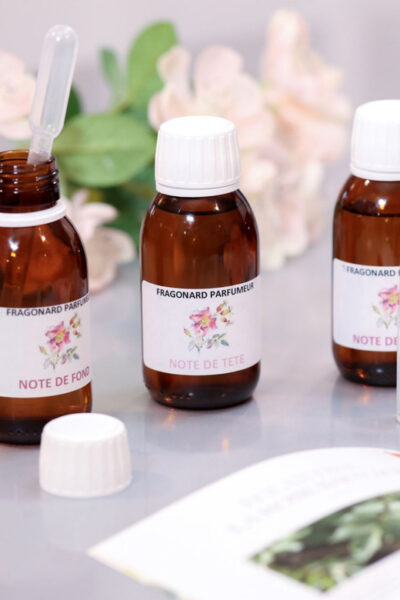 ★ 4.5Fragonard Paris: Mini Perfume WorkshopTickets from $361,924 guest reviews
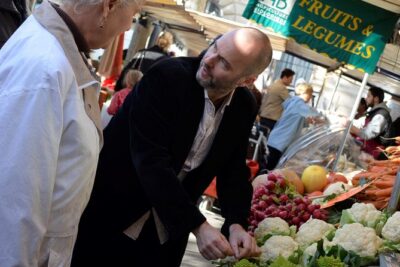 ★ 5.0Paris Cooking Class and Lunch with Wine plus Market Visit OptionTickets from $2401,024 guest reviews
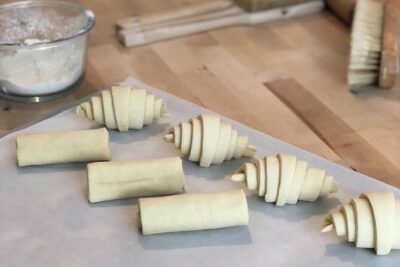 ★ 5.0Paris Croissant Small-Group Baking Class with a ChefTickets from $157910 guest reviews
 ★ 4.3Macaron Class at Galeries LafayetteTickets from $67905 guest reviews
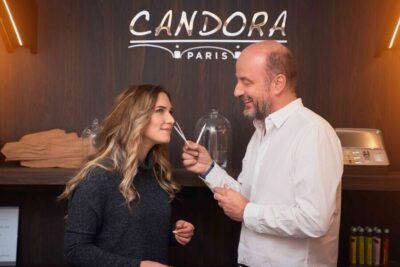 ★ 4.82-Hour Perfume Creation WorkshopTickets from $115731 guest reviews
 ★ 4.9French Croissant Baking Class with a ChefTickets from $159712 guest reviews
 ★ 5.0Paris Cooking Class: Learn How to Make MacaronsTickets from $156634 guest reviews
 ★ 4.9French Macaron Culinary Class with a Chef591 guest reviews
This tour also belongs to