
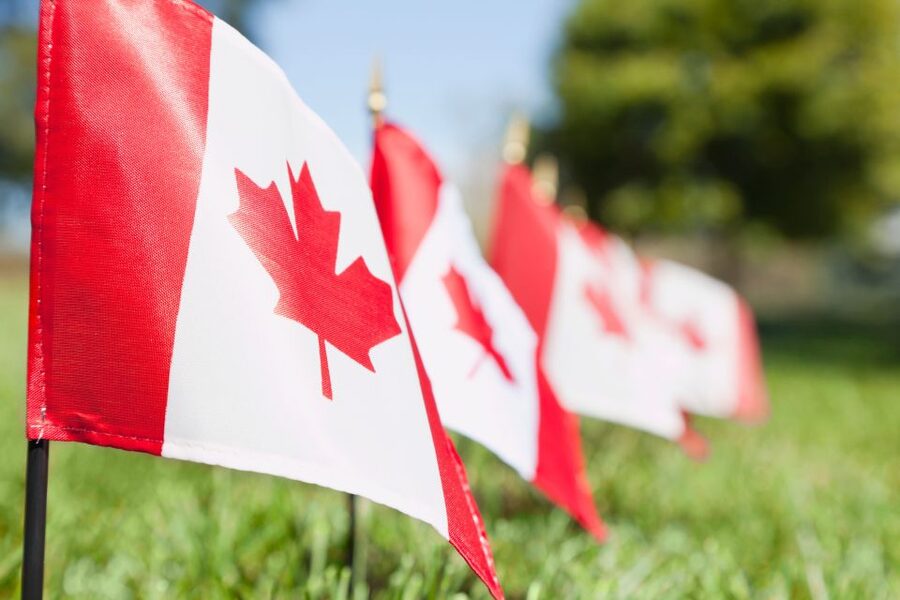
Review · NORMANDY DAY TRIPS
Small-Group Canadian Normandy D-Day Juno Beach from Paris
Juno Beach hits you fast. This is a small-group Canadian Normandy D-Day day where you walk Juno Beach sand and get the story from an English-speaking guide, not just a route checklist. I love that it’s small-group with a max of 8, so questions and details actually land. One catch: it’s a long 13-hour day, and food isn’t included, so you’ll want a simple lunch plan.
You’ll leave Paris at 7:00 AM from Café Dada Ternes and roll back around 8:00 PM, depending on traffic. What I like most is how guides bring the day to life with real on-the-ground context, and you may even get extra access moments, like time at Canada House when available. Still, it’s rain or shine, and the coast can be cold and windy, so dress like the English Channel is serious business.
Quick hits
- Max 8 people, so the day feels personal, not crowded
- English-speaking guides who explain what was happening and why it mattered
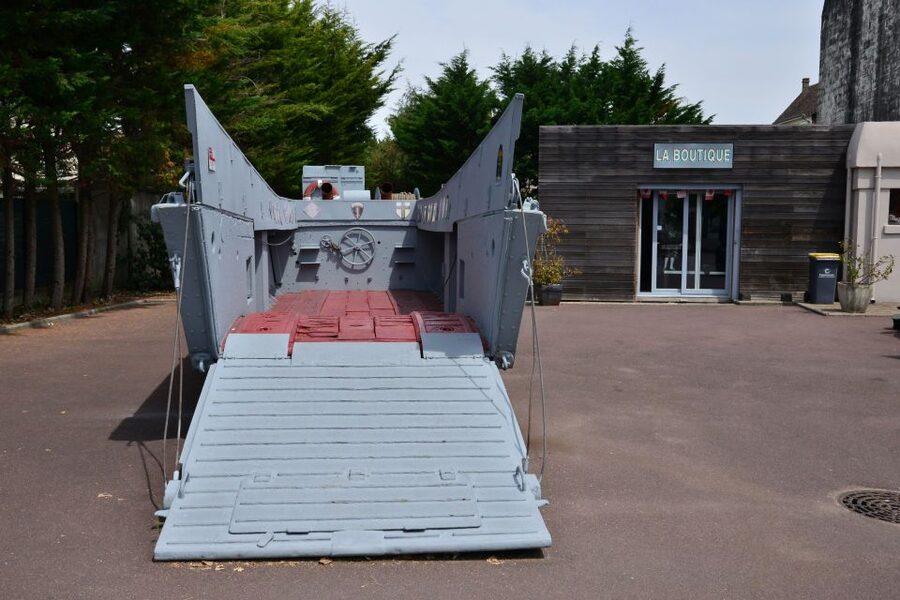
- Juno Beach Center with skip-the-line access through a separate entrance
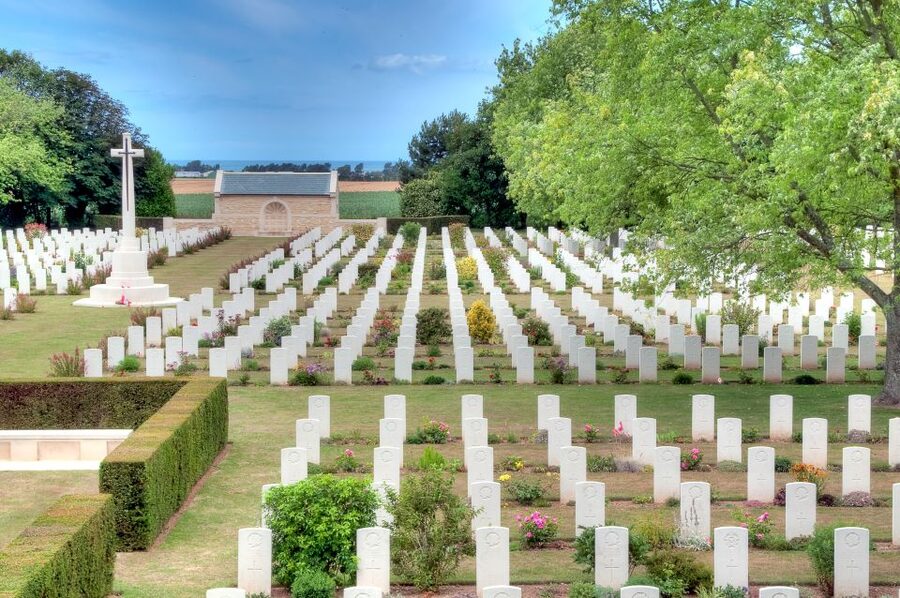
- Canadian Cemetery in Beny-sur-Mer, for a quiet, respectful walk
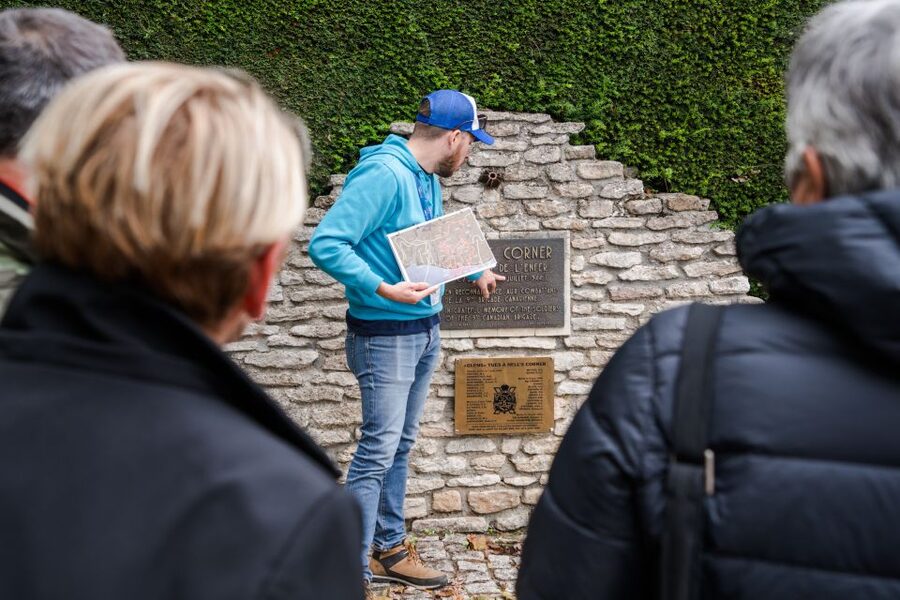
- Hell’s Corner and Abbey d’Ardenne to understand the furthest inland push and what was used as HQ
Why this Canadian Normandy D-Day day feels different
A standard D-Day day trip can turn into a drive-by tour: stop, photo, shuffle. This one is built around comprehension. You start with the big picture, then you physically move through the places Canadians fought for on June 6, 1944.
The pacing matters. You are not just staring at a map. You’re listening to an English-speaking guide connect what you’re seeing to what happened during the invasion, with clear references to the coast, the defenses, and the push inland. People consistently praise the guides for making the material understandable, with names like HP, Enzo, Mathieu, Olivier, Julian, Brun, and Aaron showing up across past experiences.
You also get the emotional anchors that travel writers sometimes underplay. The Canadian Cemetery in Beny-sur-Mer isn’t a quick stop to “tick a box.” You stroll through the grounds and pay respect to the fallen. Then you return to the shore, where the history isn’t theoretical. It’s right under your feet.
Still, manage expectations: this is a serious subject. The day can feel heavy. If you’re expecting a light, fun outing, you might find the mood more reflective than festive.
You can also read our reviews of more tours and experiences in Paris.



The 7:00 AM Paris start, and why punctual beats “vacation time”
This tour runs all year, every day, at 7:00 AM. That early departure is not just a scheduling detail, it sets the tone. You beat the worst crowds and you get time on site before the day gets busy.
Meeting point is Café Dada Ternes, and you should arrive at least 15 minutes early. The driver-guide arrives with a grey minibus about 10 minutes before the scheduled departure time, so you’re not waiting around in the cold wondering if this is real.
Since the duration is 13 hours and you return around 8:00 PM depending on traffic, you need to treat this like a full-day outing. Wear comfortable shoes. Plan your energy like you would for an airport day, not a stroll through a museum district.
A practical note: a couple of past participants mentioned audio clarity issues at times, and one person noted air conditioning didn’t work perfectly in hot weather. That’s not the norm, but it’s a reminder that minibus comfort can vary by the vehicle and day. If you’re sensitive to heat, aim for a seat near a vent, and bring a light layer you can adjust quickly.
Minibus travel: comfort, small-group advantage, and real conversation time

You travel by minibus, and the group size is capped at 8. That changes the vibe. You’re not squeezed with strangers for hours while someone else monopolizes the answers. With fewer people, the guide can explain in a way that fits your questions.
In past tours, the drive itself often becomes part of the learning. Guides like Mathieu and Richard John have been described as weaving in statistics and context while you roll toward Normandy. Others, like HP and Enzo, have been praised for being prompt, organized, and engaging in the ride over.
For you, the value is simple: you can ask questions before you’re even at the coast. That helps you “read” each stop better once you arrive. You also get a smoother rhythm as you move from site to site. If the group was large, you’d spend half the day waiting. Here, you tend to move with more confidence.
Juno Beach Center: your orientation before you step onto the sand
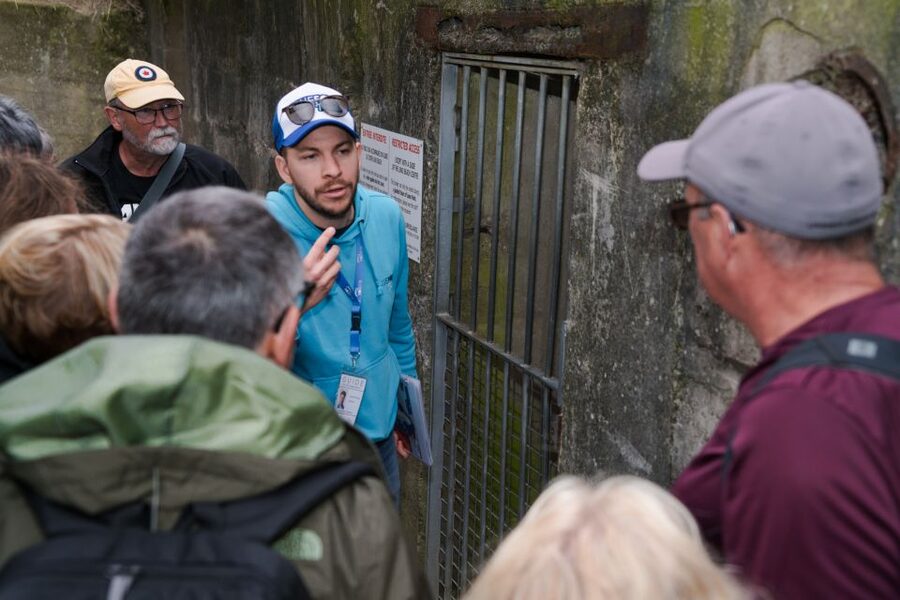
The day’s anchor is the Juno Beach Center. It’s the place that makes the shore make sense. Before you walk, you get the Canadian landing story and the context of the battle, so your visit to the beach isn’t just scenery.
You also get skip-the-line access through a separate entrance. That can save real time on busy days, and time matters because the day is long already. It’s easier to linger when you are not burning minutes in a standard queue.
What I like about starting with the Center is how it helps your brain organize the rest of the day. Once you’ve seen the big picture, it’s easier to understand why certain points on the coast mattered and how the Canadian action fit into the broader D-Day effort.
You might also get additional experiences related to Canada House, depending on your specific guide and timing. For example, some tours have included a stop inside Canada House with the owner, Madame Hoffer. That is not something to count on every day, but it’s an example of the kind of extra access some guides try to arrange.
Walking Juno Beach on the same sand: the moment that sticks
This is the part people remember. You walk the shore at Juno Beach, like the Canadian troops did in 1944. Standing at the coastline turns “history class” into physical experience.
The point isn’t that you can imagine the entire battle in one walk. The point is orientation plus scale. The beach stretches, the light changes quickly, and you feel how exposed the landings were. Then the guide ties that feeling back to the realities of the attack and the defenses along the coast.
Even with a museum and cemetery on the agenda, Juno Beach remains the strongest emotional connector. Many past visitors describe the experience as sobering, and that makes sense. You’re not watching a reenactment. You’re walking a place where real lives were at stake.
For your comfort and focus, pack for wind. In shoulder seasons, people have noted it can be cold and windy even outside peak winter. Dress in layers so you can handle sun, cloud, and coastal gusts without feeling miserable.






Beny-sur-Mer Canadian Cemetery: what respect looks like on a route
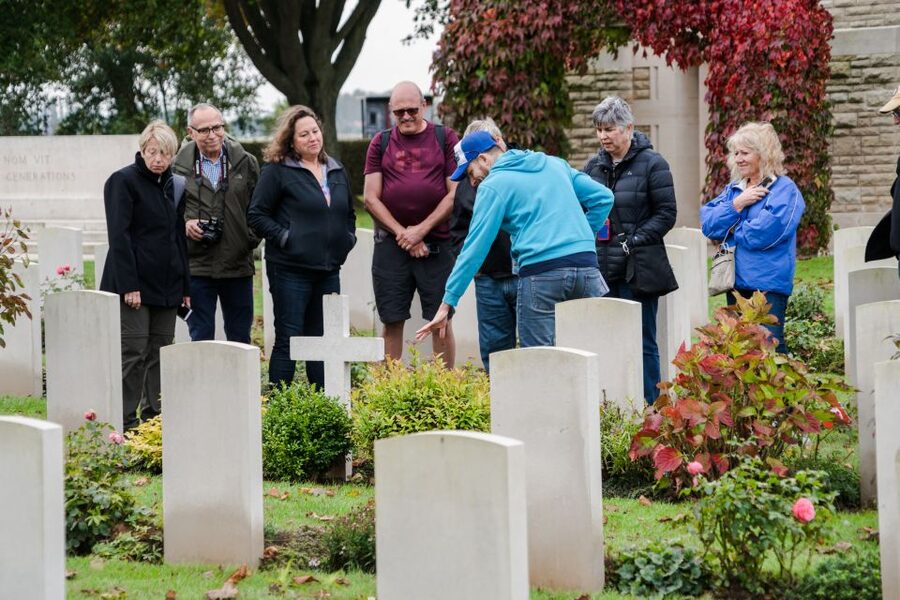
Next comes the Canadian Cemetery in Beny-sur-Mer. This is where the day shifts from explanation to remembrance.
The experience here is simple, but it’s not casual. You stroll through the cemetery and pay your respects to the fallen Canadian soldiers. The guide’s role is to frame what you’re seeing with care, not to turn a memorial into a performance.
This stop is one reason the tour earns such high marks. You get the “why” and the “where,” and then you get space to feel it. Past participants have described the cemetery walk as moving, and it often becomes one of the quiet highlights of the day.
If you are prone to rushing, you might want to slow down intentionally. Take a breath. Let the rows settle in your mind. You’ll get more out of it that way, and it matches the purpose of the place.
Hell’s Corner and Abbey d’Ardenne: going inland to understand the fight
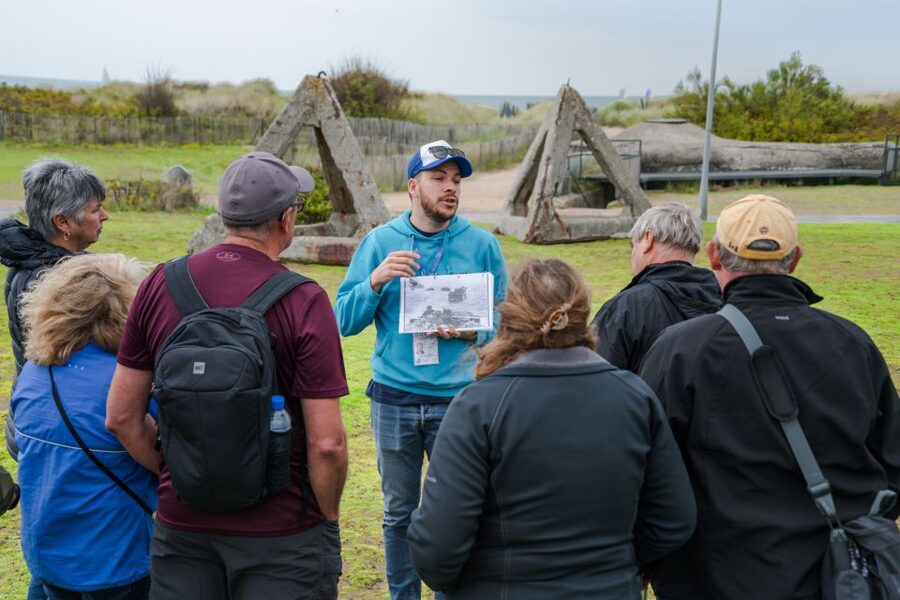
After the shore and cemetery, the tour moves inland to show the next layer of the battle. You’ll see Hell’s Corner, described as the furthest advance inland taken by Canadian troops on D-Day, about 5 miles from Caen.
This is where the day stops being only about the landing. You start seeing what came after, the friction of moving forward under enemy presence, and the tactical problem Canadians faced once they left the beach.
You’ll also see Abbey d’Ardenne, referenced as a HQ point for the Nazis. Seeing a place like this helps you understand how command locations shaped decisions. It’s not about sensationalizing a site. It’s about recognizing that leadership and structure were part of the battle on both sides.
One practical tip for you: look at the guide first, then look outward. Ask yourself what you’d do if you were trying to move forces in these conditions. That mental exercise makes the inland stops feel more grounded, even if the terrain is not exactly what you pictured from books.
The best part: the guide makes the history readable
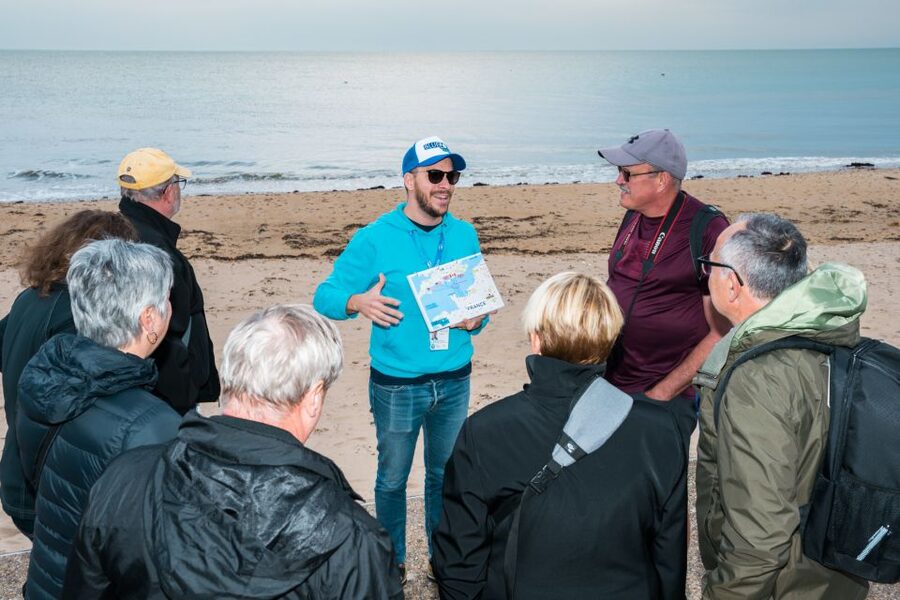
The tour’s overall quality is strongly connected to guide performance. Across the experiences, guides have been praised for being organized, engaging, and emotionally sensitive to the meaning of the day.
Names that repeatedly come up include HP, Enzo, Mathieu, Julian, Olivier, Brun, Clements, and Aaron. People have described guides as funny in a respectful way, and also careful about timing and group needs. Others mentioned map and photo explanations that helped them follow where battles happened and how the advance progressed.
For you, the big takeaway is not which name you hope for, it’s what to look for once you’re on the road. If your guide points to features and explains the “why” behind each location, you’re in good hands. If you get good time for questions, that adds huge value, because D-Day is dense. You want your confusion cleared before it turns into frustration.
Price and value: what $283 buys you in a 13-hour day
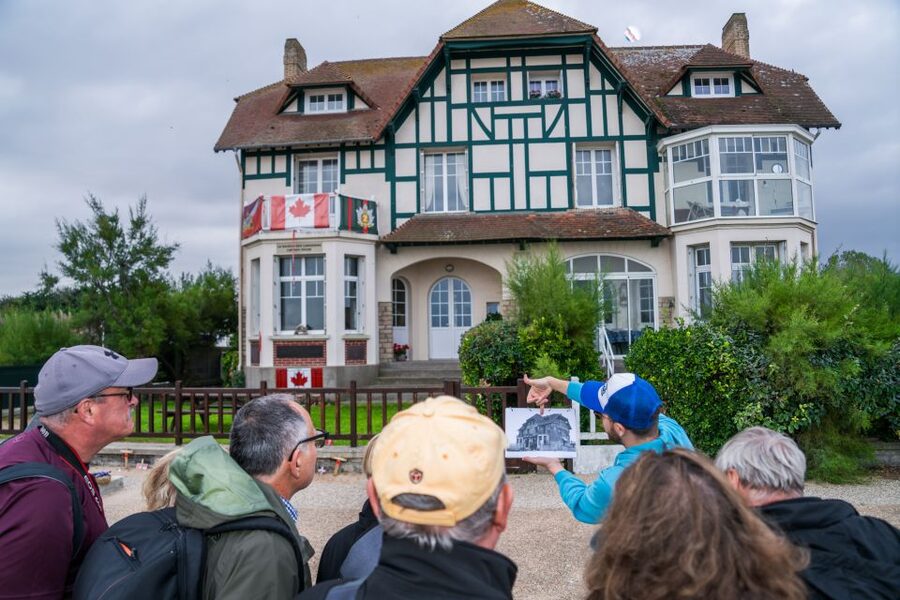
At about $283 per person for 13 hours, the cost can look high at first glance. But when you break down what’s included, it starts to make sense.
Included items:
- English-speaking guide
- Transportation by minibus
- Entrance fees
- Skip-the-line access via separate entrance
- A small group capped at 8
Not included:
- Food
Value is not only the number of stops. It’s the fact that transportation plus admission plus interpretation are bundled into one day, so you’re not coordinating multiple tickets, parking, and directions on your own. On a D-Day route, that matters. You want your time spent on the sites, not wrestling with logistics.
To get the best value for your money, handle the one gap yourself: food. Bring a simple snack for the early hours, then plan to buy lunch during your day. Some past participants mention picking up lunch at local bakeries and eating near memorial areas. Your guide may build in time that lets you handle lunch smoothly, but the tour does not include a meal, so you should be ready to pay for it.
If you’re traveling solo or as a couple, the small-group size is also part of the math. You’re paying for a more guided, less chaotic experience than big bus tours, and that tends to make the day feel more personal.
Who should book this tour, and who might want a different plan
This fits best if you:
- want a Canada-focused D-Day route
- prefer a guided explanation over self-driving
- like small-group travel where you can ask questions
- appreciate memorial stops as more than photo ops
It may not fit as well if you:
- want a light, casual outing
- hate early mornings and long days
- need frequent breaks beyond what a standard day trip allows
- expect food to be included
If you’re Canadian, this kind of itinerary often lands harder because the Canadian Cemetery, Canadian landing focus, and places like Hell’s Corner are the core story, not side quests. If you’re not Canadian, you’ll still get a clear understanding of Canada’s role in D-Day and the broader invasion context.
Should you book Blue Fox Travel’s Canadian D-Day Juno Beach tour?
If you care about understanding the events at the locations where they happened, I think this is a strong yes. The combination of small-group pacing, English-speaking guidance, Juno Beach Center orientation, a real walk on the sand, and the Beny-sur-Mer cemetery creates a day that feels both educational and genuinely moving.
Book it if you can handle a 7:00 AM start and you’re ready for weather that can change quickly on the coast. Bring layers, plan for lunch on your own, and arrive on time at Café Dada Ternes. With that done, you’ll get your money’s worth in the form that matters most: a D-Day day that makes sense and leaves a lasting impression.
FAQ
What time does the tour depart from Paris, and when do we return?
The tour departs all year round, every day at 7:00 AM, and returns to Paris at around 8:00 PM depending on traffic.
How many people are in the small group?
This is a small-group tour with a maximum of 8 participants.
Is the guide English-speaking?
Yes, the live tour guide is English.
What stops are included during the day?
You visit Juno Beach Center, walk the shore at Juno Beach, see the Canadian Cemetery in Beny-sur-Mer, visit Hell’s Corner, and also see Abbey d’Ardenne.
Is food included?
No. Food is not included, so you’ll want to plan to purchase lunch on your own.
Where is the meeting point in Paris, and how early should I arrive?
Meet at Café Dada Ternes. Please arrive at least 15 minutes before the official departure time.
Can I cancel for a full refund?
Yes, you can cancel up to 24 hours in advance for a full refund.
More Tour Reviews in Paris
Not for you? Here's more nearby things to do in Paris we have reviewed












Normandy Day Trips, side by side.
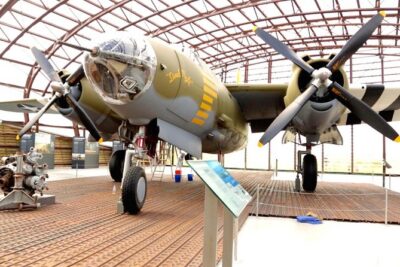 ★ 5.0Normandy D-Day Sites & Cemetery Day Trip from Paris with LunchTickets from $1206,877 guest reviews
 ★ 5.0Normandy D-Day Small-Group Day Trip with Omaha Beach, Cemetery & Cider TastingTickets from $3202,786 guest reviews
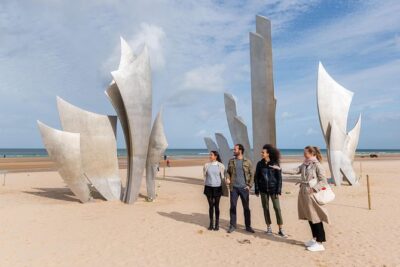 ★ 4.5Normandy D-Day Beaches and American Cemetery Day Trip from ParisTickets from $2072,673 guest reviews
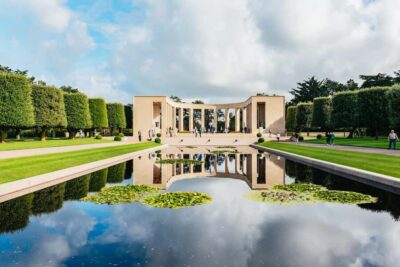 ★ 4.7Normandy D-Day Sites Guided Day Trip with LunchTickets from $1171,082 guest reviews
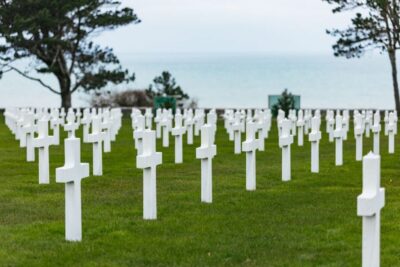 ★ 4.8From Paris: Normandy D-Day Landing Beaches Full-Day TourTickets from $312698 guest reviews
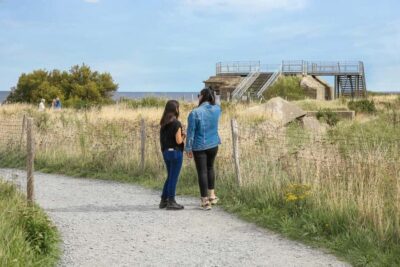 ★ 4.6From Paris: Normandy D-Day Beaches Day TripTickets from $199566 guest reviews
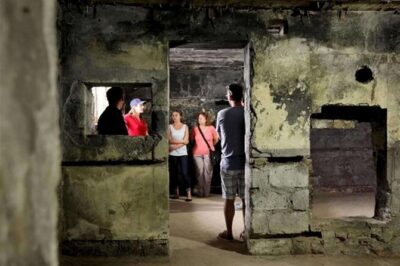 ★ 5.0Normandy D-Day Beaches with Juno Beach, bunkers & Canadian Cemetery from ParisTickets from $290296 guest reviews
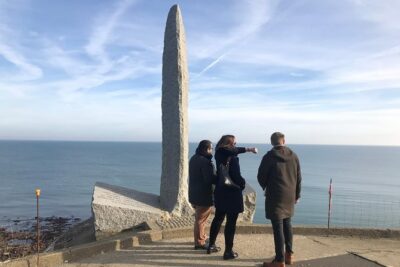 ★ 5.0Normandy D-Day Landing Beaches Small-Group Day Trip from ParisTickets from $344275 guest reviews
This tour also belongs to