
Review · NORMANDY DAY TRIPS
From Paris: Normandy D-Day Beaches Day Trip
A single day in Normandy can hit like a movie scene. This trip lines up the key D-Day places in one long, well-paced coach day, with a live guide to explain what you are seeing. You get the big landmarks, plus the context that makes it all click.
I really like Pointe du Hoc first, because the cliff-top setting makes the Rangers mission feel immediate instead of abstract. I also love the American Cemetery at Colleville-sur-Mer, especially the walk with the view over Omaha Beach.
The main trade-off is time. It is a 14-hour round-trip day with limited lingering at each stop, and it is not suitable for people with mobility impairments.
Key takeaways before you go
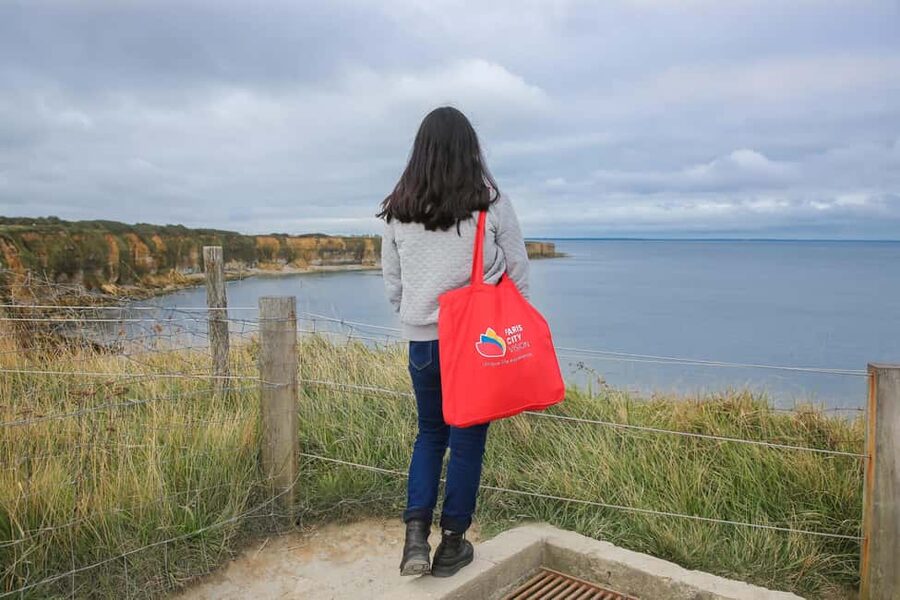
- Pointe du Hoc guided visit (1 hour): The cliffs and fortifications make the assault story easier to understand.
- Omaha Beach is a photo stop: Quick stop time means you should come ready to absorb the moment, not park and linger.
- American Cemetery walk with views: 170 acres, 9,387 headstones, and the Garden of the Missing overlooking Omaha.
- Arromanches-les-Bains for lunch and ruins: Free time to eat, wander, and see the Mulberry harbor remains.
- German coastal battery perspective: Longues-sur-Mer helps balance the story with Atlantic Wall defenses.
- Optional add-ons depend on the day: You might get a short Juno Beach moment and even a museum stop.
A 14-hour Paris-to-Normandy plan that respects your time
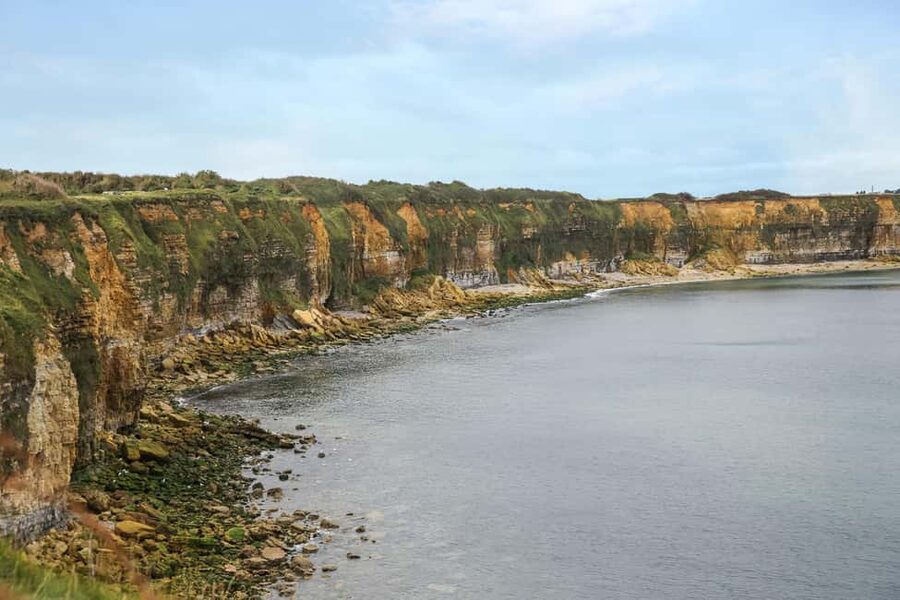
This is not a slow, wander-at-your-own-pace tour. It is a one-day hit of the most important D-Day sites, run from central Paris by air-conditioned coach. You start in the city, then trade traffic for French countryside until you reach the Normandy battlefields.
What makes it work is the structure. You are not just dropped off. A live English guide keeps the day connected, explaining what happened, what you are looking at, and why the terrain mattered. A lot of the best moments come from this in-between storytelling, like when you learn how the beaches fit into the larger plan.
A small but important practical point: wear comfortable shoes. You will be walking through sites with changes in elevation and lots of standing time. Also, pack light. Large bags are not allowed, so plan for a day bag, not a suitcase.
Pointe du Hoc: why the cliffs make the story real
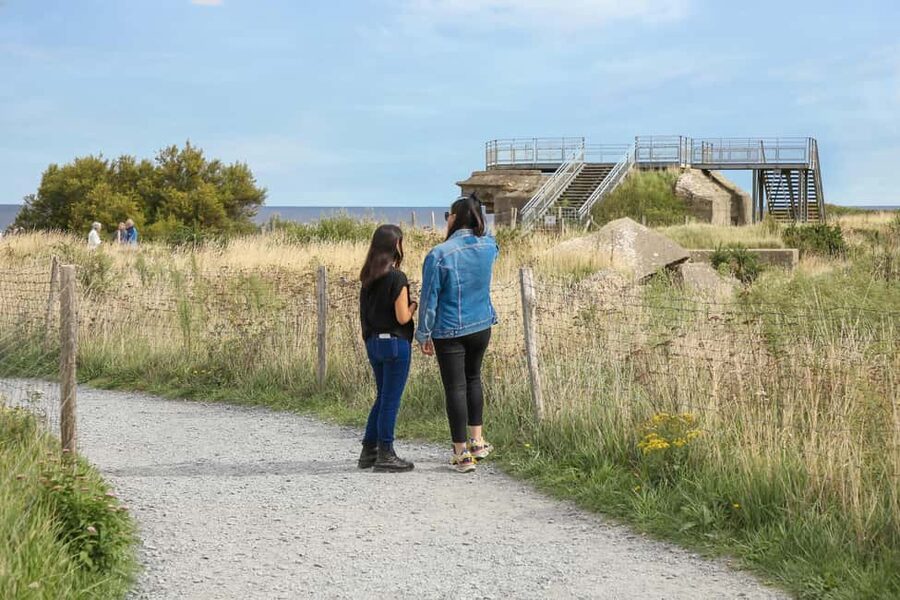
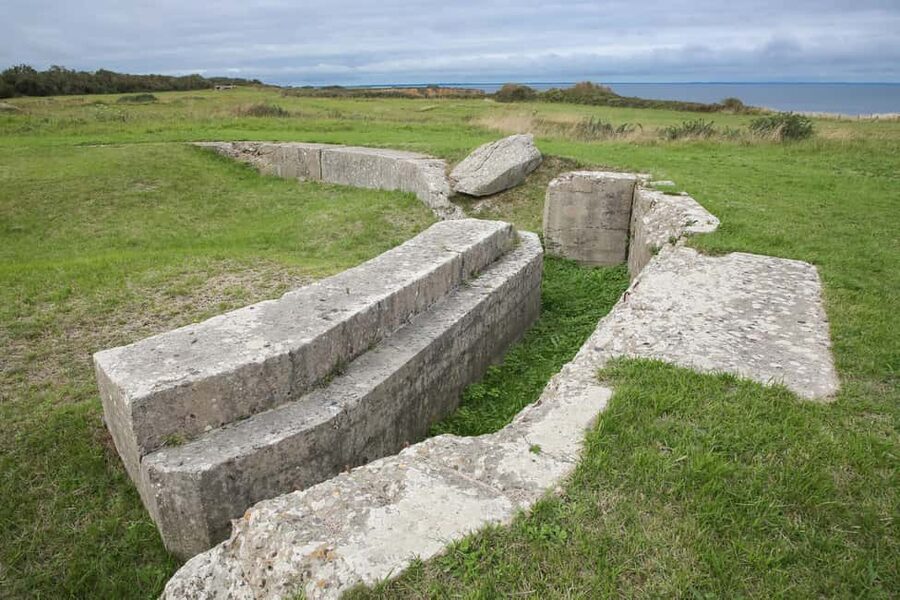
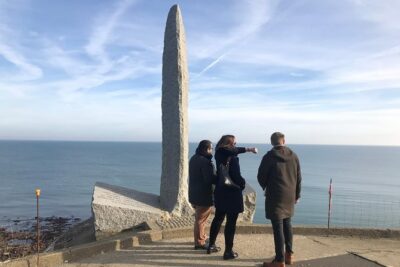
You begin at Pointe du Hoc, a dramatic cliff-top site where American Rangers carried out one of D-Day’s most daring assaults. This stop is guided for about an hour, which is just enough time to get oriented, learn what the objectives were, and then walk the viewpoints and defensive positions.
Even if you know the outline of D-Day, Pointe du Hoc has a special way of grounding it. The cliffs create natural separation, and the bunkers and fortifications show how intensely the Germans expected this area to be attacked. With a guide explaining the mission, the walls and angles become clues, not just scenery.
What I’d watch for as you walk: pay attention to where you are standing compared to the lower coastal areas. The whole point of Rangers going there was to strike a critical threat and survive in terrain that was not designed for visitors. So take your time for your own mental “map,” even if the group moves steadily.
Omaha Beach photo stop, then the American Cemetery’s quiet impact
After Pointe du Hoc, you get to Omaha Beach. Here, the itinerary is clear: it is essentially a photo stop, not a long sit. In practical terms, this means you should use the time to stand where troops landed and visually connect what your guide tells you to the real shoreline.
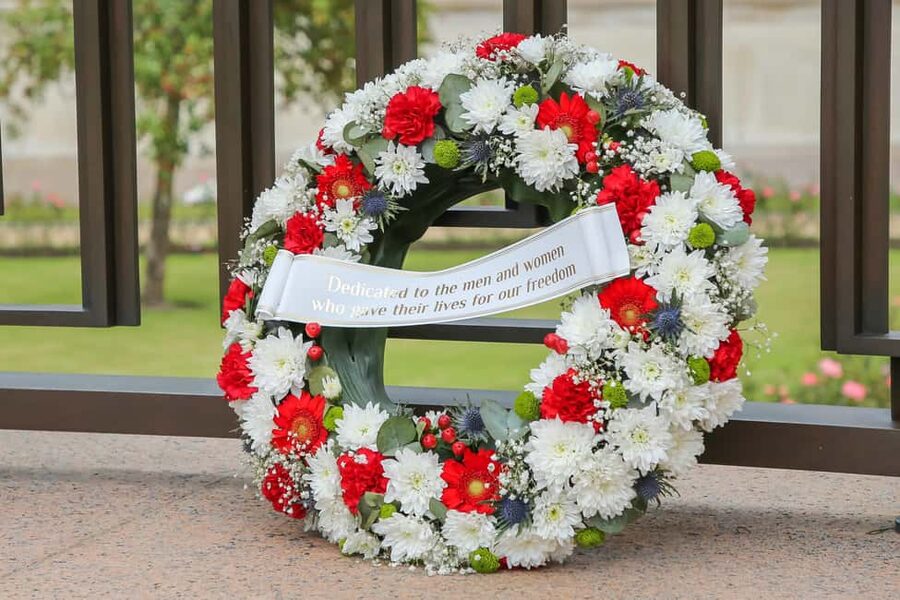
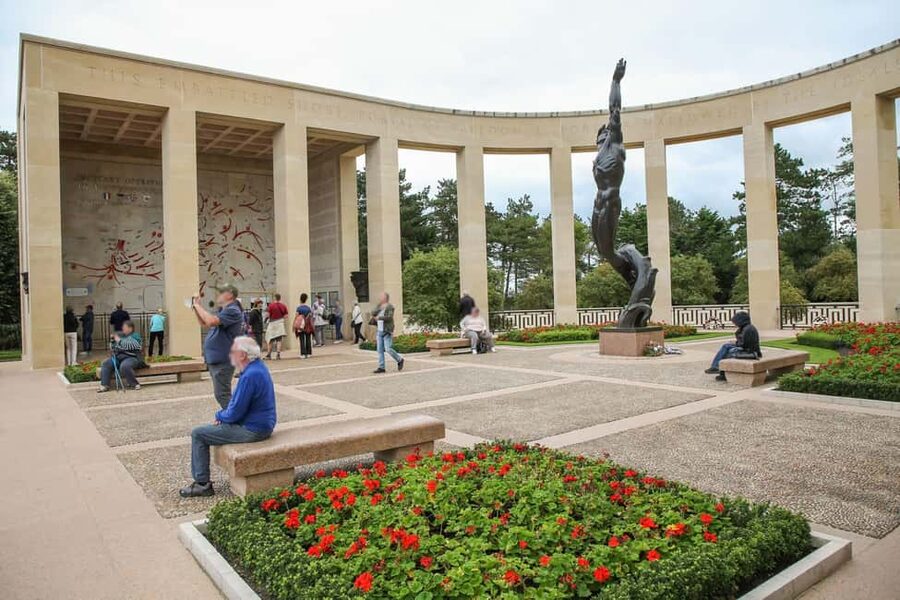
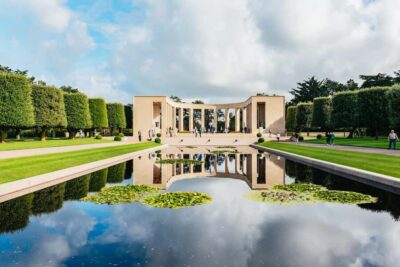
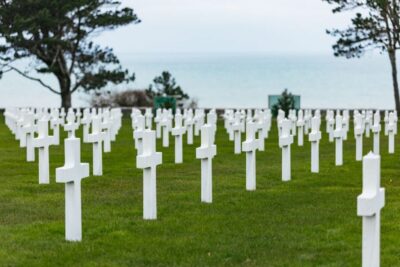
Then the day’s emotional center kicks in at the American Cemetery at Colleville-sur-Mer. This is a 170-acre site overlooking Omaha Beach, with 9,387 white marble headstones, plus a memorial, a chapel, and the Garden of the Missing. Your time there is about an hour, which can feel short when you want to read and reflect, but it is long enough for a proper walk if you pace yourself.
The cemetery is where the scale becomes personal. You feel it in the uniform rows and the quiet space. It is also where the guide’s framing helps. When you understand who is buried there and what the Garden of the Missing signifies, you stop thinking of these places as landmarks and start thinking of them as names, families, and absence.
If you are sensitive to heavy moments, plan for that. This is one of those sites where you may want a few quiet minutes away from the group after the main walk. You do not have to rush to keep up with everyone.
Longues-sur-Mer and the Atlantic Wall view you do not get otherwise
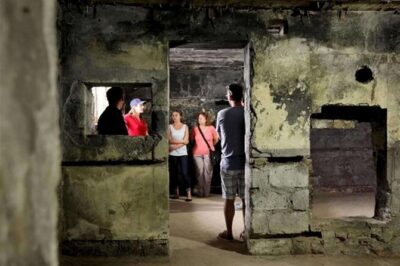
Depending on the day’s exact routing, you may also stop at Longues-sur-Mer to see a remarkably well-preserved German coastal battery. This part matters because it balances the story. Without it, D-Day can feel one-sided and cinematic. With it, you see how the defenders shaped the shoreline, positions, and fields of fire.
If Pointe du Hoc gives you the assault perspective, Longues-sur-Mer helps you understand the defense perspective. The Atlantic Wall was not just a slogan. It was a system, with strong points and practical engineering, placed where it would matter most.
I recommend using the battery visit for observation. Look for how the structure is built to withstand attack and how it dominates the coast. Then let your guide connect the dots to what the attackers faced. That cause-and-effect clarity is what turns photos into understanding.
Arromanches-les-Bains: lunch time plus Mulberry harbor remains
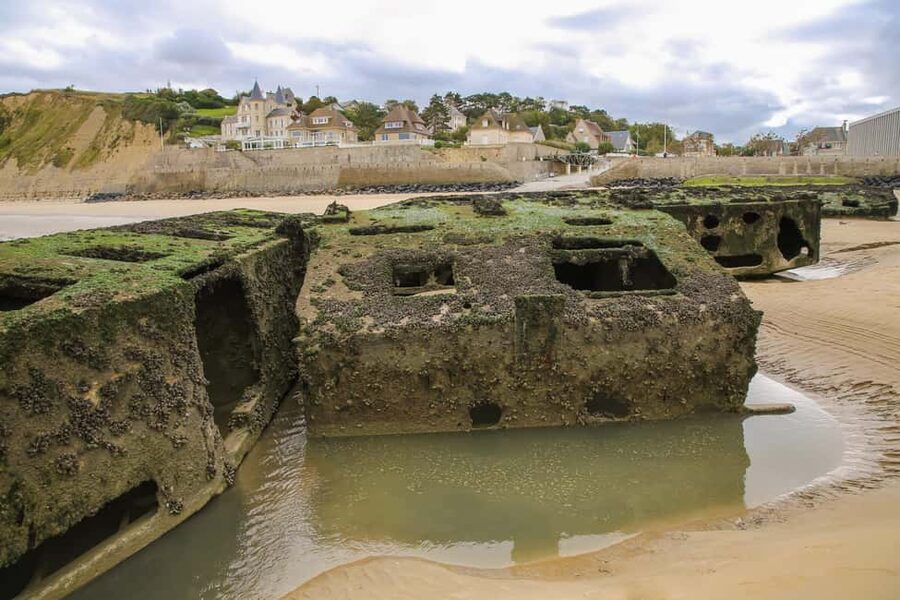
Next comes Arromanches-les-Bains, a seaside town known for the remains of the Mulberry artificial harbor that supported the Normandy landings. This is one of the most interesting “after the fighting” stops, because it shows how logistics shaped the battle’s success.
You will get a lunch window of about an hour, plus additional free time (around 45 minutes) to explore. Some options include lunch, and in any case this is a good chance to eat Normandy-style food on your schedule. Crêpes and cider are specifically called out, so you can plan your meal around what the region is famous for rather than guessing at a random menu.
What I like here is the real-world connection to engineering. Parts of the reinforced concrete Phoenix caissons can still be seen floating in the water. That is the kind of detail you would miss if you only focused on beaches and guns. Instead, you see how supplies got ashore and kept the operation moving.
Use your free time smartly. Grab lunch, walk the waterfront area, and look toward the harbor remains. You will probably have a quick browse for souvenirs too, but the main value is the atmosphere, ocean air, and the sense that this harbor was built for a purpose and kept doing its job.
Juno Beach and a museum stop when the schedule allows
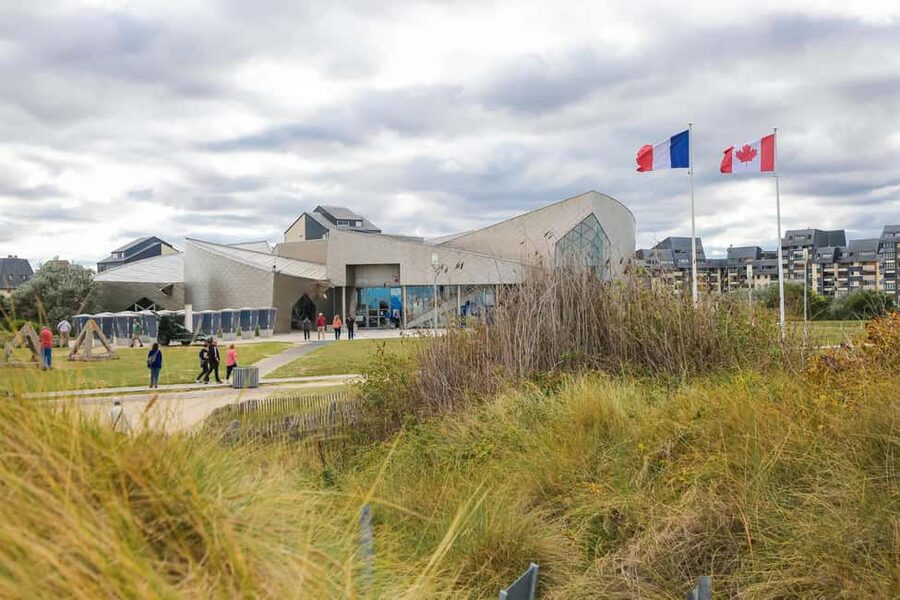
Depending on the day’s schedule, you may also get a short stop near Juno Beach and its cemetery, one of the key landing areas for Canadian troops. This is not guaranteed, so set your expectations to match the reality of a long coach day with traffic and site availability.
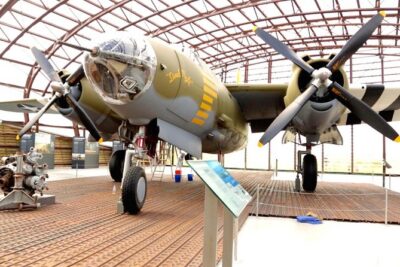
You also might have an opportunity to visit a museum. If that happens, you are looking at everyday objects from life under occupation, military maps and vehicle models, plus film screenings that recreate what D-Day and the Battle of Normandy meant for people on the ground.
I like optional pieces like this because they add depth without taking over the whole day. If you are the type who wants a bit more context after you’ve seen the beaches and memorials, these add-ons can be the best “second layer.”
Your guide makes or breaks this day
This tour’s reputation is tied to the guide experience, and it shows. Many reviews praise the way guides keep the group informed and not rushed, with clear explanations that make the beaches feel more than names on a brochure.
I noticed a pattern of stand-out guide styles in the feedback. People mention guides like Zoltan, Steve, Camile/Camille, Amelia, Ann, and Brigette, and they often highlight three things: strong command of the events, good English delivery, and the ability to make the material engaging without turning it into a lecture.
Some guides even bring personal military background into the storytelling, such as references to Zoltan having served and sharing firsthand perspective. That kind of framing can help you understand not just what happened, but how and why people reacted under pressure.
A practical note from the reviews: the bus ride is typically comfortable, and the driving gets called out as skilled on country roads. There are also rest breaks at least on the way out and back, which helps you stay human during a long day.
Price and logistics: what $199 gets you, and what it does not
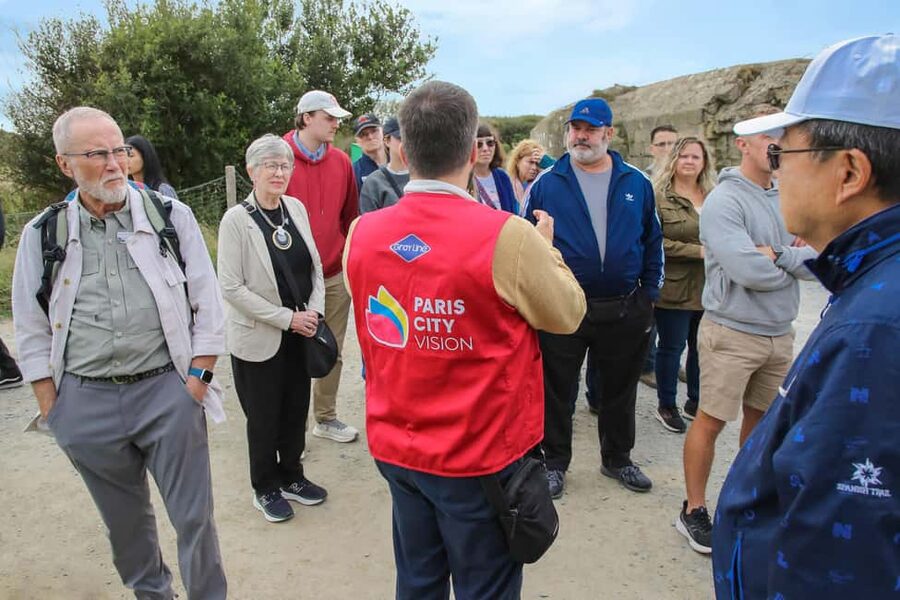
At $199 per person for about 14 hours, you are paying for a lot of structure. You get round-trip air-conditioned transport by coach, a live English guide, and guided access to key memorial and battlefield sites, including the American Cemetery and the guided portion at Pointe du Hoc.
What you do not get is lunch included by default. Lunch is listed as not included, though there may be an option depending on what you select. If you want a sit-down meal, budget extra. If you are flexible, Arromanches free time is your chance to build your own lunch plan around local food like crêpes and cider.
So is it value? For most first-timers in Paris, yes, because you are condensing multiple major stops into one efficient day with a guide doing the heavy lifting on context. It is also a good choice if you cannot spare overnight time in Normandy.
But be honest about your priorities. If you want to spend long, reflective hours at each site, this itinerary can feel tight. The cemetery has time, but Omaha is a photo stop. That is the trade: breadth over deep linger.
Who should book this Normandy D-Day day trip
This is a strong fit if you:
- Want a first-time Normandy overview without the hassle of planning driving routes.
- Appreciate a guide who explains the “why,” not only the “where.”
- Have a limited time window in Paris and still want the core D-Day sights.
It is less ideal if you:
- Need a lot of time to linger at each location.
- Have mobility limitations, since the tour is not suitable for people with mobility impairments.
Families can also do well. Reviews include comments from people traveling with teens and even WW2 enthusiasts, and the pacing tends to keep interest up by moving between sites with different angles on the story.
Final verdict: should you book?
If you want your Normandy day to feel meaningful and not overwhelming, I’d book this. The combination of Pointe du Hoc, the American Cemetery, and Arromanches gives you both the battlefront and the “how it actually worked” side of the landings. And when you land with a strong guide like the ones praised in the reviews, the day becomes easier to understand, even when it is emotionally heavy.
Just go in with the right mindset: this is a long day with short stops, not a slow tour. Bring comfortable shoes, pack light, and plan for a guided rhythm where you absorb a lot at once. If that fits you, this is one of the best ways to experience the D-Day beaches from Paris without wasting time.
FAQ
How long is the trip from Paris to the Normandy D-Day Beaches?
The tour duration is listed as 14 hours.
What does the tour include?
It includes round-trip transportation by air-conditioned bus, a live English guide, visits to the American Cemetery in Colleville-sur-Mer, a photo stop at Omaha Beach, a stop in Arromanches, and a guided visit of la Pointe du Hoc.
Is lunch included?
Lunch is not included. There is a stop in Arromanches where you may have time to eat, and lunch options can depend on what you select.
What are the main stops on the itinerary?
Key stops include la Pointe du Hoc, Omaha Beach (photo stop), the Normandy American Cemetery in Colleville-sur-Mer, and Arromanches-les-Bains (lunch time and sightseeing time). Depending on the day, there may also be a short stop near Juno Beach and an opportunity to visit a museum.
How much time do you have at Omaha Beach?
Omaha Beach is included as a photo stop, with a brief visit time listed as about 30 minutes.
Where does the tour start in Paris?
There are two possible starting locations: Frame Brasserie at Hotel Pullman, Pullman Paris Tour Eiffel, or the Pullman Paris Tour Eiffel. The exact meeting point may vary depending on the option booked.
Does the guide speak English?
Yes. The tour is listed with a live guide in English.
Is the itinerary the same every day?
Timings and the exact route can change due to traffic conditions or site availability.
What should I bring?
You should bring comfortable shoes.
Is the tour accessible for people with mobility impairments?
No. It is listed as not suitable for people with mobility impairments.
Normandy Day Trips, side by side.
 ★ 5.0Normandy D-Day Sites & Cemetery Day Trip from Paris with LunchTickets from $1206,877 guest reviews
 ★ 5.0Normandy D-Day Small-Group Day Trip with Omaha Beach, Cemetery & Cider TastingTickets from $3202,786 guest reviews
 ★ 4.5Normandy D-Day Beaches and American Cemetery Day Trip from ParisTickets from $2072,673 guest reviews
 ★ 4.7Normandy D-Day Sites Guided Day Trip with LunchTickets from $1171,082 guest reviews
 ★ 4.8From Paris: Normandy D-Day Landing Beaches Full-Day TourTickets from $312698 guest reviews
 ★ 5.0Normandy D-Day Beaches with Juno Beach, bunkers & Canadian Cemetery from ParisTickets from $290296 guest reviews
 ★ 5.0Normandy D-Day Landing Beaches Small-Group Day Trip from ParisTickets from $344275 guest reviews
 ★ 4.0Normandy 2Days Trip Landing Beaches and Mont St Michel from ParisTickets from $682219 guest reviews
This tour also belongs to