
Review · MUSEUMS
Skip-the-line Rodin Museum Tour with Artist
Rodin hits differently when you see the craft up close. This skip-the-line Rodin Museum experience pairs a private artist-guide with time-saving entry so you can spend your effort on the sculpture, not the queue. I especially like the artist-led technique focus and the museum setting inside a rococo mansion, plus the added iPad visuals to connect what you see with Rodin’s working life. The main catch is simple: with just 2 hours, you will not get everything at a slow, solo pace.
The guide is the real engine here. In the past tours I read about, Blerta stood out for being personable and bringing real art-world context, not just dates. You also get a structured flow from indoor masterpieces to outdoor garden views, which helps if you want meaning, not a random stroll.
You’ll spend part of your time in the Sculpture Garden where bronzes like The Thinker land with more weight, because you’ve already been shown how Rodin built form, surface, and motion. If you want a long museum day with lots of wandering, this format may feel a bit brisk.
Key points before you go
- Skip-the-line entry through a separate entrance, so you start seeing art quickly.
- Private artist-guide who explains Rodin’s techniques the way makers do.
- iPad collection included, designed to help you imagine Rodin’s process and life as you look.
- Rococo mansion setting, with the museum itself feeling like part of the artwork.
- Sculpture Garden time with scenic views, plus iconic pieces including The Thinker.
- One short café break (10 minutes) so you can reset without losing the tour flow.
Entering the Rodin Museum fast, then using that time well
The Rodin Museum is one of those places where time matters. Even when you are eager, lines and bottlenecks can chew up your most limited resource: your attention. This tour uses skip-the-line access through a separate entrance, which is the difference between arriving energized and feeling rushed once you finally get inside.
You meet in front of the Rodin Museum entrance. That’s straightforward, but it also means you should plan to be there a bit early. I like tours that reduce friction, because the museum is easiest to enjoy when you can walk in with a plan and then follow the guide’s sequence.
Once you’re in, the flow makes sense. Instead of bouncing randomly across rooms, you start with guided orientation inside, then transition outside to gardens and viewpoints. This matters because Rodin’s work reads differently indoors versus outdoors. Indoors, you can study surface, posture, and detail. Outdoors, you experience scale and movement in space, and the views become part of how you understand the sculptures.
You can also read our reviews of more museum experiences in Paris


Your private artist-guide (Blerta) and why technique changes everything
A regular museum guide can be great, but an artist-guide does something specific: they help you see decisions. You start noticing how Rodin gets effects that feel effortless, like the tension in a twisted torso or the way stone turns into something almost skin-like.
In the comments I reviewed, Blerta was praised for being personable and for sharing in-depth insights that only professionals in art typically communicate. That kind of feedback tells you what to expect: you’re not just hearing what to look at, you’re learning how to look.
The guide also works with your pace as a private group. That usually means you can ask questions without derailing a big crowd. You also get the tour in English or French, so you can match your comfort level. If you’re traveling with someone who wants artsy context beyond a standard walkthrough, this guide format is a strong match.
The iPad adds context without slowing you down
You get a curated iPad collection included. That matters because Rodin’s genius can be hard to hold in your head while you’re standing in front of a finished bronze. The iPad tools are there to help you connect what you see with what Rodin was thinking and doing, including his evolution from classical beginnings through later, more experimental and even unfinished work.
Think of it as a visual bridge. You look at a sculpture, then the iPad helps you imagine the steps that led to it. That is a smart way to compress a lot of art history into 2 hours.
Inside the rococo mansion: the 1-hour Rodin Museum walkthrough
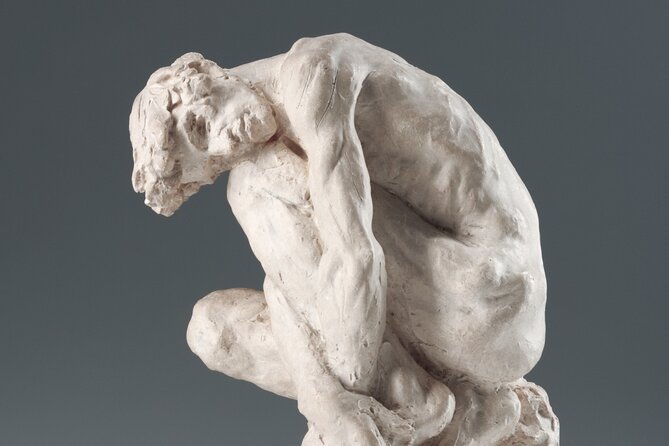
The Rodin Museum is housed in a rococo-style mansion that is more than a container. You get that sense from the moment you step inside, because the setting feels theatrical and intentional, like the rooms are built to frame art.
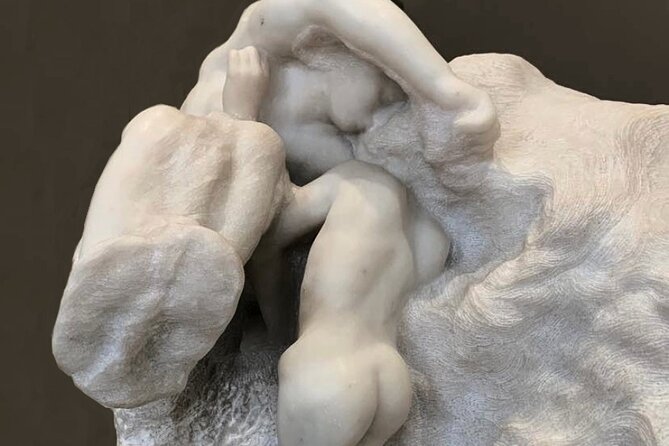
Your museum time is about 1 hour of guided visit. During that hour, you trace Rodin’s artistic evolution. The tour doesn’t just point at famous pieces. It aims to show your eye where change happens: from his earlier classical foundations to his later approach, including the unfinished masterpieces that reveal how an artist thinks in drafts.
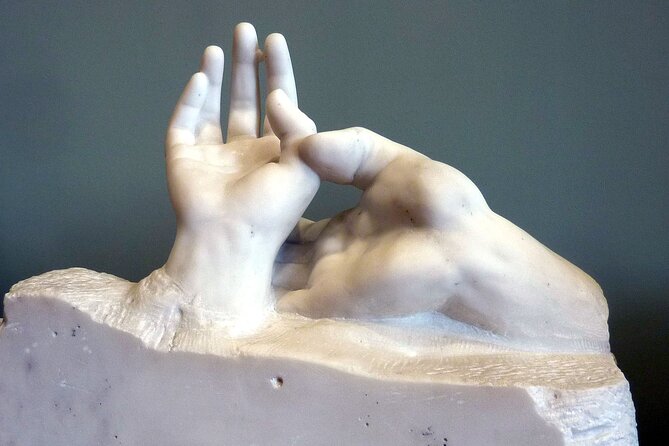
You also encounter Rodin’s unique collection of antique fragments. This is especially interesting for people who like seeing influences. Fragments can feel abstract at first, but the guide’s artist lens helps you understand how pieces from the past can spark new movement, new composition, and new ways to treat form.
What this portion should feel like
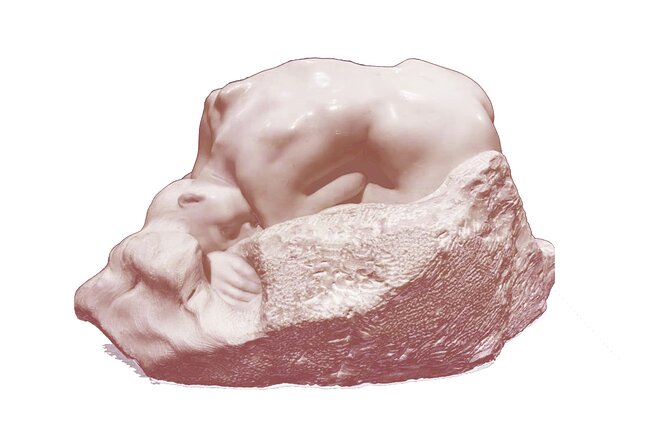
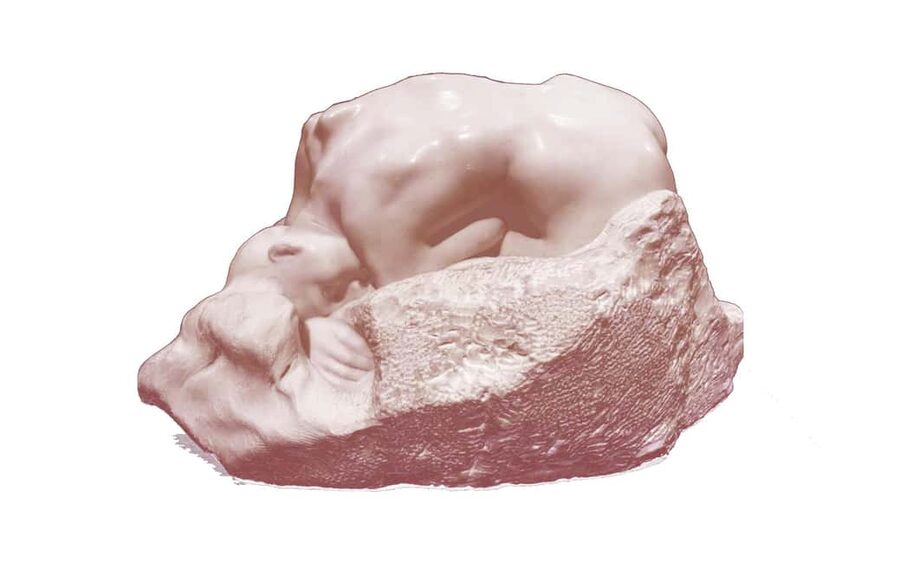
You should come away with clearer mental pictures, not just a list of titles. Rodin’s work often reads as bodies in motion, even when the material is heavy stone or metal. The guide’s focus on technique helps you understand why you feel that motion. You start recognizing things like:
- twisted, dancing limb relationships
- monumental enlargement effects (things that feel bigger than life)
- blocks of raw stone paired with polished surfaces
If you’re the kind of person who likes to stand close and look for reasons, the museum section is where that pays off.
More Paris tours and experiences for the shortlist






Possible drawback to expect
Because the museum time is limited to about an hour, you may not get to linger as long as you want at every work. If you prefer to read every wall label and wander room to room, plan to treat this as a high-impact introduction rather than a slow, self-guided marathon.
Café pause at L’Augustine, then back outside to the garden

About halfway through the tour, there’s a short break at Café – Restaurant L’Augustine. You get 10 minutes for coffee. Food and drinks are not included, so come prepared to buy what you want, or stick to water and pace yourself.
I like this kind of break because it doesn’t derail the rhythm. In only 2 hours, you are working with a tight schedule. A short pause helps you reset your eyes so the next portion feels fresh, not foggy.
Use the break strategically. If you’ve been studying technique indoors, your brain will want a moment to switch gears. Ten minutes is enough to refocus and then head back outside ready to see how Rodin’s sculptures behave in real light and open air.
Sculpture Garden time: views, bronzes, and the feeling of movement
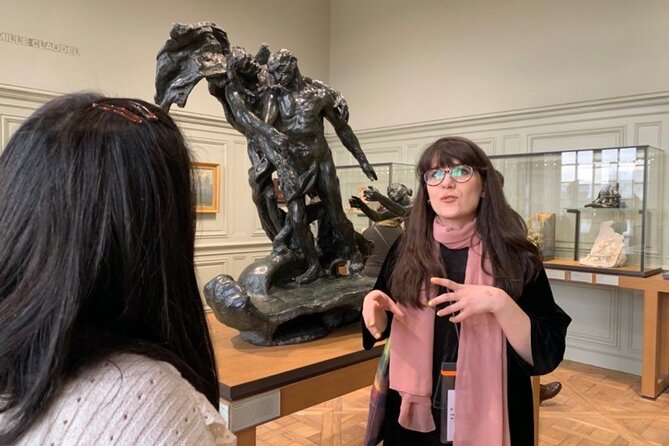
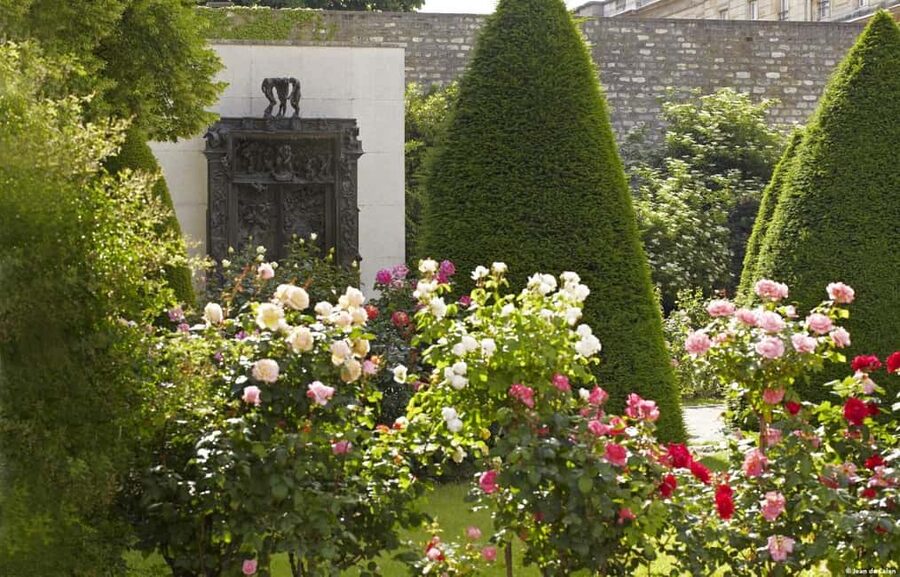
After the coffee stop, you spend about 50 minutes walking with scenic views along the way. This outdoor segment is where Rodin often makes the biggest emotional impression.
The highlight focus here includes the majestic French gardens and the Sculpture Garden perspectives. You also get iconic bronzes, including The Thinker, which is famous for a reason. But when you understand Rodin’s technique first, The Thinker stops being just an image you recognize from postcards. It becomes a study in how posture, pressure, and expression can hold an entire mood.
Outside, the sculptures gain extra meaning because you experience them at different angles. Indoors, you tend to stare straight ahead. Outdoors, you naturally move, and Rodin’s entangled, sinuous bodies start to feel like they are interacting with the space around them.
This is also where the tour’s structure helps. You do not just get outdoor photos. You get time that’s guided, with a reason for the path and a sense of what to look for once you are there.
What you might find most rewarding outdoors
You’ll likely enjoy noticing how:
- raw and finished surfaces change with light
- scale feels different when you walk around a piece
- motion reads more clearly in open space
A small practical consideration
Even with wheelchair access, gardens can mean uneven surfaces and some walking time. This portion is not described as all sitting. So wear comfortable shoes and treat the garden walk as part of the experience, not a gap between the “real” art.
Price and value: what $234 per person buys in 2 hours
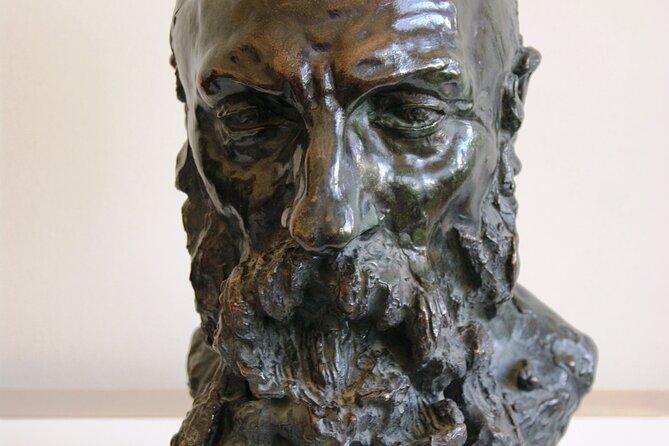
At $234 per person for a 2-hour private experience, you’re paying for three main things: the guide expertise, the private format, and the ticket value that would cost money otherwise.
Here’s what you actually get for the price:
- Skip-the-line entry to the Rodin Museum and gardens
- Guided tour of the museum and gardens
- A unique local artist-guide
- A curated iPad collection
- Duration of about 2 hours
That combination is what makes the value feel “worth it” for the right traveler. If you are the type who wants more than quick photos, a guided technical reading can save you from wandering aimlessly. You get a framework for understanding Rodin’s evolution, including classical beginnings and the more experimental side that shows up in unfinished work.
If you are on a tight budget, $234 can feel like a splurge. The best way to decide is to ask yourself what you’d otherwise do. If you’d likely buy museum tickets and hire a guide anyway, this starts to make sense as a package.
Because it’s a private group option and the guide is an artist, it tends to work best when at least one person in your group really wants the art to make sense, not just to be seen.
Who this tour suits best, and who should skip it
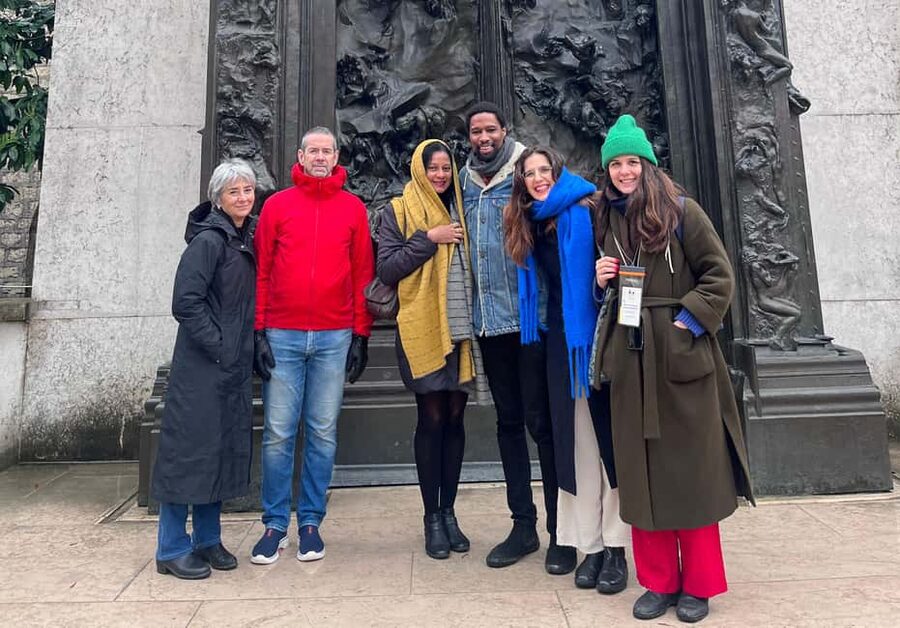
This works especially well for:
- first-timers at the Rodin Museum who want a clear path and context
- art-minded travelers who like technique and process
- couples or small private groups who prefer questions over lectures
- travelers who want indoor masterpieces plus outdoor sculpture garden views without planning the route
It may not fit as well if:
- you want an all-day museum experience with unlimited time at each room
- you prefer a completely self-guided visit
- you don’t care much about artistic process and prefer only the highlights at your own pace
One more good fit: if you care about explanations that connect sculpture to the way an artist thinks, the iPad and artist-guide pairing is designed for that. You’re not just reading labels, you’re building an understanding.
Practical tips so the 2 hours feel bigger than they are
First, show up on time. You meet in front of the Rodin Museum entrance, and timing matters because the tour is only 2 hours long.
Second, keep your expectations realistic. You’re not seeing every single item in the museum. You’re getting guided emphasis on Rodin’s evolution, masterpieces, antique fragments, and the sculpture garden experience.
Third, prepare for a shift from indoor to outdoor. The museum segment is more focused and close-up, then the garden segment uses open space and walking. Comfortable shoes are a must.
Fourth, pay attention to how you use the iPad. The best results usually come when you look at a sculpture first, then use the iPad to help you understand what you’re seeing. If you bounce back and forth constantly, it can blur the effect. Let the art lead, then use the iPad to sharpen the interpretation.
Finally, plan around food. The stop at Café – Restaurant L’Augustine is a quick break, and drinks or snacks are not included. If you need a real meal, you’ll have to plan that outside the tour window.
Should you book this skip-the-line Rodin Museum artist tour?
If you want Rodin to feel like more than famous images, I’d book it. The mix of skip-the-line access, an artist-guide, and the included iPad tools turns a standard museum visit into a guided conversation about how sculpture works.
The decision mostly comes down to your style. If you like structured viewing, questions, and technique-focused explanations, this tour is a strong use of time. If you want to wander for hours on your own, or you’re very price sensitive, consider a self-guided visit instead and spend the savings on more time elsewhere.
FAQ
How long is the Rodin Museum skip-the-line tour with an artist?
The tour lasts about 2 hours.
Where do we meet for the tour?
You meet in front of the entrance of the Rodin Museum.
Is the tour guided, and what languages are available?
Yes, it includes a live guide. The tour is offered in English and French.
Does this tour include skip-the-line entry?
Yes. It includes skip-the-line entry tickets to the Rodin Museum and the gardens, using a separate entrance.
What’s included, and is food included?
Included are the guided tour of the Rodin Museum and gardens, a local artist-guide, a curated iPad collection, and skip-the-line tickets. Food and drinks are not included.
Is the tour wheelchair accessible?
Yes, the tour is wheelchair accessible. A private group option is also available.
More Museum Experiences in Paris


More Tours in Paris



More Tour Reviews in Paris




Not for you? Here's more nearby things to do in Paris we have reviewed












Museums, side by side.
 ★ 4.6Louvre Museum Timed-Entrance TicketTickets from $2671,977 guest reviews
 ★ 4.7Orsay Museum Entry TicketTickets from $1525,647 guest reviews
 ★ 4.5Louvre Museum Masterpieces Guided Tour with AccessTickets from $8612,023 guest reviews
 ★ 4.6Louvre Museum Entry Ticket With Host and River CruiseTickets from $1009,926 guest reviews
 ★ 4.6Les Invalides: Napoleon’s Tomb & Army Museum EntryTickets from $209,185 guest reviews
 ★ 5.0Louvre Museum – Exclusive Guided Tour (Entry Included)Tickets from $1816,296 guest reviews
 ★ 4.6Louvre Museum Hosted Entry and Mona Lisa AudioguideTickets from $815,235 guest reviews
 ★ 4.7Louvre Museum Tour Mona Lisa & Iconic MasterpiecesTickets from $794,536 guest reviews
This tour also belongs to