
Review · LOUVRE MUSEUM TOURS
Skip-the-Line Louvre Museum Tour with Artist
The Louvre can feel like a maze, fast. This small-group tour turns it into a clear story with a painter-guide and reserved skip-the-line entry. You get an organized look at the must-sees, plus practical ways to interpret what you’re seeing instead of just trying to survive the crowd.
I also love how personal it feels. The guide teaches you how masters built meaning through technique, so icons like Mona Lisa, Venus de Milo, and Nike land with context, not mystery. One drawback to plan for: the experience is not suitable for wheelchair users, and you should expect plenty of walking.
Think of it as the Louvre with a map and a translator for art. You’ll meet outside the museum, move through the Louvre Pyramid first to get oriented, then spend your short 2 hours inside focusing on the big highlights in a smart order.
Key takeaways before you go
- Reserved skip-the-line tickets so you’re not stuck waiting in public lines
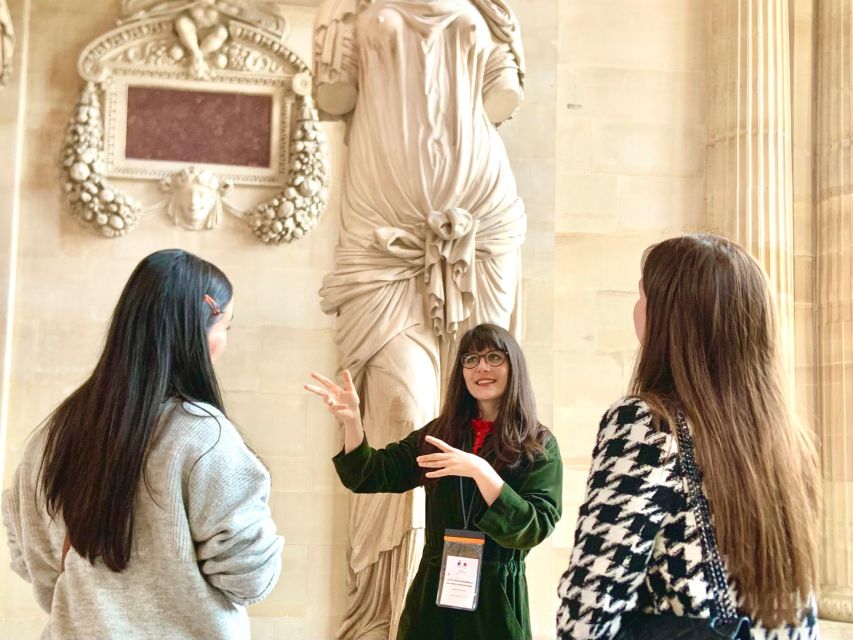
- Certified artist-guide who paints, so you learn technique, not just dates
- Tiny group (no more than 6) for questions and real back-and-forth
- Hands-on style interpretation for faces, folds, poses, and composition
- A focused 2-hour highlights route aimed at the real standouts
A painter-guide makes the Louvre make sense
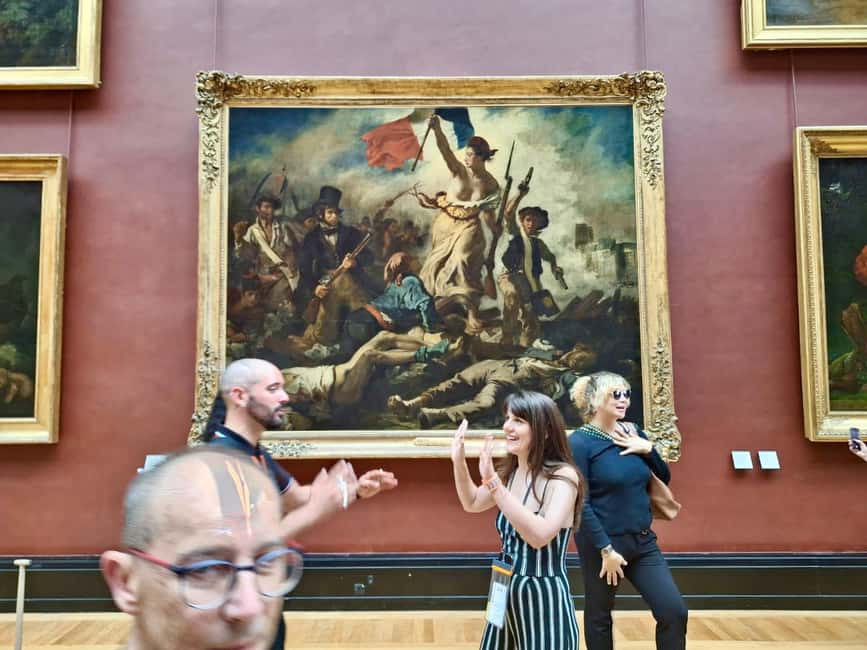
If you’ve ever walked into the Louvre and felt your brain go white, you’re not alone. The museum is enormous, and most first visits turn into a checklist you race through. This tour is built to slow that down just enough, so you can actually read what you’re looking at.
What I like most is the guide approach. This isn’t a standard script that rattles off dates. A certified artist who also works as a painter helps you notice how images are constructed, why certain details matter, and what artists were trying to communicate.
In other words, you stop asking, What am I supposed to think?, and start asking better questions. Why do the folds on Nike feel so convincing? Why does Mona Lisa’s expression seem to shift? You’ll get prompts that help you see form, light, and composition as tools, not decoration.
And the small group matters. With no more than 6 people, you’re not stuck behind tall shoulders. You can ask something specific, and the guide can answer in a way that connects the piece to technique and meaning.
You can also read our reviews of more museum experiences in Paris



Meeting at Le Kiosque des Noctambules (not inside the museum)
One quirk worth knowing early: you do not meet at the Louvre. You’ll meet at Le Kiosque des noctambules, a Murano glass beads sculpture across from the Comédie Française. It’s an easy landmark once you’re there, and it also sets a calmer tone before you hit museum chaos.
For transit, plan to use Palais Royal – Musée du Louvre metro. Get off at Place Colette and use the exit by Place Colette. If you’re arriving with bags, I’d still keep it simple. This is a walking and standing tour format once you start moving.
I find meeting outside is helpful because it lets you regroup before the museum flow. Plus, you avoid the common first-visit mistake of wandering near the museum entrance half-panicking with the wrong gate.
Skip the Louvre line with a separate entrance

The Louvre is famous for lines. This tour uses reserved entry tickets and a separate entrance strategy. That means your time goes into art, not into standing still while your phone battery fades.
When you see the “skip-the-line” part, remember what it really buys you. It buys you mental energy. You arrive inside already in motion, already part of the group rhythm, rather than starting your visit frazzled and rushed.
You still have museum security and crowds, but the big win is that you’re not competing with the general admission flow. For a 2-hour experience, time is the real currency, and this tour spends it wisely.
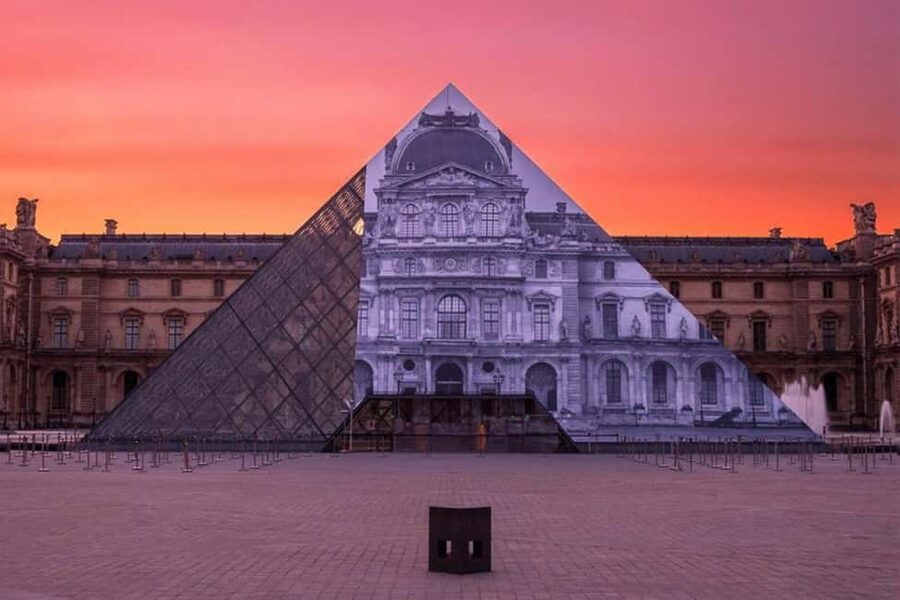
Louvre Pyramid orientation: where your 2 hours start working
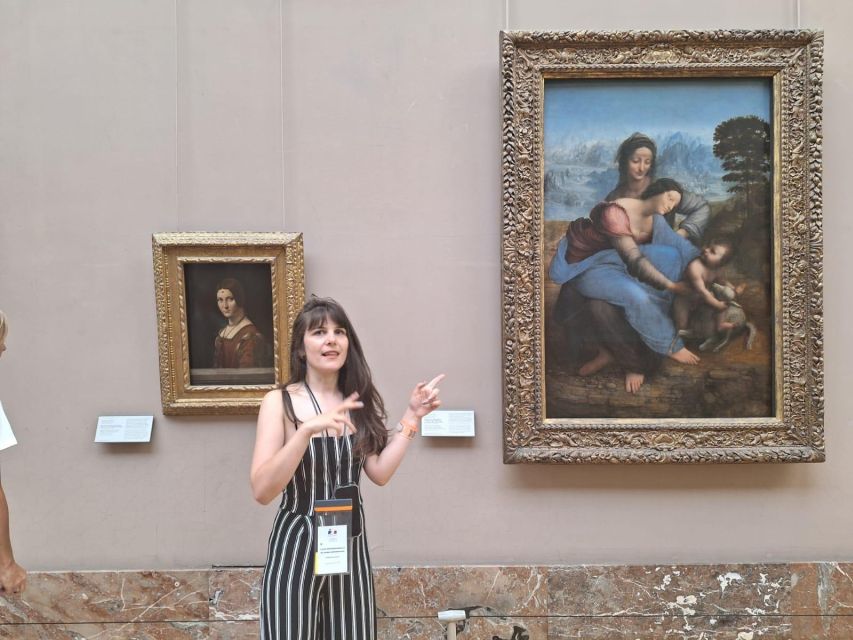
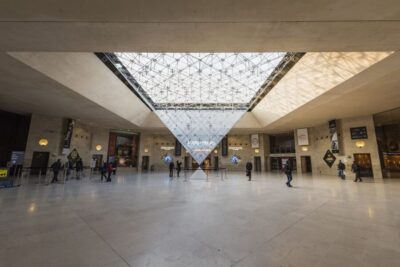
Your first stop inside the route is the Louvre Pyramid. The guide takes you here early so you can get bearings fast. This matters more than it sounds. Without orientation, you end up zigzagging randomly and missing the logic of the highlights route.
At the Pyramid, you’re basically getting the framework. The guide explains what to look for, how the highlights connect across styles, and what themes you’ll see as you move through rooms.
From there, you transition into the museum proper with a clear plan: walk, look, interpret, then repeat. It keeps you from feeling like you’re staring at masterpieces with no keys to the door.
The 2-hour highlights route: Mona Lisa, Venus de Milo, Nike
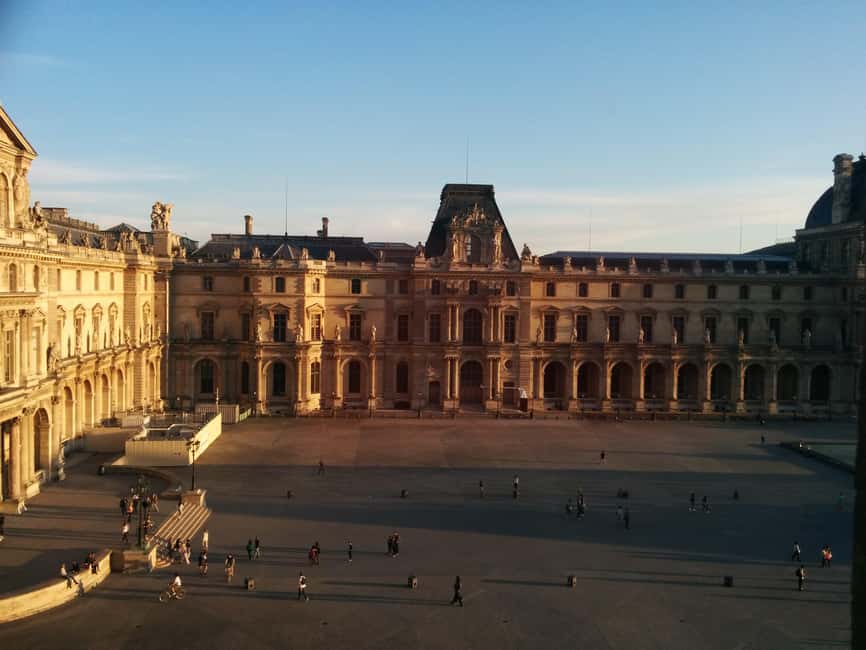
Inside, the tour is designed as a focused walk of major Western masterpieces. The goal is not to cover everything. The goal is to cover the right things with the right explanations so you leave understanding what you just saw.
You’ll get up-close encounters with:
- Mona Lisa
- Venus de Milo
- Nike
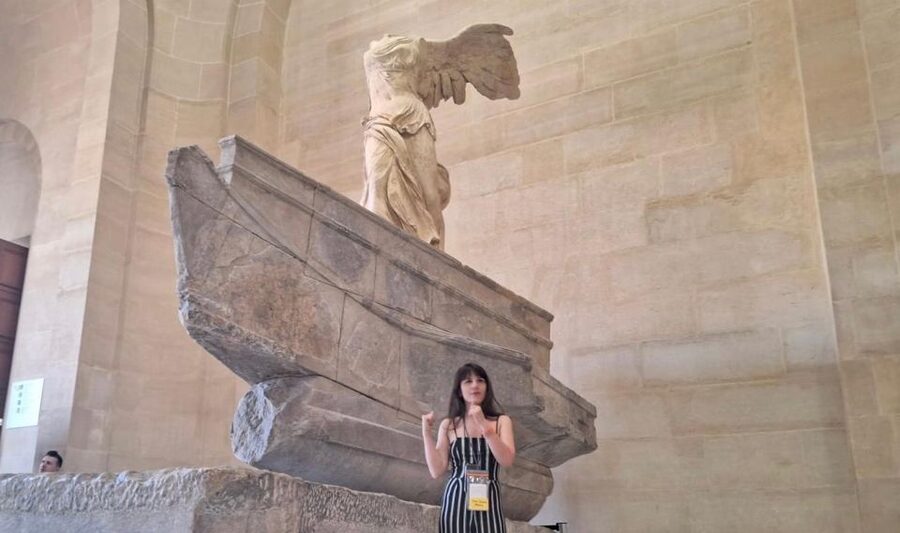
Even if you’ve seen these names a hundred times online, the difference is the guide’s reading of the work. For example, the tour emphasizes how artists shaped impact through technique. You’ll talk about Mona Lisa in a way that helps you notice expression, pose, and subtle visual balance.
For Venus de Milo and Nike, the emphasis is often on physical presence and form. You’ll look at how sculptors and painters build believable anatomy or dramatic movement. The guide also links these pieces back to broader artistic evolution, including Greek Antiquity through the Italian Renaissance.
What you should expect from the pace: a “stop and look, then move” rhythm. That’s crucial. The Louvre rewards patience, but it punishes wandering. This tour keeps you moving just enough to keep momentum without turning your experience into a speed-run.
More Paris tours and experiences for the shortlist




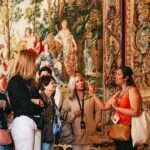

What you actually learn from an artist-guide (how to read technique)
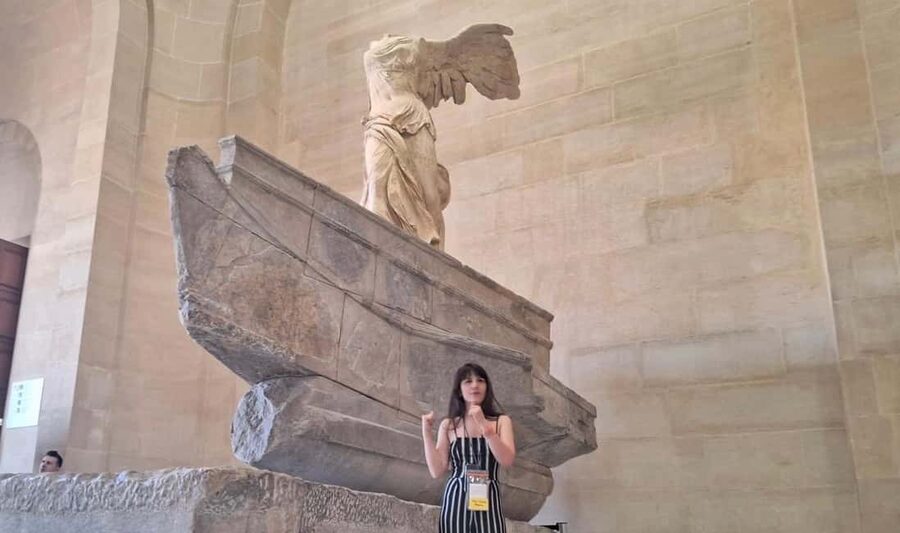
This tour isn’t only about what’s famous. It’s about how meaning gets built. A painter-guide can explain things that a regular guide might summarize. Not better facts, but better visuals.
You’ll likely focus on the mechanics behind what you see. Think brushwork, light choices, figure proportions, and the “why” behind compositional decisions. The point is to give you a mental toolkit you can use even after the tour ends.
One of the most practical parts is how the guide handles questions. In past tours, guides such as Blerta have been praised for being able to answer specific questions about a piece and then connect it to story and artistic context. That’s what you want during a highlight tour, especially if you’re traveling with teens or kids who will not fake interest.
There’s also a customization vibe. Some groups are guided with questions about what people want to see, then the route gets shaped around those interests. If you love painting technique, you’ll probably get more language around how images are constructed. If you want narrative and symbolism, you’ll get that angle too.
And yes, the guide brings art history into plain language. You should still expect serious content, but delivered in a way that feels usable, not academic.
Group size, headsets, and how you avoid museum burnout
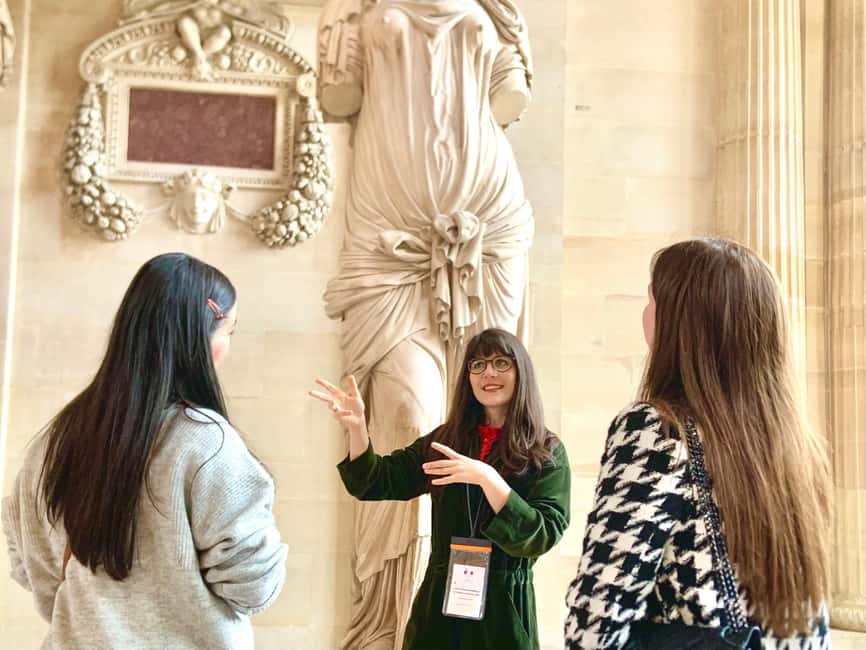
The tour runs for 2 hours and is limited to no more than 6 visitors. That tiny-group setup changes everything. You can actually hear your guide, ask questions, and keep your eyes on the pieces instead of on other peoples backs.
Audio headsets are included when available. That’s a small detail, but it matters. In the Louvre, sound can vanish in crowds. Headsets help you stay connected to the explanation even when you’re standing near busy highlight zones.
Also, the guide is handling the movement, so you don’t have to keep recalculating where you are. You’ll follow an order that prioritizes major stops. That reduces the classic “we got here but we never saw it” problem.
One more reality check: with an artist-led walk, the tour is not just passive looking. You’re thinking while you’re standing there. That’s great, but it can feel like more than sightseeing. In a good way. It’s the difference between watching a show and learning how the show is made.
Accessibility and comfort: plan for walking, and bring good shoes

This isn’t listed as wheelchair accessible. If you need mobility support, you should know the tour is not suitable for wheelchair users.
At the same time, some past groups have mentioned the guide working to minimize stairs when there are mobility issues. So if your situation is flexible, it may help to reach out with specifics before booking. For anyone with limited mobility, I’d also plan on a slower pace and ask what parts of the route might be harder.
Comfort-wise, bring comfortable shoes. This is still the Louvre, meaning you’ll be standing and walking through corridors with crowds. Add a reusable water bottle to help you stay sharp. The tour does not allow food and drinks, so water is your easiest comfort move.
Price and value: is $246 per person worth it?
At $246 per person for a 2-hour tour, this is a splurge. But I think it can be a good value depending on your priorities.
Here’s what you’re paying for, in plain terms:
- Reserved entry tickets and skip-the-line access, which can be a huge time saver
- A certified artist-guide who connects technique to meaning
- A tiny group size that makes the time feel usable
- Audio headsets when available
For a museum this big, time is the expensive part. If you show up with only a couple hours, self-guided sightseeing often becomes a blur. This tour turns those hours into focused viewing with interpretation.
Is it worth it if you’re the type who loves wandering and reading at your own pace? Maybe not. You might prefer a self-guided route with a book or app.
But if you want to see the highlights without guessing what they mean, and you want the Mona Lisa, Venus de Milo, and Nike explained in a way that actually sticks, the price starts to feel more reasonable. You’re buying clarity plus saved time.
Who should book this Louvre artist tour
This tour is best for people who want more than photos. You’ll enjoy it if you:
- Want a structured highlights plan in a museum that can overwhelm you
- Like asking questions and getting answers tied to technique
- Travel with teens or families who need context to stay engaged
- Appreciate an artist’s way of looking at composition, form, and detail
It’s also a strong pick for short stays. A 2-hour visit can work if you treat it like a guided introduction, not a full Louvre day.
If you’re extremely mobility-limited, or if you cannot manage the walking and standing involved, you should probably choose a different format. This one explicitly states it is not suitable for wheelchair users.
My decision guide: should you book it?
If you want to feel like you’re doing the Louvre right, in a short window, I’d book it. The standout value is the combination of reserved entry plus a painter-guide who helps you interpret what you see.
Choose it if you’re tired of guide tours that only list facts. Choose it if you want to stand at Mona Lisa and actually understand why the artwork hits the way it does. Choose it if small-group attention is your thing.
Skip it if you want total freedom to roam, or if you’re relying on full wheelchair accessibility. In that case, you’ll likely feel constrained by the tour format.
FAQ
FAQ
How long is the Louvre tour?
It lasts 2 hours.
Where do I meet the guide?
Meet at Le Kiosque des noctambules by Jean-Michel Othoniel, across from the Comédie Française. The nearest metro is Palais Royal – Musée du Louvre, using the Place Colette exit.
Does this tour include skip-the-line entry?
Yes. You get reserved entry tickets and skip the line through a separate entrance.
How big is the group?
The tour is limited to no more than 6 visitors per tour. A private group option is also available.
What languages are offered?
The live guide is available in Albanian, English, and French.
What’s included in the price?
Included are the shared Louvre museum tour, entry tickets, the artist guide, and audio headsets when available.
What should I bring, and what’s not allowed?
Bring your passport or ID card (a copy of an ID card is accepted), comfortable shoes, and a reusable water bottle. Weapons or sharp objects are not allowed, and food and drinks are not allowed.
Is the tour suitable for wheelchair users?
No, it is not suitable for wheelchair users.
What are the cancellation and payment options?
You can cancel up to 24 hours in advance for a full refund. You can also reserve now and pay later, with no payment due today.
More Museum Experiences in Paris



More Tours in Paris



More Tour Reviews in Paris




Not for you? Here's more nearby things to do in Paris we have reviewed












Louvre Museum Tours, side by side.
 ★ 4.6Louvre Museum Timed-Entrance TicketTickets from $2671,977 guest reviews
 ★ 4.3Louvre Guided Tour with Reserved Access & Boat CruiseTickets from $8116,353 guest reviews
 ★ 4.5Louvre Museum Masterpieces Guided Tour with AccessTickets from $8612,023 guest reviews
 ★ 4.6Louvre Museum Entry Ticket With Host and River CruiseTickets from $1009,926 guest reviews
 ★ 4.1Priority Access Louvre with Host -Direct to Mona LisaTickets from $748,387 guest reviews
 ★ 4.6Mona Lisa & Louvre Masterpieces Tour with Reserved AccessTickets from $806,812 guest reviews
 ★ 5.0Louvre Museum – Exclusive Guided Tour (Entry Included)Tickets from $1816,296 guest reviews
 ★ 4.0Louvre Reserved Ticket and River Cruise ComboTickets from $376,054 guest reviews
This tour also belongs to