
Review · MUSEUMS
Skip-the-line Les Invalides World War Museum Guided Tour – Exclusive Guided Tour
Les Invalides tells wars in order. I like how this skip-the-line guided tour gets you into Musée de l’Armée quickly, then uses a clear timeline to connect events from the Franco-Prussian War through both World Wars. I also love that you can pick a private option if you want a more personal pace, and the guides are praised for making the stories click, with names like Pierre and Anatolle showing up in the feedback.
One thing to consider: the museum is big, and 2 hours means you will cover highlights, not every corridor. Add in security rules (small bags only) and the reality that some rooms are quiet or restrict speaking, and you’ll want to go in ready to focus rather than wander.
Key points worth knowing before you go

- Skip-the-line entry plus a guided path so you spend less time figuring out what matters most inside Les Invalides.
- A timeline that links key turning points from Franz Ferdinand to the armistice train car, then into WWII events like Dunkerque and the Occupation.
- Real battlefield objects, uniforms, and weapons paired with story context, so the artifacts feel connected instead of random.
- Private or small-group formats let you match the experience to your travel style, with the guide quality still central.
- Security and room rules are real: small bags, modest dress for some areas, and occasional quiet zones where your guide sets expectations.
Les Invalides in 2 hours: what the skip-the-line tour really delivers
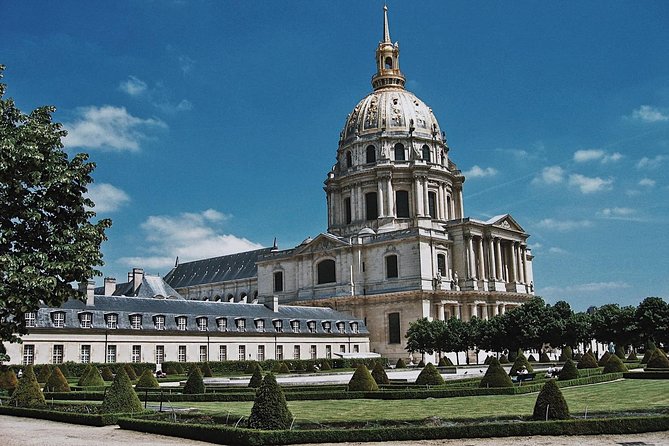
Les Invalides is not a casual museum stop. It’s a fortress of French military memory, and the building itself comes with a built-in “this is serious” feeling. In a 2-hour guided format, what you’re buying is direction, not just access.
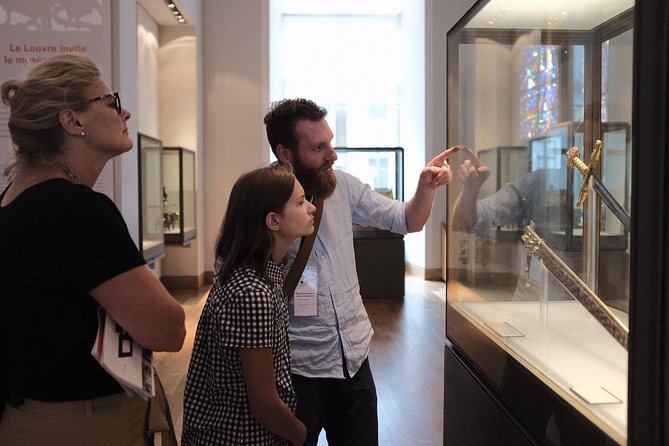
The biggest win is that skip-the-line admission is included, and your guide leads you straight toward key collections. That matters because Musée de l’Armée can be overwhelming if you show up without a plan. With a guide, you get a story thread that keeps changing as the wars change, so you’re not just reading labels for two hours.
I also like that the experience is designed around highlights that connect across eras. You start with the 19th century roots, then race forward to WWI triggers, and later shift into WWII. You leave with a timeline in your head, not a pile of unrelated objects.
You can also read our reviews of more guided tours in Paris



Choosing small-group vs private: how the pace changes
You can choose between small-group and private options. If you select the private option, the tour is set up as just your group, which usually means fewer pauses for other people’s pace and fewer interruptions for questions.
In the feedback, the standout theme is the guide’s ability to turn history into something you can follow. Pierre and Anatolle are specifically praised for knowing the museum way around and taking time to explain why the events mattered. That kind of guiding shines more when you aren’t sharing time with a larger group.
If you choose a semi-private style, some inclusions listed for the exclusive guide may not apply, and wheelchair friendliness may not apply either. So if you care about accessibility or you really want uninterrupted attention, double-check which option you’re selecting.
Meeting at Hôtel des Invalides: the practical start that saves stress
Your tour starts at Hôtel des Invalides in the 7th arrondissement, and it ends back at the meeting point. It’s near public transportation, so you’re not trapped into a taxi situation, but taxis or ride shares are still an easy default because the site is busy.
Before you go, expect security rules to shape your day. The museum allows only handbags or small thin bag packs through security, and large bags or suitcases are not allowed. Also, appropriate dress is required for entry into some sites, so skip anything too casual if you want a smooth check-in.
One more “plan for reality” point: the dome and museum may face occasional closures, and in cases where the opening time is delayed by more than 1 hour from tour start time, you are given an alternative. You may not receive refunds or discounts in those cases, so it’s smart to build in some flexibility if your schedule is tight.
The Franco-Prussian War to WWI chain reaction: how the story is staged
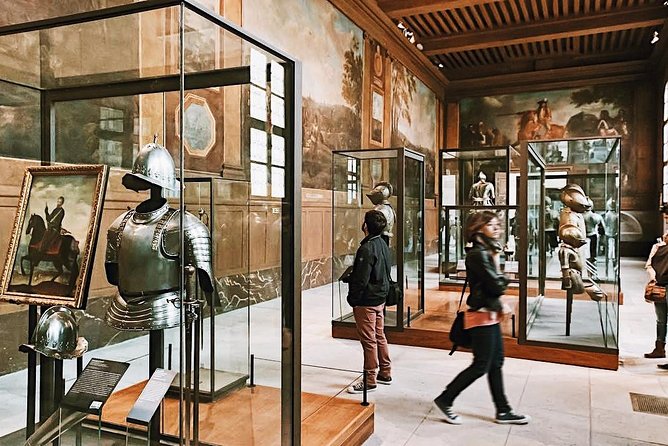
The tour’s structure is built like a cause-and-effect lesson. You begin with the 19th century roots that lead into one of the bloodiest conflicts in modern European history. The guide frames this with characters and events you may recognize, like Bismarck during the Franco-Prussian War, so you understand how power and alliances hardened over time.
Then the narrative jumps into the events that set off World War I. You hear about the assassination of Franz Ferdinand and how that moment connects to the wider chain. Instead of treating 1914 like an isolated starting point, you get the context that makes it feel inevitable.
This is where a good guide earns their keep. You move through artifacts, uniforms, weapons, and other items used in WWI battles, but the real value is the explanations that tie those objects to specific events. You don’t just see gear, you learn what kind of war produced it and why it mattered.
WWI highlights you’ll likely get: taxis, footage, Versailles, and the armistice train car
One of the tour’s most memorable beats is the Battle of the Marne. Even if you’ve heard the name before, a guided route helps you place it in the wider flow of the war. You also get to see an iconic taxi connected to the Battle of the Marne, which is the kind of detail that makes the history feel human and immediate.
The tour also includes original footage about atrocities. That portion is heavy, and it’s not designed to be comfortable in a casual sense. But it’s also one of the reasons a guided approach works, because your guide can help you understand what you’re seeing and what it represents in the broader story.
Then you reach the Treaty of Versailles and the endgame logic that followed. You’ll also see the train car where the armistice was signed, ending the war. For me, this is one of those “history as an object” moments, where the physical place helps your brain lock onto the transition from war to aftermath.
You can also read our reviews of more museum experiences in Paris




WWII timeline connections: from Hitler’s rise to the Occupation and Liberation of Paris
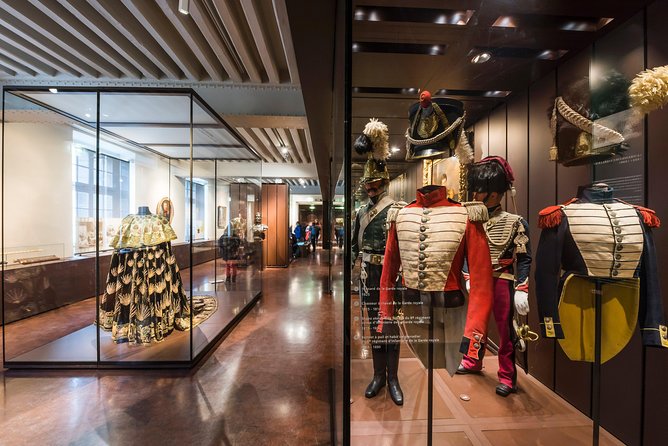
After the WWI wrap, the tour shifts into the threat of Adolf Hitler becoming reality. You move through important events discussed in a way that connects them to the artifacts around you, including topics like the Ligne Maginot and Dunkerque.
The Occupation of Paris is another core part of the route. You’ll encounter artifacts collected from battlefields while your guide explains what these places meant and how the conflict played out on the ground. If you’re the type who likes to understand the “why” behind major dates, this section is built for you.
Names matter here too. You’ll hear about famous figures such as Pétain and De Gaulle and how they fit into France’s experience during WWII. The tour also walks you through battles linked to Normandy and the Liberation of Paris, leading to the idea of preservation and what the city still holds today.
This isn’t just a list of wars. It’s a guided attempt to show how France’s story changes as control changes, and how those changes left physical traces that you can still stand next to.
What you’ll be looking at: uniforms, weapons, and why labels alone are not enough
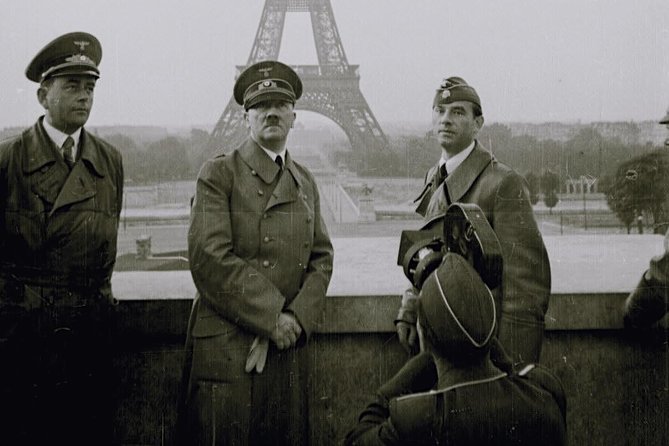
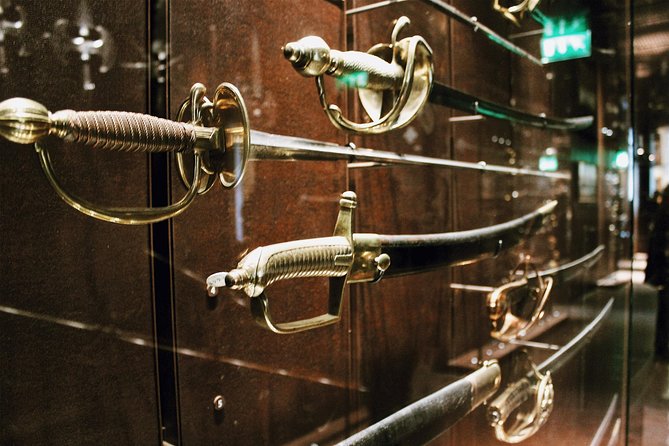
The tour is centered on what you can actually see: equipment, uniforms, weapons, and other artifacts from WWI and WWII. That’s the part that makes people want to stay longer, because the museum doesn’t treat war as abstract.
But here’s the catch. Museums like Musée de l’Armée are packed with objects that each have a story. Without guidance, you can easily read labels and still feel like you’re missing the bigger connections.
That’s why the guide approach is such a value driver. In the feedback, guides are praised for explaining important events and pointing out where in the museum you are really standing. For your time, you get the “what this means” layer, not just the “what it is” layer.
Also note the tour may include quiet or restricted right to speak zones inside specific rooms. Your guide will explain the rules before you enter, so you can listen without wondering what’s going on. If you hate whispering museum etiquette, this might feel slightly awkward, but it’s manageable and it helps keep the spaces respectful.
Timing, comfort, and how to prep so you enjoy the highlights
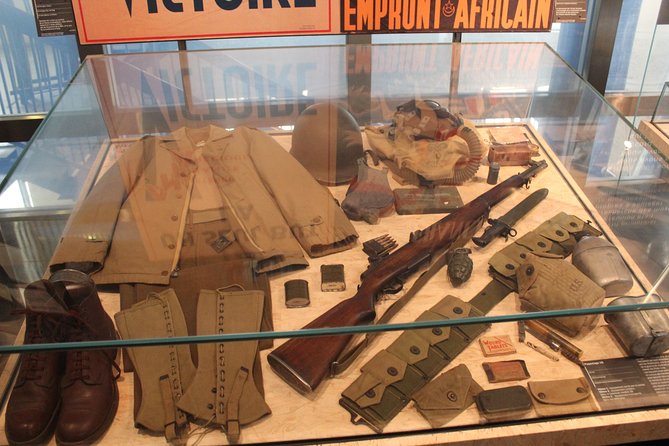
The tour is about 2 hours. That’s long enough for a real storyline, but short enough that you should expect the guide to focus on collection highlights rather than every single display.
Your physical fitness should be moderate. The tour is wheelchair friendly in the version that applies, but it’s still a museum route with security and movement, so plan for some walking and standing time.
You also need to provide a mobile phone number (including country code). That’s tied to the mobile ticket requirement, and it helps the organizer confirm you on the day. If you leave that info blank, the day could start with unnecessary back-and-forth.
Finally, plan your day with the idea that temporary exhibitions are not included. That means the tour route is aimed at the main collections and highlights, not special rotating displays. If a temporary exhibit is a must for you, you might want separate time on your own before or after the guided portion.
Is this worth $159.39 for a Paris museum stop?
Let’s talk value in plain terms. At $159.39 per person for a 2-hour guided experience, you’re paying for three things: skip-the-line access, a structured route through key collections, and an English-speaking guide.
If you’re the kind of person who enjoys reading about history but also wants context fast, that price can make sense. Without the guide, you’d still have to buy admission and then spend time deciding what to prioritize in a large museum. Here, you pay to compress that decision-making into a guided highlight path.
It’s also meaningful that entrance fees are included, and the route includes the key WWI and WWII story points. That’s not always true with shorter tours, where you might pay the same price and still get a more superficial look.
The main reason not to book is if you want total freedom to wander at your own speed and linger on every object. This tour is built to move. If your ideal museum day is slow and flexible, you might prefer a self-guided route, then add a shorter focused visit later.
Should you book the Les Invalides World War Museum guided tour?
I’d book this if you want a high-structure museum experience that still feels personal. The guide-led timeline, the included skip-the-line entry, and the chance to see landmark items like the armistice train car and the taxi tied to the Battle of the Marne make it a smart “time-saver” for Paris.
I’d skip or think twice if you’re chasing a full, unhurried museum marathon, or if your schedule is so tight that a possible dome closure delay would ruin your day. Also, if you hate security rules or small-bag restrictions, you’ll want to prepare your carry-on style ahead of time.
If you want French military history with a clear storyline and a path through the highlights, this is an easy yes. You’ll leave with fewer “random facts” and more connected understanding of how the wars evolved, how the turning points hit, and why Les Invalides still matters.
FAQ
How long is the guided tour?
The tour lasts about 2 hours.
Is skip-the-line admission included?
Yes. Skip-the-line guided museum admission tickets to Musée de l’Armée are included.
Is the tour offered in English?
Yes. The tour is offered in English.
Are entrance fees included in the price?
Yes. All entrance fees are included.
Does the tour include hotel pickup or drop-off?
No. Hotel pickup or drop-off is not included. The guide suggests using Uber or a taxi.
Is the tour wheelchair friendly?
It is wheelchair friendly, but this does not apply if you choose the Save! Book Semi-Private option.
Are temporary exhibitions included?
No. Temporary exhibitions are not included.
More Guided Tours in Paris



More Tours in Paris




More Tour Reviews in Paris





Not for you? Here's more nearby things to do in Paris we have reviewed












Museums, side by side.
 ★ 4.6Louvre Museum Timed-Entrance TicketTickets from $2671,977 guest reviews
 ★ 4.7Orsay Museum Entry TicketTickets from $1525,647 guest reviews
 ★ 4.5Louvre Museum Masterpieces Guided Tour with AccessTickets from $8612,023 guest reviews
 ★ 4.6Louvre Museum Entry Ticket With Host and River CruiseTickets from $1009,926 guest reviews
 ★ 4.6Les Invalides: Napoleon’s Tomb & Army Museum EntryTickets from $209,185 guest reviews
 ★ 5.0Louvre Museum – Exclusive Guided Tour (Entry Included)Tickets from $1816,296 guest reviews
 ★ 4.6Louvre Museum Hosted Entry and Mona Lisa AudioguideTickets from $815,235 guest reviews
 ★ 4.7Louvre Museum Tour Mona Lisa & Iconic MasterpiecesTickets from $794,536 guest reviews
This tour also belongs to