
Review · PARIS CITY TOURS
Private Tour with Guide to Midnight in Paris Movie Locations
Paris becomes a movie set on this walk. This private Midnight in Paris tour strings together recognizable scenes and real-world stops, from the Water Lilies at Musée de l’Orangerie to the steps of Saint-Étienne-du-Mont. I especially like that the guide keeps things moving so you are not stuck figuring out where to go next, and you get to focus on the small visual details that make the film feel so specific.
My other big plus is the mix of places that usually do not go together: major art, palace-scale architecture, classic hotels, a top Paris bistro, a flea-market hunt, and even a taxidermy store. Still, plan for a lot of walking in a short time window. With this kind of 3-hour format, you will hit many spots for brief looks, so comfortable shoes and a clear idea of what scenes matter to you really help.
Key highlights worth your attention
- Guide-led pacing that keeps you from navigating while you match scenes to streets
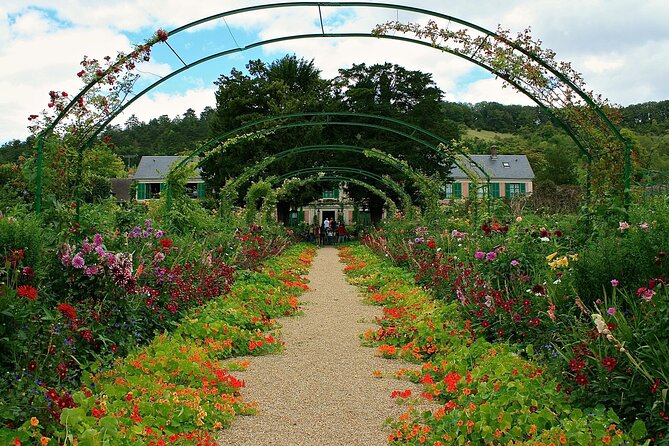
- Film-famous art stop at Musée de l’Orangerie and Monet’s Water Lilies
- Versailles-related filming context, including mention of special permission for certain interior spots
- A classic Paris hotel and dining sweep, from Le Bristol Paris to Le Grand Véfour
- Textures of everyday Paris, with the flea market at Marché aux Puces and oddball stop at Deyrolle
- Seine views plus landmarks, including Pont Neuf and a garden near Notre Dame
Why this Midnight in Paris movie-locations tour feels different than a normal walk
A lot of Paris tours tell you what you are looking at. This one helps you see why it mattered in the movie world. The best part is the “translation” layer: you go from recognizing a scene to understanding the street setting, the angle, and why the location works on film.
I like that the tour is built around a strong mix of categories. You get art (Monet), major landmarks (Versailles), and street-level textures (bouquinistes by the Seine, Latin Quarter lanes, and antique hunting). That mix keeps the movie theme from getting stuck in one style, and it also gives you multiple ways to enjoy the same 3 hours.
One more thing: it is private. That means the guide can tailor the route timing to your group energy level, and you do not have strangers drifting at every intersection. If you are a true film fan, it is a fun way to “read” Paris like the movie does.
You can also read our reviews of more guided tours in Paris

Tour logistics that matter: private, English guide, hotel pickup, and metro jumps
This is a private experience for your group only, with a 3-hour duration (approx.). You can start in the morning or afternoon, and it includes an English-speaking local guide plus all fees and taxes.
Pickup is offered. The guide meets you in the lobby of a centrally-located hotel, which is a big help if you want to spend your time walking through scenes instead of hunting down a meeting point. You also get a mobile ticket, which is handy if your group hates paperwork.
The tour uses foot time plus metro transfers. That matters because it changes how “walking-heavy” the experience feels. Still, the stop times are short, with several locations around 10 minutes. So even with metro help, you are moving often. For best comfort, I would show up with comfortable sneakers and a small water bottle.
One practical note: the tour description says you get the private walking tour with the use of metro. In one account, a participant said they were asked to purchase metro tickets separately after paying a higher amount. I would not panic, but I would also ask the operator ahead of time what is covered for metro rides, so there are no surprises on the day.
Water Lilies at Musée de l’Orangerie, then a quick taste of why the art lands
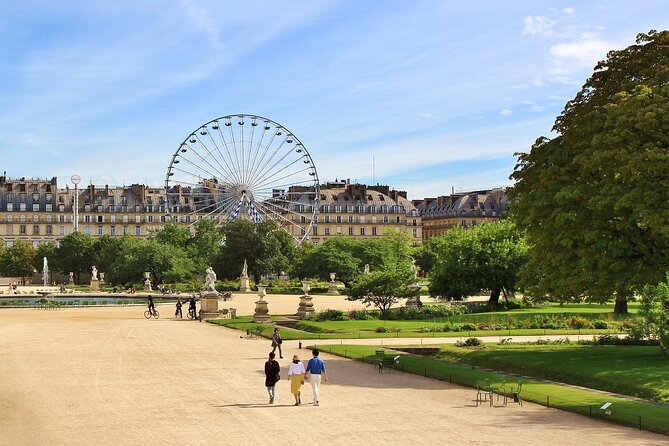
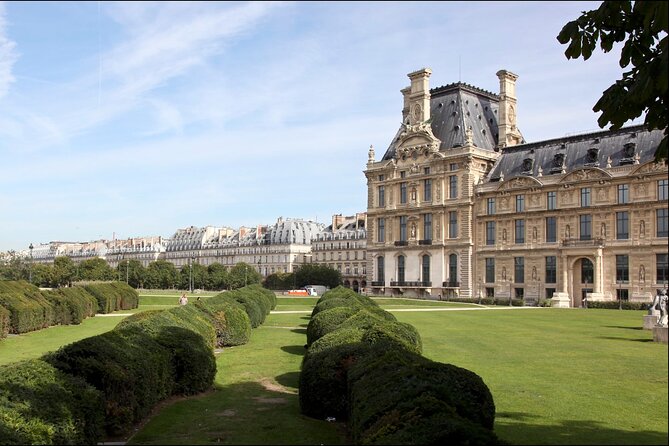
The opening art stop sets the tone. You go to Musée de l’Orangerie in the Jardin des Tuileries area, built around Monet’s Water Lilies series. This is the kind of place where the film’s mood makes sense fast, because the paintings are immersive in their own way, even when you see them for a brief guided look.
What you can expect here is not just a photo stop. You get a closer look at the masterpiece and learn what makes it captivating, including why the composition and atmosphere stick in your mind. This is a smart start because it teaches you how to watch: look at the light, notice the surface, and pay attention to how the scene “breathes.”
Potential consideration: the museum setting can mean controlled pace and quiet time. In a short tour window, you may not have the freedom to linger forever. If Monet is a must-see for you, consider adding extra time before or after the tour.
Musée Rodin: the artists’ house vibe and the gardens that look like film backdrops
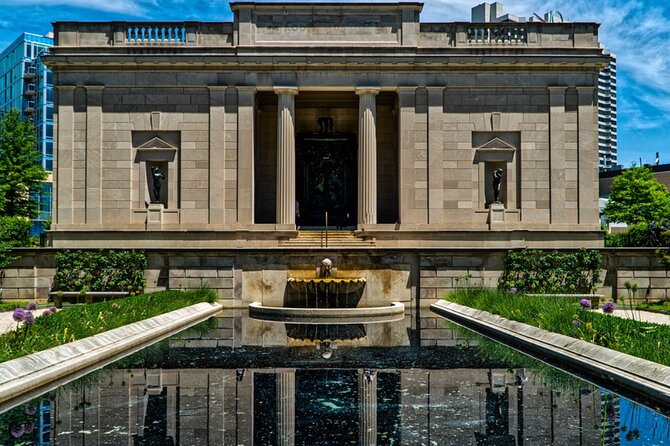
From there, you head to Musée Rodin in the 7th arrondissement. This museum is in an 18th-century house where Rodin lived and worked, and that matters. The space feels human-scale compared to grand palace rooms, so it matches the movie’s shift from spectacle to personal conversations.
A good guided moment here is the gardens. They are part of the setting you can walk through and use as context for the film scene where characters talk around the museum and correct misunderstandings. Even if you only catch part of the story beat, the setting helps you connect the scene language to real architecture and layout.
Stop time is listed as short, and the admission is marked as free in the tour details. That is fine for a “watch and learn” pass. If you want a deeper Rodin experience, you will likely want a second visit.
Versailles filming context without the full all-day commitment
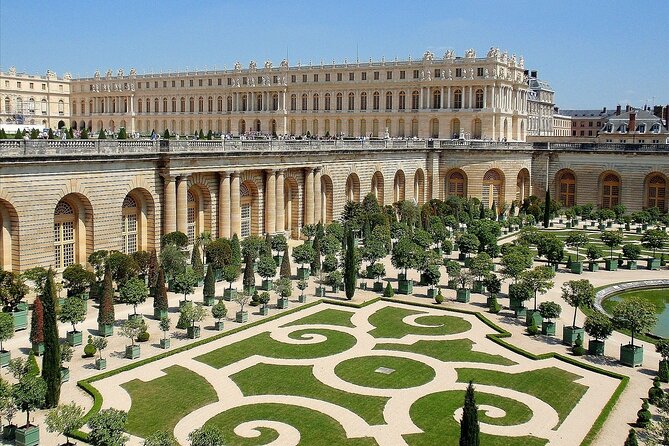
Versailles is a big name for a reason, and the tour gives you a workable taste. You are taken to the palace area tied to Midnight in Paris shooting, including gardens and references to recognizably filmed angles. Versailles is also UNESCO World Heritage Site listed, and the setting brings that mix of medieval origins and royal expansion into focus.
One standout piece of context is that some filming locations are described as having special permission. That’s the kind of detail that makes the tour feel more than trivia. It reminds you that these spots were chosen because they translate beautifully to camera, and not every landmark allows filming everywhere.
Practical consideration: Versailles can be a stamina test. Even with a guided plan and a relatively short time window, you are dealing with crowds and large distances between points of interest. If your group prefers shorter “walk between big rooms” days, treat this as a highlight stop, not a complete Versailles visit.
You can also read our reviews of more private tours in Paris


Le Bristol Paris, Le Meurice, and Le Grand Véfour: classic Paris luxury in a single sweep
One reason movie-location tours work in Paris is the city’s hotel and dining culture. Here you get a concentrated run of places that look like they belong in a screenplay.
First up is Le Bristol Paris, a palace-like hotel near the Champs-Élysées. The tour focuses on how it appears in the movie, including the hotel lobby and restaurant scenes, plus the idea that famous guests were around during filming. One guide moment I loved hearing about from an account connected to this tour: a guide named Mehrdad shared extra details about Owen Wilson playing saxophone nightly while filming. That kind of detail is not necessary for the location to be beautiful, but it makes the stop feel alive.
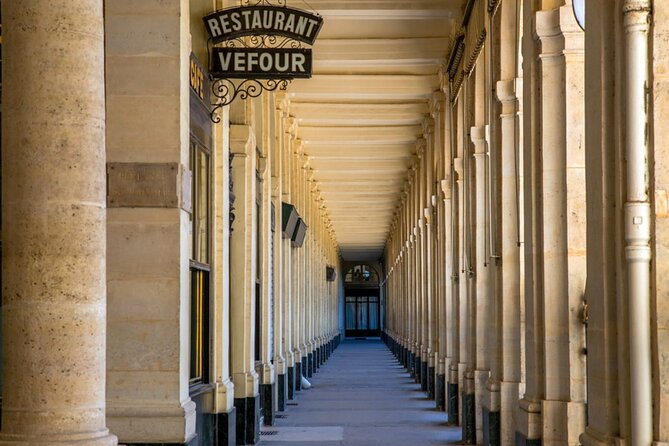
Then comes Le Grand Véfour, in the 1st arrondissement. This historic restaurant opened in 1784 as the Café de Chartres, which gives you instant context for why it looks so “period-correct” on screen. It is also Michelin-starred, and the emphasis is on romantic atmosphere and classic French dishes. The tour stop is brief, but it is long enough to appreciate why filmmakers would choose a place with both historic structure and polished service.
Finally, you visit Le Meurice, a five-star hotel with Louis XVI style rooms. The tour connects it to a rooftop bar scene and the flow of characters entering later. Even if you are not staying in the hotel, you get the sense of where the movie’s glamour comes from: grand interiors, decorative style, and a setting built for people who want to be seen.
Potential drawback: these are luxury stops. You are looking from outside or in short guided moments, not spending a long time eating or lingering. If you want a full food-and-views experience, plan to add dinner on your own at the end of the day.
Latin Quarter scenes: Saint-Étienne-du-Mont steps, Polidor, and Shakespeare and Company
Next, the tour shifts to the Latin Quarter, where streets feel more intimate and cinematic.
You visit Église Saint-Étienne-du-Mont, tucked behind the Pantheon area. The architecture is described as asymmetrical Gothic with Renaissance elements, and you spend time on the steps plus the surrounding street. You also learn the longer story of the church construction, plus that it is the final resting place of Saint Genevieve, patron saint of Paris. That combination explains why it works on film: the church gives you a built-in sense of age, faith, and character.
Then there is Polidor, a traditional bistro near the Odéon Theater that dates back to 1845. The big movie tie-in here is the meeting with Hemingway during his 1920s phase. This stop is short, but it is one of the best “stop for atmosphere” points on the route. If you want a snack or a drink, it is the kind of place where you can order something classic after you finish snapping your photo.
You also see Shakespeare and Company, the famous English-language bookstore tied to the writers of the 1920s. The tour notes that the filmed storefront may not be the exact original that Hemingway, Fitzgerald, and Gertrude Stein used, but it was shot to represent those flashback moments. That is a useful way to watch the film again: you can separate real locations from movie choices, without losing the sense of time travel.
One practical consideration: Paris around Notre Dame has changed since 2019. This tour later includes a nearby garden, so it is worth keeping an eye on current access once you are there.
Place Vendôme to Marché aux Puces: shopping for luxury, then for the odd
If you want your movie walk to feel like Paris, you need contrast. This tour gives you luxury, then chaos in a good way.
At Place Vendôme, the stop is tied to Chopard and the historic monument story: Louis XIV ordered the square’s creation and a statue was erected, then Napoleon changed the monument in 1792 into a bronze column. Today, the area is full of high-end boutiques on Rue de la Paix. Even if you never plan to buy jewelry, the point is the visual language of empire and wealth, which is exactly what the movie uses when it needs big statements.
Then you head to Marché aux Puces at Clignancourt. This is one of the largest flea markets in the world, and the tour time here is longer at about 40 minutes. This is where you get the “real Paris energy,” from vintage clothing to antique furniture. The movie connection is built around a favorite French activity, antique hunting, and that fits the setting well.
Finally, there is Deyrolle, a taxidermist store founded in 1831. This is the kind of place that sounds strange until you see it, and the tour connects it to a cocktail party scene inside. Expect the vibe to be older, more curious, and a little theatrical, which makes it a fun location stop.
If you are sensitive to crowds or smell-heavy indoor shops, flea markets and taxidermy-style stores might not be your comfort zone. I would still go in with realistic expectations, and keep the stop short if needed.
The Seine, Pont Neuf, and Square Jean XXIII: postcard views with a guided eye
No Midnight in Paris tour feels complete without the Seine. You get a walk along the river, with time to notice bouquinistes, the green book stalls along the water. These are the kind of details that make Paris feel lived-in, not staged. The movie connection is built around Gil strolling a similar path, and the guide helps you match what you remember to what you see in real life.
Next comes Pont Neuf, described as the oldest bridge in Paris, built in 1607 and crossing the Seine between Quai du Louvre and Quai de Conti through Île de la Cité. It is 232 meters long, and even with a short stop, the bridge gives you the classic “Paris geometry” effect, the way the river and buildings line up.
Then you visit Square Jean-XXIII next to Notre Dame. The tour frames it as a cozy garden spot where a character asks for translation. The practical note here is important: the garden was temporarily closed after the April 2019 Notre Dame fire. Since your tour date could be any time, you should expect there may be access changes. If it is closed on your day, your guide should be able to adjust.
Musée des Arts Forains and Pont Alexandre III: fairground nostalgia then the romance finale
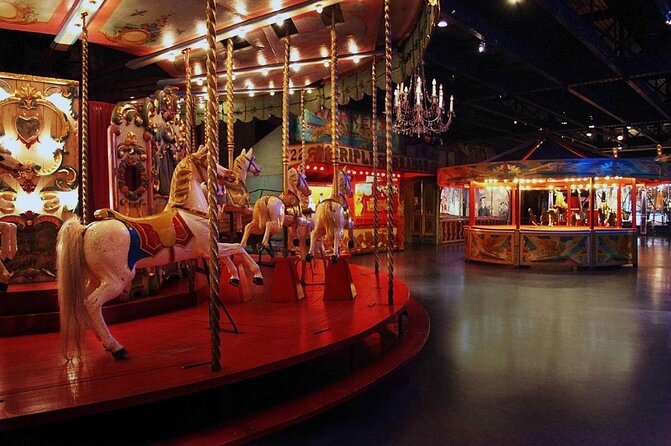
Toward the end, you get a museum that fits the movie’s playful mood: Musée des Arts Forains. This museum focuses on fairground rides, vintage carousels, and related show pieces. It is a time-travel feel, and the tour connects it to a key confrontation moment involving Hemingway.
If you like whimsical, visual-history museums, this stop is a strong closer. It gives you something different from churches, palaces, and upscale hotels. The museum time is short, so you will not see everything, but you should leave with that “1920s funhouse” feeling.
Then you finish at Pont Alexandre III, one of Paris’s most decorated bridges. The film connection is tied to the final scenes, with a note that it looks especially good even in rain. The bridge links the banks near Petit Palais and Grand Palais, so you also get that Beaux-Arts architecture vibe.
Even if your tour ends quickly, this finish point works because it is visually big. You close on a landmark that feels like the movie’s romantic outro, and it is easy to keep enjoying the area after your guide turns you loose.
Price and value: what you pay for at $110 per person
At $110 per person for about 3 hours, you are paying for three things more than “just walking around Paris.”
First, you pay for a guide to reduce friction. You have a hotel pickup, a defined plan, and route guidance. That saves time and helps you avoid the common problem of wandering without context.
Second, you pay for the movie-location matching. If you care about why scenes were shot where they were, that storytelling layer is the value. If you only want pretty pictures, you might feel the tour is too fast.
Third, you are paying for the blend of famous and offbeat stops. The route includes major name places (like Versailles and Monet at Orangerie), but it also includes quirky stops (like Deyrolle and the antique-finding vibe at Marché aux Puces). That mix makes the price easier to justify.
A balanced reality check: the stops are short. So if you want long museum time, long restaurant time, or lots of inside building access, you may feel rushed. For that, you would add extra time yourself.
Who should book, and who might want a different kind of Paris day
This is a great fit if:
- You are a real Midnight in Paris fan, or you like film-related storytelling
- You want a guided match between scenes and real streets
- You enjoy walking, but you also like having a plan and a translator of sorts
It might not be the best fit if:
- You hate walking and prefer slow museum browsing
- You are coming to Paris for the first time and want more time at fewer places
- You care about seeing lots of screen grabs or slide images, and you are picky about how the guide shares visuals
If you are in the second group, I would still consider it with one condition: rewatch the movie beforehand. It makes even brief stops feel more meaningful.
Should you book this Midnight in Paris movie-locations tour?
Yes, if you want a guided “film-to-street” experience that hits art, landmarks, and neighborhood detail in just 3 hours. The private format, English guide, and hotel pickup are strong value. I also like the way the tour moves from famous art to classic hotels to river views, so you are not stuck in one mood.
Book with a simple expectation: you are touring locations, not doing full museum or full Versailles immersion. If you show up with good shoes, a little water, and your favorite scenes in mind, this tour can turn Paris into a movie you can walk through.
FAQ
How long is the Midnight in Paris movie locations tour?
The tour is approximately 3 hours.
Is this tour private or shared?
It is a private tour/activity, and only your group participates.
Do you offer pickup?
Pickup is offered. The guide meets you in the lobby of a centrally-located hotel.
What language is the guide?
The tour is offered with an English-speaking local guide.
What is included in the price?
It includes all fees and taxes, the guide, a private walking tour with metro use, iconic French movie locations for selfies, and cultural experiences. A mobile ticket is also included.
What is not included?
Food and drinks are not included, and gratuities are optional.
Can I cancel for a full refund?
Yes, free cancellation is available up to 24 hours in advance for a full refund.
More Guided Tours in Paris
More Tours in Paris

More Tour Reviews in Paris






Not for you? Here's more nearby things to do in Paris we have reviewed












Paris City Tours, side by side.
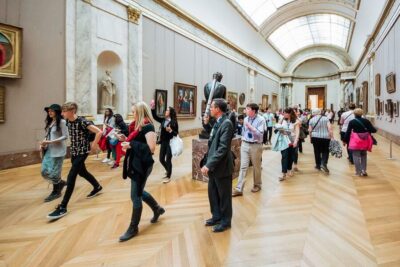 ★ 4.6Louvre Museum Timed-Entrance TicketTickets from $2671,977 guest reviews
 ★ 4.6Disneyland® Paris 1-Day TicketTickets from $6149,412 guest reviews
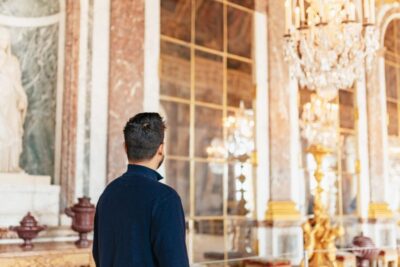 ★ 4.6Versailles Palace and Gardens Full Access TicketTickets from $1741,579 guest reviews
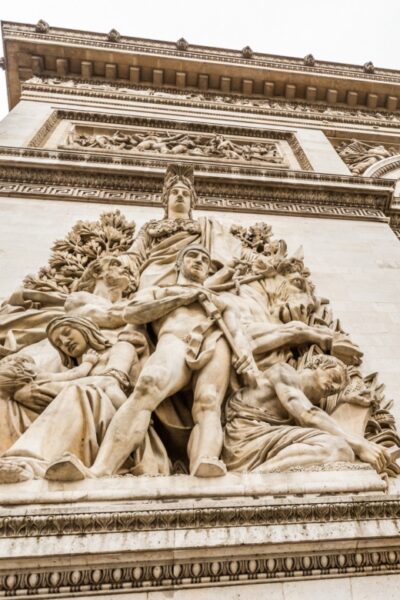 ★ 4.6Arc de Triomphe Rooftop TicketsTickets from $1834,264 guest reviews
 ★ 4.7Orsay Museum Entry TicketTickets from $1525,647 guest reviews
 ★ 4.4Evening River Cruise with MusicTickets from $2722,721 guest reviews
 ★ 4.4Eiffel Tower Entry Ticket with Optional Summit AccessTickets from $2920,035 guest reviews
 ★ 4.3Eiffel Tower Summit or Second Floor AccessTickets from $5917,248 guest reviews