
Review · PARIS CITY TOURS
Paris WW2 The German Occupation Small group or Private tour
Paris under Nazi rule has a pulse. In this small-group WWII walk, Chris Pollard turns famous streets into a readable map of how the German occupation worked in everyday life. Chris Pollard keeps it human, not just dates on plaques, as you move from Palais-Royal toward Place de la Concorde.
What I really like is the way the tour connects events across the city without pretending the story fits neatly in one line. You get two standout anchors: the darker side of power around Jeu de Paume, and the resistance energy hinted at on streets like Rue Rouget de Lisle. If you enjoy explanations that tie politics, survival, and propaganda together, this is your kind of walking tour.
One drawback to plan for: it is mostly outdoors, and the subject matter is heavy. If you are the type who needs a lot of quiet museum time, this will feel more intense and more conversational than you expect.
Key highlights you should care about
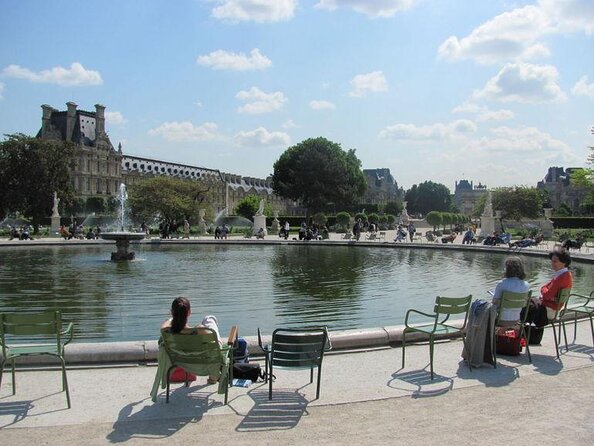
- Meeting at Palais-Royal: you start at Place Colette, metro exit 5, not the Tuileries area.
- Small group feel: capped at 10 people max, with a semi-private setup designed to keep it personal.
- People over plaques: the guide focuses on why people acted the way they did, not just what building is where.
- Stolen art and occupation logistics: Jeu de Paume is part of the route for a reason, not as a random stop.
- Clear end point at Place de la Concorde: the walk finishes on a major square with visible war scars.
Meeting Chris Pollard at Palais-Royal, not Tuileries
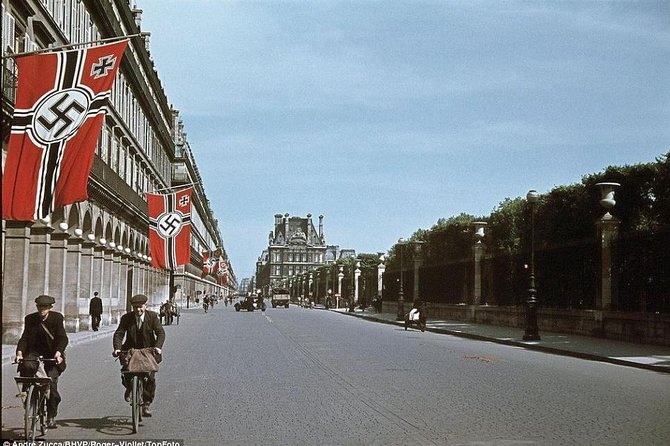
Your tour starts at Place Colette, Rue Saint-Honoré, Paris, at the Palais-Royal metro exit 5, right opposite the Comédie-Française theater. This matters because it sets the tone: instead of beginning at a postcard-famous WWII spot, you start in a classic central-Paris junction where occupation life blended into normal traffic and architecture.
Chris Pollard runs small groups with a max of 10 people. The semi-private setup is limited, with bookings arranged so you do not get shoved into a massive crowd. That is a big deal on a topic like WWII Paris, where questions and context change how you understand what you are seeing.
Plan to arrive a few minutes early, mainly so you can settle in before you start walking and before the tour becomes a moving timeline.
You can also read our reviews of more private tours in Paris



How the small-group format changes WWII Paris
This tour is built around a simple idea: occupation history is complicated, and you need time to ask the questions that pop up when you see real streets and real buildings.
You’ll get a guide who uses visual aids and photos, and who does not just recite a script. In plain terms, he helps you connect the dots between the German strategy, French collaboration and resistance, and the daily pressure on people who had to live through it.
A nice touch is personalization. The guide asks about what you want most from the experience, which means you are more likely to get your specific interests addressed without the tour turning into a free-for-all. If you are traveling with a family member who is curious but not a hardcore history buff, this structure also helps keep everyone engaged.
The first leg, Palais-Royal to the Louvre area: occupation in plain sight
In the first segment, you stay in the central zone between the Louvre area and Place de la Concorde to the west. The tour does not treat this as a neat museum-style walk where each stop strictly follows chronology. Instead, it works like a story that happened across a large city in a short, brutal period, from which the aftershocks lasted for decades.
Expect an overview of the German occupation of Paris and how events unfolded before and during the Occupation years. The point is to build enough context that later stops make sense. Without that setup, the next parts can feel like a list of locations. With it, you start understanding patterns: who held power, how it changed over time, and what people believed or feared.
Even though this part is about orientation, you still get specific anchors and named sites around the Louvre and nearby streets. You’re learning to read Paris as a set of stages, not just as scenery.
Rue de Rivoli and side streets: the network behind the street signs
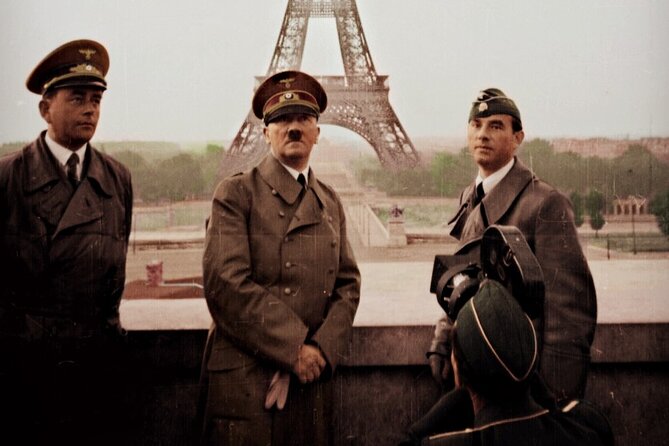
The heart of the walk is around Rue de Rivoli and the surrounding streets, where the story turns from general to operational. Here is where the tour earns its name, because you stop at places linked to occupation administration, collaboration, intelligence work, and organized resistance.
Key stops in this stretch include:
- The first secret Gestapo HQ in Paris
This is where the occupation turns from military presence into surveillance. Seeing that location after hearing how the system worked gives you that uncomfortable but important sense of control.
- The PPF collaborationist group and its leader
Collaboration here is not presented as a single cartoon villain story. You get the broader political landscape and why collaboration could appeal to some and disgust others.
- Louvre exterior views
You look at the building as part of the city’s occupation geography, not as a museum interior.
- Hotel Meurice, German Army HQ for Paris
This is one of those stops that makes you pause, because it reminds you how quickly places associated with prestige can become command centers.
- Place Vendôme and the Ritz connection
The story ties together Chanel’s presence in the area, anti-Nazi meetings within the German forces, and how the machinery of persecution expanded. If you know Paris fashion history but not the war-era networks around it, this section reframes the neighborhood.
- Société Maurice Duclos, linked to the first Allied spy network and radio
Intelligence work is easy to romanticize. This stop grounds it in systems, communications, and the constant risk of getting caught.
- The Continental Hotel, German Army-controlled
Hotels mattered during the Occupation because they concentrated authority, personnel, and access.
- Rue Rouget de Lisle, where the organic French Resistance began in October 1940
This is one of those streets where history feels close, almost immediate. You see how resistance wasn’t only a dramatic ending, it was also an early, messy start.
- Jeu de Paume, where Nazis stored and processed looted art
This is not treated as trivia. You learn how art looting fit into broader occupation policies and how cultural theft moved through the system before being shipped away.
- Place de la Concorde for visible and hidden scars of Liberation
The story here shifts from Occupation mechanics to the physical mark war left behind, bullet holes and damage you can read if you know what you’re looking for.
This section is also where Chris’s teaching style shows. He helps you understand why people behaved in the ways they did, factoring in French and German dynamics and the foreign forces affecting the situation. You will feel the tour working like a conversation, with pauses when people want to ask deeper questions.
Jeu de Paume: stolen art as occupation strategy
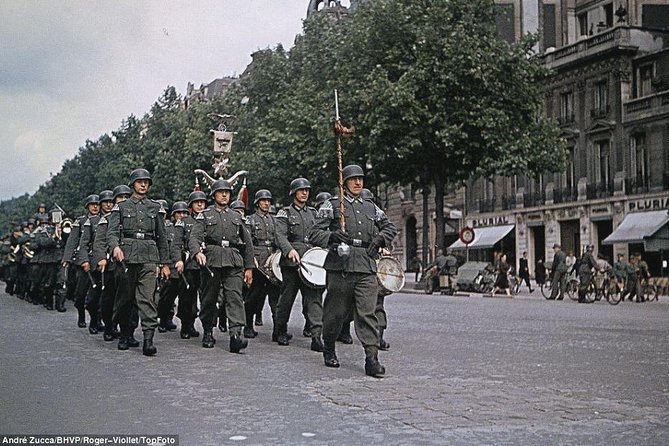
Jeu de Paume is one of the tour’s most important stops because it explains a specific kind of occupation harm. Nazis did not just take valuables. They used looted artworks as part of a system that supported control, propaganda, and enrichment.
On this walk, Jeu de Paume becomes a window into logistics: who handled the art, how it moved, and why cultural assets were targeted. If you are the kind of person who wants moral clarity, you may find this stop emotionally sharp. If you are more analytical, you may appreciate how the tour explains the machinery behind the theft.
One practical note: museums and indoor spaces often mean extra time and extra crowding. The route here stays focused and efficient, so do not expect a long museum experience. Think of Jeu de Paume as a key chapter, not the whole book.



Maxim’s, cinemas, and the way daily life stayed occupied
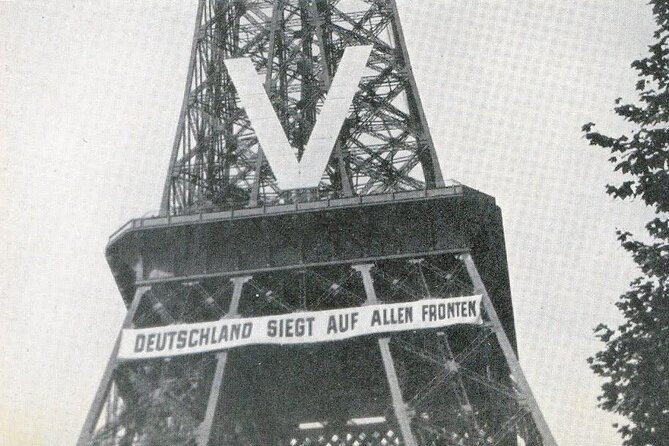
The tour also touches the occupation’s softer face. You visit areas tied to cafés like Maxim’s and look at cinemas that were taken over by the Germans. The point is not gossip. It is how power worked through culture, routine, and permission.
This section gives you a useful mental model: occupation does not only happen through arrests and trials. It also happens through what you can access, what you are told, and how normal life changes shape without ever announcing that it is being rewritten.
And yes, you get a moment of war reality at Place de la Concorde, where you learn about the only building in Paris that was destroyed during the war years, plus the bullet holes and scars that survived the years. Paris looks beautiful, but the tour teaches you to see what beauty tried to hide.
Place de la Concorde: ending at a square with visible consequences
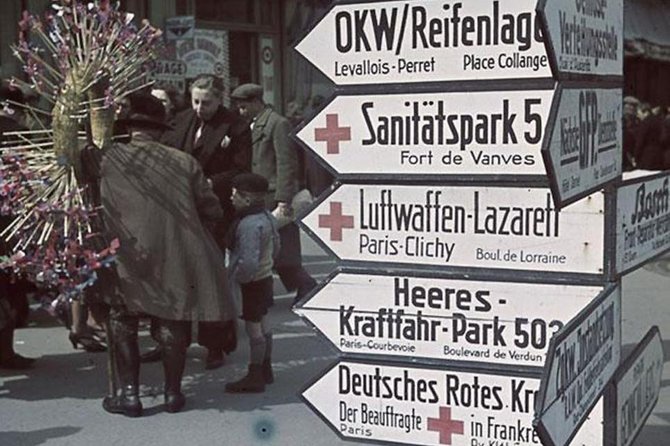
Your tour ends in the Place de la Concorde area. Depending on the group pace and question flow, the overall tour time typically lands around 3 to 3.5 hours.
This ending stop is a smart choice because it layers multiple eras into one location. You see:
- Guillotines and execution history tied to Louis XVI and Marie Antoinette
- German HQ connections, including the twin naval ministry and Hotel Crillon during WWII
- The Grand Palais, described here as the largest freestanding building in Paris and the only one actually destroyed during occupation and Liberation
- Visible war traces, including bullet holes and hidden scars tied to Liberation
- The Luxor obelisk as an anchor point amid the darker story
Ending here also helps you transition. Once you finish, you are still in a major hub with easy access to other Paris landmarks and transit.
Shoah and the Jewish Quarter, what you get on the general tour
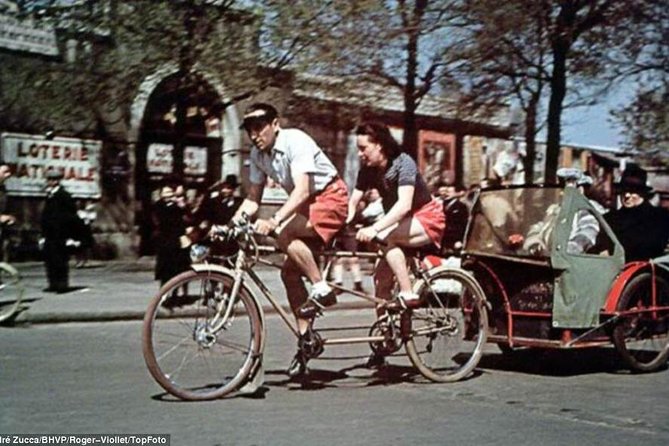
This topic can be the deciding factor for many travelers, so here is the practical truth.
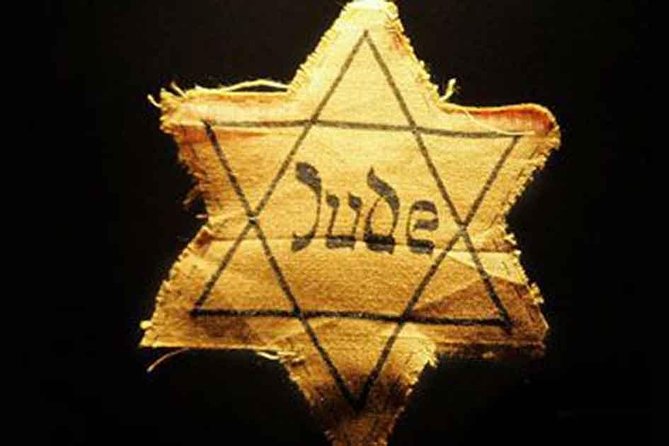
On this general WWII occupation tour, you will discuss the overall currents that led to implementation of the Final Solution in France. You also cover the conditions for Jewish people in Paris and occupied France in the years leading up to that, plus the role of Jewish people in resistance efforts.
What you do not get on a general tour is a dedicated, in-depth Shoah-focused route. The guide treats it as a subject that really deserves a tour built entirely around it. If visiting specific Holocaust memorial areas or going deeper into Shoah is your main goal, you will want a private Shoah option instead. On the general walk, the itinerary time is shared across multiple occupation themes, so the guide keeps the Shoah portion broad rather than exhaustive.
If you are trying to decide between a general tour and a private Shoah tour, choose based on your priorities: broader occupation context, or deep focused attention.
Price and logistics: is $108.84 worth it?
At $108.84 per person for a 3 to 4 hour small-group walking tour, the value depends on what you want.
If you like history that connects causes to consequences, with names, places, and the political logic behind occupation decisions, the price feels fair because the guide’s time is the product. This is not a passive audio tour. It is a guided explanation with room for questions.
If you only want a quick highlights circuit of a few monuments, you might not love it. This walk is more “why people did what they did” than “look at this façade.” It also asks more from your legs, since it is an outdoor walk.
From trip feedback, I’d plan on about 2 miles of walking over roughly 4 hours, with potential for additional time if you linger at certain stops or ask lots of questions.
Who should book this WWII Paris walk
Book it if:
- You want a small-group format with space for real questions.
- You enjoy learning how power systems worked, including surveillance, collaboration, and resistance.
- You want a route that starts central and ends at a major square, with stops that reveal less obvious occupation links.
Consider another option if:
- You are sensitive to heavy subject matter and need a lighter pace.
- You are hoping for a strict, chronological museum-style tour. This is thematic and story-driven.
- You need a private, Shoah-focused experience. On the general tour you get context, but not the full deep dive.
A quick call: should you book it?
I think this is a strong booking for anyone who wants more than postcard history. Starting at Palais-Royal and finishing at Place de la Concorde makes the route feel like you are moving through a real wartime city, not ticking off famous locations.
The biggest reason to book is Chris Pollard’s approach: prepared content, visual support, and personalization based on what you care about. The biggest reason to hesitate is the outdoor walking and the emotional weight of WWII occupation topics. If you are ready for that, you will come away with a sharper sense of what occupation life meant in Paris, street by street.
FAQ
Where do we meet the guide?
You meet at Place Colette, Rue Saint-Honoré 75001 Paris, at the Palais-Royal metro exit 5, opposite the Comédie-Française theater.
How long is the tour?
It runs about 3 to 4 hours in total, and it often ends around 3 to 3.5 hours.
How big is the group?
Maximum is 10 travelers. Semi-private bookings are designed to keep things small, typically around 8 to 10.
Is the tour in English?
Yes, it is offered in English.
Does the tour include the Holocaust memorial?
On the general tour, the guide discusses the overall Shoah context and conditions for Jewish people, but the tour does not include a specific Holocaust memorial stop unless you request it as part of a private Shoah tour.
Is there an admission fee for the stops?
The tour lists admission ticket as free for the stops shown in the route, so you typically will not need to buy entry tickets for those parts.
What should I wear or bring?
Plan for extended outdoor walking. Wear layers and bring water. Good shoes help because it is a walking tour.
Is the tour accessible for everyone?
Most travelers can participate. Service animals are allowed, and the tour is near public transportation.
More Private Tours in Paris

More Tours in Paris



More Tour Reviews in Paris


Not for you? Here's more nearby things to do in Paris we have reviewed








Paris City Tours, side by side.
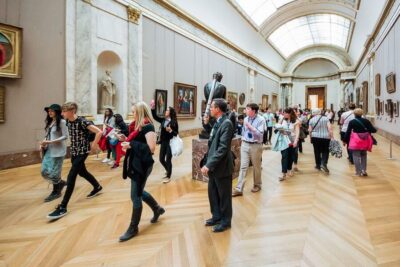 ★ 4.6Louvre Museum Timed-Entrance TicketTickets from $2671,977 guest reviews
 ★ 4.6Disneyland® Paris 1-Day TicketTickets from $6149,412 guest reviews
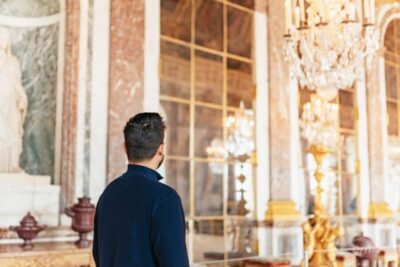 ★ 4.6Versailles Palace and Gardens Full Access TicketTickets from $1741,579 guest reviews
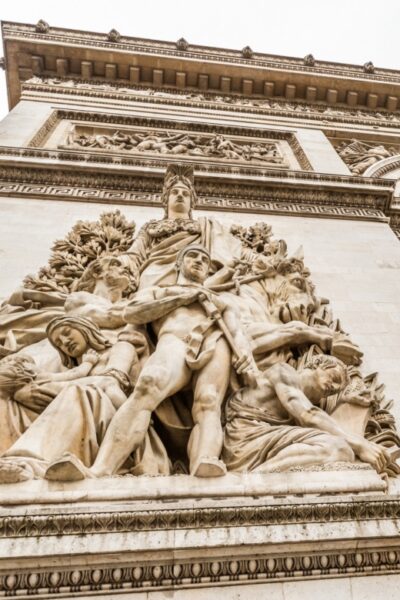 ★ 4.6Arc de Triomphe Rooftop TicketsTickets from $1834,264 guest reviews
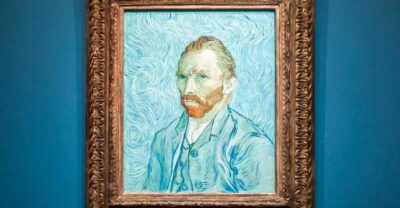 ★ 4.7Orsay Museum Entry TicketTickets from $1525,647 guest reviews
 ★ 4.4Evening River Cruise with MusicTickets from $2722,721 guest reviews
 ★ 4.4Eiffel Tower Entry Ticket with Optional Summit AccessTickets from $2920,035 guest reviews
 ★ 4.3Eiffel Tower Summit or Second Floor AccessTickets from $5917,248 guest reviews