
Review · MONTMARTRE TOURS
Paris : Wine and Whimsy, The wine tour of Montmartre
Montmartre tastes like real France, not a script. In this 3-hour small-group wine walk, you pair street history with practical French wine tasting skills, from how wine is made to how to smell what you are drinking. I like that the pace is relaxed and the lessons are meant to stick, even if wine is not your comfort zone.
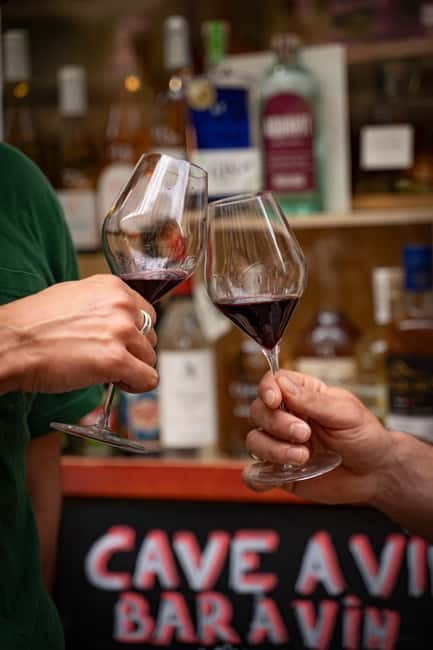
My favorite part is the hands-on sequence: five different wines plus food pairings right as you learn how to taste. One thing to consider: tastings include specific foods (think mackerel with raspberry vinegar and smoked duck ham), so if you avoid certain ingredients, plan ahead and speak up before you sit down.
Key Things That Make This Tour a Smart Pick
- Five wines, five glasses, with tastings spread across three stops so you can actually compare.
- Wine-making basics by French territories, then you apply it immediately to what is in your glass.
- A guided tasting method, including a wine-tasting form and a workshop on aromas and perception.
- A blind tasting of 2 wines to train your palate, not your guesses.
- Food pairings that are meant to show how wine changes with flavor, including fish, cheese, and charcuterie-style bites.
- Max 6 people, so questions do not get lost in a crowd.
Why This Montmartre Wine Walk Works in 3 Hours
This tour is built like a good lesson plan. You get walking time through Montmartre, then you stop, taste, and learn in a tight rhythm. It is only three hours, but it covers the whole arc: where French wine comes from, how to taste it, and how to judge it when you are not looking at the label.
I like that it does not act like wine is a club. You are taught a method. You use it during tastings. And by the end, you do a blind tasting of two wines, which is the kind of exercise that makes you more confident for the rest of your trip.
You can also read our reviews of more wine tours in Paris
Meeting at 5 Pl. Blanche, Then Getting Oriented Fast
You start at 5 Pl. Blanche. The directions are simple, in front of Starbucks, and you are looking for a guide with a moustache and a badge. That tiny detail matters more than you think. In Montmartre, you can burn time just trying to meet up with your group, and this does not waste it.
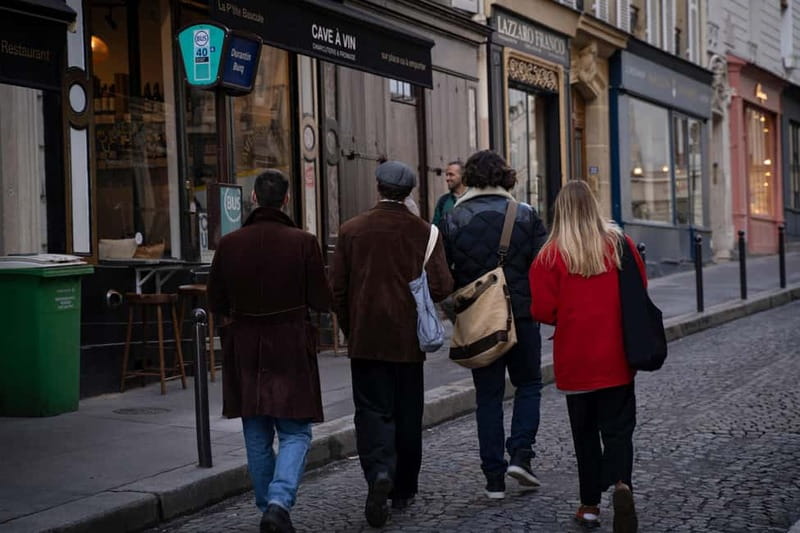
From there, you head into Montmartre with a guide who mixes history with the tasting theme. The goal is not just photos and views. You are learning why this neighborhood became what it is, and why that matters when you taste a glass of wine tied to French regions.
Montmartre as a Classroom: History Plus French Wine Territory Basics
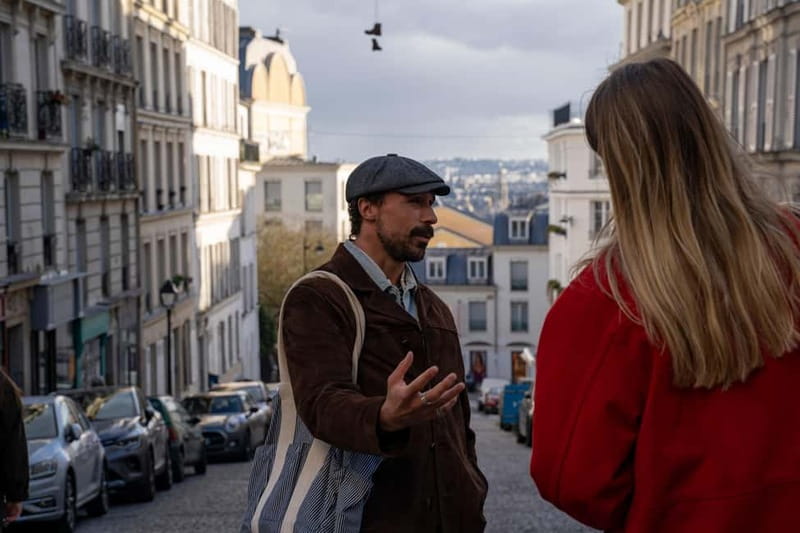
At the start, you get a guided Montmartre visit for about 30 minutes. This is when the tour sets its tone: Montmartre went from rural village to magnet for artists and intellectuals. The guide uses that context to frame the way you will think about wine, because French wine is also about places and people, not just taste.
During this segment, you also get the basics of wine making and French territories. The wording is simple, but the value is big. If you have ever stood in a bottle shop and thought, I have no idea what I am looking at, this is the moment you fix that. You learn the baseline concepts so the rest of the tour makes sense.
Practical tip: wear shoes you can walk in. Montmartre is beautiful, but the cobblestones and climbs are real. This is a walking tour with tasting stops, not a sit-and-watch experience.
The Three Wine Stops, Where You Learn By Tasting
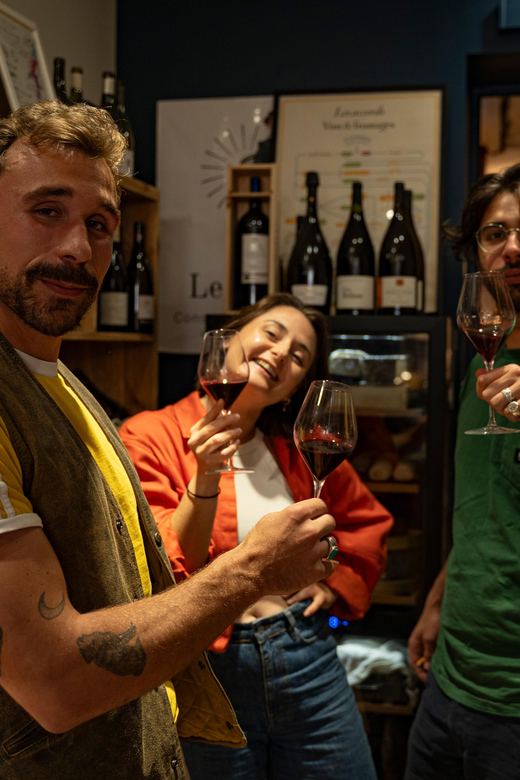
The tour has three stops in wine spots, split into tasting sessions that total the full experience. Here is the flow: you taste at a local bar first (about 30 minutes), then you walk for about 30 minutes through Montmartre, then you return for two longer tasting rounds (about 45 minutes each). Those lengths matter, because they give you time to practice the tasting method, not just sample and move on.
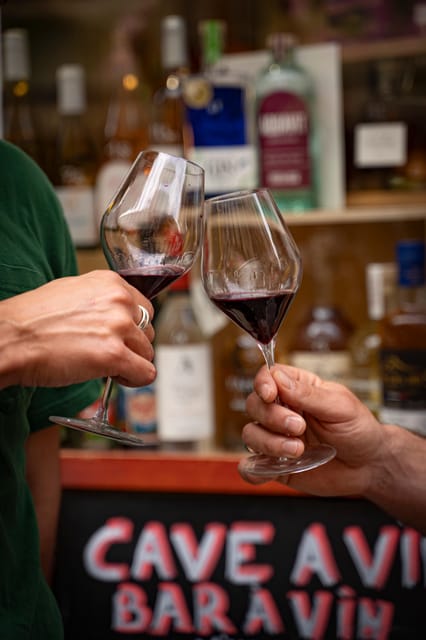
At each wine stop, you get French bites that are paired with what you are tasting. The tour is designed so you can connect the lesson to the flavor. You also get 1 to 3 glasses per stop depending on group size, but the overall promise is clear: you taste five different wines across the tour.
Stop-by-stop, what the tastings feel like
- First tasting stop: You start with something approachable, then move into the tasting method. This is when you learn how to evaluate wine without getting lost in jargon.
- Second tasting stop: Your tasting skills should be warming up. This is where the flavors start to make more sense because you already practiced your checklist once.
- Third tasting stop (the end segment): This is where the blind tasting happens, plus the final round of comparison. It is the closest thing to a test you get, except you are doing it to learn, not to pass.




The Wine Tasting Workshop: Aromas, Perception, and a Tasting Form
This is the part that turns the tour from casual drinking into a real skill. There is a workshop on wine aromas and perception, plus instruction on how to use a wine tasting form.
Do not think of this as a worksheet you fill out for the sake of it. The point is to give your senses structure. When you smell wine and try to describe it, you are training your brain to notice. When you taste and compare, you stop relying on marketing language like sweet, dry, or bold. You start noticing acidity, balance, and how flavors move across the palate.
And because you are tasting throughout the walk, you do not have to wait until you get home to remember what someone said. The lesson lands while your senses are still tuned to it.
Small-group advantage: with a maximum of 6 people, it is easier for the guide to adjust explanations. You can ask questions and get answers without feeling like you are slowing everyone down.
Blind Tasting of Two Wines: The Moment It Clicks
The tour ends with a blind tasting of 2 wines. This is one of the most satisfying parts of any wine experience, because it removes the crutch of reputation and labels. You focus on what you can detect.
Why this matters for you as a traveler: a blind tasting teaches you how to choose wine in a shop or restaurant without overthinking. You learn to trust your own impressions, then you learn how to refine them. Even if you end up liking something you did not expect, that is the point. Your palate gets better, faster.
Also, blind tasting pairs well with the food you have had earlier. You start to notice how a bite can shift your perception of acidity, fruit, and finish. That is real-world tasting, not just classroom theory.
Food Pairings You Can Actually Recreate
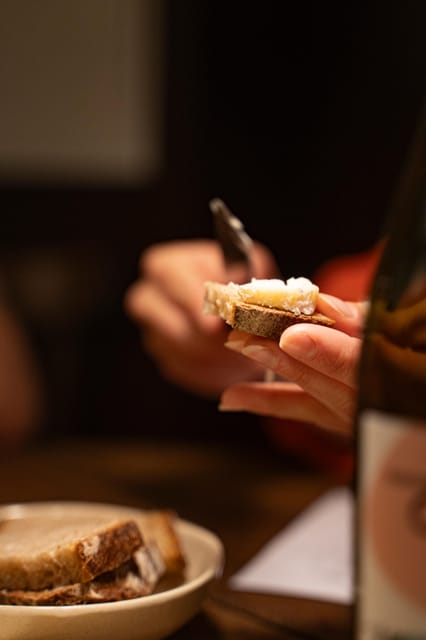
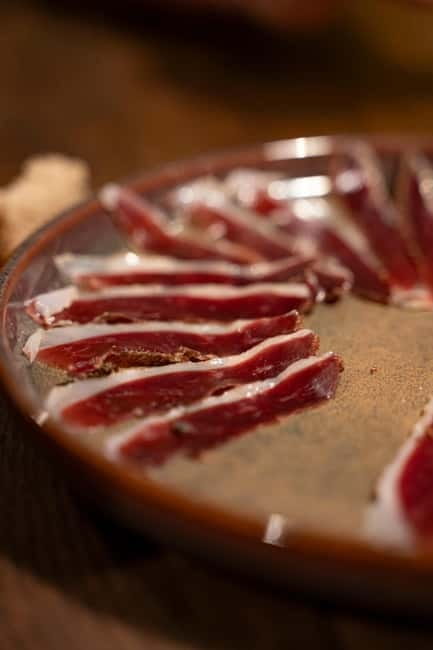
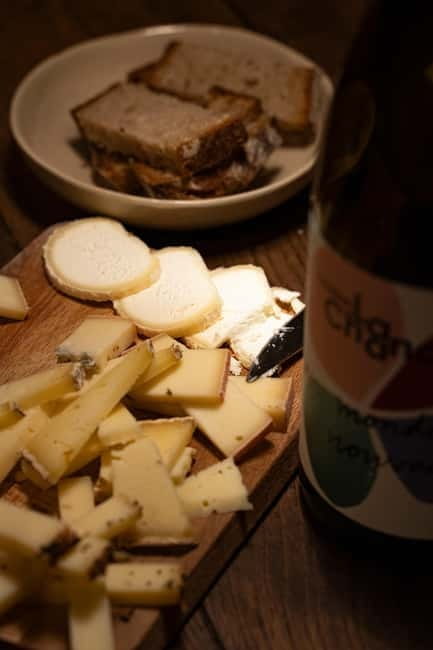
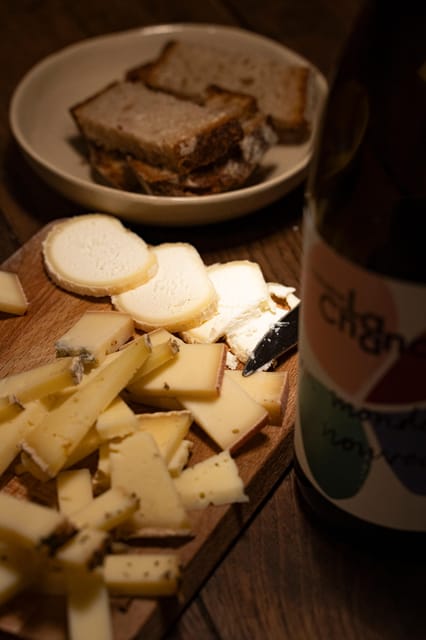
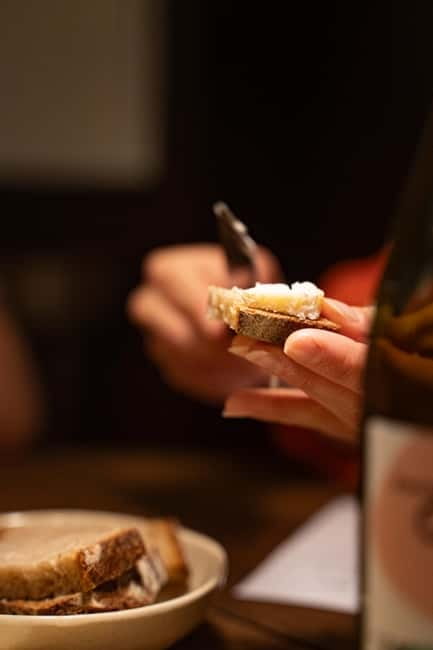
The tastings are not just wine samples. You get French food at each stop, including cheese and charcuterie-style bites, plus specific pairings such as mackerel with raspberry vinegar, melted cheese with roasted apple, and smoked duck ham.
I like that the food choices are varied. Fish with fruit notes and vinegar gives you contrast. Apple with melted cheese brings sweetness and comfort into the mix. Smoked duck ham adds savory depth. Put them together with the wines and you get a tasting lesson that is easier to remember because your mouth is already mapping flavors.
If you are the type who always thinks, I want to order the right thing with the right wine, this tour gives you a shortcut. You learn the logic of pairing, not just the final combo.
Practical note: non-alcoholic beverages are not included except water. If you like something else, plan on buying it at the stops.
Price and Value: Is $125 Fair for This Tour?
The price is $125 per person for a three-hour experience. That sounds like a splurge until you look at what is included.
You get:
- A local guide with wine and history expertise
- Three stops in wine bars and/or a wine shop
- Five different wines across the tour
- Food at each tasting stop, including several named pairings
- A wine-tasting form method and a workshop on aromas and perception
- A final blind tasting of 2 wines
- A maximum group size of 6
Wine tours often charge for the walk and the narration. Here, a big chunk of the value is the structured tasting and the amount of food and wine. In other words, you are not just paying to be present, you are paying to practice.
If your main goal is to learn how to taste wine more confidently while also seeing Montmartre in a guided way, this price starts to feel reasonable.
Who Should Book This (and Who Might Not)
This is a great fit if you want:
- A small-group experience (max 6)
- Wine education that stays practical, with a tasting method you can use again
- Montmartre storytelling that connects to the wine theme
- Food pairings that make the tasting experience feel complete
It is not suitable for children under 18. If you do not drink wine at all, you might still enjoy the structure, but the core of the tour is tastings, and the tour data says non-alcoholic beverages are limited to water.
Also, since the food includes items like mackerel and smoked duck ham, you should think about your diet and preferences before you join.
Final Call: Should You Book Paris Wine and Whimsy, The Wine Tour of Montmartre?
I would book it if you want Montmartre with purpose. The best version of this tour is the one where you stop treating wine as a mystery and start treating it like a skill. You get just enough history, then you get right into tasting, using a method, not guesses.
Skip it if your idea of wine time is purely relaxing social drinking and you do not want any structured tasting practice. This tour is laid back, but it still teaches you how to taste.
If you are torn, my advice is simple: bring curiosity. The format, the five wines, and the blind tasting are the kind of combo that usually pays off for first-time wine learners and for repeat wine drinkers who want a sharper method.
FAQ
How much does the Montmartre wine tour cost?
It costs $125 per person.
How long is the tour?
The tour runs for about 3 hours. Starting times vary, so check availability.
What is the group size?
The group is limited to a maximum of 6 participants.
Where do we meet?
You meet at 5 Pl. Blanche, in front of Starbucks. Look for the guide with a moustache and a badge.
Where does the tour end?
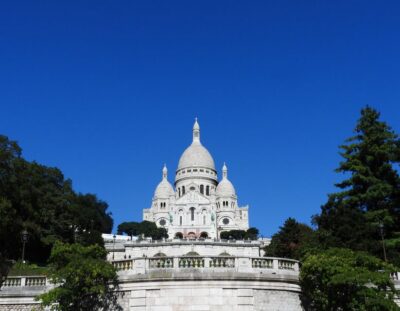
The tour ends at The Basilica of Sacré-Cœur de Montmartre.
Is the tour in English?
Yes. The tour guide gives the tour in English.
What is included in the price?
The price includes a local guide, 3 wine stops, a workshop on wine aromas and perception, and French food at the tasting stops. You also taste five different wines (five glasses total). Water is included, but non-alcoholic beverages other than water are not included.
Do you do wine-tasting training?
Yes. You learn the basics of wine tasting, and you use a wine tasting form as part of the experience.
Is there a blind tasting?
Yes. The tour ends with a blind tasting of 2 wines.
Is the tour suitable for kids, and is there flexible booking?
The tour is not suitable for children under 18. It also offers free cancellation up to 24 hours in advance for a full refund, and a reserve now & pay later option.
More Wine Tours in Paris

More Tours in Paris


More Tour Reviews in Paris



Not for you? Here's more nearby things to do in Paris we have reviewed












Montmartre Tours, side by side.
 ★ 5.0Montmartre Hidden Gems and Scenic Highlights Walking TourTickets from $382,684 guest reviews
 ★ 5.0Montmartre Hill French Gourmet Food and Wine Tasting Walking TourTickets from $1452,588 guest reviews
 ★ 4.8Montmartre Cheese, Wine & Pastry Guided Walking TourTickets from $1272,255 guest reviews
 ★ 4.9Montmartre Highlights Walking Tour with a Local GuideTickets from $341,668 guest reviews
 ★ 4.1Sacré-Coeur and Montmartre Tour with Expert GuideTickets from $281,027 guest reviews
 ★ 5.0Private Montmartre Food Tour with Wine, Cheese & PastriesTickets from $3021,027 guest reviews
 ★ 5.0Paris Montmartre Food Tour – A Full French Meal by Do Eat BetterTickets from $95877 guest reviews
 ★ 5.0Hidden Montmartre: Paris’ Secret Streets Walking TourTickets from $44809 guest reviews
This tour also belongs to