
Review · PARIS CITY TOURS
Paris: Stade de France Behind the Scenes Tour
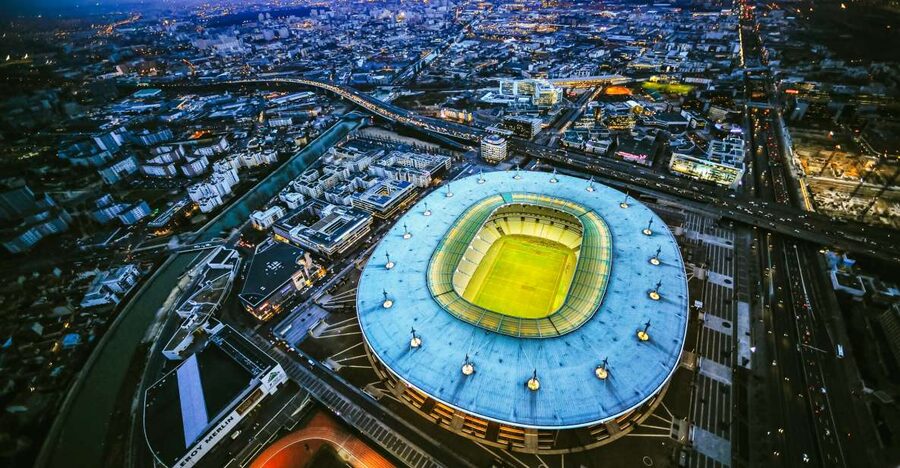
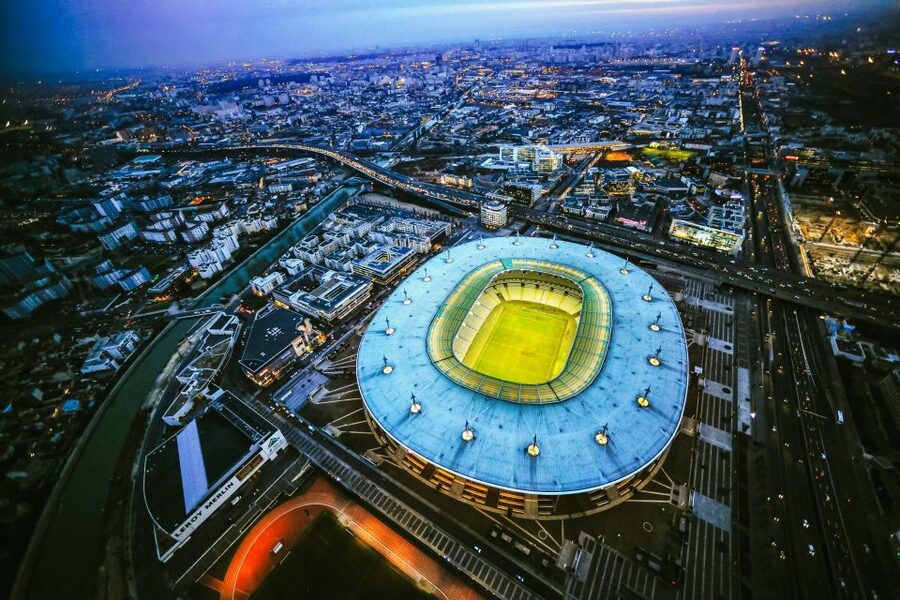
Stadium magic starts at the tunnel. This 90-minute behind-the-scenes tour of the Stade de France lets you walk in the footsteps of big-match players, then end in a museum packed with sports and music memorabilia.
I love the practical, inside access, from the locker room and private boxes to the same route that leads to the pitch. I also love that the guides bring the place to life with clear stories about World Cup 1998 and famous concerts that turned this stadium into a global stage.
One consideration: pitch views are not guaranteed, especially in winter or when events require changes for security and setup.
Key things to know before you go
- Gate H check-in is part of the experience, so arrive a little early for security and bag checks.
- Locker rooms and VIP areas give you the feel of match day, not just a seat-and-stare tour.
- You may see the stadium tunnel, the moment most football fans remember for a long time.
- The museum visit is included, with archives, models, jerseys, and even music-related items like autographed guitars.
- Pitch visibility depends on timing, so plan for the experience even if grass is covered.
- Great family energy shows up through interactive moments that include kids.
Entering Through Gate H and Getting Oriented Fast

The Stade de France is a big place, but the tour starts with a simple mission: get to the official shop meeting point and be on time. You present your voucher at the welcome desk of the Stade de France official shop, then head toward the entrance at Gate H. The entrance is clearly tied to security, so don’t cut it close.
Plan on a quick but real check. For security reasons, the administration can inspect bag contents, and they ask you to arrive 15 minutes ahead of your scheduled start. The tour begins at the scheduled time, and latecomers risk missing the start, so I’d rather you show up early and calm down than sprint with your heart racing.
You’ll want comfortable shoes, because the walking adds up to about 1.2 km total. Strollers are permitted, and wheelchair access is listed as available, so this is set up to work for a range of mobility needs. Just know there are rules: no pets, and no luggage or large bags.
Getting there is straightforward by public transit. You can use Métro Line 13 (Saint Denis Porte de Paris), RER B to La Plaine Stade de France, or RER D to Saint Denis La Plaine. In plain terms, you’re choosing whichever line matches your day in Paris, then you follow the signs toward the stadium area.
You can also read our reviews of more tours and experiences in Paris.



The 90-Minute Route, Built Around Match Day Moments
This tour is designed to move. In 90 minutes, you get a guided walk that mixes stadium scale with behind-the-curtain access. You sit in spectator areas for the panorama, then you shift into spaces most visitors never see.
Here’s what makes the pace work for most people: you’re not stuck in one room getting facts for an hour. The guide keeps it moving, so football fans get their action, and non-football fans still get the human side of how a stadium runs.
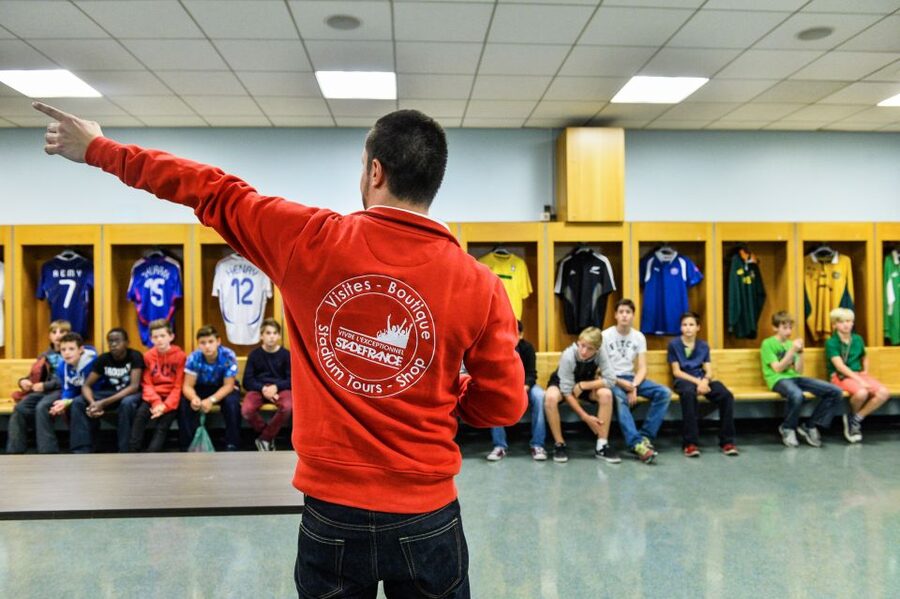
You’ll see stadium highlights from seating areas, then transition into areas tied to teams and officials, including locker rooms and private boxes. The tour also includes the tunnel route used by players to reach the pitch. That change from the public side to the player side is where the experience clicks.
If you’re coming with teens, kids, or anyone who likes facts with a story, you’ll likely appreciate how many guides use real examples from famous events and performances. Names like Amir, Sam, Nina, Thai, and Sylvia have come up in tour feedback, and the common thread is energy plus clarity. You don’t need a football encyclopedia to follow along.
From the Stands to the Views You Actually Came For
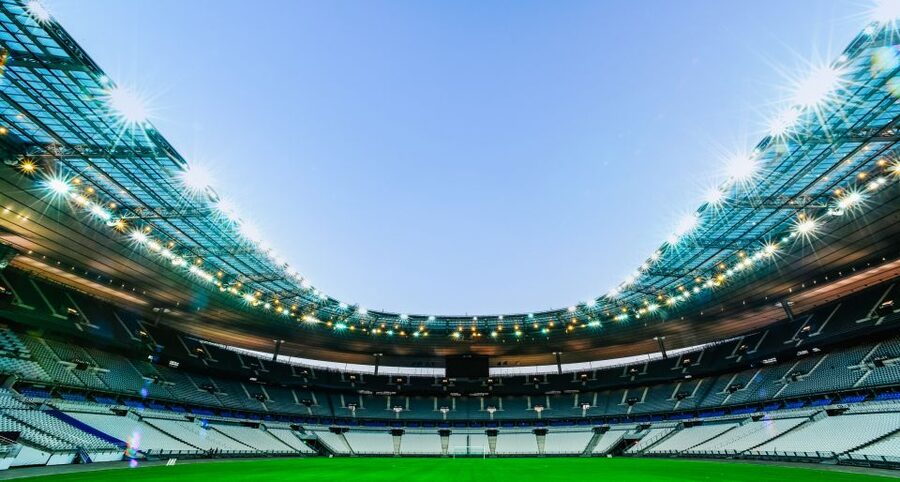
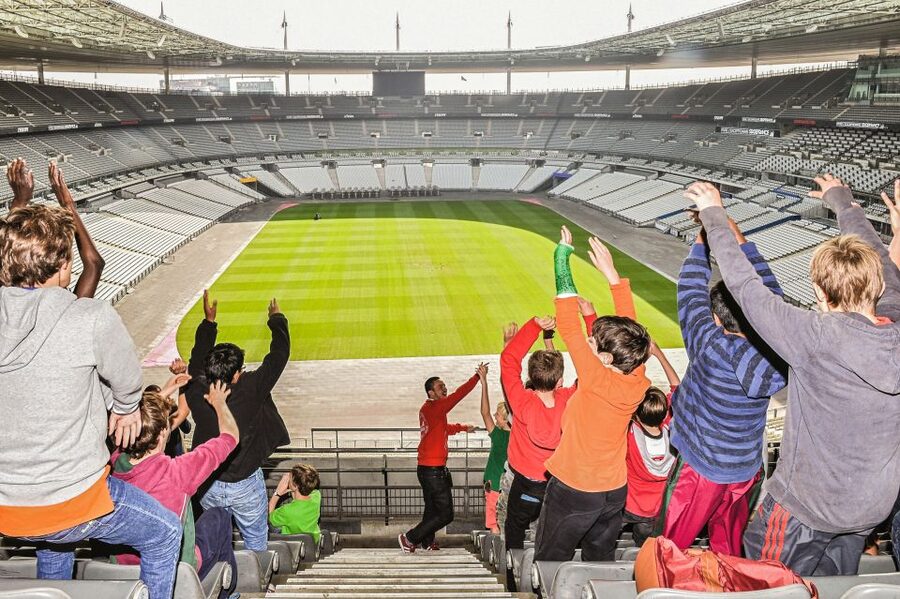
One big reason this tour is worth your time is the “seat perspective.” You’ll take in the stadium from a spectator’s perspective, with the sweeping view that only a place the size of the Stade de France can give you.
This panorama matters because it changes how you understand the building. The Stade de France feels like a bowl, but the details are about how it’s engineered and how crowds and events are staged. One guide will often connect the architecture to the stadium’s underground structure, which is a fascinating angle if you like design and planning.
For photography, you’ll have multiple opportunities around the stadium areas, especially once you reach spots that look out over the field zone. The tour isn’t positioned as a full photo session, but it gives you enough moments to capture the “I’m really here” images without turning the whole thing into a selfie marathon.
Locker Rooms and VIP Boxes, Where the Stadium Becomes Personal
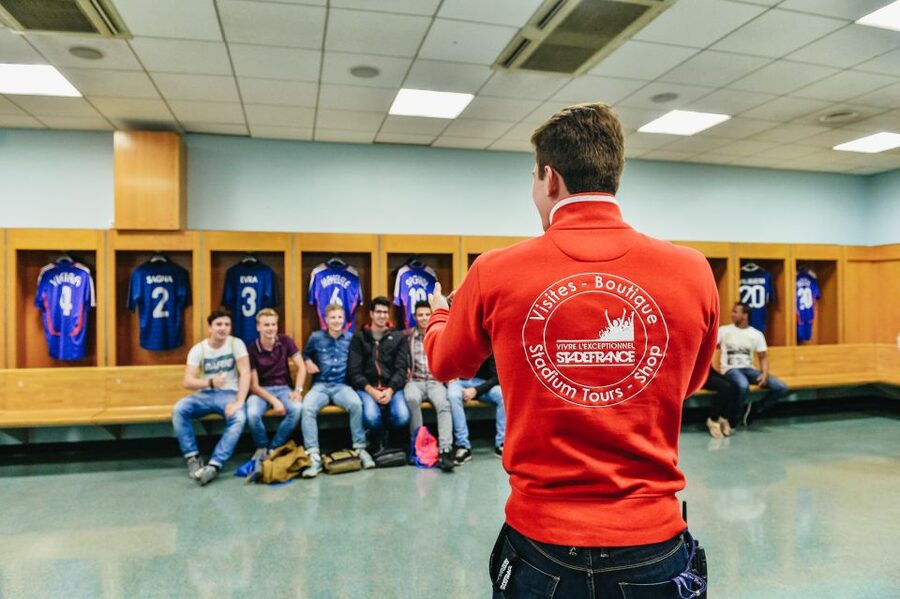
Now for the part that makes this tour different from most stadium visits: the walk into places where the match-day mood happens. You go into areas like the locker room, plus private spaces such as VIP boxes.
These spaces are where you see how a stadium is built to manage nerves, routine, and status. In the locker room and changing areas, the focus is on function, timing, and team flow. In the VIP boxes, the mood shifts to comfort and viewing. Seeing both in one tour helps you grasp the stadium as a system, not just a field with seats.
This is also where the guide’s storytelling can really land. When the guide connects the architecture and spaces to famous moments, you start to feel how events shaped the venue. World Cup 1998 is the headline, but this stadium has hosted major concerts too, and that influences how the staff prepares the space.
Interactive moments can add fun here. In past tours, guides have used light games to involve kids, like a crossbar-style challenge. Even if your group is quiet, the guide usually keeps moving so the time feels alive instead of lecture-like.
The Player Tunnel and the Real Feeling of World Cup Day
The best memory for many people comes at the end of the tunnel walk. You’ll go through the same tunnel players use to access the pitch. The emotional effect is real, even if you’re not a die-hard. Suddenly you’re not just looking at the stadium, you’re experiencing the route that takes athletes from “everyone else” to the arena itself.
This is where the Stade de France history comes into focus. The stadium hosted the 1998 FIFA World Cup, including the final featuring Zidane and Ronaldo. The stories don’t stay stuck in the past, either. The tour also ties in Cristiano Ronaldo’s early major trophy moment for Portugal at this venue.
Guides often highlight these connections in a way that feels like a guide is sharing a secret. You don’t need to memorize dates. The guide’s job is to make the place meaningful, and the route through the tunnel is the physical anchor that helps those stories stick.
There’s also a subtle practical benefit here. When you understand where players come from, you notice details in the stadium layout you’d otherwise miss. Doors, lines of sight, and how staff spaces connect all start to make sense.





When the Pitch Is Covered, You Still Get Value
Here’s the honest heads-up: pitch visibility is not guaranteed. During the winter period, the pitch will not be visible. And depending on events scheduled at the stadium, setup and security requirements can change what you see, including whether grass is in view.
That can sound disappointing until you realize what you’re paying for. This isn’t a tour that sells itself on standing on the sidelines staring at the grass. It’s a tour that gives you access to the locker room, private areas, and the tunnel route. Those parts are less dependent on whether the field is uncovered.
You should still expect that the stadium can be in transition for concerts or other sporting events. One common theme in past experiences is that the grass may be covered while the stadium prepares for an upcoming show. If that happens on your day, focus on the indoor and backstage spaces, where the tour still delivers the “how it works” experience.
If your top wish is a clear field view, you might want to pick a time of year when the pitch is more likely to be shown. But even then, events can override plans. The venue reserves the right to adjust routes for security, so think of the tour as a backstage experience first.
The Stade de France Museum: More Than Photos and Souvenirs
The tour ends at the museum, and this is where you get extra depth without extra time pressure. Entry to the Stade de France Museum is included, and it’s the part you can linger in if you like details.
The museum content is designed to show the stadium as a cultural venue, not only a sports venue. You’ll find archives and models, plus items like autographed guitars and jerseys. That combination sounds odd until you remember what this stadium has done beyond football, including massive international concerts.
Rolling Stones are noted as the first group to perform there. Other big names like Madonna and AC/DC also chose this venue, with the scale reaching about 80,000 spectators per show. When you see those kinds of artifacts inside the museum, you start to understand why the stadium’s “match-day” infrastructure also supports world tours.
This is also where you’ll likely spot visual evidence of iconic events. If you care about trophies and legends, the museum can scratch that itch more than the walkthrough alone.
One practical note from experience patterns: don’t assume the tour includes free memorabilia or guaranteed trophy replica photo moments. If you want something specific, set expectations that you may need to buy it afterward in the shop areas.
Price and Value: $21 for Backstage Access Near Paris
At about $21 per person for a 90-minute guided experience with museum entry included, the value is hard to ignore. Many cities charge a lot more for a stadium tour that only offers seating views and a quick walk.
Here, you’re paying for access to spaces that feel like a backstage pass: locker rooms, VIP boxes, and the player tunnel. Those are the parts that add real meaning to the time.
The museum inclusion is another value boost. It turns the tour into a half-visit rather than a short peek. Even if you’re not obsessing over football tactics, the stadium’s role in major events and the mix of sports and concert history gives the museum a reason to exist beyond quick photos.
What lowers value a little for some people is mismatch expectations. If you show up wanting guaranteed pitch grass visibility, trophy photography, or a long shopping stop, you might feel slightly let down. The good news is the core behind-the-scenes access still makes the tour worth it for most visitors.
In other words, I treat this as a backstage experience with bonus history, not a field tour.
Who This Tour Suits Best (And Who Might Skip It)
This is a strong fit for:
- Football fans who want more than just a seat view.
- Families with kids who enjoy interactive moments and hands-on backstage curiosity.
- Music and pop culture fans who like the idea of seeing how huge concerts use the same infrastructure.
You might consider skipping if:
- Your main goal is a guaranteed clear view of the grass and the pitch in all seasons.
- You want trophy handling, close-up replicas, or a long shopping and memorabilia experience.
- You dislike walking about 1.2 km as part of the experience.
The good thing is the tour’s structure is flexible enough that even if the pitch is not visible, you’re still moving through spaces that matter. I’d rather you be prepared for that possibility than disappointed when it happens.
A Few Practical Tips That Make the Day Smoother
Arrive with a plan. Bring comfortable shoes and keep bags minimal, because you may face bag inspections. Leave yourself enough time to reach Gate H and go through security without rushing.
If you’re sensitive to waiting, don’t schedule the tour right at the start of another must-do. Treat it like a real activity window in your day, because you want to arrive early and avoid stress.
For language, the guide can be English, Spanish, French, or German depending on the option you choose. If you want the best chance of a smooth flow, select your language option carefully before you go.
And if your group includes kids, take comfort in the fact that guides often include them with fun participation. Even when you’re not a football person, the behind-the-scenes look can still feel like backstage access anywhere else, like a cool peek behind a set.
Should You Book the Stade de France Behind-the-Scenes Tour?
If you want a meaningful stadium visit without needing a match ticket, book it. The $21 price for locker rooms, VIP areas, the player tunnel, and a museum makes sense, especially when you’re short on time in Paris or the schedule doesn’t line up with a game.
The main reason to hesitate is pitch visibility. Winter can mean the field will not be visible, and other events can change what you see. If you’re okay with the stadium experience being more about backstage access than field viewing, this tour is a smart use of your time.
For most people, the real win is simple: you leave with a deeper understanding of how the Stade de France works, not just what it looks like from the outside.
More Tours in Paris





More Tour Reviews in Paris
Not for you? Here's more nearby things to do in Paris we have reviewed












Paris City Tours, side by side.
 ★ 4.6Louvre Museum Timed-Entrance TicketTickets from $2671,977 guest reviews
 ★ 4.6Disneyland® Paris 1-Day TicketTickets from $6149,412 guest reviews
 ★ 4.6Versailles Palace and Gardens Full Access TicketTickets from $1741,579 guest reviews
 ★ 4.6Arc de Triomphe Rooftop TicketsTickets from $1834,264 guest reviews
 ★ 4.7Orsay Museum Entry TicketTickets from $1525,647 guest reviews
 ★ 4.4Evening River Cruise with MusicTickets from $2722,721 guest reviews
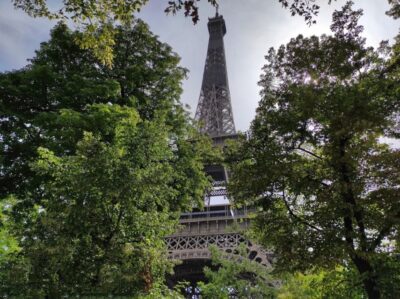 ★ 4.4Eiffel Tower Entry Ticket with Optional Summit AccessTickets from $2920,035 guest reviews
 ★ 4.3Eiffel Tower Summit or Second Floor AccessTickets from $5917,248 guest reviews