
Review · SEINE RIVER CRUISES
Paris: Seine River Walking Tour with Optional Musée d’Orsay
Paris makes sense when you walk its bridges. This Seine River route is led by a local guide and starts at Pont Neuf, so you get quick orientation plus stories that turn landmarks into something you actually remember. I also like the built-in flexibility, you can add a Musée d’Orsay visit on your own afterward and control how long you stay.
One thing to consider: the walk can feel more direct than twisty, and museum entry may still involve waiting if conditions are rough, like rain. That can blunt the value of any “skip-the-line” expectations.
Plan for a 1.5-hour guided walk, rain or shine, with extra time if you add Orsay and the cruise. You’ll finish back in the Orsay area, and the cruise ticket stays valid for a year, so you can do it the same day or schedule later.
Key things I’d focus on before you go
- Pont Neuf first, with photo stops and guide context right away, so you don’t wander blind.
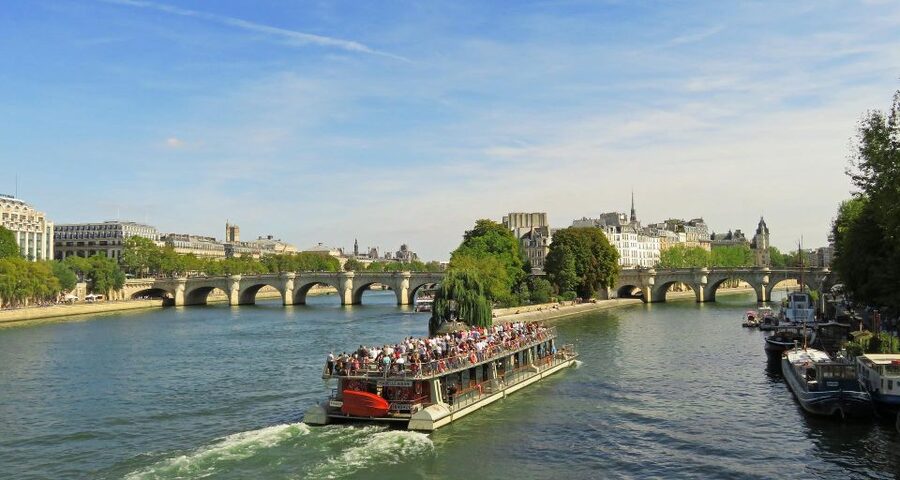
- Bridge-by-bridge stories, including what makes each crossing different along the Seine.
- Square du Vert-Galant, a small garden stop that’s easy to miss on your own.
- Pont des Arts and Pont du Carrousel, built for views, especially toward the Louvre Pyramid.
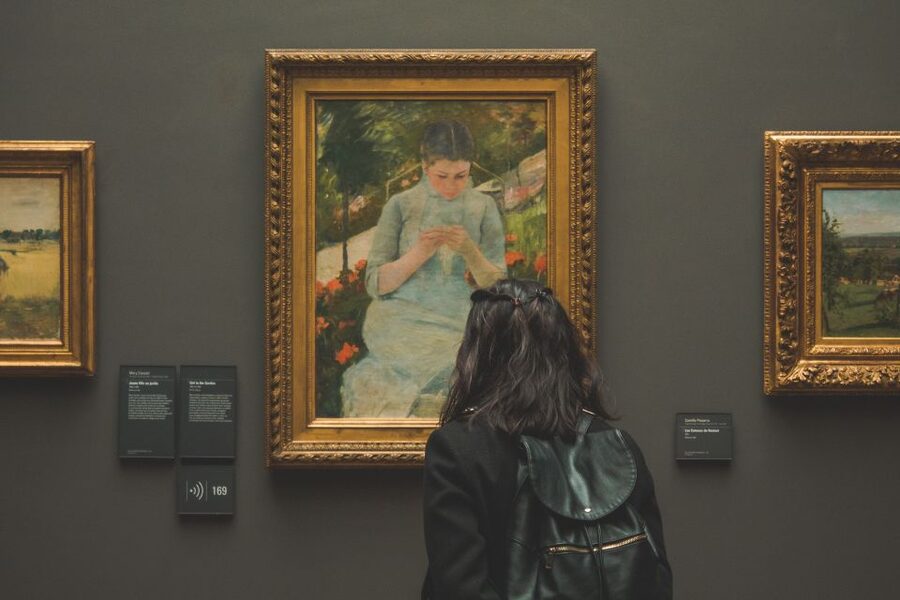
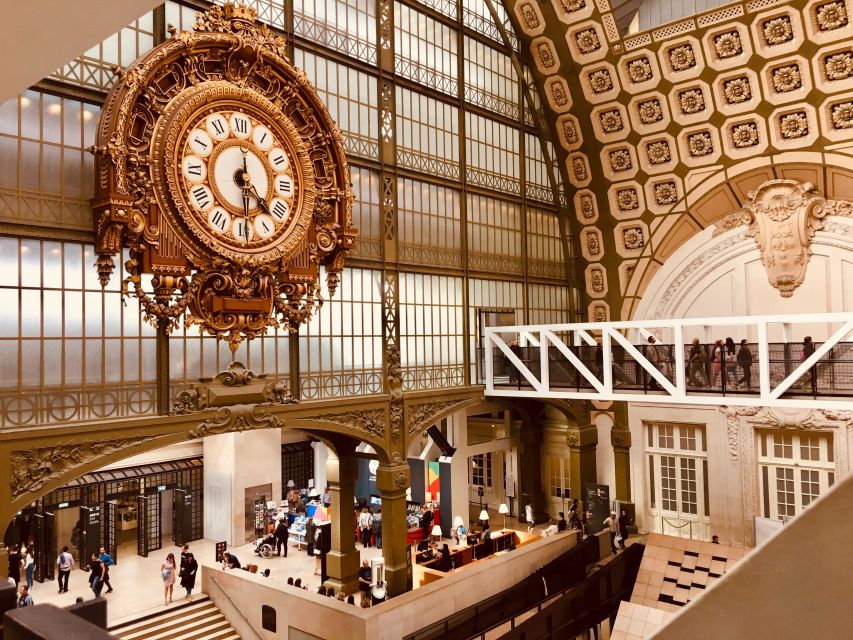
- Musée d’Orsay in a former railway station, built for the 1900 World Fair, now home to Impressionists like Monet, Manet, and Renoir.
- Optional Seine cruise ticket valid for a year, useful if your schedule gets messy.
Starting at Pont Neuf, getting Paris in the right order
The tour kicks off at Pont Neuf, meeting in front of the Statue of Henri IV. Your guide will be holding a sign that says ExperienceFirst, so it’s usually easy to spot the group.
Why this start works: Pont Neuf sits in the oldest core of central Paris, so your guide can explain where the city began and how the Seine shaped daily life. Instead of treating the river like scenery, you start treating it like a timeline.
Also, the pacing is built for real sightseeing. You get guided narration at each stop, with brief photo moments, then you keep moving. If you like structure without feeling locked into a rigid schedule, this is a good fit.
You can also read our reviews of more walking tours in Paris



Pont Neuf to Île de la Cité: the Seine’s first big story stops
Pont Neuf is the anchor point, and the tour’s early minutes matter because you’re learning the “why” behind what you see. You’ll hear about the birth of Paris from where it began centuries ago, which helps the rest of the walk click into place.
From there, you’ll move along the river toward the Île de la Cité area and its nearby viewpoints. One highlight is Square du Vert-Galant, a small garden at the western tip of Île de la Cité. Even if you don’t linger long, it’s a nice pause that breaks up the straight-line feel of bridge-hopping.
Here’s the practical value: these are stops where local details matter. A lot of people walk past bridges snapping photos, but you’ll be learning what each one represents and why it became where it is.
Pont des Arts and Pont du Carrousel: viewpoints that connect art and architecture
Pont des Arts is next, and it’s a strong “photo stop with meaning.” Since it sits right in the river corridor between major sights, it’s the kind of place where the guide can link city design to what you’re about to see next.
Then comes Pont du Carrousel, and this is where you get one of the most useful visual payoffs. The tour includes a view out toward the Louvre Pyramid, which gives you a quick mental map of where you’ll want to go later if you’re doing museums that day or the next.
Why I like this section: it’s not just pretty. It helps you understand how Paris stacks major landmarks along a few key lines. Once you see those relationships from the bridges, walking around afterward feels less random.
Pont Royal: the 17th-century crossing that slows the pace
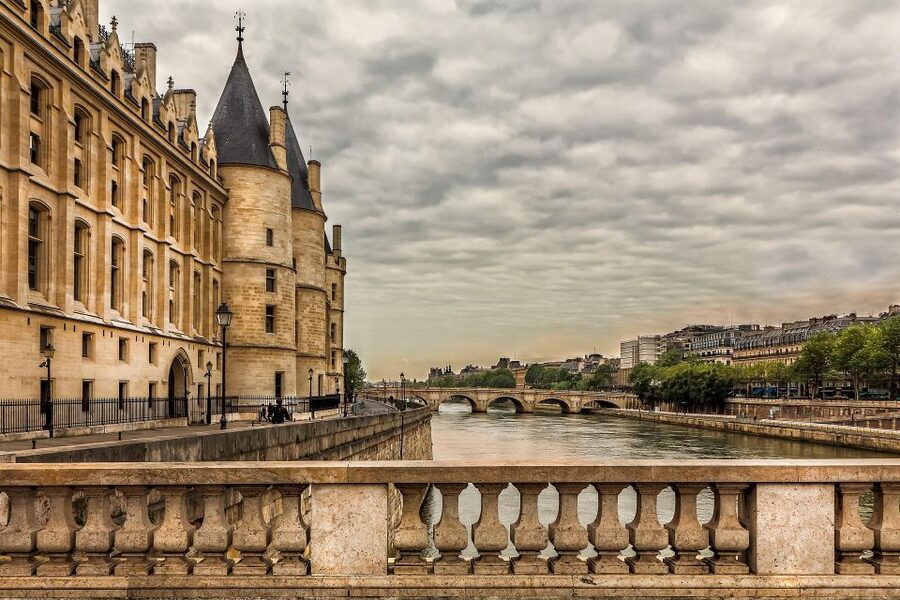
Pont Royal is a major stop on the route, and it’s listed as a 17th-century bridge. That matters because the guide can talk about how older Paris kept shaping new Paris, century after century, while the river remained the central connector.
This portion also tends to feel like the “middle” of the tour, when you’ve already learned the basics and you’re ready for the small details. If you want a tour that gives context without turning into a lecture, this is the stretch where it usually clicks.
Practical tip: wear shoes you’ll be happy in for repeated river-side walking. The tour is short, but it’s still built around being on your feet, and the surface can be slick in rain.
Musée d’Orsay optional add-on: self-guided, former railway station, Impressionists inside
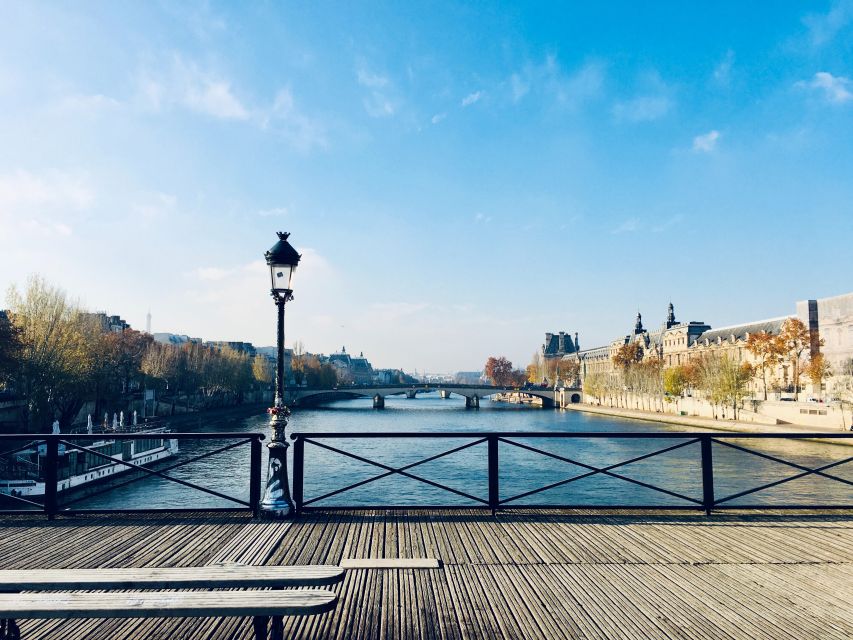
If you choose the Musée d’Orsay option, you’ll continue to the museum for a self-guided visit. That’s a key point: you get the museum ticket, but you’re not promised a full guided art history walkthrough inside.
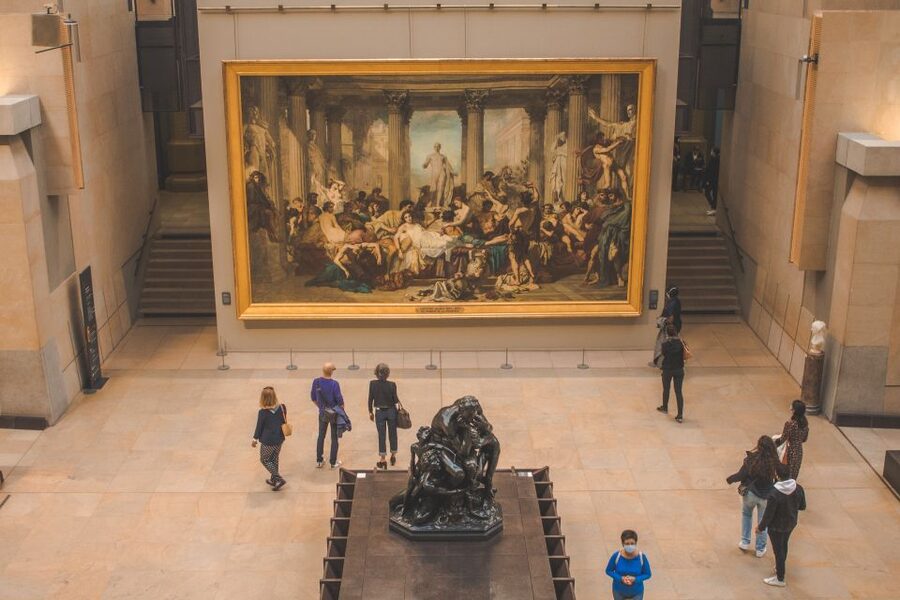
What you’re stepping into is part of the draw. Orsay was a former railway station built for the 1900 World Fair, and it’s now home to Impressionist masterpieces, including works by Monet, Manet, and Renoir. That mix of architecture plus art is a smart match for a walking tour of Paris, because you’re seeing the city reinvent itself in real time.
How to use your time well (since it’s self-guided): don’t try to see everything. Pick a few themes you care about, then focus. For Impressionists, that usually means planning around artists you want most, like Monet, Manet, and Renoir, rather than drifting aimlessly.
One caution from real-world experience: even when tickets are sold as skip-the-line, weather can change how smooth entry feels. In rain, you may still end up waiting, so build in a little patience if you’re adding Orsay.




The Seine cruise upgrade: an hour on the water, ticket valid a year
The cruise upgrade is an hour-long ride on the Seine. If you add it, your ticket remains valid for a year after your tour date, so you can use it the same day or come back later when your timing is better.
Why I think the cruise works as an add-on: the walking portion trains your eye to notice bridges and river connections. Once you’re in a boat, those same landmarks become a moving panorama, and the whole route feels more complete.
Also, the “valid for a year” detail is genuinely useful. Paris days can go sideways, with rain, long museum lines, or just energy running out. This option lets you keep the walking tour portion as your core plan, then treat the cruise as flexible.
Duration and pacing, 1.5 to 3.5 hours without guesswork
The guided walking portion is stated as about 1.5 hours. The overall experience can run 1.5 to 3.5 hours, depending on whether you add the Orsay visit and the cruise.
So what does that mean for your day planning? If you’re tight on time, the base walking tour gives you the Paris orientation you came for. If you want more, you can extend without needing a separate museum outing booking as a separate step.
Weather matters too. The tour takes place rain or shine, so factor in that you’ll likely slow down a bit on slippery sidewalks and you may take fewer photos if it’s pouring. Bring your best “walk in rain” attitude, and keep your camera easy to access.
Price and value: what you pay for at $42 per person
The listed price is $42 per person, and that gets you the guided walk along the Seine. The two upgrade items, Musée d’Orsay entry and the Seine cruise ticket, are included only if you select those options during booking.
Here’s how I’d judge the value: you’re paying for a guided, story-based route that would take you longer to stitch together on your own, especially if you’re trying to understand why each bridge matters. Then, if you add Orsay, you’re converting that storytelling into a place where you can slow down and look at art at your own pace.
The only real “value risk” is expectation management. If you expect a complex route with lots of detours, the walk may feel more linear than you imagined. And if you expect Orsay entry to be effortless, plan for the possibility that queues still happen in rain, which can reduce the advantage of any faster entry benefit.
Who should book this Seine walking tour with Orsay?
This is especially good for first-timers who want to build a clear mental map fast. Starting at Pont Neuf, learning bridge stories, and finishing with museum time gives you three different ways to experience the same corridor of Paris.
You’ll likely enjoy it if you:
- Want guided context outside that still moves at a walkable pace.
- Like Impressionist art and want to visit Orsay without committing to a museum guide for every minute.
- Prefer a plan with optional add-ons, where you can choose how much extra time to spend.
You might skip or adjust expectations if you:
- Want a deeply guided museum tour inside Orsay, since the museum time is self-guided.
- Are hoping for a highly meandering walking route with lots of side streets and unexpected turns.
- Get thrown off by queues, since weather can affect how smoothly museum entry goes.
Quick practical tips for smoother walking and museum time
- Wear comfortable shoes. The tour is short, but it’s still bridge-to-bridge walking.
- Arrive at the meeting point at least 15 minutes early so you can settle and start on time.
- If you’re adding Orsay, decide your priority artists ahead of entry, like Monet, Manet, or Renoir, so you don’t spend museum time deciding.
- Bring rain gear if the forecast looks questionable. Rain matters on river-side stone and steps.
Should you book this Pont Neuf to Orsay Seine tour?
I’d book it if your goal is simple: understand Paris through the Seine and bridges, then spend optional time in a major Impressionist museum. The structure works well, and the Orsay ticket plus flexible cruise option can turn a half-day into a full Paris highlight without needing extra planning.
If you hate waiting in lines or you’re expecting an unusually twisty walking route, do your homework on timing and set expectations for museum entry in bad weather. For the right traveler, this is a smart, well-targeted way to see the city’s heart from a perspective you can’t get from photos alone.
FAQ
Where do I meet the guide?
Meet in front of the Statue of Henri IV on the Pont Neuf bridge. The guide will be holding a sign that says ExperienceFirst.
How long is the guided walking part?
The guided walking tour is about 1.5 hours.
What’s included if I choose the Musée d’Orsay option?
If you select it at checkout, you get a Musée d’Orsay entry ticket along with the guided walking tour.
What’s included if I choose the Seine cruise option?
If you select it at checkout, you get a Seine River cruise ticket for a one-hour cruise. The ticket is valid for 1 year after your tour date.
Is the tour canceled for rain?
No. The tour takes place rain or shine.
What language is the tour guide?
The tour is in English.
What should I bring?
Comfortable shoes are recommended, since you’ll be doing walking along the river.
More Walking Tours in Paris



More Tours in Paris




More Tour Reviews in Paris


Not for you? Here's more nearby things to do in Paris we have reviewed










Seine River Cruises, side by side.
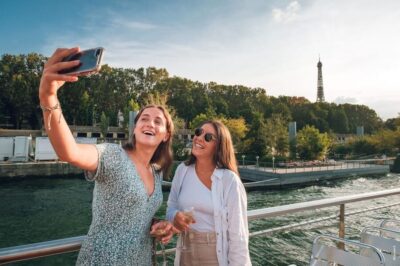 ★ 4.4Evening River Cruise with MusicTickets from $2722,721 guest reviews
 ★ 4.3Illuminations River Cruise with Audio CommentaryTickets from $2012,340 guest reviews
 ★ 4.3Tootbus Hop-on Hop-off with optional river cruiseTickets from $4911,924 guest reviews
 ★ 4.4Seine Cruise & Crepe Tasting near the Eiffel TowerTickets from $2311,231 guest reviews
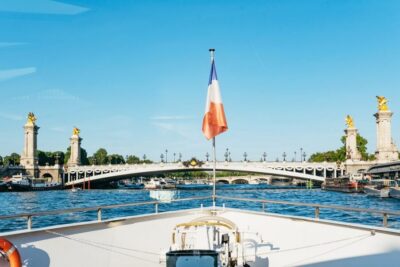 ★ 4.3Seine River Panoramic Views Dinner CruiseTickets from $6410,611 guest reviews
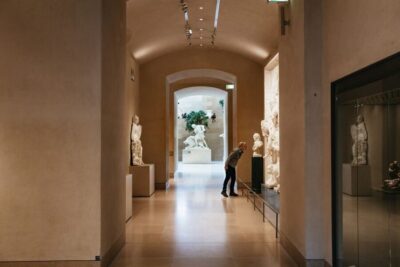 ★ 4.6Louvre Museum Entry Ticket With Host and River CruiseTickets from $1009,926 guest reviews
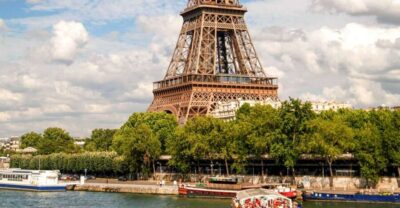 ★ 4.6Eiffel Tower Access by Elevator & Seine River CruiseTickets from $797,329 guest reviews
 ★ 4.73-Course-Dinner Cruise on the Seine with live musicTickets from $1357,248 guest reviews
This tour also belongs to