
Review · MONTMARTRE TOURS
Paris: Pastries & Tragedies – A sweet tour of Montmartre
Montmartre gets sweeter and darker at once. This 2-hour walk pairs pastry tastings with tragedies from the neighborhood’s past, so you get a story you can taste. My favorite part is how the guide keeps history human, then rewards you right after with something buttery or chocolatey.
Two things I really like: you hit at least 6 different treats from local pastry shops, and the walk is built around big Montmartre landmarks like the artist-related spots and the final approach to Sacré-Cœur. It’s a rare combo where food is not an afterthought.
One possible drawback: it’s a steep uphill stroll on cobblestones. If you have mobility limits, go in with realistic expectations about walking pace and stairs.
Key highlights you’ll care about
- 6+ sweet tastings included, so the price feels practical fast
- Montmartre stories built around personal drama, not just dates and names
- Small group size (max 10), which keeps questions easy
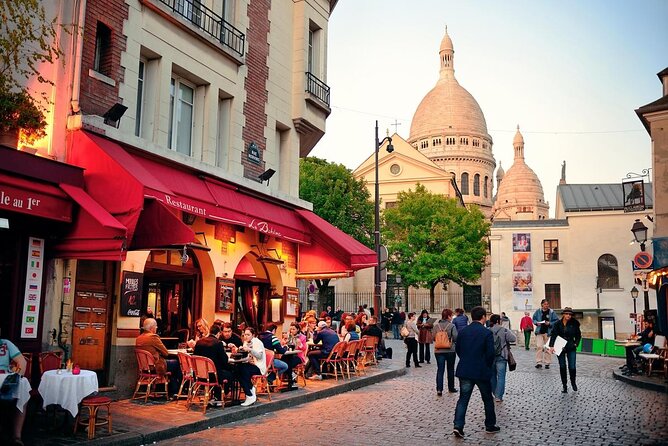
- End at Sacré-Cœur, with guidance on its construction and special stone claims
- No bottled water provided, so plan hydration your way
- English tour with an expert guide (Loïk), known for story pacing and pastry choices
Pastries and tragedies: the Montmartre combo that actually works
Montmartre has a reputation for art, charm, and postcard views. This tour leans into a different side. Yes, you’ll still see the iconic corners, but the story thread runs through the hardships that shaped the neighborhood, from war and political upheaval to more intimate human dramas.
That’s what makes the format click. Most “food tours” end up feeling like a tasting parade. Here, each stop has context. The guide points out where you are, then connects it to what happened there. The sweets arrive right after, so the pacing is built for your brain and your appetite.
And the tastings are not shy. You’re promised a minimum of 6 different treats, all included in the price. That matters because Paris can punish you for casual snacking. By the time you finish, you’ve essentially replaced a chunk of your dessert budget with guided tastings.
More Paris tours and experiences for the shortlist



The 2-hour route: what you’ll experience, stop by stop
This is a 2-hour walking experience that focuses on Montmartre’s most recognizable layers. The big picture: you start near Place Blanche, wander up through the neighborhood, make several pastry stops, and finish in front of Sacré-Cœur. You won’t be racing. The tour is structured so you can take in the stories, then slow down for the next bite.
Because the route includes hills and cobblestones, comfortable shoes are not optional. Think “walkable sneakers,” not fancy footwear. If it’s rainy, expect slick stones and slower footing.
Stop 1: Montmartre, where history comes with heartbreak
You begin at Montmartre, and the guide sets the emotional tone fast. The stories cover tragedy in a broad sense, from conflict and political turmoil to personal dramas that played out in a place that later became famous for art and nightlife.
What’s useful for you here is that the tour doesn’t treat Montmartre like a museum. You learn why certain streets feel the way they do now. Then you see how those historical pressures and choices helped shape the neighborhood’s identity.
After that, the tour keeps switching gears in a smart way: you get a point of history, then the next beat is a pastry stop. It keeps the walk from turning into a lecture.
A front-row history explanation: the “iconic part” moment
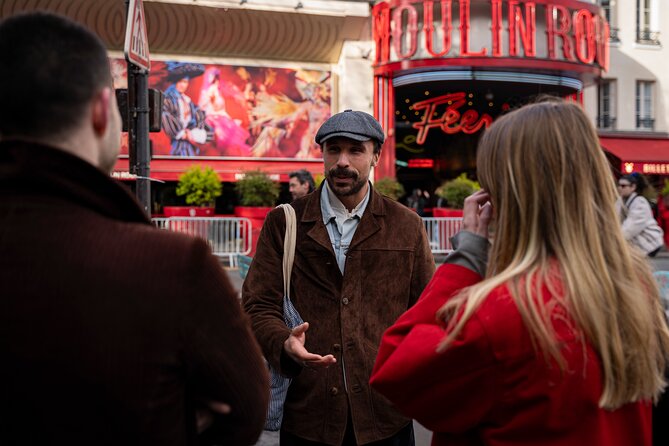
Next you stand in front of an important place and get the background that makes it more than a photo spot. You’ll hear fun-but-anchored facts, like the claim that the French can-can was invented right here.
You also get cultural context tied to the red-light district themes that later fascinated artists. One example from the tour flow is how Toulouse-Lautrec became obsessed with the district and its beauties. The detail matters, because it gives you a framework for what you see when you picture Montmartre in art and posters.
The artist studio stop: where creativity met the real world
You’ll also visit an iconic artist studio of Montmartre. The key value isn’t just that it’s famous. It’s that the guide ties the studio to the neighborhood’s broader story, so you understand what kind of life and work happened here.
Even if you’ve been to Montmartre before, a studio stop on a story-led walk can change what you notice. You start looking at the place as a workplace and a shelter, not just a backdrop.






The windmills detail: proof Montmartre still has “something old”
Then comes one of those moments that makes you feel like you’re spotting reality, not just staged scenery. You’re told you can still find real windmills in Montmartre.
Windmills are such a simple image, but they help anchor everything else. They remind you Montmartre wasn’t always the cultural brand it is now. It had practical, working roots, then gradually layered into the art world people associate with the hill today.
The finale at Sacré-Cœur: construction stories and a surprising stone claim
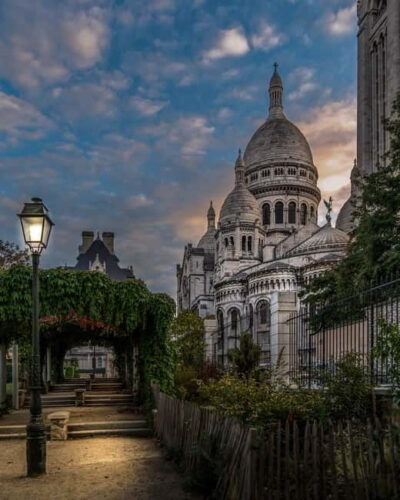
The tour ends right in front of Sacré-Cœur. Your guide explains the fascinating story of how it was constructed and shares two standout tidbits: the stones have the capacity to automatically wash themselves, and the basilica is described as the biggest crowdfunded project of the 19th century.
You may choose to go inside as part of your finale. The tour includes admission free, and one of the best practical tips is to treat Sacré-Cœur as your reset point. Finish the walk, then spend a little time inside or just soak up the view and the atmosphere.
Why the tastings feel like value, not extras
At $83.45 per person for about 2 hours, this tour only makes sense if the food portion is real and the storytelling is more than filler. Here, it is.
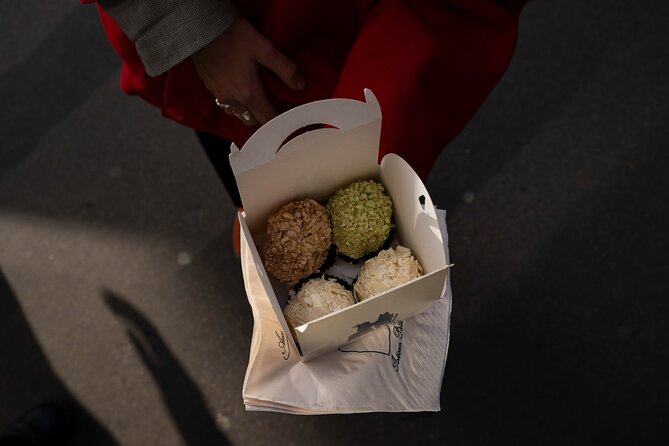
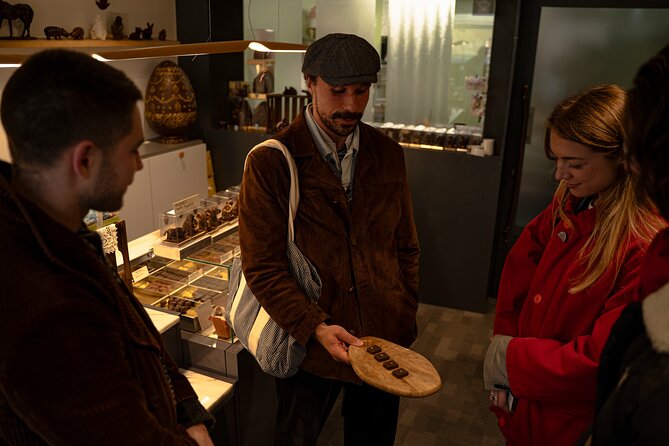
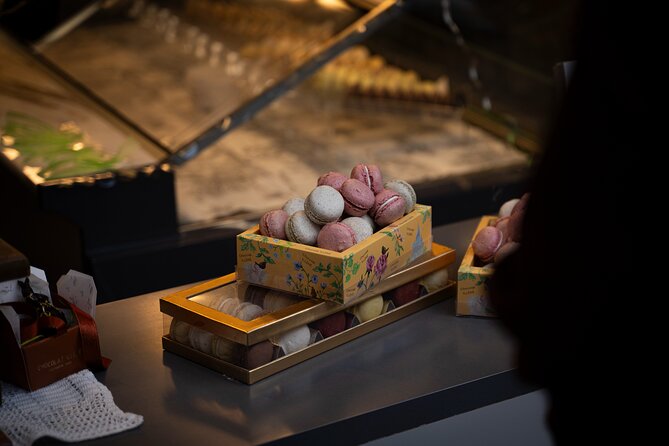
You get at least 6 different treats, and the treats are the kind you actually remember later, like standout chocolate, macarons, éclairs, merveilleux, cookies, and fruit-style sweets such as jams and jellies. Some tastings are described as exceptional, including macarons and chocolate.
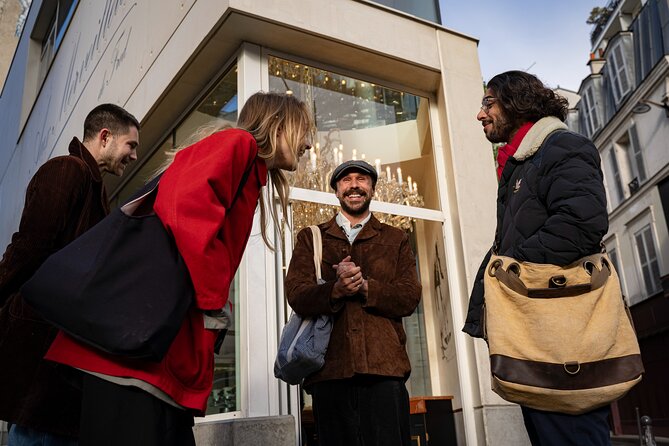
One review even called out a detail that shows the care behind the stops, like seeing why a shop such as Aux Merveilleux has a gorgeous chandelier. Another mentions a chocolatier founded in 1760, emphasizing how long certain Parisian producers have been part of the city’s sweet identity.
I like that the tour doesn’t just point at pastry cases. It gets you connected to the people behind them and the reasons the shops feel the way they do.
Also, you’re not stuck with one predictable dessert style. The sampling moves across textures and sweetness levels, and that makes it easier to pace yourself on a hill.
Meet your guide: why Loïk’s style matters
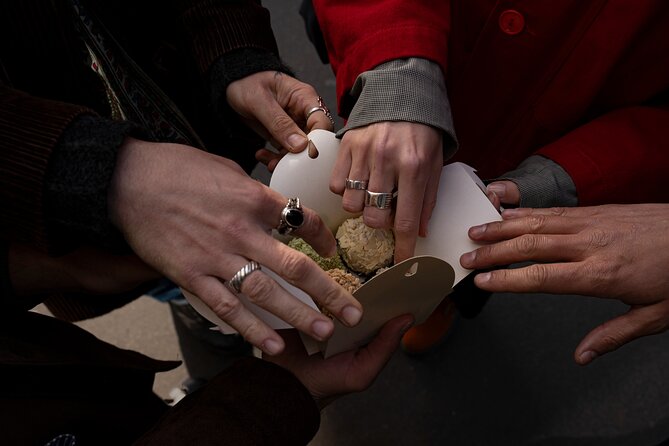
The guide name you’ll likely see is Loïk (sometimes spelled similarly in listings). Across the feedback, the same strengths keep showing up: story pacing, friendliness, and a gift for making history feel like something you could walk into.
What this means for you on the ground is simple. You don’t just hear facts. You get a narrative thread and then a reason to care. You’ll also get help noticing small things you’d normally miss, like architectural details, clues in storefronts, and the meaning behind famous Montmartre scenes.
One practical note: the tour is designed for real people. It’s paced so you can ask questions, and the walking load is handled at a “steady but not sprinting” rhythm. Still, remember the steep cobblestone reality.
Who this tour suits best (and who should think twice)

This is ideal for:
- Food lovers who want at least one guided meal worth of sweet sampling
- History buffs who enjoy human stories, not just dates
- People who like Montmartre but want to understand what’s underneath the charm
- Anyone who travels with mixed interests, because the pastry side and the tragedy side both get attention
You might want to think twice if:
- You need a very low-effort walk. The hill is a real feature of the experience, and the cobblestones add effort.
- You dislike dark themes in stories. The tour includes tragic elements, even though the tone stays entertaining and thoughtful.
What to know before you go (small choices that help)

A few practical points can make the day smoother.
Wear shoes for cobblestones and stairs
The tour goes up hill. Shoes should grip well. If you’re unsure, bring something that feels secure on uneven stone.
Come hungry, but don’t overdo it
You’ll get at least 6 treats. If you snack heavily right before, you might miss how good the variety is.
Plan hydration, since there’s no bottled water
Bottled water isn’t provided to avoid extra waste. If you know you get thirsty on climbs, bring water with you. The tour format can work better when you’re comfortable.
Expect English guidance and a small group
You’re looking at an English-language tour with a max of 10 travelers. That size helps conversation and keeps the route flexible if you have questions.
Price and logistics, in plain terms
This costs $83.45 per person, lasts about 2 hours, and includes food. That’s the baseline.
Here’s why it’s decent value. If you try to buy the same quality of sweets on your own, plus pay for a guide, plus manage the story context, you often spend more than you think. This bundles it together: 6+ treats, guided storytelling, and free admission for the ending basilica.
If you like a plan you can follow without overthinking, this works well. If you hate walking tours, you might prefer a more stop-light approach around Montmartre. But if you’re okay with a hill and want your dessert choices guided, the price is easier to justify.
Should you book? My straight answer
Book it if you want Montmartre in a way that feels more specific than a typical sightseeing loop. The mix of pastry stops and tragedy-focused stories is the point, and it’s the reason so many people rate it highly.
Skip it if you can’t manage a steep cobblestone walk. Also, if you prefer your tours purely light and funny, this one includes real dark turns in its storytelling.
If you’re on the fence, here’s a simple way to decide: if you’d enjoy a guided walk where each sweet has a reason, you’ll likely have a great time. If you mainly want views and don’t care about history or sweets, you can build a cheaper day on your own around the same neighborhood.
Either way, Montmartre will look different after you connect the streets, the artists, and the edible payoffs.
More Dessert Tours in Paris



More Tours in Paris





More Tour Reviews in Paris



Not for you? Here's more nearby things to do in Paris we have reviewed












Montmartre Tours, side by side.
 ★ 5.0Montmartre Hidden Gems and Scenic Highlights Walking TourTickets from $382,684 guest reviews
 ★ 5.0Montmartre Hill French Gourmet Food and Wine Tasting Walking TourTickets from $1452,588 guest reviews
 ★ 4.8Montmartre Cheese, Wine & Pastry Guided Walking TourTickets from $1272,255 guest reviews
 ★ 4.9Montmartre Highlights Walking Tour with a Local GuideTickets from $341,668 guest reviews
 ★ 4.1Sacré-Coeur and Montmartre Tour with Expert GuideTickets from $281,027 guest reviews
 ★ 5.0Private Montmartre Food Tour with Wine, Cheese & PastriesTickets from $3021,027 guest reviews
 ★ 5.0Paris Montmartre Food Tour – A Full French Meal by Do Eat BetterTickets from $95877 guest reviews
 ★ 5.0Hidden Montmartre: Paris’ Secret Streets Walking TourTickets from $44809 guest reviews
This tour also belongs to