
Review · MONTMARTRE TOURS
Paris: Montmartre Culture and Local Pastries Walking Tour
Montmartre rewards slow walking. I love the chance to understand how artists actually lived and worked here, and I like that the walk connects those stories to Place du Tertre and the big-name sights you came for. Along the way, you’ll also get guidance that helps you move through Montmartre’s tight streets without getting lost.
One catch: the stops for pastries and drinks are guidance, not food included. If you want samples like at Café des Deux Moulins, bring extra money beyond the $37.
Key highlights at a glance
- Artist stop-and-see moments tied to names like Modigliani, Picasso, Utrillo, Van Dongen, Juan Gris, and Matisse
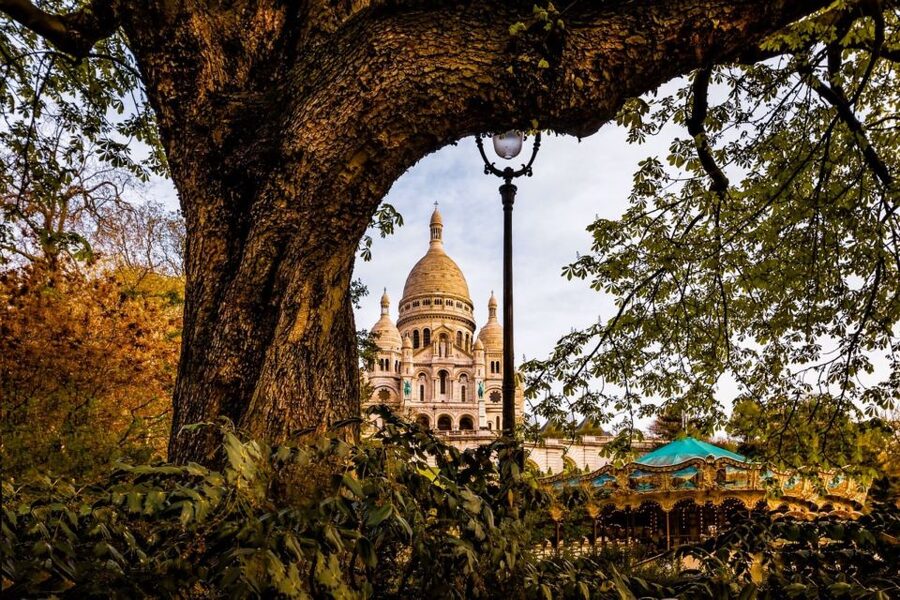
- Sacré-Coeur plus Place du Tertre so you hit both the landmark and the creative square
- Renoir and Van Gogh references you can spot as you walk the area
- Pastry and drink recommendations during the tour, with clear expectations that testing costs extra
- Guided navigation through winding side streets so you see more than you can on your own
- End point at Moulin Rouge, easy to continue exploring afterward
Starting at Chez Ginette, getting oriented in 150 minutes
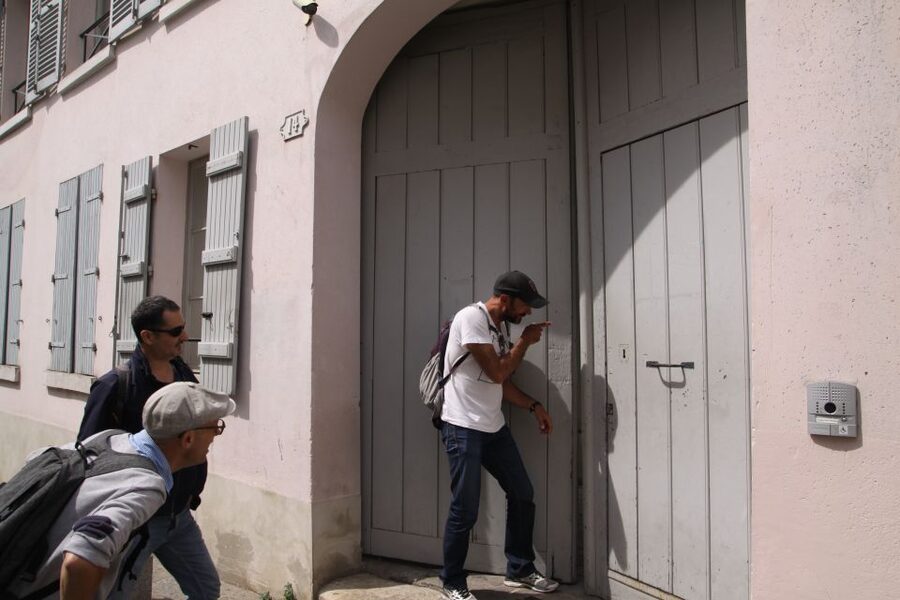
This tour is built for people who want Montmartre to feel manageable. You start near the restaurant Chez Ginette, at the point between the metro stairs at Lamarck-Caulaincourt and the restaurant itself. That matters because Montmartre can feel like a maze until you have a local guide steering the flow.
At 150 minutes, you’re getting a compact dose of the district rather than an all-day grind. It’s long enough to cover the major sights, but short enough that you still have energy left for a second activity afterward. You’re also on foot, so this is not the kind of plan where you pop in and out quickly. Think steady walking through side streets and small squares, camera ready.
You can also read our reviews of more walking tours in Paris



The “artist neighborhood” walk: from studios to famous names
One of the best parts of this experience is that it treats Montmartre like an artist working district, not just a postcard. As you stroll, you’ll pass by connections to studios associated with artists including Modigliani, Picasso, Utrillo, Van Dongen, Juan Gris, and Matisse. That list alone gives you a clue about the tone: this is about everyday life and creative presence, not only monumental buildings.
You’ll also hear about the famous mill linked to Renoir and Van Gogh. Even if you don’t know every detail, seeing the references on the streets helps you understand why people were drawn here in the first place. Montmartre’s famous imagery makes more sense when your route is explained like a story you can walk through.
This is also where having a guide makes a real difference. The tour is designed to help you navigate labyrinthine alleyways and side streets without wasting time second-guessing directions. If you’ve ever done Montmartre solo and ended up circling the same hills and steps, you’ll appreciate how the guide keeps things moving.
Place du Tertre and Sacré-Coeur: hitting the icons with context
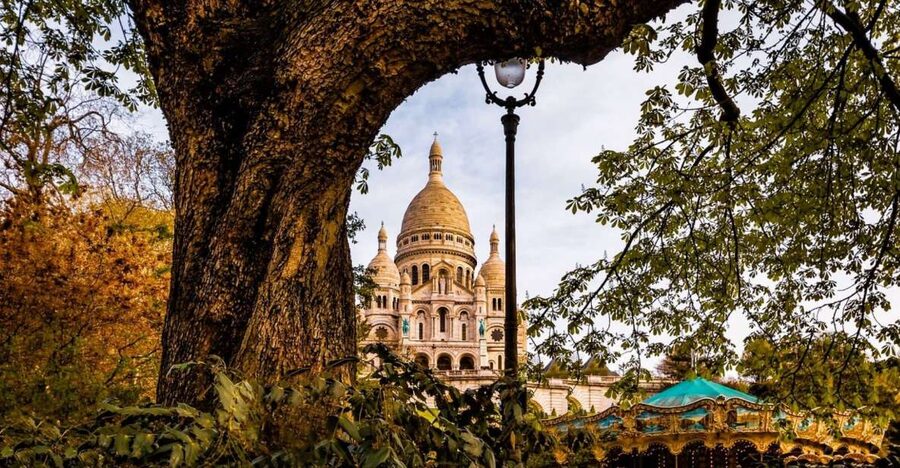
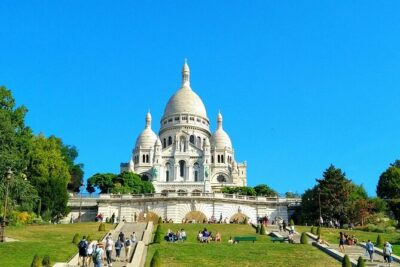
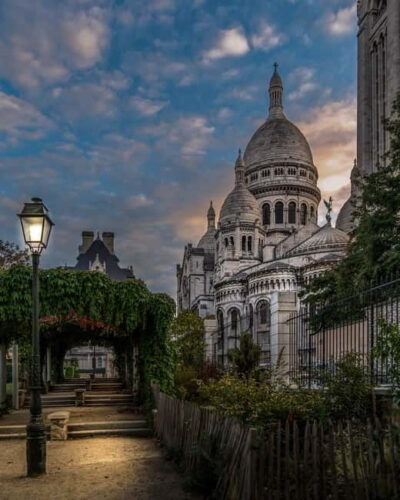
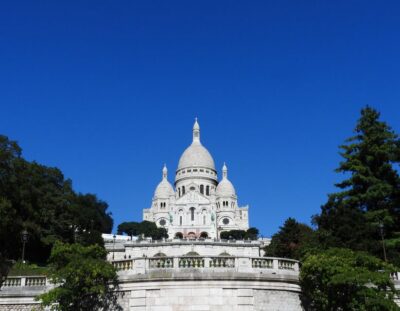
Most Montmartre tours either rush the icons or get stuck in the small streets with no payoff. Here, you get both. The route includes Sacré-Coeur basilica, plus the artistic hub around Place du Tertre.
What I like about this combo is balance. Sacré-Coeur gives you the dramatic, unmistakable landmark. Place du Tertre gives you the street-level creative energy, where art isn’t just a museum subject, it’s part of what you see while you’re standing there. Put together, they help you connect the grand view to the people and street life that shaped the neighborhood’s reputation.
Also, don’t treat Sacré-Coeur as the whole goal. This tour encourages you to look sideways as you walk, so you notice how the area’s art culture shows up in squares and storefront-adjacent details, not only at the top of the hill.
Winding streets and side squares: why the route feels worth it
Montmartre’s layout is the attraction. The streets are winding, the corners are tight, and the views change as you turn. This tour is built around that reality, with the guide helping you keep track of where you are and what you’re seeing.
That navigation support is part of the value, even before you factor in the sights. Without a guide, you can spend time trying to map your route in your head. With a guide, you get a smoother arc, moving from landmark to landmark while still seeing the smaller streets in between.
A practical note: this experience is not suitable for people with mobility impairments or wheelchair users. The route includes enough walking and navigating through side streets that it’s not designed to be comfortable for everyone. If you’re on a mobility scooter or dealing with limited walking, check other options that match your pace and access needs.
Pastries and drinks: excellent recommendations, but not included
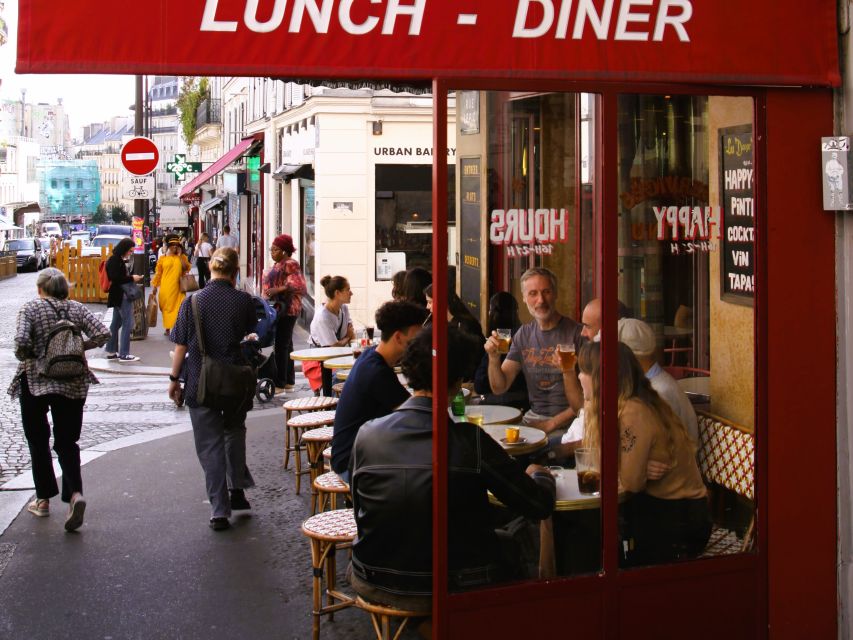
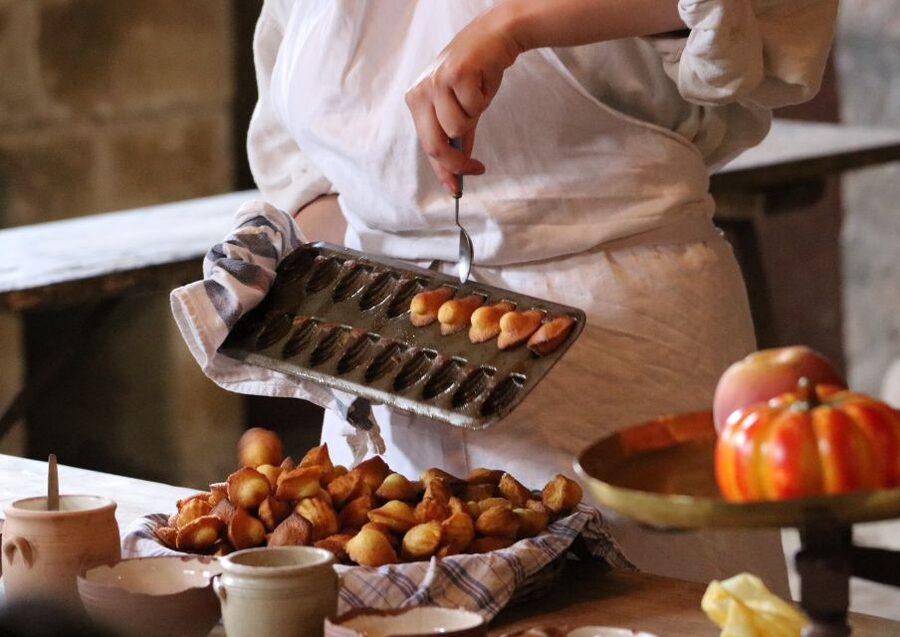
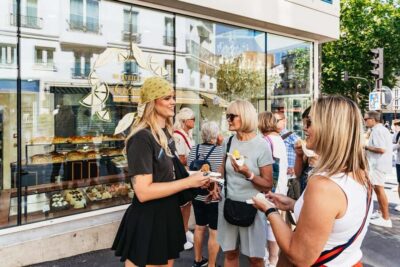
This is the part that needs the clearest expectations. The tour promises iconic Parisian pastries and guidance on where to stop, but pastry testing is not included into the tour price. The activity explicitly lists that food and drinks are not included.
So here’s how I’d handle it if I were planning your day: treat this as a guided route to the best places to eat, not as a meal plan. The guide takes you to or points you toward top spots, including Café des Deux Moulins. If you want to order there, you’ll pay on your own.
Why this is still good value: you don’t have to guess. Montmartre has plenty of places that look tempting but don’t always deliver. A local guide can help you spend your food budget where it makes sense. But you should arrive with a bit of cash or card ready, so you’re not stuck deciding on an empty stomach.
If you’re the type who wants to sample several items, plan on budgeting for it. If you prefer one pastry and a drink, you can keep costs controlled and still get the benefit of the guide’s picks.
More Paris tours and experiences for the shortlist






Moulin Rouge finish: ending at the headline, not the stop sign

The tour ends at the iconic Moulin Rouge cabaret. That ending point is useful because it anchors your walk to one of the most recognizable names in Paris. It also means you don’t have to fight your way back to transit right after you’re tired from walking.
When you finish near Moulin Rouge, you have options. You can keep exploring the area on foot, or you can head to your next plan with an easy landmark in mind. Ending at a major sight is a smart move for people who want their day to feel like it flowed, not like it broke into random parts.
Guide quality is the real multiplier (and it shows)
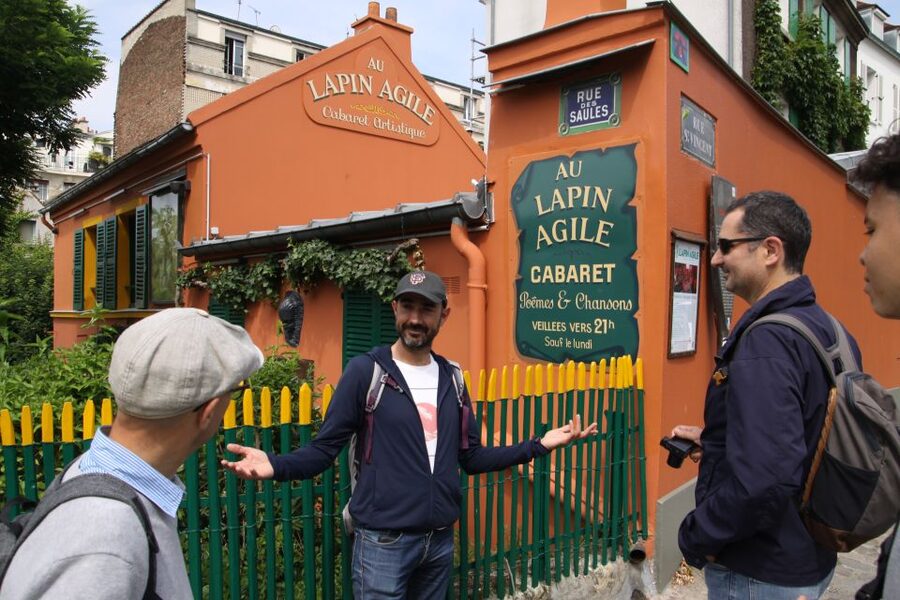
The heart of this tour is the guide. In the feedback, guides such as Frédéric are praised for deep neighborhood knowledge and for telling stories that make the walk feel friendly and fast-paced, not rigid. There are also mentions of Climont as a guide who mixes history, culture, and restaurant and shop guidance.
That matters because Montmartre stories can go two ways. They can be facts-only, which people forget as soon as they walk away. Or they can feel like a local explaining why certain corners matter, including what to look for while you’re there. This tour aims for the second type of experience, especially with the way it pairs historic names and landmarks with practical street navigation.
Also, the guide options are listed in multiple languages: English, German, French, Italian, and Spanish. If you’re traveling with mixed language needs, it’s a nice plus that you’re not stuck with just one option.
Price and value: $37 for 2.5 hours plus a food add-on
At $37 per person for 150 minutes, this is priced like a focused walking tour with a local guide. The major “sightseeing package” elements are included, since walking tour and local guide are part of the cost.
The key value equation is simple:
- You pay for the guide, the route, and the landmark-to-landmark storytelling.
- You pay separately if you choose to buy pastries and drinks, because food is not included.
That setup can be cheaper than a tasting tour where the price is high and you end up with food you may not actually love. It also gives you control. You can decide if you want a single pastry at the guided spot or a fuller stop.
So if you like guided walking, and you’re comfortable adding on what you eat, this feels like a fair deal. If you were hoping the tour price covers pastries, this is not that kind of experience, so make sure your expectations match.
Practical details before you go
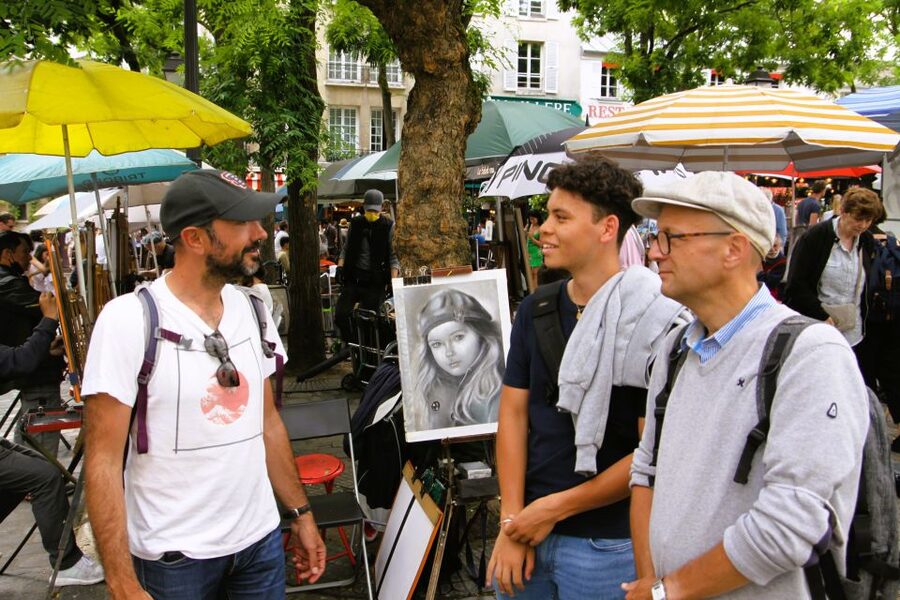
- Bring: comfortable shoes, a camera, and comfortable clothes.
- Know the fit: this is a walking tour and not suitable for wheelchair users or people with mobility impairments.
- Languages: English, German, French, Italian, Spanish.
- Meeting point: between the metro stairs at Lamarck-Caulaincourt and Chez Ginette.
- Expect walking through winding streets and side streets, which is the point of Montmartre but also why good shoes help.
If you’re planning your day around Montmartre, I’d treat this as the anchor. After this, you’ll know your bearings and you can either continue browsing or head to another neighborhood with far less confusion.
Who should book this Montmartre walk?
Book it if you want:
- A guided route through Montmartre’s major landmarks, including Sacré-Coeur, Place du Tertre, and the Moulin Rouge finish.
- A story-driven walk that connects big artistic names like Picasso and Modigliani to specific places in the neighborhood.
- Helpful direction for where to get pastries and drinks, including a stop you can choose to try like Café des Deux Moulins.
Skip it or look for another fit if:
- You need food included in the price. Here, pastries and drinks cost extra.
- You need an accessible route, since it’s listed as not suitable for wheelchair users or people with mobility impairments.
Should you book it?
Yes, I’d book it if your goal is to see Montmartre in a guided, practical way and you’re happy to handle your own pastry and drink purchases. The $37 price buys you a focused walking tour with local guidance, plus the payoff of hitting key sights and artist-linked stops within 2.5 hours.
If your priority is eating multiple items with no thinking, then this may feel less direct because food and drinks are not included. But for the right mindset, this is a solid, street-level way to experience Montmartre instead of just photographing it.
FAQ
How long is the Montmartre Culture and Local Pastries walking tour?
The tour lasts 150 minutes.
What is the price, and what does it include?
It costs $37 per person and includes a walking tour with a local guide. Food and drinks are not included.
Is pastry testing included in the tour price?
No. The tour notes that pastry testing is not included in the price, and food and drinks are not included overall.
Where do I meet the guide?
Meet the guide at the point between the metro stairs at Lamarck-Caulaincourt and the restaurant Chez Ginette.
What landmarks are part of the route?
You’ll see major stops including Sacré-Coeur, Place du Tertre, and end at Moulin Rouge. The tour also includes guidance toward pastry and drink spots such as Café des Deux Moulins.
What languages are available for the live guide?
The live guide is available in English, German, French, Italian, and Spanish.
Is the tour suitable for wheelchair users or people with mobility impairments?
No. The tour is listed as not suitable for people with mobility impairments and wheelchair users.
More Walking Tours in Paris


More Tours in Paris






More Tour Reviews in Paris






Not for you? Here's more nearby things to do in Paris we have reviewed












Montmartre Tours, side by side.
 ★ 5.0Montmartre Hidden Gems and Scenic Highlights Walking TourTickets from $382,684 guest reviews
 ★ 5.0Montmartre Hill French Gourmet Food and Wine Tasting Walking TourTickets from $1452,588 guest reviews
 ★ 4.8Montmartre Cheese, Wine & Pastry Guided Walking TourTickets from $1272,255 guest reviews
 ★ 4.9Montmartre Highlights Walking Tour with a Local GuideTickets from $341,668 guest reviews
 ★ 4.1Sacré-Coeur and Montmartre Tour with Expert GuideTickets from $281,027 guest reviews
 ★ 5.0Private Montmartre Food Tour with Wine, Cheese & PastriesTickets from $3021,027 guest reviews
 ★ 5.0Paris Montmartre Food Tour – A Full French Meal by Do Eat BetterTickets from $95877 guest reviews
 ★ 5.0Hidden Montmartre: Paris’ Secret Streets Walking TourTickets from $44809 guest reviews
This tour also belongs to