
Review · LOUVRE MUSEUM TOURS
Paris: Louvre Museum Skip-The-Line Tour
The Louvre can swallow your whole day. This fast, focused tour helps you aim at the good stuff with a skip-the-line start and a guide who connects Renaissance to Neoclassicism through famous works you can actually see. You’ll move through standout paintings and sculptures, from Botticelli fresco details to the big drama of Romanticism, without trying to wrestle the museum on your own.
The setup is simple and practical: you get a live guide, a Louvre entrance ticket that saves you time, and a tight route designed for understanding, not wandering. The one drawback is the time limit, in just two hours you are not going to see everything in the Louvre, so you should come with at least a few works you want to spot.
Key things I’d zero in on
- Skip-the-line ticket means less waiting and more looking
- A focused art timeline across Renaissance, Neoclassicism, and Romanticism
- Signature masterworks including Botticelli, Da Vinci, Veronese, Delacroix, and David
- Antiquity anchor point with the Nike of Samothrace for context
- Private group feel with a guide who can explain clearly in your language (English, French, or Serbo-Croatian)
Entering The Louvre, Without Losing Your Day
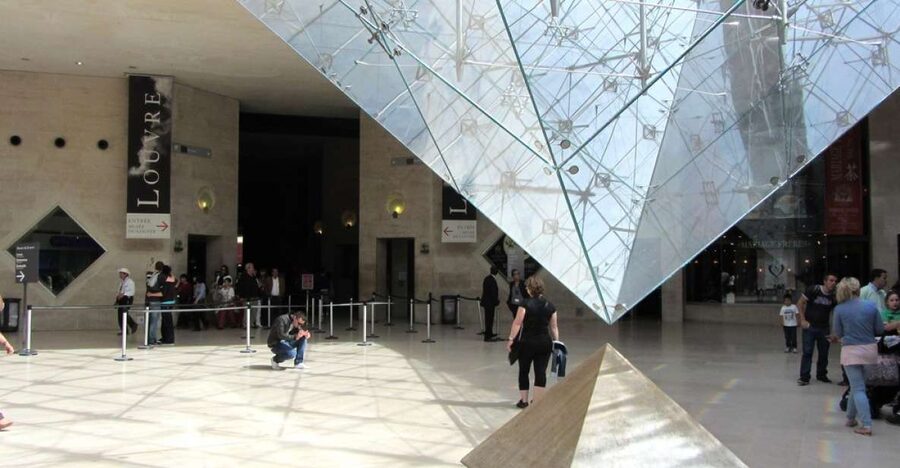
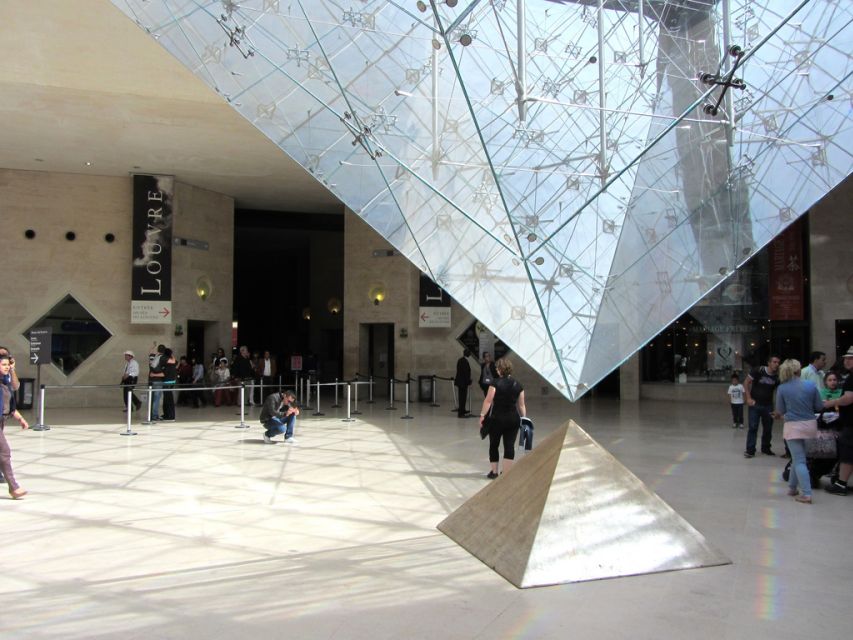
Meeting point is at the Arc de Triomphe du Carrousel, and the guide carries a red tote canvas bag. That little detail matters. The Louvre area can be busy, so spotting your guide quickly helps you start calmly instead of drifting around with everyone else.
This tour is built around one big comfort: you’re not spending your precious morning standing in a ticket line. The Louvre’s main draw is overwhelming, and delays add stress fast. Here, the whole point is to get you past the front gate stage so you can spend your time where it counts, inside the galleries looking at art.
Also, the tour is rain or shine. That means you should bring something simple for wet weather, like a light rain jacket or poncho, and plan on moving at a steady pace. Since you’re indoors for most of the experience, you’re not at the mercy of weather once you get going.
You can also read our reviews of more museum experiences in Paris


The Two-Hour Timeline That Actually Makes Sense
At two hours, this is not a “see the Louvre” tour. It’s a “see the why” tour. You’ll concentrate on three periods: Renaissance, Neoclassicism, and Romanticism. In practice, that means you get fewer stops, but each one is placed into a bigger story so you understand what changed and why.
The Louvre can feel like unrelated rooms stitched together. This route reduces that friction. Instead of treating each artwork as a random masterpiece, the guide’s job is to connect themes across time. Expect explanations about the shift from Medieval art toward humanism in the early Renaissance, and then how Neoclassicism and Romanticism responded with new ideas and new emotional tones.
If you like art because it tells stories, this format is a good match. You leave with more than photos. You leave with a mental map of how European painting and sculpture evolved.
From Greek Victory to Renaissance Turning Points
You start with context, not just famous faces. The itinerary includes the Nike of Samothrace, a 2nd-century BC marble sculpture of the Greek goddess Nike (Victory). Even if you are not a classical art expert, this is an easy anchor because it shows a body caught in motion. It’s a reminder that “Renaissance” does not begin from nowhere. Artists were looking back to Greek and Roman models and asking what made them powerful.
From there, the tour moves into the early Renaissance theme: the transition from the Medieval world toward humanism. That change shows up in how artists represent people, space, and ideas. Humanism is all about placing human experience and intellect more firmly at the center, and the guide’s explanations help you spot that shift rather than just seeing costumes and compositions.
You also get an early Florentine thread through Mantegna, including Mantegna’s Saint Sebastian. Mantegna is a great example for understanding how Renaissance painting could look both intense and precise. When you see it explained in sequence with other periods, it becomes less “spot the masterpiece” and more “watch the style evolve.”
Botticelli’s Fresco and the Language of Beauty
Botticelli is one of those artists people recognize instantly, and this tour gives you a very specific doorway into his work: his fresco Venus and the Three Graces Presenting Gifts to a Young Woman. Fresco is a medium with a different relationship to light and wall space than panel paintings. In a museum, that can be easy to miss because you’re not seeing the original architecture.
This is where a good guide earns their ticket. You get help with what the scene is doing, and what details signal Renaissance thinking about mythology, beauty, and ideals. Botticelli’s world often feels like poetry you can walk around. Having it explained as part of a broader timeline makes it land harder.
And it fits the tour’s overall style: instead of rushing, you get enough time to look and then understand.
Da Vinci, Veronese, and Why These Paintings Matter
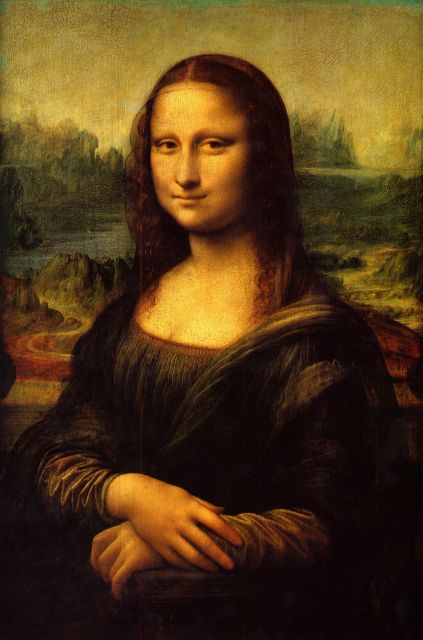
Da Vinci is represented in this tour by works such as the Mona Lisa. The Louvre is crowded, and the temptation is to stare from far away and move on. On a guided route, you have a better chance to focus your gaze and connect what you are seeing to what the period was trying to do, like the balance of expression and form that made Renaissance portraiture a turning point.
You’ll also see Veronese’s Marriage at Cana. This painting is highlighted as the largest in the Louvre. Even if you normally avoid “big painting” situations, this one is worth it because scale changes how you read a scene. When it’s explained, you can follow the composition instead of letting it bulldoze your attention.
And yes, you’ll get context for the bigger themes behind Renaissance painting. In plain terms: these works are not just pretty. They show how artists used composition, narrative, and figure placement to communicate ideas.
More Paris tours and experiences for the shortlist




Venetian Painting and Bellini’s Influence
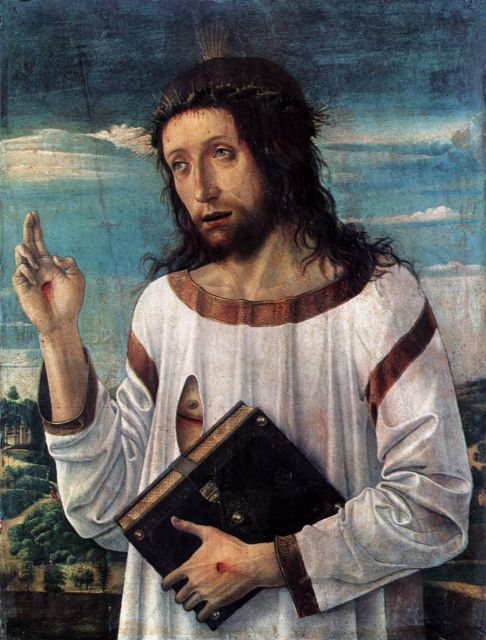
The tour highlights Bellini’s Venetian paintings. While you may not always find Bellini as the first name people shout in the Louvre lineup, the Venetian school is a major reason the Renaissance becomes more than one style. Venice put a bigger emphasis on color and light, and that changes how paintings feel even when the subject stays human.
In a quick two-hour tour, this kind of inclusion matters because it prevents the experience from turning into a single-artist parade. You get a more believable picture of how Renaissance Europe was not one uniform look, but multiple regional languages.
If you love painting for color and atmosphere, you’ll likely appreciate getting this Venetian piece of the puzzle.
Romanticism, Revolution, and the Paint That Shouts
When the tour shifts into Romanticism, it gets louder in a good way. You’ll see Gericault’s Raft of Medusa, and then Delacroix’s Liberty Leading the People. These are not quiet works. They’re built to make you react, to feel urgency, fear, or hope.
For Romanticism, context is everything. Romantic artists often leaned into emotion, drama, and big historical events. The guide’s job is to connect the artwork to the mood of its moment, so you don’t just read the brushwork as style. You read it as message.
Liberty Leading the People is especially powerful because it ties art directly to a revolution, the July Revolution of 1830. Once you know that frame, the figures stop being decorative. They become propaganda and witness in paint.
Neoclassicism: Napoleon and the Discipline of Form
The tour includes Neoclassicism through major works connected to order, authority, and historical drama. You’ll see Jacques-Louis David’s Crowning of Napoleon and The Oath of the Horatii. Neoclassicism is often described as a return to classical clarity, but in the Louvre it feels more practical than theoretical.
What you’ll notice with a guide is how these paintings use structure. David’s approach favors strong design, sharp focus, and theatrical staging. That’s why they work so well even for visitors who think they are not “into history.” The emotions are there, but they’re arranged with control.
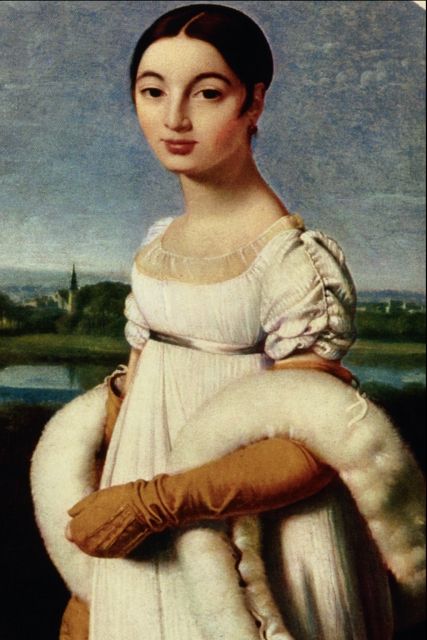
There’s also Ingres’ Une Odalisque, which brings a different kind of Neoclassical flavor through a nude study style associated with the period’s fascination with the so-called exotic. Ingres is not for everyone, but if you like art history because it shows what people obsessed over, this stop adds a useful perspective.
What a Private Group Means in Real Life
This is listed as a private group, which usually changes how you feel inside the museum. You are not part of a huge herd. The guide can pace the conversation to your group rather than forcing explanations to match strangers’ attention spans.
That matters for a tour like this, because you’re learning art history in short bursts while moving between rooms. If you are bringing kids or teens, it also helps that the guide can be accommodating while you navigate the Louvre with real people in tow. If you are traveling with older relatives, it can also make the experience smoother, because you can keep a steady rhythm instead of getting separated in a big group flow.
The tour is offered in English, French, and Serbo-Croatian. If you get the language you prefer, explanations land faster and you spend more time looking, not decoding.
Practical Logistics: What to Bring, What Not to Bring
The Louvre has strict rules about bags and size. Oversize luggage is not allowed, and any items exceeding 55x35x20 cm are not permitted in the museum. So if you tend to travel with a big daypack, either use a smaller one or plan to keep it as tight as possible.
Also, you’re in a two-hour guided flow, so you do not want to be digging through bags every ten minutes. Keep essentials accessible, and skip anything bulky. Not only is it simpler, it keeps you moving.
If you’re using a wheelchair, the tour is listed as wheelchair accessible. That is a big deal at the Louvre, where accessibility can vary by route and gallery traffic. This tour’s inclusion means you can plan your day with less guesswork.
Finally, no food or beverages are included. That’s normal for a two-hour museum hit, but it means you should think about where you’ll eat after. If you’re hungry, your attention will drift from art to snacks.
Price and Value: Is $294 Worth It?
At $294 per person for a 2-hour private guided tour, this is not a bargain, and it’s not meant to be. The value comes from three things you can’t easily replicate on your own in the same time window.
First, the skip-the-line ticket is real time value. The Louvre can be a time sink, especially when you’re trying to fit museum viewing into a day with other Paris plans. Saving the ticket line is one less bottleneck.
Second, the tour is structured around a learning goal. You’re not just collecting impressions, you’re following a timeline that connects works from Renaissance to Neoclassicism to Romanticism. That kind of framing turns a museum visit into something you can remember.
Third, the private group format tends to make explanations more usable. When a guide can meet your group’s pace, you get more out of each stop, rather than rushing through because the schedule is chasing the clock.
If you want a free-roam Louvre day where you can wander the galleries at your own pace for hours, this might feel too tight. But if you want maximum art understanding per hour, this is the kind of tour that can be worth the premium.
Who This Tour Fits Best (and Who It Doesn’t)
This is a strong fit if you:
- Want a high-impact introduction to the Louvre focused on major movements and masterworks
- Like art history as a story, not a checklist
- Are short on time in Paris and need a plan that won’t collapse into confusion
- Prefer a private guide and a manageable group setting
It may not be the best fit if you:
- Want to see the whole museum at your own pace for a full day
- Plan to spend a long time in many separate wings without structure
- Have very specific interests that are not covered by this Renaissance, Neoclassicism, Romanticism focus
Should You Book This Louvre Skip-The-Line Tour?
Yes, consider booking if your goal is to see important works and understand how styles change across centuries. This tour is built for people who want clarity without spending all day lost in galleries.
I’d book it especially if you’re the kind of traveler who hates wasting time in lines and prefers guidance that turns famous art into a coherent story. The combination of skip-the-line access, a two-hour timeline, and stops that run from the Nike of Samothrace through Botticelli and then into Romantic drama makes it a high-efficiency way to “get it” fast.
If your perfect Louvre day is slow wandering, long reading, and zero structure, you might prefer a longer self-guided visit. But if you want a focused overview that still hits real highlights, this is a smart choice.
FAQ
Where does the tour meet?
The tour meets at the Arc de Triomphe du Carrousel. Your guide will be carrying a red tote canvas bag.
How long is the Louvre skip-the-line tour?
The duration is 2 hours.
What is included in the price?
It includes a skip-the-line entrance ticket to the Louvre and a live guide.
Are food and beverages included?
No, food and beverages are not included.
Which languages are available?
The live tour guide is available in English, French, and Serbo-Croatian.
Is this a private tour?
Yes, it is listed as a private group.
Is the tour wheelchair accessible?
Yes, the tour is listed as wheelchair accessible.
Does the tour run in bad weather?
The tour operates rain or shine.
Are oversize items allowed inside the museum?
Oversize luggage is not allowed. Items exceeding 55x35x20 cm are not permitted in the museum.
What does skip-the-line mean here?
The tour includes a skip-the-ticket line entrance, so you do not spend your time waiting for entry.
More Museum Experiences in Paris


More Tours in Paris



More Tour Reviews in Paris




Not for you? Here's more nearby things to do in Paris we have reviewed










Louvre Museum Tours, side by side.
 ★ 4.6Louvre Museum Timed-Entrance TicketTickets from $2671,977 guest reviews
 ★ 4.3Louvre Guided Tour with Reserved Access & Boat CruiseTickets from $8116,353 guest reviews
 ★ 4.5Louvre Museum Masterpieces Guided Tour with AccessTickets from $8612,023 guest reviews
 ★ 4.6Louvre Museum Entry Ticket With Host and River CruiseTickets from $1009,926 guest reviews
 ★ 4.1Priority Access Louvre with Host -Direct to Mona LisaTickets from $748,387 guest reviews
 ★ 4.6Mona Lisa & Louvre Masterpieces Tour with Reserved AccessTickets from $806,812 guest reviews
 ★ 5.0Louvre Museum – Exclusive Guided Tour (Entry Included)Tickets from $1816,296 guest reviews
 ★ 4.0Louvre Reserved Ticket and River Cruise ComboTickets from $376,054 guest reviews
This tour also belongs to