
Review · LOUVRE MUSEUM TOURS
Paris: Louvre Museum Mona Lisa First Viewing Semi-Private
The Louvre can feel like a maze before you even start. This semi-private setup gets you first access and aims you straight at the Mona Lisa before the day’s crush. I especially like the small group size (max 6) because it keeps things calm and lets you hear the guide without craning your neck. One drawback to consider: a very early time slot can still mean some waiting at the entrance before opening, so you’ll want to arrive ready to stand.
What makes this tour work is the flow. You start at the Louvre Pyramid, get moving toward Leonardo’s painting right away, then your guide escorts you back through key stops so the museum feels less random. Guides like Antonio, Antoine, and Ramona have been praised for being engaging and for making the walk feel purposeful, though one experience noted the coverage of specific highlights can vary.
Key Things You’ll Notice Right Away
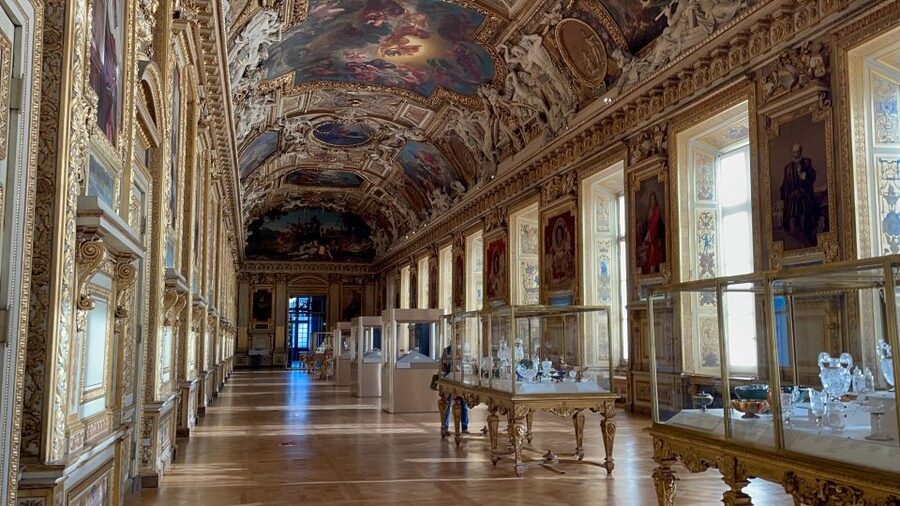
- First access through express security, then straight to Mona Lisa with fewer people nearby
- Small semi-private group limited to 6, which usually means more room to look closely
- Mona Lisa focus first, with context and stories before you wander off
- Major highlight pair included in the highlights list: Venus de Milo and Winged Victory of Samothrace
- A guided circuit, then free time, so you can match the rest of your visit to your interests
First Stop: The Louvre Pyramid and Getting Oriented
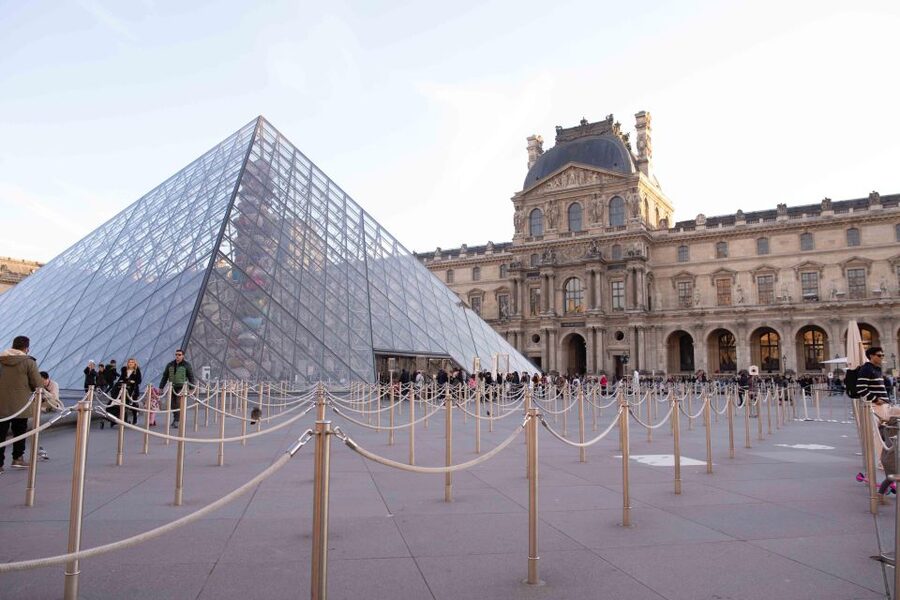
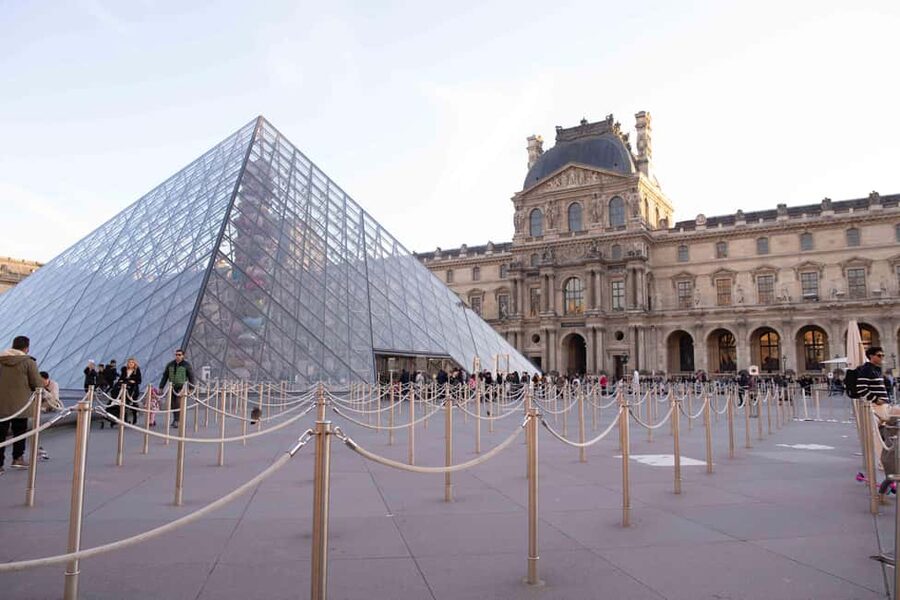
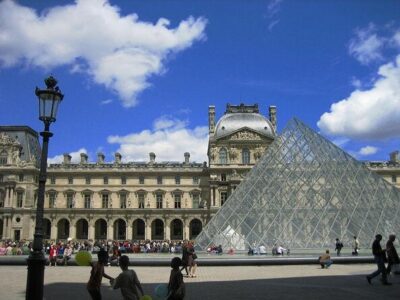
Your tour starts at the Louvre Pyramid area, at the statue with horse Louis XIV, right in front of the glass pyramid. You’ll look for your guide holding a LivTours sign. There’s also a quick photo stop at the Pyramid, which is a nice moment to anchor yourself, because once you step inside, the Louvre’s scale can make your brain go quiet.
This is a practical first choice for one main reason: it gets you inside with a plan. The Louvre is famous, but it’s also confusing. With a guided route that starts with your priorities, you won’t spend your energy figuring out where to begin, then realize you’ve already missed the one thing you actually came for.
Arriving a little early helps. One early-slot experience described waiting in line before the official opening time, even though the group met earlier. So think of the “first viewing” angle as first access through security and early entry routing, not a guarantee that you will never wait.
You can also read our reviews of more private tours in Paris



The Mona Lisa Moment: Close View, Better Stories
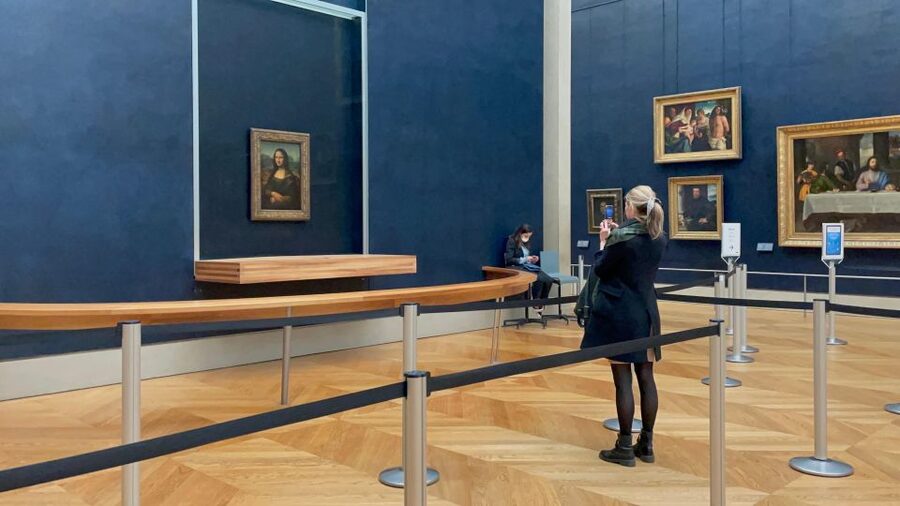
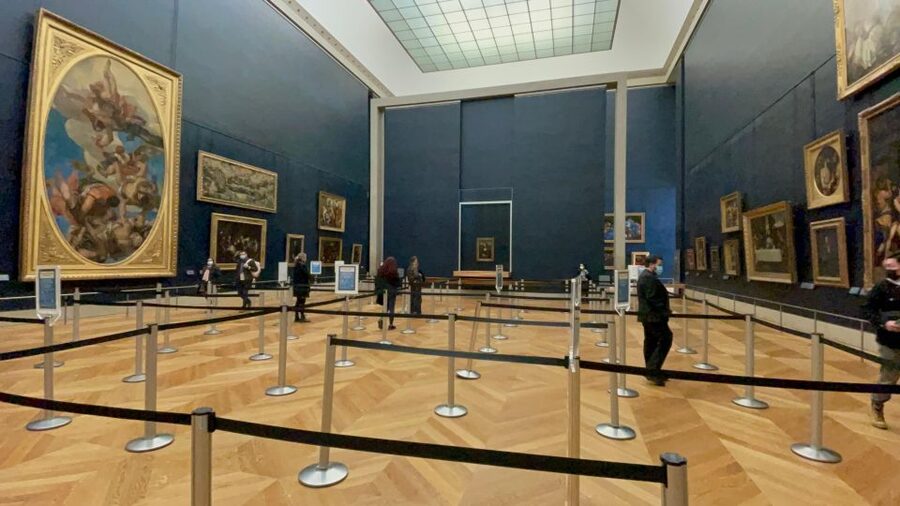
The headline here is clear: you go to the Mona Lisa first. The goal is to see it before the biggest crowd momentum builds, so the experience feels quieter and more focused. That changes the whole vibe. When you reach her early, you’re more likely to slow down and actually look, instead of doing the Louvre equivalent of a quick drive-by.
What I like about the guide-led approach is that the tour isn’t just about finding the painting, it’s about understanding what you’re looking at. The guide shares stories and anecdotes about the Mona Lisa’s past, and that context matters because this painting can feel strangely untouchable when you only see it from the edge of a crowd. With a guide guiding your attention, you stand in the right place, at the right time, and you’re less likely to feel like you’ve missed the point.
A small-group format also helps with the viewing itself. In a group of up to 6, you’re less likely to have ten people shoulder-to-shoulder. That can make the difference between seeing her in a blur and actually noticing details while the guide explains what to pay attention to.
The One-Hour Guided Walk: How the Louvre Stops Make Sense
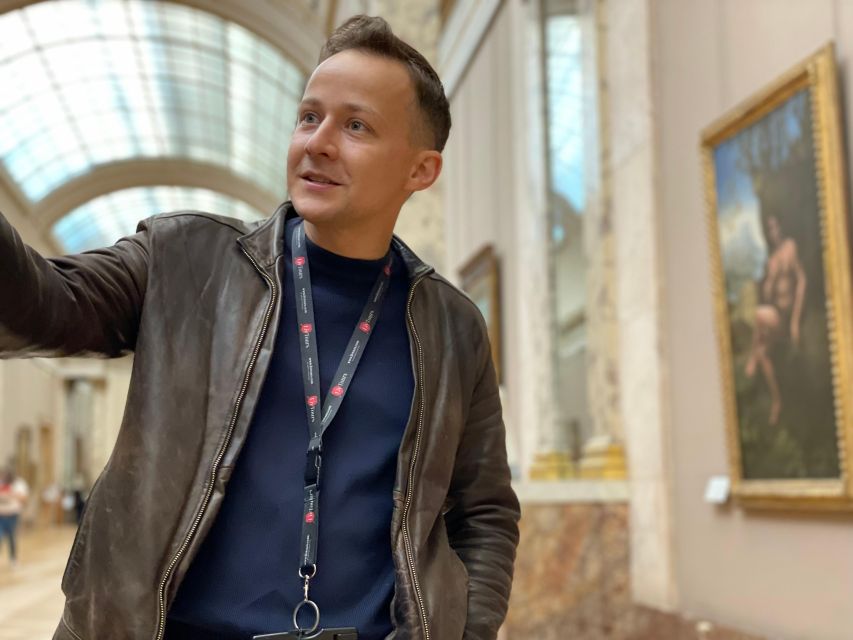
After the Mona Lisa segment, the tour becomes a guided circuit. Your guide escorts you back through the Louvre and hits key “must see” works you might not catch if you wandered on your own.
This is where a guided plan becomes practical. The Louvre has countless rooms, and without a strategy, you can lose an entire chunk of time moving between far-apart wings. A good guide compresses the logic for you. You’re not just collecting photos, you’re building a map in your mind: what to look for, why it matters, and how the museum is organized around masterpieces.
You get about one hour of guided time during this structured route. That means you should treat the tour like a fast, high-impact introduction. If you try to do the entire Louvre in one day, you’ll feel torn. If you use this as your orientation, it sets you up to enjoy the rest at a calmer pace after the guided portion.
One caution from a single experience: the guide reportedly focused on Mona Lisa and four major works, but didn’t cover Venus de Milo as expected. That doesn’t mean the tour never includes it, especially since Venus de Milo is part of the highlights list. It does mean you should keep your personal priorities in mind and pay attention to what your guide is actually covering as you go.
Venus de Milo and Winged Victory: The Highlights That Shape the Visit
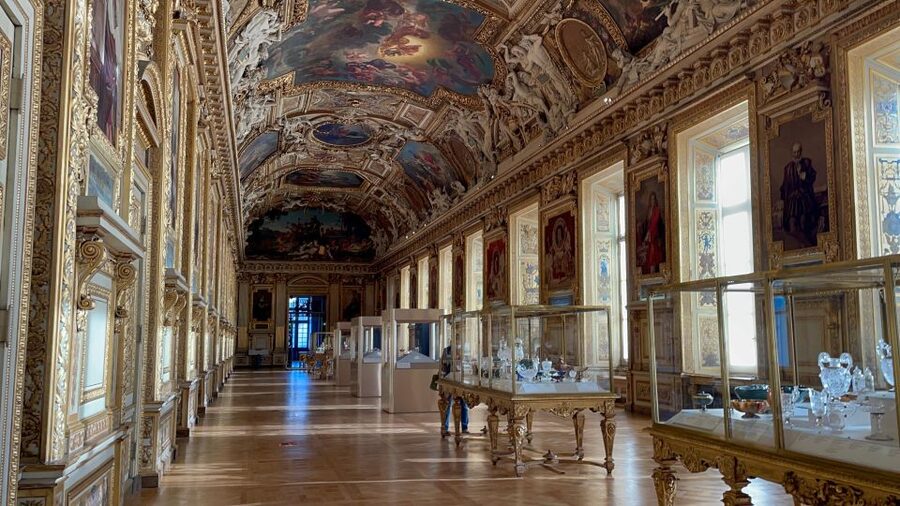
The tour’s highlights include two world-famous sculptures: Venus de Milo and Winged Victory of Samothrace. Seeing these works is a big reason many people come, and they also change how you experience the Louvre.
Here’s why those two matter in a real-world way. They give you a contrast in scale and mood. One brings you to a classical goddess presence, the other delivers a sense of motion and drama. When your route includes both, you get a more balanced sense of what the museum is doing, not just what it’s famous for.
Even if your exact order shifts, the big value is that a guide helps you find them efficiently and explains what to look for when you’re standing in front of the sculptures. In a museum with so many rooms, that efficiency is often more important than the specific minute-by-minute promise.
The Pyramid Photo Stop: Small Moment, Useful Reset
The tour includes a photo stop at the Louvre Pyramid before you head in. It sounds small, but it helps you in two ways.
First, it gives you a quick “before” image with the iconic setting, which you can later use to orient yourself mentally. Second, it breaks the tension of rushing into a massive museum. You get a moment of pause right at the start, then you switch gears into the guided route.
You can also read our reviews of more museum experiences in Paris




Free Time After the Tour: Use It to Match Your Interests
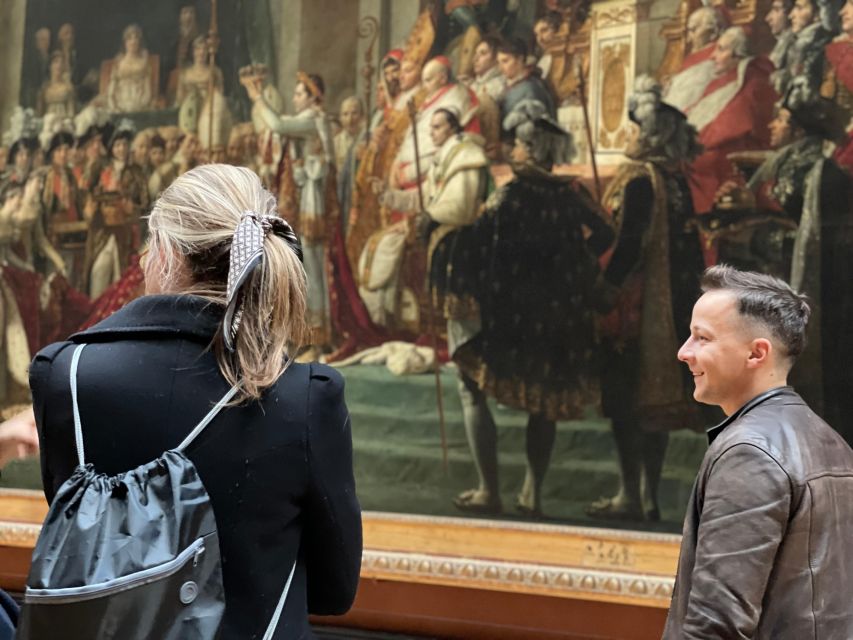
After the guided portion, you’re free to stay inside and explore at your own pace. This is one of the smartest parts of the format. You get structure at the start, then you keep control of the rest.
I recommend using your free time strategically. Don’t try to “finish” the Louvre. Instead, pick one or two directions based on what the guide sparked.
- If you loved sculpture, aim to circle back to other major statues you noticed on the route.
- If paintings are your thing, you’ll be better at spotting the rooms that feel like they match your mood.
- If you feel overwhelmed, use the free time as recovery. Sit, look slowly, and let the museum sink in.
Also, if Venus de Milo or another specific highlight is a top priority for you, the free time after the tour is your chance to reconnect with it if your guided route didn’t hit it as you expected. That flexibility can make a semi-private tour feel more forgiving than a fixed, rushed schedule.
Small Group Size: The Difference Between Seeing and Sprinting
Max 6 people is the big selling point. In practice, it means you’re less likely to feel trapped behind a crowd while you listen. It also tends to make the guide experience more interactive, because the group isn’t so large that you become background noise.
One more practical benefit: with fewer people, the walking pace can feel more manageable. The Louvre is a lot of floors, turns, and sightlines. When the group is larger, you spend energy just following. When the group is smaller, you can spend more energy actually looking.
That said, even small groups can’t control how your timing interacts with the museum’s entry flow. One early-session account mentioned waiting before doors opened at 9am. So keep expectations grounded: this tour is designed to reduce crowd pain, not erase it.
Price and Value: What $175 Buys You (And What It Doesn’t)
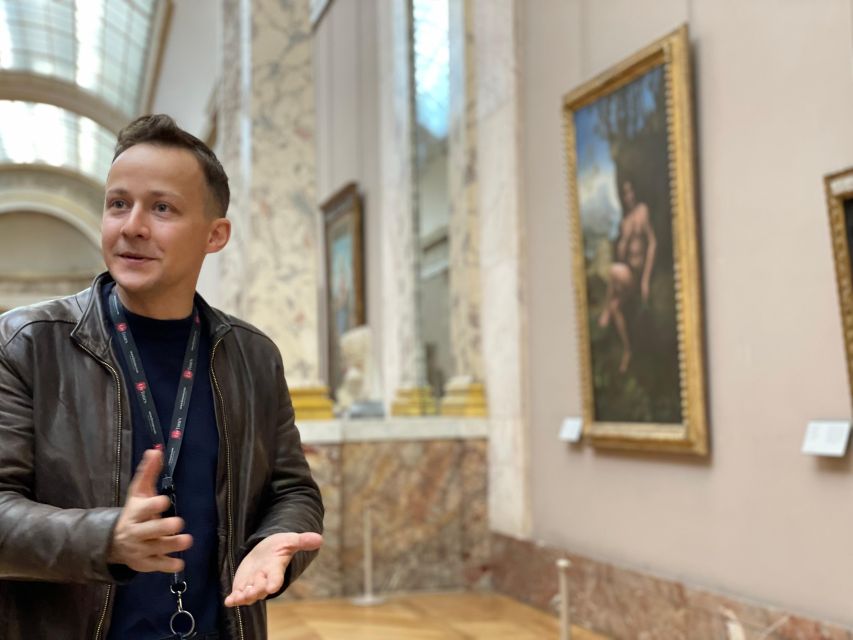
At $175 per person for a 90-minute experience, this tour sits in the higher end of Louvre offerings. The real question is what you’re buying for that cost.
You’re paying for three things:
- Early access and routing so you can go straight to Mona Lisa
- A small group cap that makes the visit easier to manage
- An expert guide-led focus that turns “I saw it” into “I understood what I saw”
If you’re the kind of person who wants to plan, get your bearings fast, and avoid wasting time in the wrong wings, that value tends to land well. If you’re the kind of person who wants to roam with no structure at all, you might feel like you’re paying to check a box.
Also, reviews show guide quality can vary by person. Antonio and Antoine were praised for being engaging, and Ramona received both praise and criticism in different ways, including comments about pace and English clarity. You can’t control who you’ll get, but you can control how you show up. Come with a short list of what matters most to you, and use your guide as the tool to reach those spots efficiently.
Who Should Book This First Viewing Tour
I’d point this tour toward travelers who want:
- Mona Lisa first, with less crowding pressure
- A visit that doesn’t feel like a sprint through an endless museum
- A mix of guided highlights and time to explore on your own after
It may be less ideal if:
- You’re extremely flexible and enjoy figuring everything out solo, with no need for a route
- Your main goal is to see a long list of works in one go, because 90 minutes plus free time is still not the full Louvre experience
It’s also a strong choice for families who want a structured start, since one experience highlighted that the guide’s humor made learning easier for kids.
Practical Tips for Getting the Most From Your Time
A few on-the-ground moves make a big difference with the Louvre.
- Arrive at your meeting point early and double-check you’re under the right Louis XIV equestrian statue area near the Pyramid glass pyramid.
- Before you go, pick your “must see” list. If Venus de Milo is on it, treat that as a priority to mention to your guide during the route.
- Plan to use your free time for follow-ups, not for attempting everything. One or two additional rooms can feel more satisfying than ten quick stops.
And if your morning starts earlier than opening, stay calm about the early queue. The tour can still feel worth it, because once you’re moving inside, you’re using that early window to focus on the works you care about.
Should You Book This First Viewing Tour?
If your priority is seeing the Mona Lisa in a more peaceful, guided way and you want a clear route through major highlights, I’d say yes. The combination of first access, a small group, and the guide’s storytelling is exactly what turns the Louvre from chaos into a memorable plan.
If you’re sensitive to schedule uncertainty or you expect every named highlight to be guaranteed in every version of the route, I’d book with your eyes open. One experience noted missing Venus de Milo coverage during the guided portion, so build in a fallback by using your free time after the tour to check it for yourself.
Overall, this is a good value when you treat it as the smart start to your Louvre day, not the entire day itself.
FAQ
Where is the meeting point for the tour?
You meet under the statue with horse Louis XIV in front of the glass pyramid at the Louvre. Your guide will be holding a LivTours sign.
How long is the tour?
The tour duration is 90 minutes.
How many people are in the group?
The tour is a small group limited to a maximum of 6 participants.
Does the tour include first access to the Louvre?
Yes. The experience includes first access into the Louvre and it also includes skipping the express security check.
What is the main focus at the start of the tour?
You head straight to Leonardo da Vinci’s Mona Lisa for an early viewing before the main crowds.
What other highlights are included?
The tour highlights include Venus de Milo and Winged Victory of Samothrace, along with the Mona Lisa.
Is there time to explore the museum after the guided portion?
Yes. After the tour, you can stay inside the Louvre and explore at your own pace.
Is the tour guided, and what language is it in?
Yes, it is led by a live English guide.
Do you need to provide full names in advance?
Yes. Full names of each participant are required.
What flexibility do I have if my plans change?
The experience offers free cancellation up to 24 hours in advance for a full refund, and it also offers reserve now & pay later.
More Museum Experiences in Paris


More Private Tours in Paris



More Tour Reviews in Paris




Not for you? Here's more nearby things to do in Paris we have reviewed










Louvre Museum Tours, side by side.
 ★ 4.6Louvre Museum Timed-Entrance TicketTickets from $2671,977 guest reviews
 ★ 4.3Louvre Guided Tour with Reserved Access & Boat CruiseTickets from $8116,353 guest reviews
 ★ 4.5Louvre Museum Masterpieces Guided Tour with AccessTickets from $8612,023 guest reviews
 ★ 4.6Louvre Museum Entry Ticket With Host and River CruiseTickets from $1009,926 guest reviews
 ★ 4.1Priority Access Louvre with Host -Direct to Mona LisaTickets from $748,387 guest reviews
 ★ 4.6Mona Lisa & Louvre Masterpieces Tour with Reserved AccessTickets from $806,812 guest reviews
 ★ 5.0Louvre Museum – Exclusive Guided Tour (Entry Included)Tickets from $1816,296 guest reviews
 ★ 4.0Louvre Reserved Ticket and River Cruise ComboTickets from $376,054 guest reviews
This tour also belongs to