
Review · LOUVRE MUSEUM TOURS
Paris : Late Night Louvre Tiny Group Tour
Louvre at night feels like a secret. In a small group of 6, guided by an English art historian, you get a calmer run at the museum’s biggest hits, and your guide hands you the tickets so you do not wrestle with logistics. The only real downside is the tour is just two hours, so you will likely want to come back for your personal favorites.
I like that the focus stays on the works that most people line up to see, including the Mona Lisa, Venus de Milo, and the Winged Victory of Samothrace, while also steering you toward major collections like Egyptian Antiquities and Greek and Roman Sculptures. You should also know this is a route that prioritizes highlights, so it is not a slow, museum-at-your-own-pace day.
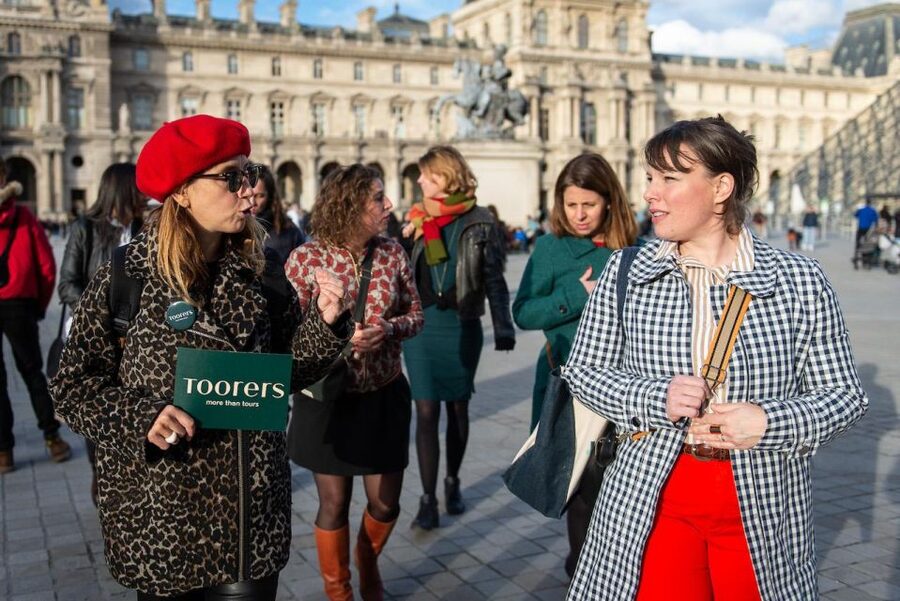
Meet your guide at Le Kiosque des Noctambules, the bright metro kiosk near Place Colette. The station is Palais Royal-Musée du Louvre on metro lines 1 and 7, and you exit at N. 5, Place Colette – Théâtres, then look for a badge with the Toorers logo.
Key things I’d book this for
- Up to 6 people means you can actually hear the explanations and keep moving.
- English art historian guide gives context to the big names, not just a pointing show.
- Tickets included and handed to you so you avoid last-minute stress.
- A best-route plan designed to help you see more in less time.
- Late evening calmer mood makes a world-famous museum feel more human.
What makes the late-night Louvre work so well

The Louvre can feel like a controlled chaos machine. Even if you show up early, you still get crowds, noise, and that constant question in your head: Am I seeing the thing I came for, or am I just walking?
This late-night setup helps because it changes your rhythm. You are touring in an evening window that is geared toward calm rather than peak rush. That matters, because the Louvre is not just a list of paintings. It is a huge building packed with thousands of objects, and your experience depends on how you move through it.
Here, you are not expected to figure it all out alone. You get an expert art historian who sets a smart itinerary, so you can spend your energy on looking closely instead of constantly checking maps or making last-minute route changes. And because the group is limited to 6, the guide can keep things lively without turning into a “herding cats” situation.
You can also read our reviews of more evening experiences in Paris



Your guide, your pace, and why the group size matters
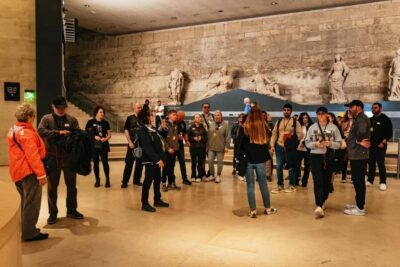
This is a semi-private style tour. With a maximum group size of 6, you get something that is hard to buy with a regular ticket: conversation-shaped learning.
Here is what that looks like in practice. When the guide points out a detail, you can actually see it. When you have a question about style, period, or why a particular piece matters, you are not shouting into a crowd. The tour reviews also reflect the same theme: a guide who is friendly, very competent, and able to optimize the time so you hit the highlights effectively.
Think of it like this. If you go on your own, you either rush or you stall. On this tour, you are getting a timed plan that still leaves room for seeing. The guide even handles your tickets, which is a small thing, but it prevents that annoying start-and-stop feeling.
Where you meet: Le Kiosque des Noctambules and the exact station exit

Good tours start with easy beginnings. This one does.
You meet at Le Kiosque des Noctambules, a brightly colored metro station kiosk on the edge of Place Colette. The matching metro station is Palais Royal-Musée du Louvre, served by metro lines 1 and 7. Use Exit N. 5 with the direction Place Colette – Théâtres.
Then, look for your guide wearing a special badge with the Toorers logo. It is designed so you do not have to play guessing games when you get there.
If you are arriving late or stressed, give yourself a little buffer. In a two-hour tour, a missed meeting point becomes a bigger problem than it should be. Plan to arrive a few minutes early, then focus on settling in.
What you actually see at the Louvre, in plain terms
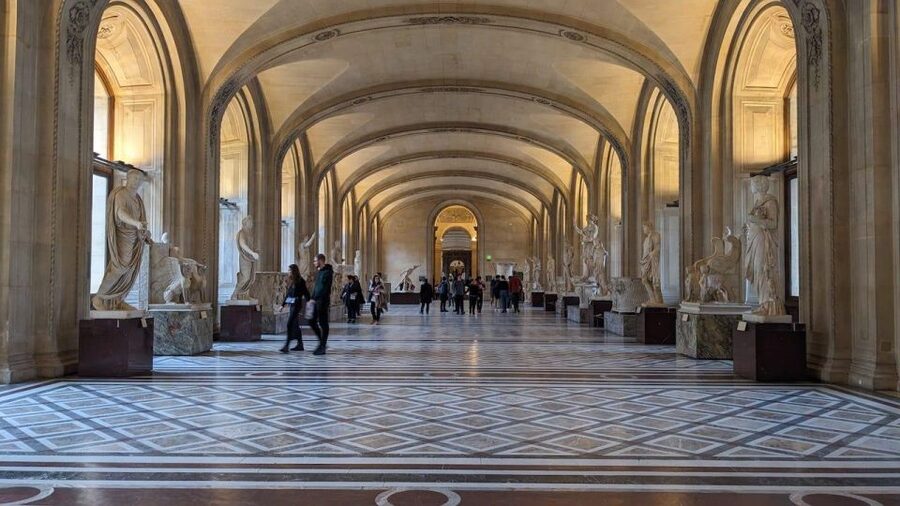
The Louvre is so big that most first-timers need anchors, otherwise you just drift through rooms. This tour is built around those anchors and the major collections people want to understand.
You can expect to see a mix of:
- Iconic masterpieces that define the Louvre for most visitors
- Major ancient collections that show how Greek, Roman, and Egyptian civilizations left their mark
- Additional big-ticket areas that help you connect painting and sculpture across time
The exact order can depend on the flow of the museum and the late-evening schedule, but the key takeaway is that the guide takes you to the works that visitors commonly travel for, then uses the route to keep you efficient.
Mona Lisa, Venus de Milo, and the big sculpture stops
You are set up to see well-known standouts like:
- Mona Lisa
- Venus de Milo
- Winged Victory of Samothrace
These works draw crowds for a reason. What the guide helps with is what to do once you reach them. Instead of just looking for “the famous face,” you get cues that help you notice things like proportion, pose, and artistic choices that make these pieces iconic.
A practical tip here: at the Louvre, looking too fast ruins the payoff. This tour helps you slow down in a managed way. You get just enough explanation to deepen what you see, without turning the viewing time into a lecture.





Egyptian Antiquities and Greek and Roman Sculptures
One of the best values of a guided highlights tour is that it does not stop at the painting legends. You also get ancient collections, including:
- Egyptian Antiquities
- Greek and Roman Sculptures
These sections matter because they show different artistic goals. Egyptian art often emphasizes formality and symbolic clarity. Greek and Roman sculpture tends to emphasize anatomy, posture, and the drama of a moment.
When you see these in the same guided experience as the famous Renaissance and later works, you start to understand the Louvre as a story across civilizations, not just a catalog of masterpieces. That is where a guide pays off. Your eyes can handle the objects. Your understanding grows from having a human connect the dots.
Napoleon III Apartments and Italian Renaissance painting details
Depending on how the route works out, you may also view the Napoleon III Apartments and Italian Renaissance painting details.
Why does this matter? Because a huge museum can be tempting to treat like a photo scavenger hunt. The apartments and Renaissance rooms give you a different kind of context: not only art objects, but the setting, the style of presentation, and the way taste and power shaped what got collected and displayed.
Even if you are not a hardcore art person, this helps you feel the Louvre as more than a warehouse of paintings. It becomes a living museum experience, even in a condensed two-hour window.
How the best-route plan changes your two hours
A two-hour Louvre tour is not about seeing everything. It is about seeing the right things and understanding why they matter.
This experience includes the best route and itinerary to see the must-see artworks. That is the real value for most people, because the Louvre’s scale can defeat even motivated planners. You spend less time wandering, and more time landing at the works your ticket bought.
The reviews back up this practical strength. The guide is described as super competent and able to optimize the time to take you to the highlights. That is what you want at a “late night” slot. You want momentum, not a tour that burns half the time trying to figure out where you are.
If you love structure, this will feel like a relief. If you hate structure, you still might enjoy it because the guide’s route lets you taste a lot without committing to a full day.
Tickets handled for you, and why that is more than convenience
This tour includes entrance tickets, and your guide hands them to you. It also skips the ticket line.
Those details sound like logistics, but they affect your mood. At the Louvre, “one small line” can turn into 30 minutes of standing around. Then you walk in already annoyed, tired, and slightly behind.
Here, you reduce friction right at the start. You meet the guide, get the tickets in hand, and move into the museum experience. The tour is only two hours long, so keeping your time protected is a real part of the value.
The late-evening setting: what it feels like
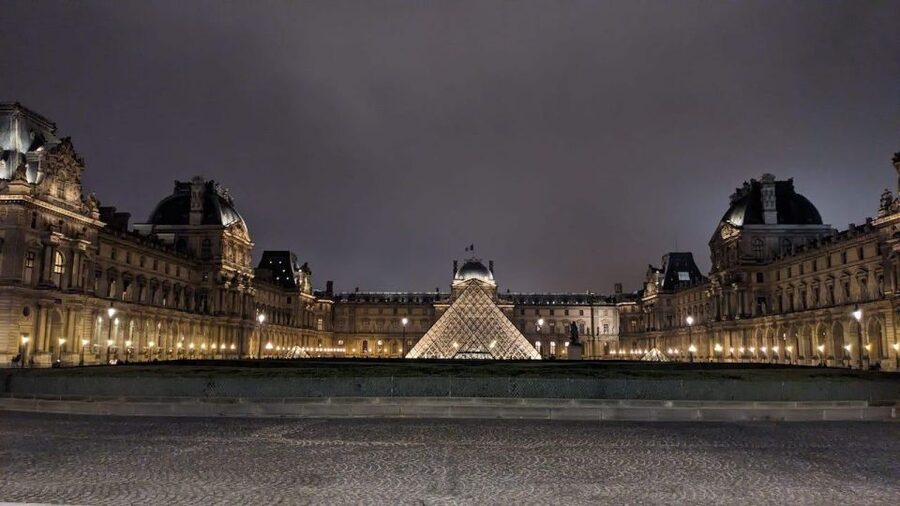
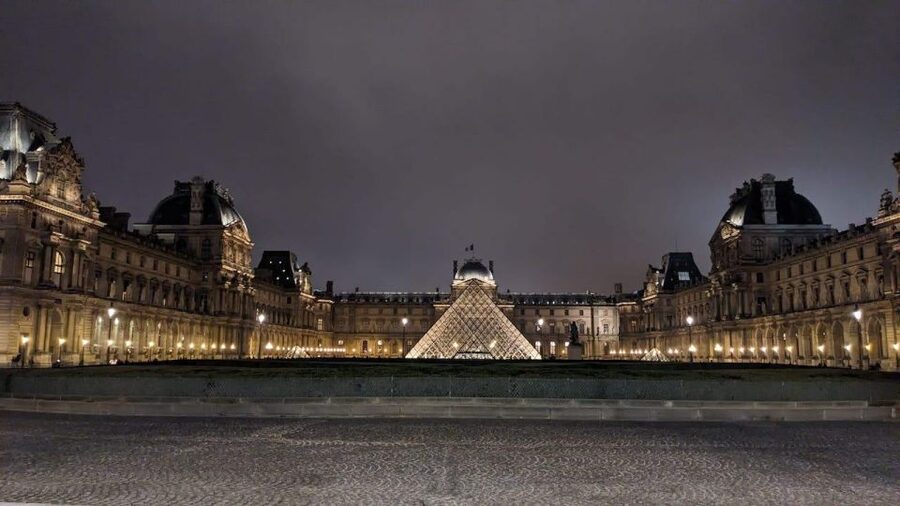
Late-night tours are not just “same museum, later.” The vibe changes.
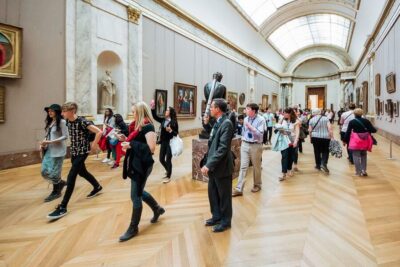
Even without getting too technical, you can expect a calmer atmosphere compared with peak daytime crowding. That matters because most of the Louvre’s biggest works are crowd magnets. If you can see them without shoulder-to-shoulder pressure, you get a better look and you can actually absorb what the guide is saying.
It also helps with the storytelling. When the space feels less frantic, you can connect the object to the explanation instead of only catching fragments.
If you are traveling with limited time, this is also a smart way to use your evening. You do not waste your afternoon wrestling with ticket logistics or trying to cram too much into daylight.
Who this tour suits best (and who might want something else)
This tour is a strong match if:
- You are short on time but want the major masterpieces and key ancient collections
- You like learning from an art historian, even at a highlights pace
- You want a small group experience with room to hear and ask questions
- You prefer the Louvre to feel calmer and more manageable than the usual crowds
You might consider a different style of tour if:
- You want to explore at a slow pace with zero structure
- You are aiming to see every single department or niche interest
- You plan to do a long afternoon of independent Louvre wandering before the tour, because you may end up with overlaps and fatigue
For many first-timers, this is the sweet spot: a guided “greatest hits” tour with enough context to feel meaningful, plus a smaller group that makes it more personal.
Price and value: is $181 per person fair?
At $181 per person for a two-hour experience, you are paying for three things: expert guidance, a small group, and ticket handling that saves time.
If you were to self-tour the Louvre, you would pay for admission anyway, but you would not get the same route intelligence, the art historian context, or the time savings from a planned highlight path. You also would likely lose time figuring out where to go next, especially in a massive museum where “just follow the signs” quickly turns into walking in circles.
The best way to think about value is this: you buy protected time and better looking. Late-night calm plus fewer people plus skipping the ticket line means your time inside the Louvre becomes the product.
So yes, it can feel pricey for a short tour. But for the combination of small-group experience, English live guidance, and included tickets with minimal stress, it is a reasonable spend if you want maximum payoff without dedicating an entire day.
Should you book this late-night Louvre tour?
Book it if you want a high-impact Louvre experience with less crowd pressure, and you like learning that makes famous art feel more understandable. The small group limit to 6, the English art historian, and the fact that tickets are included and handed to you are the practical reasons this tour works.
Skip it if you want a free-form, slow museum day. This is a highlights-first route with an organized pace. It is not meant to replace deep independent exploration. But for most people, especially first-timers, it gives you the Louvre’s core stories fast, calmly, and with better context than you will get walking alone.
FAQ
FAQ
How long is the Paris late night Louvre tiny group tour?
It lasts 2 hours.
What is the group size limit?
The tour is a small group with a maximum of 6 participants.
Are entrance tickets included, and do you skip the ticket line?
Yes. Entrance tickets are included, and the tour offers skip-the-ticket-line access.
Where do I meet the guide?
Meet at Le Kiosque des Noctambules, near Place Colette. The nearby metro station is Palais Royal-Musée du Louvre (lines 1 and 7). Use Exit N. 5 toward Place Colette – Théâtres. Your guide will be wearing a Toorers logo badge.
Is the tour in English, and is it wheelchair accessible?
The tour is in English, and it is wheelchair accessible.
What is the cancellation policy?
You can cancel up to 24 hours in advance for a full refund.
Can I reserve now and pay later?
Yes, you can reserve now and pay later.
More Evening Experiences in Paris



More Tours in Paris





More Tour Reviews in Paris



Not for you? Here's more nearby things to do in Paris we have reviewed












Louvre Museum Tours, side by side.
 ★ 4.6Louvre Museum Timed-Entrance TicketTickets from $2671,977 guest reviews
 ★ 4.3Louvre Guided Tour with Reserved Access & Boat CruiseTickets from $8116,353 guest reviews
 ★ 4.5Louvre Museum Masterpieces Guided Tour with AccessTickets from $8612,023 guest reviews
 ★ 4.6Louvre Museum Entry Ticket With Host and River CruiseTickets from $1009,926 guest reviews
 ★ 4.1Priority Access Louvre with Host -Direct to Mona LisaTickets from $748,387 guest reviews
 ★ 4.6Mona Lisa & Louvre Masterpieces Tour with Reserved AccessTickets from $806,812 guest reviews
 ★ 5.0Louvre Museum – Exclusive Guided Tour (Entry Included)Tickets from $1816,296 guest reviews
 ★ 4.0Louvre Reserved Ticket and River Cruise ComboTickets from $376,054 guest reviews
This tour also belongs to