
Review · LOUVRE MUSEUM TOURS
Paris: Guided Louvre Museum Tour with Optional Entry Ticket
The Louvre gets easier with the right plan. This guided visit is all about skip-the-line entry and hitting the museum’s biggest highlights fast, with guides like Elizabeth and Ahmed setting the tone from the first minutes. You get a route that makes sense in a place that can feel endless.
I especially love how the tour balances the famous with the meaningful. You’ll see paintings like the Mona Lisa and The Wedding at Cana, then you’ll move on to standout sculpture stops such as the Nike of Samothrace and the Venus of Milo, all explained in plain language.
One thing to consider: this experience is not suitable for wheelchair users, and even with the best route, a 2 to 3 hour tour still means you will not see everything in the Louvre.
Key highlights worth your attention
- Skip-the-line entry through a separate entrance, so you can start seeing art sooner
- Small group pace that helps you actually follow the stories, not just drift through rooms
- Built-in “greatest hits” route ending at the Apollo Gallery
- Louvre context beyond the labels, including 3,000 years of art and royal power
- Optional Seine cruise discount that pairs the museum with classic Paris views
How this Louvre tour turns chaos into a smart route
The Louvre is the kind of place where you can easily spend the day walking and still feel like you saw nothing. What makes this tour work is simple: it prioritizes the rooms most people come for, then adds supporting stops so the collection feels connected instead of random.
At $128 per person for about 2 to 3 hours, you’re paying for two things: a guide who knows what to point out, and time saved by entering early and avoiding the longest waits. If you’ve ever tried to “just wing it” inside the museum, you already know the biggest cost is not money, it’s time. This tour reduces that risk.
I also like the practical design. Your guide leads you through key sections, then you’re finished with a map so you can keep exploring on your own. That matters because the Louvre rewards curiosity, once you’re oriented.
More Paris tours and experiences for the shortlist



Meeting near Louis XIV, then slipping past the longest waits
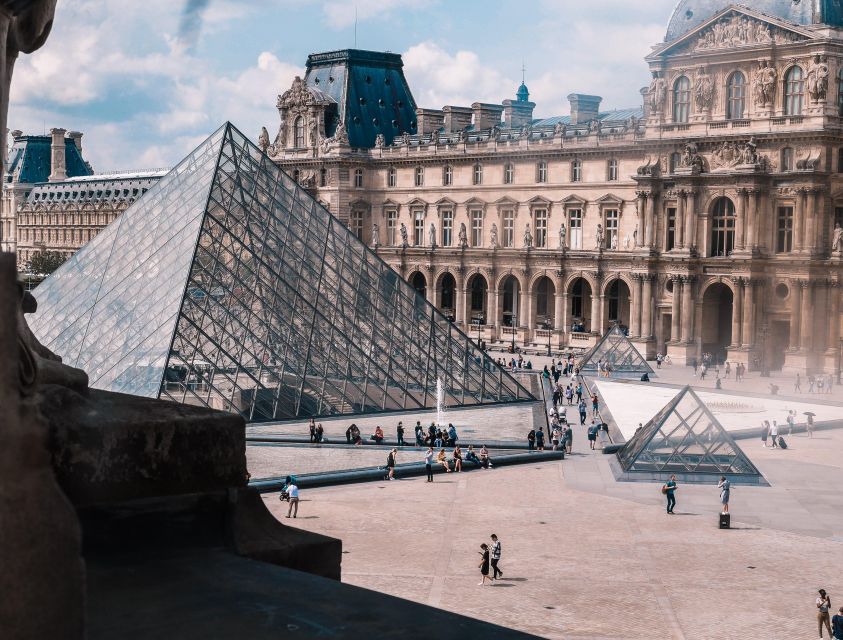
You meet your guide near the Louvre Museum, under the statue of Louis XIV. Look for a yellow sign that says My Super Tour. This location is helpful because it gives you a clear landmark when the Louvre area is full of other groups.
After you meet up, you head inside via skip-the-line entry using a separate entrance. That is the main value lever here. Even if you already bought your own ticket, you can still join the tour, and the guide can still use the early access route.
A small heads-up from real-world details: one review noted that the guide’s identification can be easy to miss at the meeting point, especially if the weather is messy. I’d follow that advice the smart way. Get there a bit early, keep your phone ready, and watch for the yellow sign.
The 2 to 3 hour plan: what you actually see
This tour is built for highlights. That’s not a knock, it’s the point. In a museum this large, trying to see everything on day one usually results in fatigue and forgetfulness.
The route follows a clear storyline:
You start with the museum itself. Your guide explains how the building began as a palace, tied to royalty and power, before it became the Louvre museum. That framing helps you understand why certain artworks feel like they’re tied to the same political world.
Then you move into the art.
You’ll visit key painting stops, followed by major sculpture highlights. Along the way, you’ll also hear about less obvious places and collections, including works connected to Napoleon and symbols of French crown power like a collection of jewels.
The tour ends at the Apollo Gallery, which is a great final anchor. Even if you plan to leave early, you’ll leave with a strong sense of where you’ve been inside this giant maze.
Painting must-sees: Mona Lisa and The Wedding at Cana
When most people think Louvre, they think paintings. This tour gives you that, and it gives you a reason to look longer than five seconds.
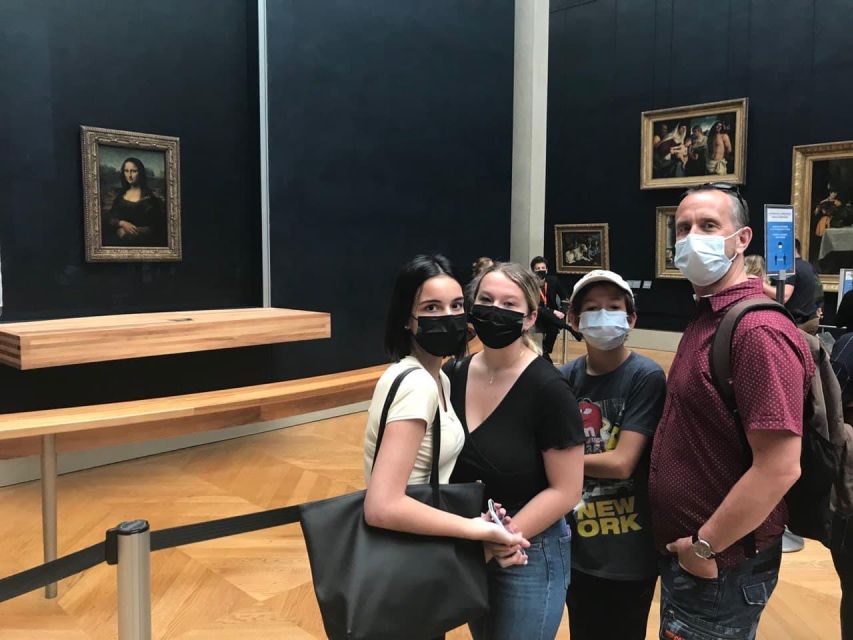
You’ll get close to the Mona Lisa. Instead of treating it like a checkbox, your guide explains what to notice and what stories sit behind the canvas. That turns the moment from I saw it into I understood it.
You also stop at The Wedding at Cana, which is often less expected by first-timers. It’s a good reminder that the Louvre’s “famous” list is bigger than one painting. The guide’s job here is to help you read the scene, and that makes a huge difference because big narrative paintings can otherwise feel flat when you’re standing under harsh museum lights.
If you like symbolism and small details, this tour leans that way. The goal is to help you notice hidden meaning and composition choices, without making it feel like homework.
Sculpture hits: Nike of Samothrace and Venus of Milo
Sculpture in the Louvre can be tricky. You might walk past statues because they don’t look like the photos you’ve already seen. This tour keeps that from happening by landing you at the pieces that deliver instantly.
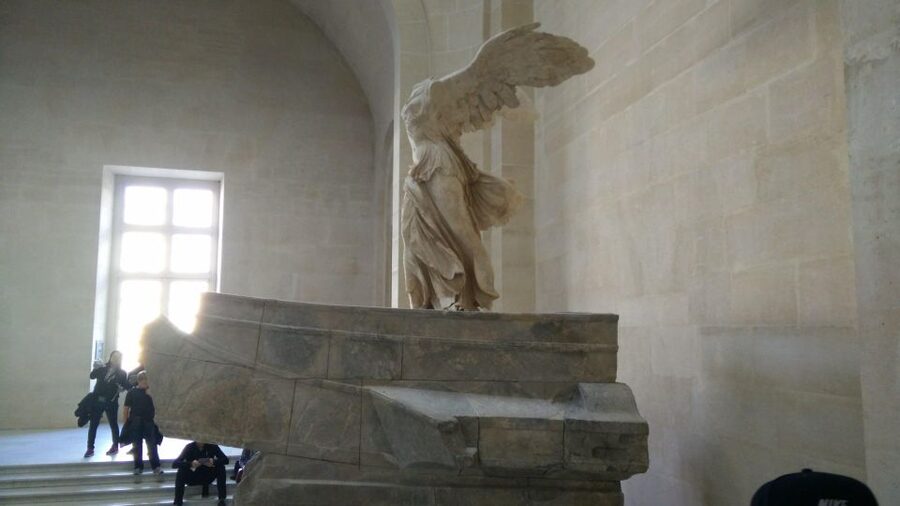
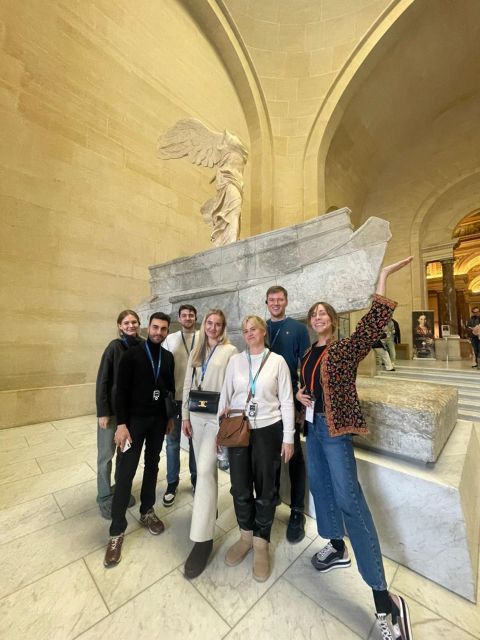
One of the headliners is the Nike of Samothrace, a masterpiece of Greek sculpture. Your guide helps you understand why it’s famous, and more importantly, how to look at it in three dimensions. That matters because the impact changes the closer you get.
You’ll also see the Venus of Milo. It’s one of the most recognizable representations of the goddess Venus, and it’s also a lesson in how a statue’s mood and stance can carry a lot even when you are not reading a story label.
The nice thing is that the tour connects these sculptures to the broader range of the museum, including classic Greek work and other periods. You end up with a more coherent view of how styles and cultures changed over time.
You can also read our reviews of more guided tours in Paris






Royal power inside the museum: Napoleon and crown jewels
This is where the tour feels more than just a highlights tour. Beyond the obvious names, you’ll hear about the Louvre as a place where power was displayed.
Your guide shows hidden places and collections, including paintings tied to wars led by Emperor Napoleon. That topic gives you a different lens: you start to see how art, politics, and national identity all overlap in royal collections.
You’ll also learn about a collection of jewels connected to the French crown. Seeing those symbols of royal authority helps explain why the Louvre has always been more than an art archive. It has roots in status, display, and legitimacy.
These parts can be a little more abstract than Mona Lisa and Nike, but that’s exactly what makes them valuable. They add depth so your visit doesn’t feel like a photo sprint.
Getting to your ending point: Apollo Gallery and then freedom
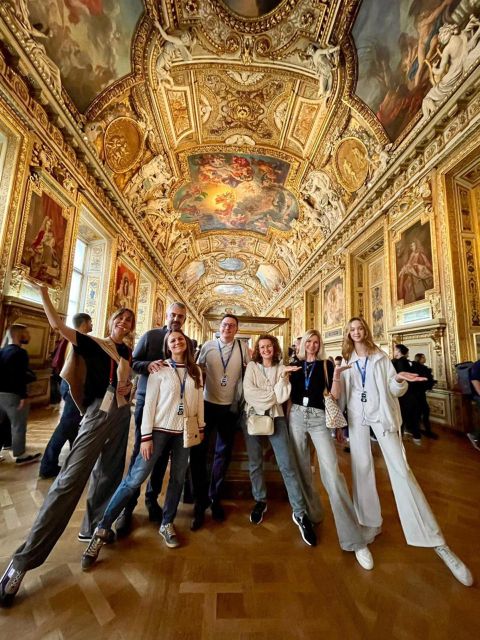
At the end, you’re led through the Apollo Gallery. Ending here is smart because it’s a dramatic anchor point. After the guided portion, you’re not stuck with a rigid program.
You’ll have time to explore the rest of the museum on your own. That works best if you use the included Louvre map to choose your next rooms. Without a plan, the Louvre can swallow your attention span. With a map and a starting direction, you can actually build on what the guide taught you.
If you want maximum value, I’d do this sequence:
1) Let the guide show you the highlights and the connections
2) Use the map to pick 1 or 2 more areas you care about
3) Slow down just enough to remember what you’ve seen
You’ll feel like you gained something, not just passed through.
How the guides shape the experience (and what you’ll notice)
Most of the best moments here come down to the guide. Across the guides mentioned, you can see a consistent theme: energy, humor, and stories that make art easier to remember.
Guides like Elizabeth and Liza are praised for being professional and energetic, with fun facts that don’t feel forced. Ahmed and Natalia are repeatedly mentioned for combining historical context with engaging delivery, so you don’t just hear what the painting is, you understand why it matters.
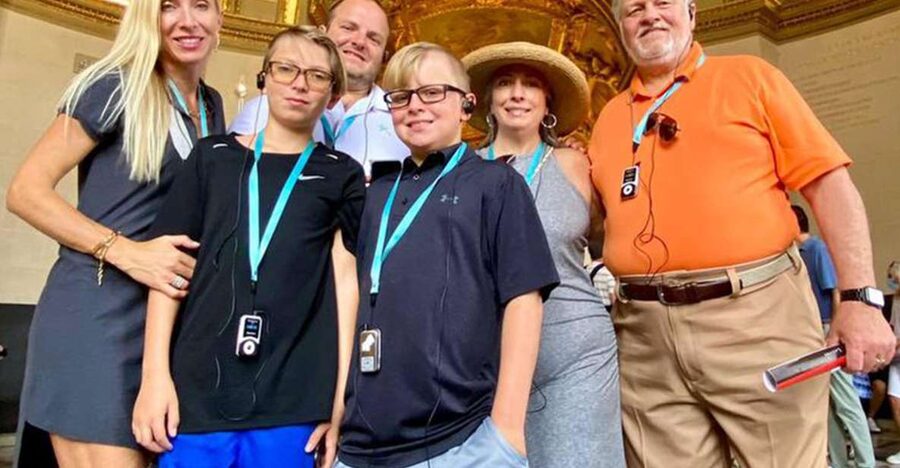
One practical detail that’s worth calling out: one guide used a headset so everyone could hear clearly in the crowd. Not every guide may use that exact setup, but if you run into a noisy session, ask your guide if they have a way to improve audio. Clear hearing is half the battle in crowded museums.
And if you care about pacing, note that multiple guides kept the tour aligned to the 2 hour plus target so the timing felt right for highlights without feeling rushed through everything.
Optional Seine cruise discount: when it’s worth adding
This tour can include an optional discounted ticket for a cruise on the River Seine. The idea is a strong pairing: museum art inside, Paris views outside.
If you add it, you can use your ticket to purchase the cruise at a discount. From the River Seine, you’ll see Paris sites from the water, including the Louvre area. That’s a great way to keep the day feeling like one theme, not two separate activities.
Is it always worth it? If you’re short on time or you want a classic Paris view without planning a separate day, yes. If you already have another river plan or you dislike cruises, you can skip this option and still get full value from the Louvre portion.
Price and value: what $128 really buys you
Let’s talk value the practical way. The Louvre is not cheap, and tickets can get complicated. This tour helps you by bundling the guide and skip-the-line entry, and in some options, it includes the entry tickets.
Key point: you don’t have to start from zero. You can join even if you already have your own ticket. Or, you can opt to have the entry ticket included in the tour price. That flexibility matters if you’re trying to match your plans to your arrival time.
So what are you paying for?
- A guide who brings structure to a giant museum
- Early entry that cuts the most painful part of the visit
- A stop sequence that covers core masterpieces, plus some smart extras
- An included map so you can keep going after the tour ends
- Optional discount toward the Seine cruise
For first-timers, that package often beats DIY, because the DIY problem is not access, it’s deciding what to see first.
For repeat visitors, it might still be useful if you like the specific set of works and enjoy guided stories. If you already know exactly what you want, you could spend your money on a longer self-guided day instead.
Who this tour is best for
This is a strong fit if:
- You’re visiting the Louvre for the first time and want the main masterpieces with context
- You hate standing in lines and want a smoother start
- You want a guided path that ends with an easy jumping-off point for self-exploration
- You like stories that connect art to people, power, and time periods
It may not be the best fit if:
- You need wheelchair accessibility, since it is not suitable for wheelchair users
- You want to see every wing and room, because 2 to 3 hours is a highlights program, not an all-day takeover
Should you book this Louvre highlight tour?
Book it if you want a structured, efficient Louvre day, with skip-the-line entry, clear stops, and a guide who can turn iconic works into stories you remember. The pricing makes sense when you value time and you want your visit to feel guided rather than chaotic.
Don’t book it if your priority is total coverage, or if your mobility needs require a wheelchair-friendly option. In that case, you’ll likely want a different format that matches your needs.
If you’re the kind of traveler who likes to see the big names and then pick a couple of extras after, this is a smart way to do your first Louvre visit without wasting your energy.
FAQ
Where do I meet the guide?
You meet near the Louvre Museum under the statue of Louis XIV. Look for a guide holding a yellow sign that says My Super Tour.
How long is the tour?
The duration is about 2 to 3 hours.
Does the tour include skip-the-line entry?
Yes. The tour includes skip-the-line entry through a separate entrance.
Can I join if I already have a Louvre ticket?
Yes. You can join even if you already have your own ticket. You can also opt to have entry tickets included in the tour price.
What languages are the guides available in?
The tour is offered with live guides in English and Russian.
What are some of the main artworks you see?
The tour highlights include paintings such as the Mona Lisa and The Wedding at Cana, and sculptures such as the Nike of Samothrace and the Venus of Milo. You also end in the Apollo Gallery.
Is there an option for a River Seine cruise?
Yes. If you choose the option, the tour includes a discount on a Seine river cruise ticket.
What should I bring?
Bring water.
Is the tour wheelchair accessible?
No. The tour is not suitable for wheelchair users.
More Tickets in Paris



More Tours in Paris




More Tour Reviews in Paris

Not for you? Here's more nearby things to do in Paris we have reviewed










Louvre Museum Tours, side by side.
 ★ 4.6Louvre Museum Timed-Entrance TicketTickets from $2671,977 guest reviews
 ★ 4.3Louvre Guided Tour with Reserved Access & Boat CruiseTickets from $8116,353 guest reviews
 ★ 4.5Louvre Museum Masterpieces Guided Tour with AccessTickets from $8612,023 guest reviews
 ★ 4.6Louvre Museum Entry Ticket With Host and River CruiseTickets from $1009,926 guest reviews
 ★ 4.1Priority Access Louvre with Host -Direct to Mona LisaTickets from $748,387 guest reviews
 ★ 4.6Mona Lisa & Louvre Masterpieces Tour with Reserved AccessTickets from $806,812 guest reviews
 ★ 5.0Louvre Museum – Exclusive Guided Tour (Entry Included)Tickets from $1816,296 guest reviews
 ★ 4.0Louvre Reserved Ticket and River Cruise ComboTickets from $376,054 guest reviews
This tour also belongs to