
Review · PARIS CITY TOURS
Paris Cooking Class: Chocolate Éclairs and Cream Puffs
Paris dessert lessons beat another museum stop. In a small group at Le Foodist, you learn classic choux pastry and make chocolate éclairs and cream puffs, guided step by step. I love that it is practical from the first minute, and that you leave with a takeaway box plus an English digital recipe copy you can use later.
This is also a focused, hands-on class, so it moves at a lively pace for about 3 hours. If you want a slow sit-and-watch experience, or you need an activity for a younger child, this setup might feel less flexible.
Key highlights you will actually care about
- Small group, max 8 people: you get individual attention when you hit a snag with dough, piping, or oven timing.
- Take-home pastries: you leave with a box holding 5 to 6 chocolate éclairs or cream puffs.
- Step-by-step coaching: from choux rise to filling technique, you get taught what to watch for and why.
- English instruction: the class is offered in English, including the recipe document you receive afterward.
- Tea or coffee included: you get to taste your work over a cup before you head out.
Le Foodist, 59 Rue du Cardinal Lemoine: your 3:00 pm starting point
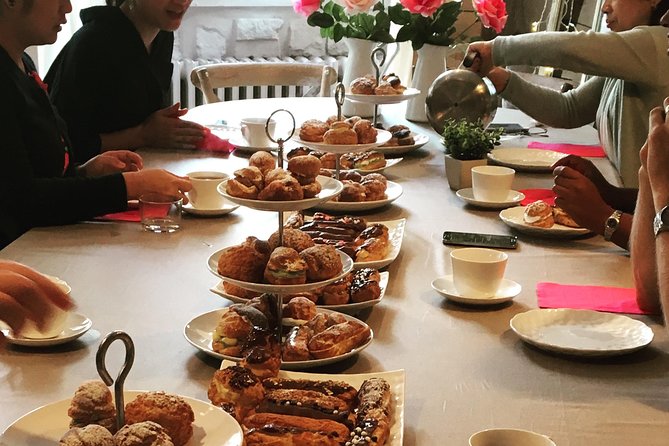
You meet at Le Foodist (59 Rue du Cardinal Lemoine, 75005 Paris), near public transportation. The class starts at 3:00 pm, and it ends back at the same meeting point, so you can plan the rest of your evening without a long commute.
This is a kitchen-centered experience, not a lecture hall. Expect a comfortable setup and everything staged so you are cooking instead of searching for tools. In the reviews, people repeatedly highlight that the kitchen feels well lit and easy to work in, which matters when you are trying to learn a technique that is a little fiddly.
You can also read our reviews of more cooking classes in Paris


What you make: chocolate éclairs plus cream puffs (and why choux is the star)
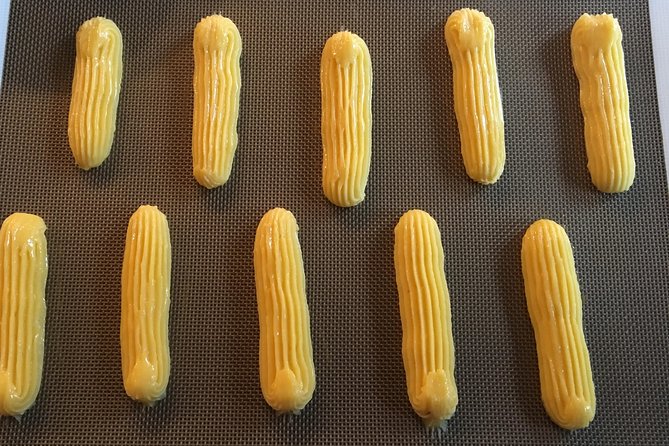
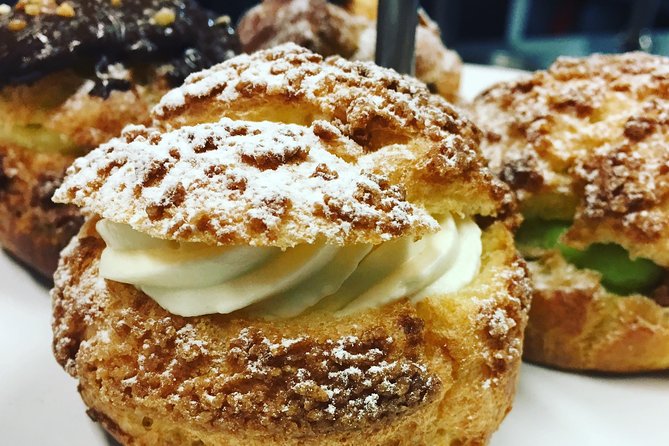
This class focuses on French pastry you can recognize right away: choux pastry turned into two shapes, chocolate éclairs and cream puffs. Choux dough is one of those things that looks simple until you make it. The magic is in the process: the dough needs the right texture, and the oven spring depends on getting the details correct.
You also work with Chantilly cream, which is the classic filling style for pastries like this. You learn the technique side, like how to pipe cream neatly and how to assemble without making a mess that looks like a pastry explosion. The payoff is that once you understand the dough and filling rhythm, you can repeat it at home.
The best part for a visitor is that the class gives you a repeatable foundation. You are not just collecting a pretty dessert. You are learning how pastry chefs think, including the small checks that influence the final outcome.
Choux pastry basics: even rise in the oven is the real lesson
The core skill is making choux pastry and getting a good rise. Your instructor walks you step by step through the process. You learn what to watch for while the dough comes together, and what you should expect as you move from mixing into shaping.
One practical note that shows up in feedback: you do not handle the hot bake trays yourself. Instead, you focus on mixing the dough and using the tools and stove setup for the steps that are yours to do. That means you are learning technique without the added pressure of managing every safety detail.
Also, the class is small, so when your dough looks slightly off or your piping line goes a bit crooked, you can correct course fast. Reviews mention that instructors keep the coaching continuous, not only at the start. That kind of feedback is how a beginner gets to an “I made that” result.
Filling with Chantilly cream: piping skill and flavor variations
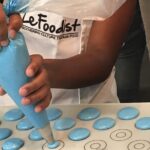
After the choux part, it shifts into filling and assembly. You learn to pipe the cream into your pastries cleanly, which is harder than it sounds when you are working with pastry shells that are already baked and set.
The class also includes different filling flavor options. In past sessions, instructors mix or portion filling flavors so different people end up with different variations. That makes the tasting more interesting and it also helps you understand how the base technique works even when flavors change.
From a comfort standpoint, this is a good place to learn, because you can practice with the group’s pace. You are not guessing how to load a piping bag. You are getting taught and then doing it while the instructor watches. If you enjoy hands-on instruction, this is one of the strongest parts of the experience.
Chocolate éclairs: how your assembly comes together
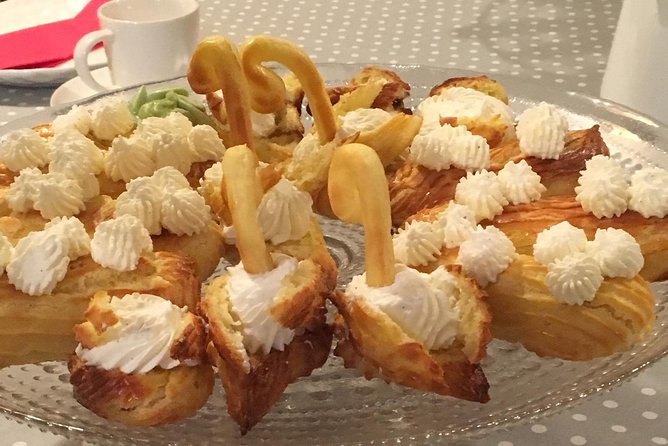
You will make chocolate éclairs, and the class includes instruction on the finishing so they actually look like éclairs, not just chocolate-topped choux.
In some sessions, the chef prepares the chocolate icing so you can focus on assembly. Even if you are not doing every single chocolate step, you still learn what matters: the balance of structure (so the shell holds up), and the way icing and filling work together.
The éclairs are also where people get excited because you get instant visual feedback. You can see the shape, the topping, and the fill. And once you pipe, fill, and finish a couple, you start to get the logic. That is when this class becomes more than “follow along.” It becomes a skill you can reuse.
More Paris tours and experiences for the shortlist





Cream puffs: round, elegant, and forgiving when you get the dough right
Cream puffs are the other half of the lesson, and they are a great counterpoint to éclairs. Round choux gives you slightly different handling and assembly. If your piping is not perfectly uniform, cream puffs often forgive you more than éclairs do, as long as the base shells are baked well.
The goal stays the same: good choux shells with enough structure to hold cream. Once those shells are right, filling and finishing becomes easier. You practice the same core skills again, which helps your learning stick.
And because the group is limited to eight people, you usually get the kind of time you need to correct small technique issues. People in feedback talk about the class being fun even when abilities vary. That is exactly what you want as a visitor: you should not need prior baking talent to enjoy the result.
Tea, tasting, and the takeaway box of 5 to 6
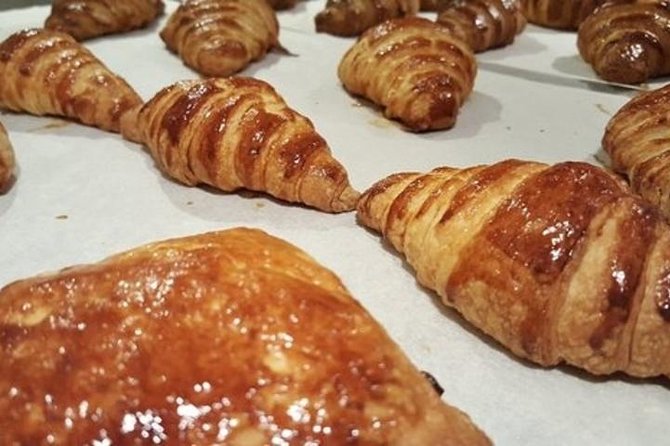
At the end, you sit down with coffee, tea, or fruit juice and taste what you made. This part matters more than it sounds. When you taste your own pastry, you learn what “good” actually tastes like, and you notice the differences between what you did well and what could be better next time.
Then you take home the remaining pastries in a box containing 5 to 6 chocolate éclairs or cream puffs. That is a nice bonus for a trip to Paris, because you get to share the results without trying to carry fragile desserts through the airport.
The tasting moment also makes it feel like a complete experience, not a rushed “leave with dough in a bag” situation.
Instructors and teaching style: humor, patience, and real coaching
The class is led by expert French pastry makers, and the teaching style shows up clearly in feedback. Instructors like Stephane, Luc, Anne, Fanny, and Amanda come through as energetic, humorous, and very hands-on.
What I like about this teaching model is the focus on the why, not only the how. People specifically call out that chefs explain each step and the key aspects that affect how the pastry turns out. That is huge, because choux pastry is sensitive. If you know what causes the rise, the shaping, and the texture, you can troubleshoot at home.
If you have ever watched someone else bake and thought, I could never do that, this kind of coaching is exactly how you get past that feeling.
Price and value: what $155.68 buys you in Paris
At $155.68 per person for about three hours, this is not the cheapest thing in Paris. But it is also not just “a tasting with a demo.” You are paying for an English class, hands-on instruction, equipment, drinks, and a take-home box of pastries, plus an electronic recipe copy.
Here is how I look at value:
- You get a skill you can repeat, not only a sugar souvenir.
- The class size is capped at eight, which means more time with the instructor.
- You leave with multiple pastries, not one small sample.
- You also get recipes in English so you do not have to translate or guess later.
If you are the type who likes cooking experiences (even as a beginner), this price can feel fair. If you only want a quick bite and you dislike kitchen work, you might decide to spend that money on a pastry crawl instead.
Who should book this class (and who might want to skip)
This class is a great fit if:
- you want a hands-on Paris activity with real instruction, not just watching
- you like classic French desserts and want to learn the technique behind them
- you are traveling with a partner or small group and want something different from sightseeing
- you have at least a little patience for fine details like piping and assembly
It is also friendly for different skill levels. Reviews mention that people with no extensive baking experience can succeed with the chef coaching every step. So you do not need to arrive with confidence in pastry making.
One consideration: the class has a minimum age of 12, and no unaccompanied children are accepted. If you are traveling with kids, you will need to plan around that.
A simple way to decide: should you book this?
If you are deciding between another crowded food stop and a class where you actually learn and take home pastries, I would lean toward booking. The combination of small-group attention, guided choux pastry technique, and a real takeaway box makes this feel like value, not just entertainment.
Book it if you want a practical souvenir that also teaches you something. Skip it only if you prefer sightseeing over hands-on cooking, or if you need a slower, less structured experience.
FAQ
How long is the Paris cooking class?
It runs for about 3 hours.
What time does it start?
The start time is 3:00 pm.
Where is the meeting point?
You meet at Le Foodist, 59 Rue du Cardinal Lemoine, 75005 Paris, France.
Is the class in English, and how big is the group?
The class is offered in English, and it has a maximum of 8 travelers.
Do I need baking experience to join?
No extensive baking experience is necessary, since the instructor guides you through the steps.
Is there an age requirement?
The minimum age is 12, and no unaccompanied children are accepted.
More Dessert Tours in Paris
More Cooking Classes in Paris
More Tour Reviews in Paris





Not for you? Here's more nearby things to do in Paris we have reviewed










Paris City Tours, side by side.
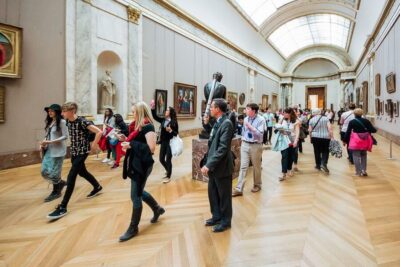 ★ 4.6Louvre Museum Timed-Entrance TicketTickets from $2671,977 guest reviews
 ★ 4.6Disneyland® Paris 1-Day TicketTickets from $6149,412 guest reviews
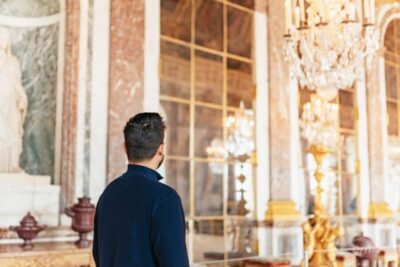 ★ 4.6Versailles Palace and Gardens Full Access TicketTickets from $1741,579 guest reviews
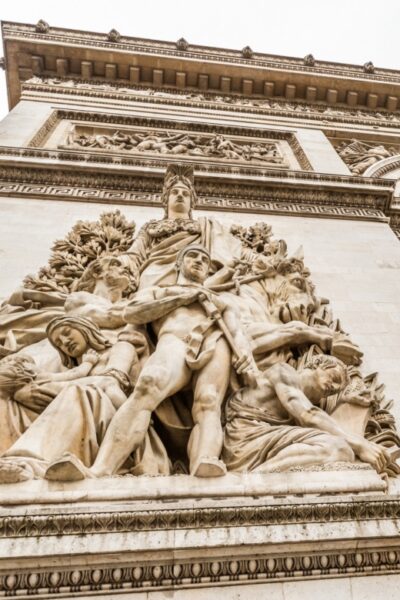 ★ 4.6Arc de Triomphe Rooftop TicketsTickets from $1834,264 guest reviews
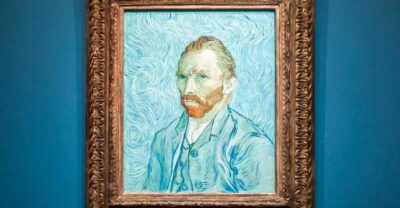 ★ 4.7Orsay Museum Entry TicketTickets from $1525,647 guest reviews
 ★ 4.4Evening River Cruise with MusicTickets from $2722,721 guest reviews
 ★ 4.4Eiffel Tower Entry Ticket with Optional Summit AccessTickets from $2920,035 guest reviews
 ★ 4.3Eiffel Tower Summit or Second Floor AccessTickets from $5917,248 guest reviews
This tour also belongs to