
Review · PARIS CITY TOURS
Paris: 2-Hour Street Art Tour
Street art in Paris is best seen up close. This 2-hour walk through Belleville turns ordinary streets into a living gallery and explains how the city’s urban art scene evolved into what you see today. I especially like how the guide connects the artwork to Parisian street art history, not just a list of names, while you’re actually standing in the neighborhoods that shaped it.
Two standout highlights for me were learning how artists like Jérôme Ménager and Space Invader became part of the city’s visual language, and getting the kind of relaxed pace where new murals can appear while you’re on the route. One thing to consider is that street art changes fast, so the quality and mix of what you spot can depend on what’s on the walls during your specific week.
Key points before you go

- Belleville, not the postcard Paris route, with small streets and a more local feel
- Street art history in context, tied to how the movement grew and spread
- Jérôme Ménager’s large-scale frescoes and why big walls matter in street art
- Space Invader mosaics and how pop-culture details read in the real city
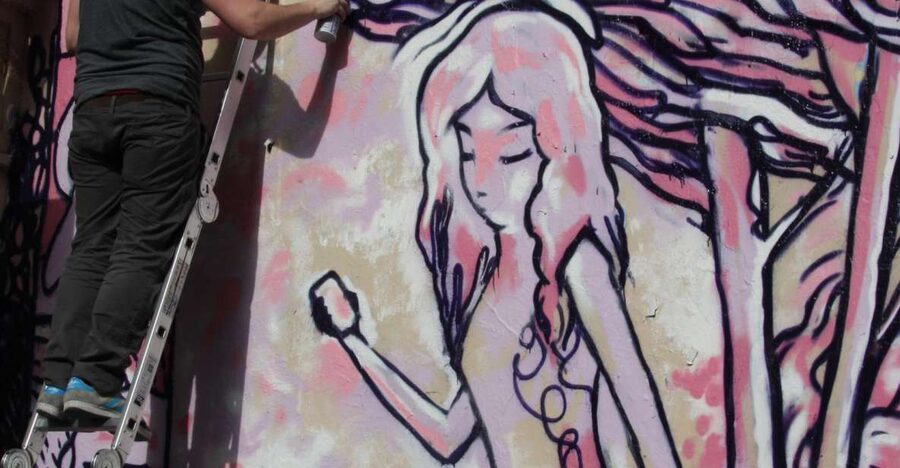
- A relaxed walk where you might even see artists working on a mural
- Small groups up to 8 people, so you can actually ask questions in English or French
Entering Belleville: the Paris that feels current
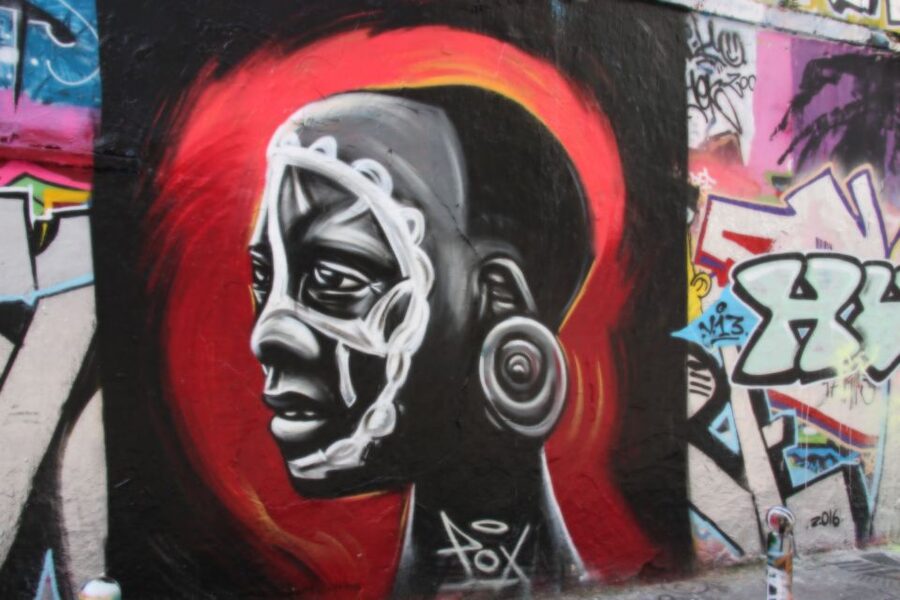
If you only know Paris as museums and monuments, Belleville is a sharp new angle. The tour focuses on a part of the city where the street art scene took off, and where the mood feels more like creative neighborhood life than curated sightseeing.
This matters because street art works differently than museum art. You don’t just look, you also notice the setting. The walls, alleys, and small streets change the way the art reads. And because pieces can be covered, removed, or replaced, you get a real sense of street art as a conversation, not a fixed display.
Belleville also has strong cultural roots. It’s tied to Edith Piaf’s early life, which gives the area a human, local story beyond just the walls. When your guide frames the neighborhood this way, the art stops feeling random. It becomes part of a bigger pattern of Parisian identity, from music to street-level creativity.
More Paris tours and experiences for the shortlist

Your two-hour route: how the walk actually moves
This is built as a 2-hour walking tour with a small group (max 8). That time window is long enough to see multiple styles, but short enough that you stay fresh. You should go in expecting a steady walking rhythm with frequent pauses, not a museum-style sit-down lecture.
You’ll also benefit from the small size. With fewer people, you’re more likely to get answers to your questions, and you won’t spend the whole tour trying to see over other heads. The guide speaks English and French, which is helpful if your group has mixed language comfort.
One practical note: there’s no hotel pickup. Plan to arrive ready to start walking from the meeting point area, and build in a little buffer so you don’t feel rushed.
Stop for the story: Edith Piaf, then street art’s rise
The tour doesn’t treat street art like a separate world. It threads the neighborhood’s past into what you’re seeing now. Belleville is described as the setting where urban art became a central force, and that framing helps you understand why certain artworks show up where they do.
When you hear about Edith Piaf’s connection to the area, it changes your mindset. You’re not just looking at murals like they’re street decorations. You’re looking at them like they’re part of a community that produces art in many forms, from performance to walls.
This section is a good moment to pay attention to what your guide emphasizes. If you’re unsure what you should be looking for, this is where you learn the guide’s lens: technique, symbolism, location, and why artists choose public walls instead of galleries.
Jérôme Ménager’s giant fresco: why scale changes everything
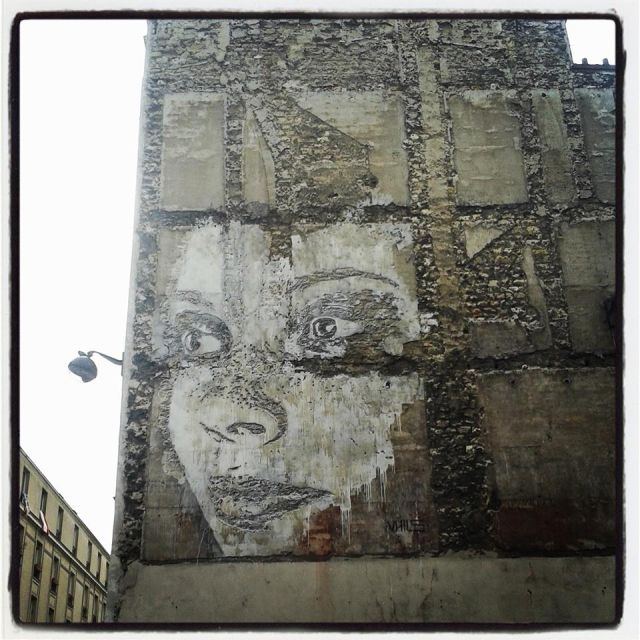
A major named highlight is a large wall fresco by Jérôme Ménager. The reason this matters is scale. Street art can be small and quick to spot, like a tag or a sticker. But a giant fresco makes you slow down, step back, and understand composition the way you would with a painting.
Big murals also act like neighborhood landmarks. Even if you don’t know the artist right away, the size communicates confidence. It signals, this piece is meant to be seen by many people, by different walks of life, at different times of day.
If you’re the type who thinks street art is just visual noise, seeing something on that scale often flips your view. You start noticing planning, color balance, and how the artwork interacts with the wall surface and the surrounding street texture.
Space Invader in the real city: pop culture turned mosaic
Another highlighted stop is Space Invader, famous for mosaic-tile creations. What I like about this kind of street art is that it’s instantly readable. You recognize the reference quickly, then you notice how the artist turns it into something grounded in place.
With Space Invader, the “pop” factor can make the art feel approachable. That’s useful on a short tour because it helps everyone connect, even if you’re not a street art expert. Then, as the guide explains, you understand what makes the work feel intentional rather than random.
I also love how this type of art teaches you to look differently. Instead of scanning for famous murals only, you begin to scan for small visual cues. That changes your whole walk through the neighborhood afterward, even if you don’t catch everything the guide points out.
More Paris tours and experiences for the shortlist





The relaxed pace, and the one constant: change
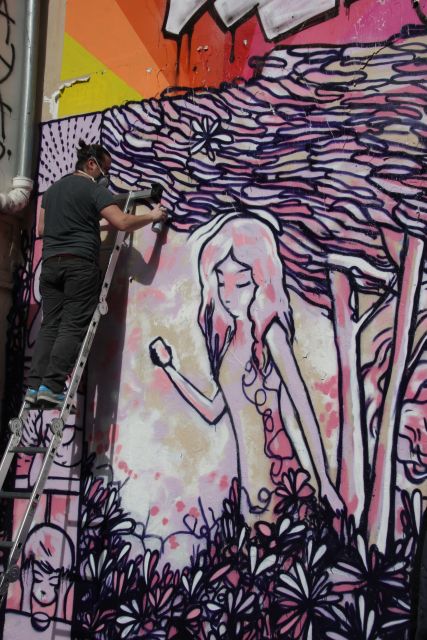
One of the best parts of this experience is how it’s described as relaxed, with an emphasis on how street art never sits still. In the real world, artwork can disappear under new colors or be replaced by something else.
This is where your expectations matter. If you want the exact same mural sequence every time, street art is not that. But if you want to understand the culture of how the scene moves, this is the point. A wall you saw last month might be completely different now.
And there’s a fun possibility here: you may even come across artists working on a new mural while you’re on the route. Even if you don’t, the guide’s focus on process, timing, and change helps you see street art as active and ongoing, not like a fixed attraction.
What you learn: street art history you can see
The tour includes history of Parisian street art, which is the difference between a nice walk and a meaningful one. A good portion of the value is that you’re not just pointed at artwork. You’re guided to understand how the movement took shape and why it matters in Paris.
In your head, you’ll likely start creating a timeline: earlier influences, the growth of the urban art movement in places like Belleville, then the mix of French and internationally known artists you encounter along the way. The tour explicitly focuses on both French and international names, which helps you see that Paris isn’t isolated. The street art scene connects across borders.
This also ties into contemporary art more broadly. One guide, Olga, was praised for going beyond street art into contemporary art context. Even if your guide is different, that kind of background is what makes the history segment feel useful, not academic.
How guide style affects your day
Because this is a small group walking tour, the guide is the main ingredient. And the guidance on offer seems to vary in what people consider “quality.”
On the positive side, the guide experience is consistently described as friendly and flexible, including adapting to questions as you walk. One person highlighted that the guide answered queries and guided the group to good viewing spots while sharing basic information clearly.
On the caution side, there’s also a critique that the tour didn’t show a lot of high-quality art. That doesn’t mean it’s always like that, but it does explain what can influence satisfaction: what’s available on the walls during your visit, and how your personal definition of quality matches what you’re seeing.
So if you’re the kind of viewer who wants famous masterpieces in every direction, you might feel like the tour is hit-or-miss. If you’re happy learning how to read street art and how the scene functions, you’ll likely enjoy it more.
Price and value: is $94 fair for two hours?
At $94 per person for a 2-hour small-group guided walk, the price sits in the “not cheap but not outlandish” category for Paris. You’re paying for a local guide, a limited group size (up to 8), and a theme that is specific rather than generic.
Here’s the value logic that helps you decide:
- If you want someone to point out what you would miss on your own, this type of tour can pay off quickly.
- If you like street art history and context, you’re paying for understanding, not only photos.
- If you go expecting wall-to-wall top-tier murals, the short duration plus street art’s changing nature might disappoint you.
One comment in the data calls it expensive for the content. That’s worth taking seriously. At the same time, other experiences rate it very highly because the guide’s knowledge and walk quality made the time feel well spent.
My practical take: book it if Belleville is already on your list, and you want a structured way to see the area. If you’re mainly sightseeing Paris highlights and only have time for one guided neighborhood walk, you’ll still likely enjoy it, but you should keep your expectations grounded in street art’s variable nature.
Where to meet, and how to make it smooth
Meeting point is 130 Boulevard de Belleville, 75020 Paris, in front of the shop called Liane. Take Metro Belleville and use exit 1 (lines M2 and M11).
Arriving a bit early helps. Two hours moves quickly when you’re new to the neighborhood, and you don’t want to stand around searching for the exact meeting spot.
Also, bring the basics for an outdoor walk: comfy shoes, water, and a way to check the weather. Street art walks are outdoors, and your enjoyment depends a lot on your comfort level.
Who this tour is best for (and who should pass)
This is a great fit if:
- You enjoy street art and want the story behind what you see
- You like neighborhoods that feel lived-in rather than staged
- You want a compact 2-hour experience in a specific area, Belleville
- You’d rather learn from a guide than just wander and hope
It’s not the best fit if:
- You only want famous, museum-level art every minute
- You get frustrated by change and uncertainty (street art can be replaced)
- You expect hotel pickup or a transportation-inclusive package
A quick reality check: last-minute issues can happen
One datapoint in the information shows a tour being canceled about 30 minutes before the start, without an offered replacement. That’s not the norm you should plan around, but it is a reminder to have flexibility, especially if your schedule is tight that day. If you’re timing dinner or another activity right after, keep that buffer in mind.
Should you book this Paris 2-hour street art tour?
I’d book it if you want Belleville’s story told through the walls, and you like your Paris a little more modern and a lot more human. The strongest selling points are the small group size, the guide-led focus on how the scene developed, and the chance to see named works like Jérôme Ménager and the Space Invader mosaics.
Skip it if your dream day is “perfect murals only” with guaranteed top-tier pieces. Street art changes, and the content you get depends on what’s on the walls during your walk. Also, if $94 feels steep for you, think hard about whether you’re paying mostly for guidance. If so, pick the tour only when you truly want that context.
If your goal is a smart neighborhood walk with history, you’ll probably leave feeling like Belleville is no longer just another part of Paris.
FAQ
FAQ
How long is the Paris street art tour?
The tour lasts 2 hours.
What is the group size for this walking tour?
It is a small group limited to a maximum of 8 participants.
How much does the tour cost?
The price is $94 per person.
Where do we meet for the tour?
Meet at 130 Boulevard de Belleville, 75020 Paris, in front of the shop called Liane.
Which metro stop is closest to the meeting point?
Use Metro Belleville, exit 1 (lines M2, M11).
Is hotel pickup included?
No, hotel pick-up and drop-off are not included.
What languages is the tour guide available in?
The live tour guide is available in English and French.
What is the cancellation policy?
You can cancel up to 24 hours in advance for a full refund.
Is there a pay later option?
Yes, you can reserve now and pay later to keep travel plans flexible.
More Street Art in Paris



More Tours in Paris





More Tour Reviews in Paris





Not for you? Here's more nearby things to do in Paris we have reviewed












Paris City Tours, side by side.
 ★ 4.6Louvre Museum Timed-Entrance TicketTickets from $2671,977 guest reviews
 ★ 4.6Disneyland® Paris 1-Day TicketTickets from $6149,412 guest reviews
 ★ 4.6Versailles Palace and Gardens Full Access TicketTickets from $1741,579 guest reviews
 ★ 4.6Arc de Triomphe Rooftop TicketsTickets from $1834,264 guest reviews
 ★ 4.7Orsay Museum Entry TicketTickets from $1525,647 guest reviews
 ★ 4.4Evening River Cruise with MusicTickets from $2722,721 guest reviews
 ★ 4.4Eiffel Tower Entry Ticket with Optional Summit AccessTickets from $2920,035 guest reviews
 ★ 4.3Eiffel Tower Summit or Second Floor AccessTickets from $5917,248 guest reviews
This tour also belongs to