
Review · PARIS CITY TOURS
Paris 1h30-Hour Perfume Walking Tour
Smelling your way through Paris beats museum mornings. This 2-hour perfume walk starts at Café Marly and turns ordinary shopfronts into a guided lesson on how French fragrance became culture, not just cosmetics. I especially liked how the guide steered us toward different price points, so you can look, ask, and decide without feeling out of place.
My other favorite part was the way the tour teaches you to talk about scents. You learn how to describe the ingredients behind eau de cologne and how different fragrance families behave, so the experience follows you after you leave the shops.
One thing to plan for: this is a walking tour with no luggage or large bags, so wear comfortable shoes and travel light.
Key Takeaways Before You Go
- Small group of up to 8 people, so questions actually get answered.
- Three iconic perfume-shop stops, not just a sightseeing stroll.
- French perfume history tied to what you’ll smell today, from religious roots to modern trends.
- Fragrance-family training so you can describe notes with confidence.
- Cross-price-point browsing, including big-name houses and smaller boutiques.
- English and Spanish live guides, including noted guides like Sandra and Amira.
From Café Marly to Perfume Paris: Why This Walk Works
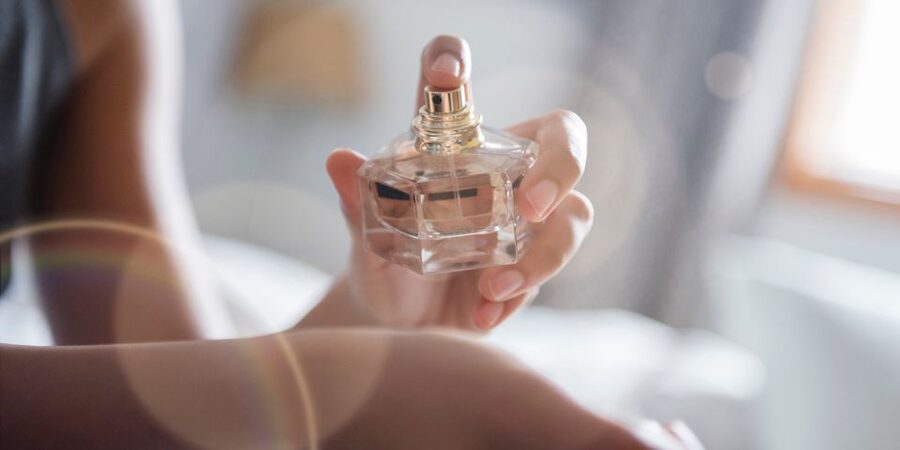
Paris has plenty of perfume shopping. What it rarely gives you is the decoder ring. This tour is built around one simple idea: if you can name what you smell, you shop smarter and enjoy more.
You start at Café Marly, right by Rue de Rivoli in the 1st arrondissement. From there, the guide walks you through French perfume’s evolution. You hear how perfume once belonged to special rituals, when it was treated like privilege rather than a daily accessory. Then you get to the modern era, where trends move fast and brands compete not only on smell, but on story and identity.
That history matters because it changes how you look at the storefronts. Instead of thinking, I wonder if this is worth it, you start asking, What kind of fragrance language is this brand using? And that leads to better conversations in the shops.
The small-group size is also a big deal. With a cap of 8 participants, you’re not shouting over a crowd, and you’re more likely to get personalized help when you smell and compare.
You can also read our reviews of more walking tours in Paris

The First Stop: How the Guide Makes French Perfume Make Sense
Before you even hit the shops, the guide sets the stage. You’ll hear the idea that perfume in France didn’t become popular by accident. It grew through tradition, courtly tastes, and the way fragrance became part of public and private life.
Along the way, you’ll learn practical language for describing scents. The goal is not to turn you into a perfumer. It’s to help you stop saying things like “it smells good” and start noticing what your nose is actually picking up.
For example, you get taught how to describe the base and structure of an eau de cologne. That’s useful because cologne often gets treated as simple or old-fashioned. On this tour, you’ll see it as a category with its own feel and rules.
I also liked that the guide answers questions directly. Some of the best moments are the quick clarifications, like why two perfumes can both list similar ingredients but land on totally different moods. Those little explanations make the rest of the walk click.
Three Perfume Shop Stops: Where Your Nose Gets Training
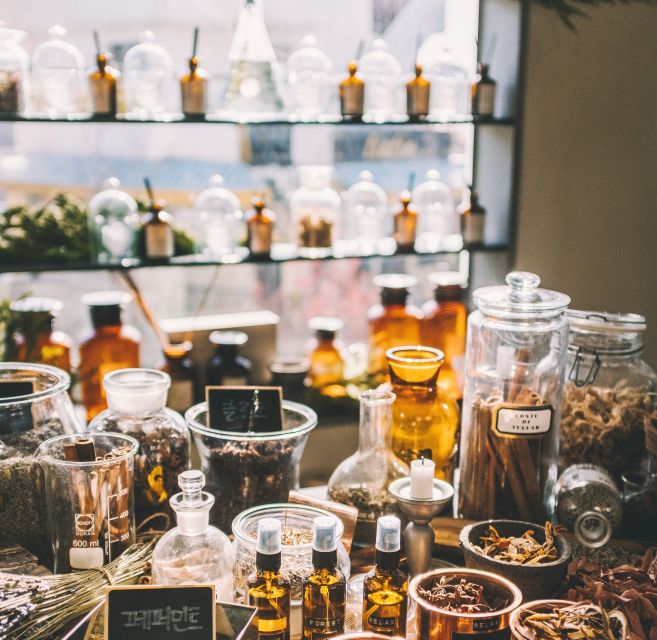
The tour includes stops at three perfume shops, which is exactly the right number. Too few stops and you miss the range. Too many and it becomes a blur, with no time to compare.
Here’s what you can expect at each shop moment, and why it matters:
Shop Stop 1: Learning to Compare, Not Just Browse
The early stop is about orientation. You’re getting your nose warmed up and learning how to sample responsibly. Instead of spraying and guessing, the guide encourages you to notice the shift from the initial burst to what stays on.
You’ll also see how different brands present themselves. Some lean on heritage and iconic silhouettes. Others go for modern, niche identity. The point is to help you recognize that perfume is both product and performance.
Shop Stop 2: Big Names, Real Options, No Pressure
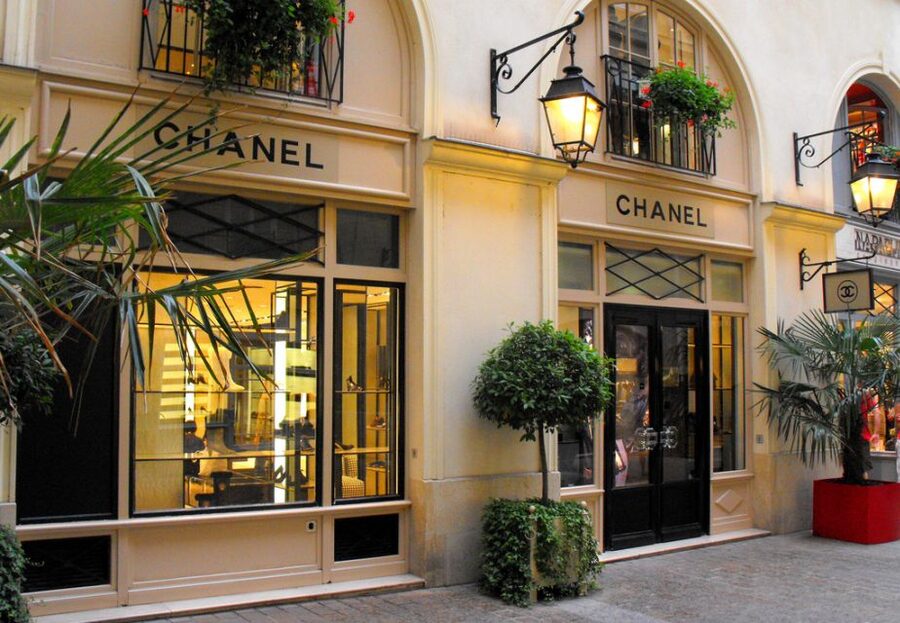
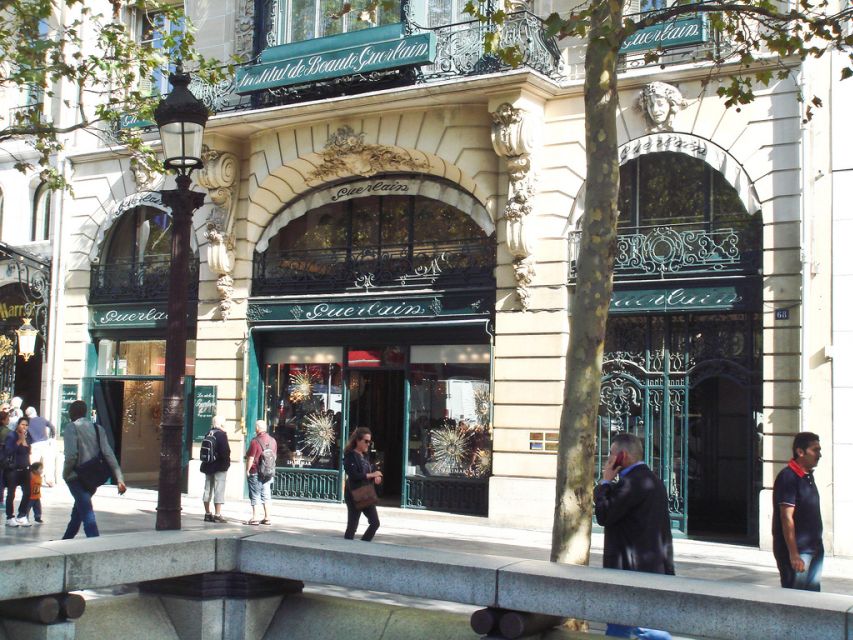
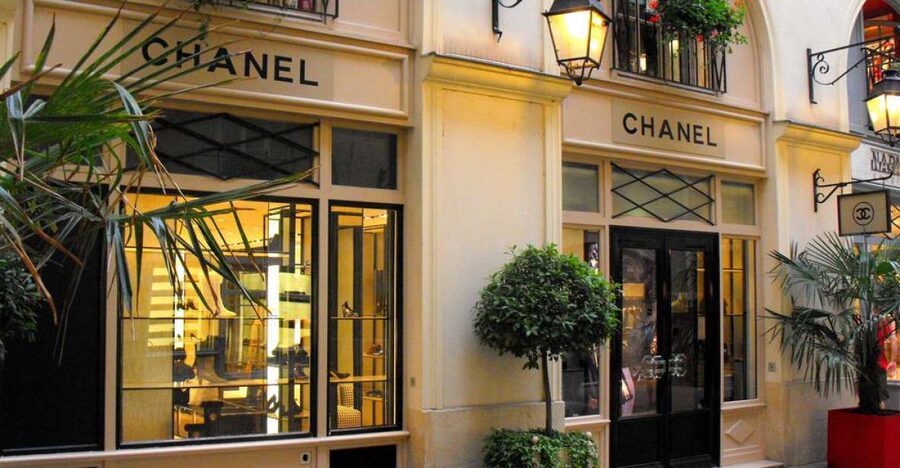
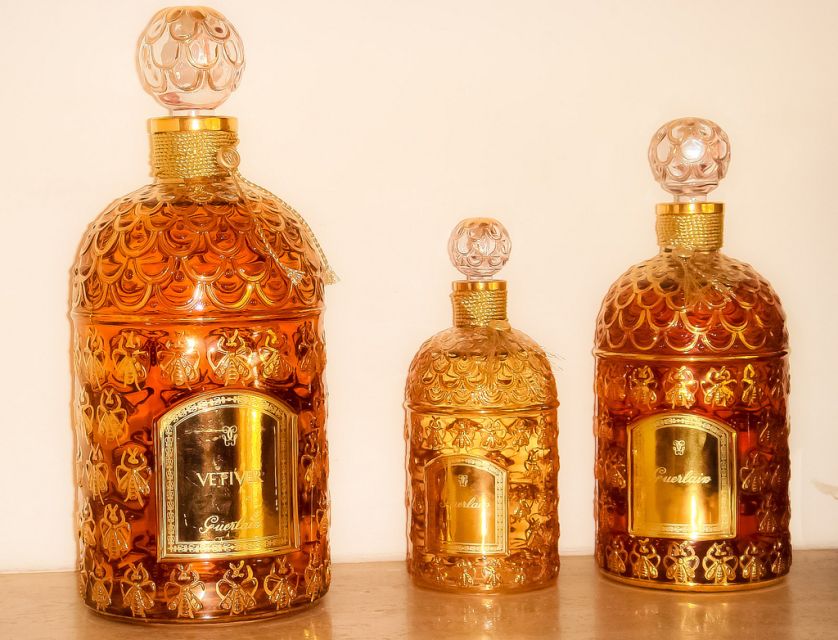
Expect to hear stories tied to famous houses like Chanel, Dior, Yves Saint Laurent, Guerlain, and Givenchy. Even when you’re not buying, these houses teach you the “grammar” of classic French perfume.
One review highlighted that the guide took the group into stores at different price points so people did not feel intimidated going into high-end spaces. That matters. It keeps the tour fun, not awkward.
And if you’re the type who wants to understand what makes the expensive bottles worth it, this is where you start noticing details like concentration style and how the fragrance evolves over time.
Shop Stop 3: Boutique Energy and a More Personal Feel
By the third stop, you usually get better at comparing. This is where you can lean into curiosity. You might find yourself drawn to smaller boutiques and less obvious scent styles, because you’re more aware of what to look for.
At least one past participant praised the help from staff at Killian, specifically mentioning Olga. I can’t promise you’ll visit that same shop, but it’s a good sign of the kind of assistance you can hope for: staff who explain, rather than just sell.
The French Perfume History You’ll Actually Use
This tour doesn’t treat history like a lecture. It uses history to explain why certain styles and rituals exist.
You learn that perfume was once restricted to religious ceremonies and treated as privilege. Then the tour connects that shift to modern French habits: perfume as daily identity, as gift culture, and as a signature people recognize.
That story helps you understand why French branding often feels intentional. Many French fragrance houses are built on the idea of continuity. Even when the marketing changes, the DNA remains.
You also get a practical takeaway from the history: if you want a scent that feels “French” in spirit, you’re not only chasing a smell. You’re chasing a structure. That’s what fragrance families are for.
Fragrance Families 101: How the Guide Teaches Your Nose to Talk
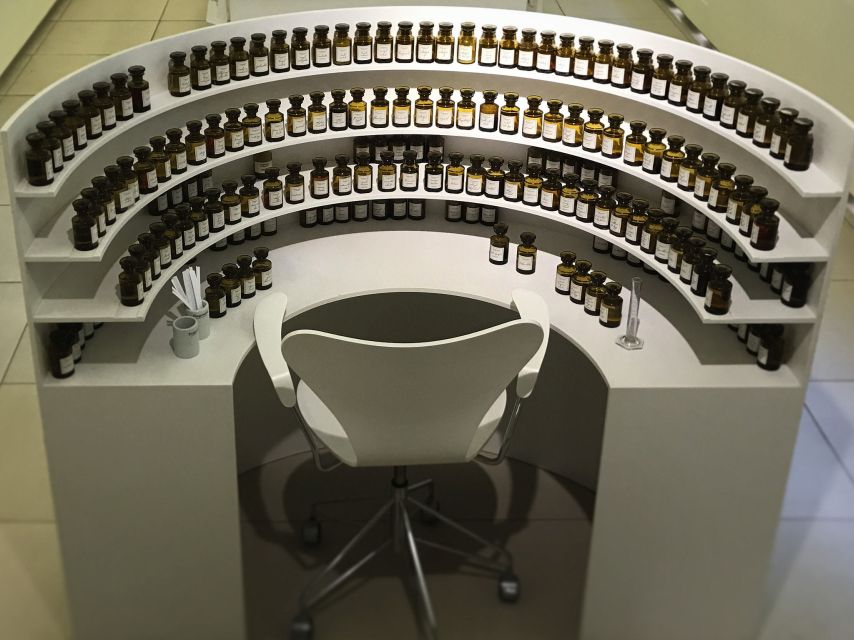
One of the most valuable parts is learning the characteristics of different families of fragrances. This is where the tour goes from fun to useful.
Once you understand families, shopping becomes less like gambling and more like strategy. Instead of spraying random bottles, you can ask targeted questions, like:
- Does this lean more floral, fresh, or woody?
- Is it likely to feel light or heavy on skin?
- What notes tend to stick around in the dry-down?
The guide also teaches you how to describe ingredients in plain language. That’s a big help if you’ve ever stood in a perfume shop thinking you don’t know enough to sound credible.
And because the group is small, you get time to apply the language right in the store, rather than just absorbing it and forgetting it later.
Who You’ll Likely Meet: Guides and the Tour Vibe
English and Spanish are the two live guide languages listed for this experience. Past participants specifically mentioned Sandra as a standout guide, praised for being friendly, engaging, and flexible. Another set of comments mentioned Amira.
What you can reasonably expect, based on those comments, is a guiding style that is:
- Q and A friendly
- Adaptable to what you like
- Focused on showing variety, including smaller boutiques
That said, no tour is perfect in the real world. One unhappy review described a guide no-show issue and reported being refunded after contacting staff. It’s rare, but it’s a reminder to double-check confirmation details and keep an eye on day-of communication.
Price and Value: Is $82 a Good Deal for a Paris Perfume Walk?
At $82 per person for about a 2-hour experience, the tour is not the cheapest way to spend a morning or afternoon. But it can be good value when you frame what’s included.
You get:
- A guided tour
- Stops at 3 perfume shops
That matters because those shop stops are where the tour becomes more than storytelling. You’re learning how to smell, how to compare, and how to describe what you find. If you’ve ever bought a perfume in a hurry and later wished you understood it better, this is a chance to slow down and make a more confident choice.
Also, the guide’s cross-price-point approach reduces buyer pressure. You can spend time in high-end stores without feeling like you’re supposed to purchase immediately. That kind of comfortable access is part of the value.
If you’re someone who hates shopping, you might find the stops a bit sales-adjacent. But if you enjoy asking questions, sampling scents, and leaving with sharper taste, the tour’s structure supports that.
Practical Tips for a Smoother 2-Hour Experience
This is a walking tour, so plan around your feet. Here’s how to make it painless:
- Wear comfortable shoes. You’ll be on your feet for a guided walk.
- Travel with no luggage or large bags. If you have a big bag, it can slow everything down.
- Keep water and snacks in mind on your own. Meals and drinks are not included.
- Go in curious. You’ll get more out of it if you let the guide steer you through comparisons, not just through sightseeing.
One nice bonus: because the group is capped at 8, you often get enough time to actually sample and ask follow-up questions, instead of rushing to the next street corner.
Who Should Book This Tour (and Who Might Skip It)
This tour is a strong fit if you:
- Want to shop for perfume, but want to learn the “why” before you buy
- Love Paris culture beyond landmarks
- Like hands-on lessons, smell-based comparisons, and guided conversation
- Prefer small groups
You might skip it if:
- You’re not interested in perfume and would rather spend your time elsewhere
- You dislike store visits with active staff engagement
- You’re traveling with bulky luggage and don’t want to manage restrictions during the walk
If your goal is to leave with a better nose and a more confident perfume decision, this tour is built for you.
Should You Book This Paris Perfume Walking Tour?
My take: if you’re even mildly into fragrance, this is a smart use of time in Paris. The mix of French perfume history, the hands-on practice at three shops, and the focus on fragrance families makes it more than a cute stroll. It helps you walk out with language, not just memories.
Book it if you want a small-group experience that teaches you how to smell and describe what you like. Skip it if you only want broad sightseeing and you’re not interested in perfume at all.
If you can travel light and you’re ready to spend two hours using your senses, you’ll likely feel like you got something practical, not just pretty.
FAQ
Where is the tour meeting point?
The meeting point is Café Marly, 93 Rue de Rivoli, 75001 Paris.
How long is the Paris perfume walking tour?
The tour lasts about 2 hours.
How much does it cost?
The price is $82 per person.
What is included in the tour price?
You get a guided tour and stops at 3 iconic perfume shops.
Are meals or drinks included?
No, meals and drinks are not included.
What group size should I expect?
It is a small group, limited to 8 participants.
What should I bring, and what can I not bring?
Bring comfortable shoes. Luggage or large bags are not allowed.
More Walking Tours in Paris

More Tours in Paris

More Tour Reviews in Paris

Not for you? Here's more nearby things to do in Paris we have reviewed






Paris City Tours, side by side.
 ★ 4.6Louvre Museum Timed-Entrance TicketTickets from $2671,977 guest reviews
 ★ 4.6Disneyland® Paris 1-Day TicketTickets from $6149,412 guest reviews
 ★ 4.6Versailles Palace and Gardens Full Access TicketTickets from $1741,579 guest reviews
 ★ 4.6Arc de Triomphe Rooftop TicketsTickets from $1834,264 guest reviews
 ★ 4.7Orsay Museum Entry TicketTickets from $1525,647 guest reviews
 ★ 4.4Evening River Cruise with MusicTickets from $2722,721 guest reviews
 ★ 4.4Eiffel Tower Entry Ticket with Optional Summit AccessTickets from $2920,035 guest reviews
 ★ 4.3Eiffel Tower Summit or Second Floor AccessTickets from $5917,248 guest reviews