
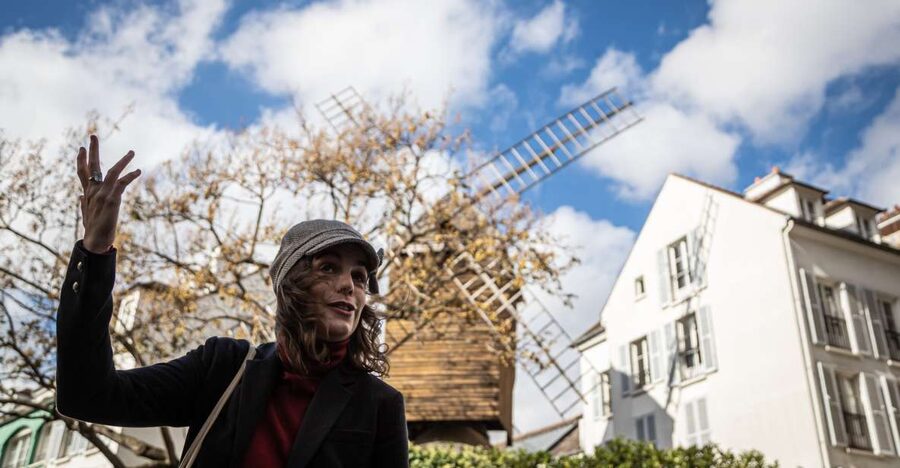
Review · MONTMARTRE TOURS
Montmartre en chansons: tour with a professional singer
Montmartre sounds different when a professional singer is standing right in the street. On this Montmartre en chansons tour, I love how the music is tied to real corners, real cabarets, and real stories about singers like Édith Piaf, Charles Aznavour, Jacques Brel, and Dalida. The other thing I really like is the a capella performance at key stops, the kind that makes people pause and listen instead of just walking through. One consideration: this is a 2-hour uphill, on-your-feet neighborhood walk, so if mobility is an issue or you hate crowds at viewpoint stops, you should think twice.
You meet at Place des Abbesses, right behind the subway exit, then you follow musical footsteps up toward Sacré-Cœur. Expect short guided pauses with singing at standout places, plus enough context to understand why Montmartre became the home base for so many iconic French voices.
Key points worth your attention

- Street-level a capella moments that make the whole block stop and pay attention
- Anne-Sophie’s performance style, bubbly, smiling, and clearly attached to the neighborhood
- Song-driven storytelling, tied to specific Montmartre stops and landmarks
- Cabaret visits that feel like backstage access, including places strongly linked to the bohemian era
- A tight 2-hour route, from Abbesses up to the Sacré-Cœur parvis without dragging
Montmartre in song, not just on a map
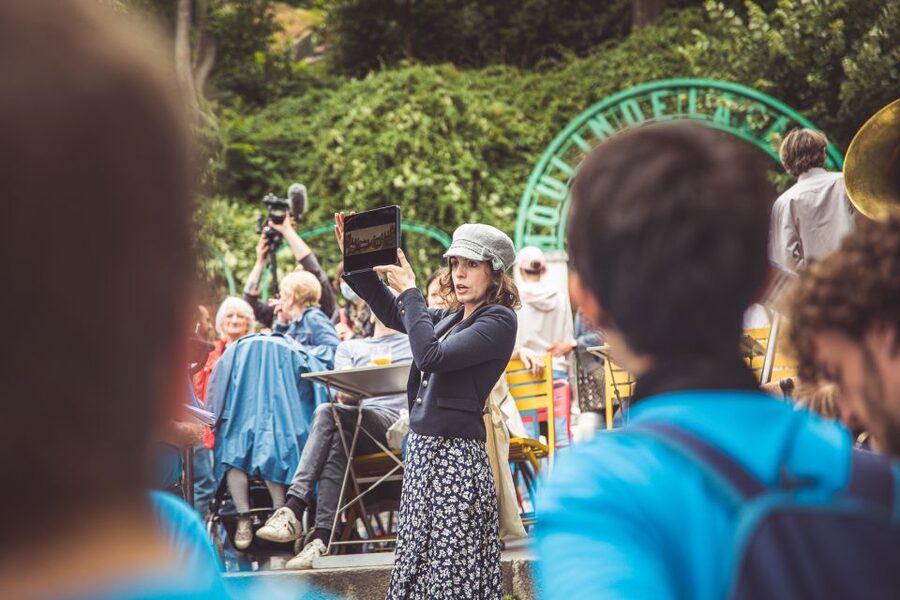
Most Montmartre tours give you landmarks. This one gives you the reason those landmarks mattered. You spend the walk following the musical footsteps of Édith Piaf, Charles Aznavour, Jacques Brel, Dalida, and other major names, but the focus stays practical: where they performed, where the spirit of the neighborhood lived, and how the old Paris cabaret world shaped the music.
What makes it work is how the singing is built into the walking. Instead of one long show somewhere inside, you get several short performance moments in the open air. The result is that the street itself becomes the stage. In the best moments, passers-by quiet down, and even people sitting at a nearby terrace tend to stop talking when Anne-Sophie’s voice rises.
I also appreciate the tone. The tour isn’t just academic. It feels like being guided by an enthusiastic inhabitant who wants you to understand Montmartre’s bohemian rhythm through song, anecdotes, and the little details you might otherwise miss.
You can also read our reviews of more tours and experiences in Paris.



Starting behind Abbesses and ending at Sacré-Cœur in 2 hours
The tour runs for about 2 hours, and that matters. Montmartre can be tiring fast, so a compact route helps you see a lot without turning your afternoon into a full workout day. You start at Place des Abbesses, behind the exit of the Abbesses subway station. You finish on the Parvis du Sacré-Cœur, so you end near one of the most convenient sight zones in the area.
What to know before you go: this is a walking tour on uneven sidewalks and slopes. The tour asks you to wear hiking shoes and bring water, plus an umbrella and sun hat depending on the weather. That’s not just a generic suggestion. Montmartre is vertical, and your comfort depends on footwear more than you think.
Language options are also useful if you’re planning your day. The guide gives the tour in English or French. Private tours are available on request during the week and on some Sundays, while public tours run on Saturday and mostly Sundays and Fridays.
Wall of Love to Rue Lepic: where the music changes the view

Right away, you’re in the Abbesses orbit, then you head toward the first major photo-and-pause stop: the Wall of Love, the famous spot where visitors come for the je t’aime wall. On most tours it’s a quick stop. Here, you get guided context and a short singing pause at the location, so it’s not just a backdrop. It becomes part of the story about love songs and the way Montmartre shaped romantic French music.
From there you walk along Rue Lepic, one of those Montmartre streets that feels like it was drawn to fit the bohemian image. This is a shorter stretch, but it matters because it shifts you from a landmark moment into the everyday texture of the neighborhood. You’re not just climbing to views, you’re moving through the kinds of streets where street singers and cabaret culture would have made sense.
The benefit of this pacing is that your brain stays engaged. You get one landmark, one walking stretch, then the next big landmark. The drawback is that if you dislike brief stops in crowded areas, the Wall of Love area and the later Place du Tertre area can feel busy at peak times.
Moulin de la Galette and Maison Rose: the cabaret stops that feel like scenes
A big chunk of Montmartre’s identity is cabaret, and this tour leans into that directly. You visit Moulin de la Galette, a classic Montmartre location, and you get another short concert moment during the stop. The point is not only to see the building and the vibe, it’s to connect the setting to the kind of music that flourished in this part of town.
Then you move to Maison de Dalida, a key Dalida stop. You also see a Dalida statue, which turns the story from a name you know into an actual place you can stand next to. That does something simple but powerful: it makes Dalida feel less like a distant icon and more like a real part of this neighborhood’s daily life.
One of my favorite later stops is La Maison Rose. It’s easy for this kind of place to become just another photo opportunity. On this tour, you’re guided through it with singing moments and anecdotes that connect the name to the Montmartre spirit rather than treating it as a standalone restaurant. It’s the kind of stop where you get why people returned, why they gathered, and how the atmosphere supported artists.
If you’re sensitive to crowds, just plan for it. These are the places people love to linger, so there can be waiting, jostling, and some standing around during the short performance windows.
Dalida to Lapin Agile: from memorials to the real street-singer tradition
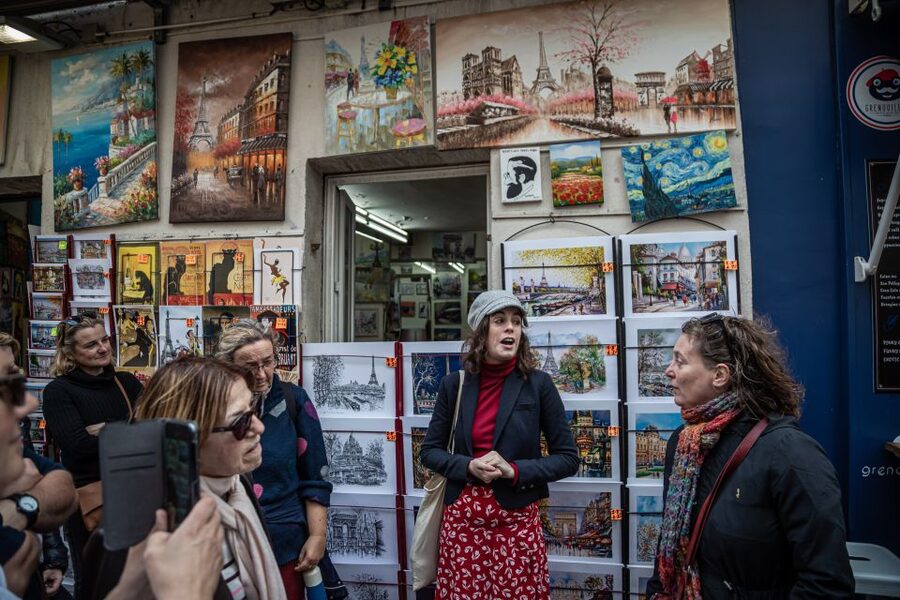
After Moulin de la Galette and Dalida-related spots, you keep following the footsteps of artists through the neighborhood’s performance culture. The itinerary includes Théâtre Lepic, then continues with the Dalida Statue, and keeps building the link between people and places. The tour uses these stops to explain how Montmartre became a stage for famous voices, not just a scenic hillside.
Then comes Lapin Agile, one of the most meaningful cabaret-style stops on the walk. This is where the tour feels most “street singer” in spirit. The performances at these points are short, about five minutes each in the itinerary, but they hit hard because you’re in the middle of a real neighborhood moment, not in a controlled venue.
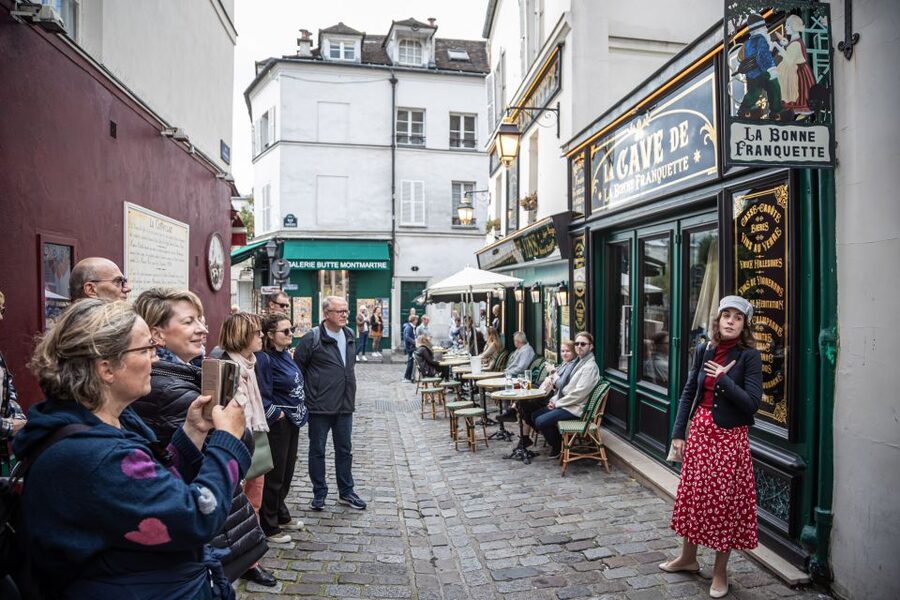
From Lapin Agile, you head to La Bonne Franquette, another cabaret-linked stop. Finally, you reach Place du Tertre, the famous artists’ square. This area can be chaotic in a good way, with street performances and attention grabbing visuals. The tour’s advantage is that you’re not just looking, you’re understanding. You’re hearing stories and songs tied to the bohemian culture that turned Montmartre into an artistic brand long before selfie culture.
If you’re the type who wants a quiet, restful walk, this is not that. It’s more like moving through a living performance zone.






Piaf, Brel, Aznavour, and Dalida: why the stories matter
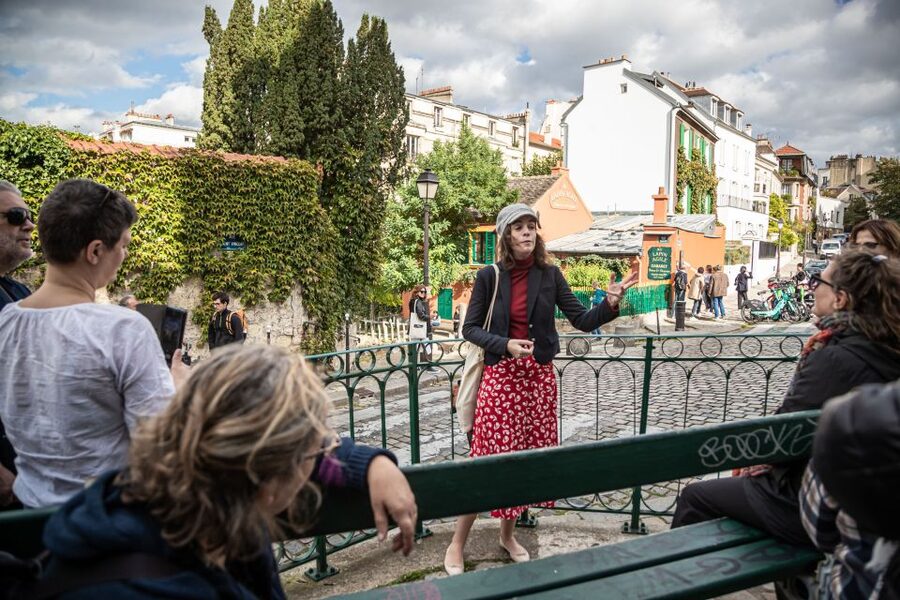
The music is the headline, but the real value is how the stories give you context. You hear anecdotes about famous singers, including Piaf, Brel, Aznavour, and Dalida, and the tour frames them in Montmartre terms: what drew them here, how cabarets and street singing helped careers, and why the neighborhood held onto its artist identity.
Anne-Sophie, the guide and performer, is central to this. She’s described as enthusiastic, smiling, and visibly passionate about the area. That matters because she isn’t just reciting facts, she’s reenacting an atmosphere. When she sings, the interpretation is dense, powerful, and moving. There’s a specific effect described by people who went, where the street becomes quiet for a suspended moment. That tells you the goal is emotional impact, not just entertainment.
I like this approach because it changes how you see later Montmartre sights. After the tour, Sacré-Cœur and the surrounding streets don’t feel like generic Paris views. They feel like the top of a musical climb, where the cabaret world helped turn a hill into a legend.
Also, don’t worry about needing to know French songs already. The tour is built around famous French tunes like La Vie en Rose, L’hymne à l’amour, and La Bohème, so even if you only recognize one or two, you’ll still follow the thread.
Price and value for $34: what you actually get
At about $34 per person for a 2-hour tour, you’re paying for three things: guided commentary, a guided walking route to major Montmartre sites, and live singing by a professional. For this kind of combination, the value is strong because you get multiple performance moments across the neighborhood, not a single fixed stop.
This is also one of the cheaper ways to get live music tied to sightseeing. You’re not paying for a long ticketed concert. You’re paying for a moving show plus interpretation, and the stops are recognizable enough that the time feels justified.
What keeps it from being perfect value is also what makes it what it is. The tour includes no food or drinks, so if you’re hungry, plan a meal before or after. Also, since it’s an outdoor street experience, weather can affect the comfort level. You can bring an umbrella, but you cannot control rain.
If you want a high-energy, music-first Montmartre afternoon without spending a lot, this price fits the bill.
Practical planning: shoes, weather, and how to enjoy the singing
To have a smooth experience, pack like you’re doing a short hike. Wear hiking shoes, and bring water. The tour also suggests an umbrella and sun hat, which is exactly what you want for a hillside neighborhood where weather can change fast.
A few other practical notes from the tour rules are worth respecting. No bikes, no oversize luggage, no backpacks, and no electric wheelchairs are allowed. It also isn’t suitable for people with mobility impairments. I’d treat that as a firm guideline since the route includes multiple walking segments and steep sections.
Timing matters too, because the performances happen in public spaces. If you hate waiting in crowds, try to pick a day and time when you can arrive a little early and avoid peak congestion. If you prefer atmosphere, a busier day can actually make the singing feel even more alive, since more people are around to react to the music in real time.
Finally, go in with a mindset shift. This isn’t a museum-style tour where you move silently from plaque to plaque. It’s a guided walk where the guide also performs. If you can accept that, you’ll get a lot more than just photos.
Who this tour suits best, and who should skip it
This tour is a great fit if you want Montmartre through the lens of music and performers. It’s especially good for you if you like French songs, enjoy live street-style singing, or want a guide who brings the neighborhood to life instead of just listing landmarks.
You’ll probably enjoy it most if:
- you’re comfortable walking and standing for short periods
- you like short stops with guided commentary and music
- you want a compact 2-hour outing that still covers multiple iconic sites
You might skip it if:
- you need step-free access or have mobility limitations
- you want food included or a low-effort sightseeing day
- you strongly prefer quiet, uncrowded spaces
If you’re traveling with a parent, teen, or friend who loves French culture, this is one of those tours that turns into a shared story later. The singing moments are the memory anchors.
Should you book Montmartre en chansons?
Yes, I’d book it if your priority is music plus storytelling in the streets. The biggest reason is simple: live a capella singing by a professional guide at key Montmartre stops changes the whole experience. You’re not just seeing famous corners, you’re hearing why those corners mattered to voices like Piaf, Brel, Aznavour, and Dalida.
If you hate walking uphill or you need mobility-friendly routes, look elsewhere. And if you want a relaxed, sit-down meal focus, you’ll be happier planning food separately, since nothing is included.
But if you want Montmartre with a soundtrack, this tour is one of the most direct ways to get it.
FAQ
Where do I meet for the tour?
You meet behind the exit of the subway station Abbesses.
How long is the tour?
The tour lasts 2 hours.
Is the tour offered in English and French?
Yes, the live guide offers the tour in English or French.
What is the tour ending point?
The tour ends at the Parvis du Sacré-Cœur.
What should I bring?
Bring hiking shoes, water, an umbrella, and a sun hat.
Is food and drinks included?
No, food and drinks are not included.
More Tours in Paris





More Tour Reviews in Paris
Not for you? Here's more nearby things to do in Paris we have reviewed












Montmartre Tours, side by side.
 ★ 5.0Montmartre Hidden Gems and Scenic Highlights Walking TourTickets from $382,684 guest reviews
 ★ 5.0Montmartre Hill French Gourmet Food and Wine Tasting Walking TourTickets from $1452,588 guest reviews
 ★ 4.8Montmartre Cheese, Wine & Pastry Guided Walking TourTickets from $1272,255 guest reviews
 ★ 4.9Montmartre Highlights Walking Tour with a Local GuideTickets from $341,668 guest reviews
 ★ 4.1Sacré-Coeur and Montmartre Tour with Expert GuideTickets from $281,027 guest reviews
 ★ 5.0Private Montmartre Food Tour with Wine, Cheese & PastriesTickets from $3021,027 guest reviews
 ★ 5.0Paris Montmartre Food Tour – A Full French Meal by Do Eat BetterTickets from $95877 guest reviews
 ★ 5.0Hidden Montmartre: Paris’ Secret Streets Walking TourTickets from $44809 guest reviews
This tour also belongs to