
Review · LOUVRE MUSEUM TOURS
Louvre Private A La Carte, NO Ticket included
One guide can change how you see the Louvre. This 3-hour private tour in English lets you keep your group small and focus on what matters. I like that the visit is customize-able, so the route matches your interests instead of forcing you through a rigid checklist. One catch: the Louvre admission ticket is not included in the tour price.
You meet right at the Louvre Pyramid area, so you are not wasting time figuring out where to start in one of the world’s biggest museums. I also like that the guide stays with you the whole time, which makes it easier to ask real questions and adjust on the fly. The big consideration is that, like any private experience, guide personality and pacing can make a noticeable difference.
Key highlights you should care about
- Private group time in a 3-hour window so you are not lost in the crowd, or stuck waiting while others catch up
- Pick a tour time that fits your day, which matters with tight Paris itineraries
- A la carte customization where you can shape the classics to your own interests
- A guide-led path with room for questions so you can go beyond surface-level looking
- Admission ticket is separate (you will budget for the museum entry fee)
- Guide experience varies in pacing and equipment comfort, so set expectations early
Why this Louvre tour works when you only have 3 hours
The Louvre can feel like a career plan. You show up for a few famous paintings, then suddenly it is two hours later and you are still wandering. This private format helps because it treats your time like a real constraint. You get a professional guide for roughly 3 hours, and they are there to steer you toward what you actually want to see.
What I like most is the freedom. The tour is a la carte, meaning you can make it about the areas or themes that click for you, not just what a standard group schedule dictates. Some guides take a more structured approach, like moving through highlights with a clear flow, while others focus more on what makes particular works tick. Either way, you can steer the emphasis during the walk.
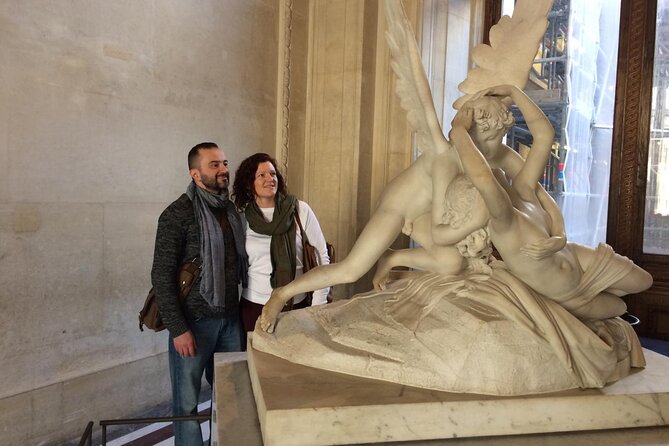
I also appreciate the question-and-answer rhythm. On a group tour, you often get one or two questions and then the line moves. Here, the private setting makes it easier to ask follow-ups. You can ask what you should look for in a statue, how an artist’s technique changes the look, or how the museum’s story is organized. Reviews mention guides going beyond facts into meaning, interpretation, and technique, and that is the difference between seeing art and actually learning how to look at it.
Finally, this experience is offered in English, which is a comfort if you want clear explanations without mental translation.
More Paris tours and experiences for the shortlist



Meeting at the Louvre Pyramid (and the exact spot you should use)
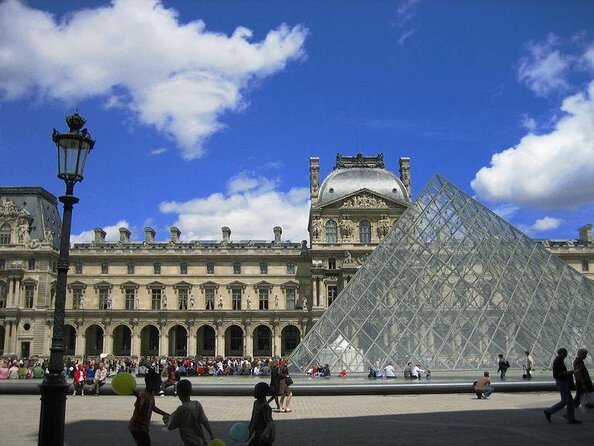
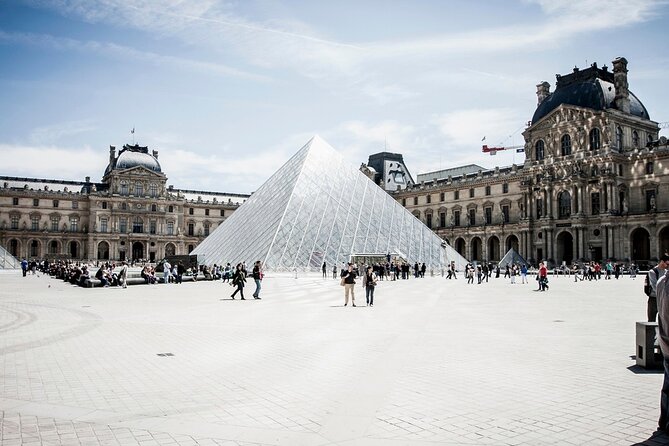
You start at Louvre Pyramid 75001 Paris, and the meeting point is described as the Equestrian Statue of King Louis XIV in front of the iconic pyramid structure. That level of specificity matters because the Louvre entrance area is not one simple doorway. It is a whole public square situation.
Plan to arrive a little early so you can orient yourself and spot your guide. One review highlights how a guide arrived early and made meeting up easy, which is exactly what you want when you are staring at a giant complex with multiple entry points.
At the end, the tour finishes back at the meeting point. That is helpful because you do not have to guess how to exit once you are done. You can then decide what you want to do next, whether that is a nearby café break or continuing through the museum on your own.
Your 3-hour Louvre plan: what you will actually do
In a 3-hour private tour, the goal is not “cover everything.” The goal is to hit the most meaningful classics and give you a map for how to keep appreciating more after the tour.
Expect this pattern:
- You meet and get oriented at the Louvre Pyramid area.
- Then you move into the museum with your guide for your tailored highlights.
- You spend time at multiple stops, with explanations and time to look closely.
- You end back at the meeting point.
Because it is private, your guide can adjust pace. If your interest is more about statues and how they are constructed, they can spend time there. If your focus is more about storylines and how artworks connect, they can shape the walk that way. Reviews mention guides explaining interpretations, techniques, and hidden meanings, and those elements are what transform your experience from sightseeing into learning.
One practical note: some people find that the Louvre requires physical stamina and patience. In one case, a guide handled a wheelchair situation by working around the Louvre’s maze. That kind of problem-solving is a real advantage of having a guide in charge of navigation, not just facts.
Stop 1: the Louvre Museum, tailored classics and smart looking
This is the only scheduled stop, and it is the big one: the Louvre Museum itself. Even with a single stop, you are not just walking into a room and being told facts. You are using a guide to create a route that matches your interests within a short time frame.
How guides make the highlights click
From the strongest reviews, the best guides do a few things well:
- They get you moving quickly to avoid losing time.
- They explain what you are looking at in a way that changes how you see it next.
- They create a coherent storyline between what you view.
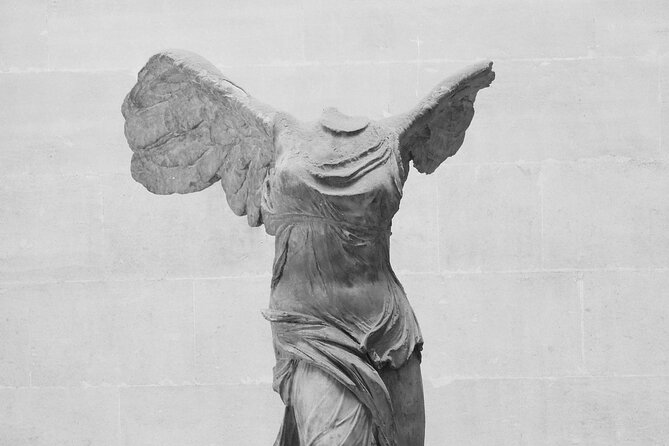
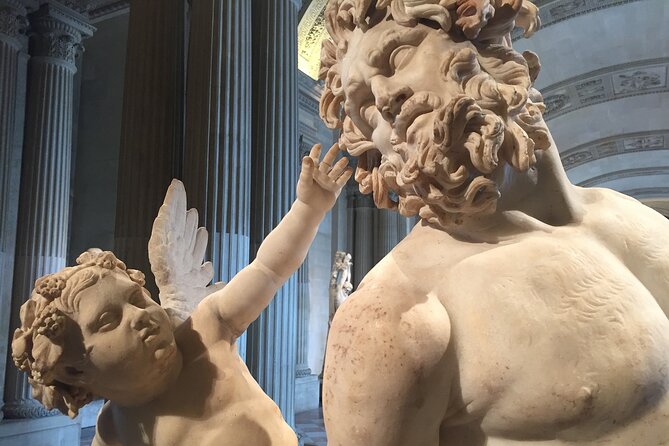
One review calls out learning a proper way to look at statues, which then influenced the whole tour. That is the kind of skill you carry forward, even when you later see art without the guide.
Another review praised a guide for being friendly and entertaining, while also packing in lots of context: interpretations, storylines, techniques, and hidden meanings. That mix matters because the Louvre is not just pretty objects on walls. It is visual communication across centuries, and you benefit when someone helps you read that communication.
You can also read our reviews of more private tours in Paris






If you want a structured route, ask early
A review mentions a guide taking an advanced formal chronological approach. That suggests you can request a style of tour, not just topics. If you like art history in a time sequence, tell your guide you want a more chronological flow. If you prefer themes, tell them you want relationships between works instead.
A note on pace and “too much talking”
The balance matters. One experience described a guide who talked nonstop, with explanations so long that it reduced the ability to appreciate the art. Another mentioned equipment that felt antiquated and uncomfortable for more than a short stretch.
So here is your practical move: at the start, ask for the pace you want. If you prefer shorter explanations with more looking time, say so. If you want deeper context, ask for that too. On a private tour, the guide can usually tune the format, as long as they know what you want.
Price and what you are really paying for
The tour price is $210.28 per person, for about 3 hours, in English. The museum entrance ticket is not included, and you should budget €22 for admission.
Here is how I think about the value. You are not paying just for someone to walk beside you. You are paying for:
- A guide who tailors the route to your interests
- Private time with room for questions
- A meeting point that reduces confusion at arrival
- Help navigating a complicated building
That said, if you are cost-sensitive, the entrance fee matters. The tour is effectively tour price plus entry. If you are eligible for reduced or free admission, that can change the math quickly. The experience info notes free admission for visitors under 18 and for EEA residents under 26, with valid ID and proof of residency. If that applies to you, the overall value can become very strong.
Also, the listing notes group discounts. If you are traveling with friends or family, splitting across a small group can make this feel more reasonable than it first appears.
Finally, there is a “how good is the guide” factor. With a rating of 4.3 from 10 reviews, this is generally well liked, but not every guide delivers the same tone. You are choosing a format that depends on the guide, so your best bet is to go in with clear preferences for pace and learning style.
Entrance ticket, mobile ticket, and the one budget surprise

The biggest logistics surprise here is simple: Louvre admission is not included in the tour price. You buy the museum entry ticket directly on the museum website.
The good news is that you do get a mobile ticket provided for the tour experience itself. That helps on travel days when you do not want extra paper and you are already managing train tickets, hotel keys, and restaurant reservations.
Your “do this now” checklist:
- Plan your Louvre entry ticket purchase separately.
- Bring the ID you may need if you fall under the free admission categories mentioned in the experience info.
- If you have a child in your group, the info says it is necessary to advise the supplier so they can get the right free ticket for them.
This is one of those tours where budgeting a little extra for the museum ticket saves stress later.
Guide style can make or break the experience
The standout praise across multiple guides points to a pattern: when the guide is personable and organized, the Louvre tour can feel like a fast, high-quality education.
Examples from the guide names mentioned include:
- Anne-Claire, described as extremely knowledgeable, entertaining, and a joy to be with all through the tour
- Gonzalo, praised for helping people make the most of limited time and for skipping line hassle
- Afsaneh, described as arriving early, blasting past the line quickly, and teaching a new way to look at statues
- Ana, praised for dedication and a spectacular route
- Juan (and also a note about name confusion, plus one review describing a female guide who had a lot of talking)
Then there is the other side of the coin. One review described an issue with time (the tour delivering only two hours instead of three), plus confusion over an additional person not being able to enter, plus frustration around how the extra person was handled. Another review criticized the guide’s talk-to-art ratio and the comfort of the equipment.
So what should you do with that? Two practical tips:
- At the start, confirm the duration. If your plan depends on timing, ask how they will cover the 3 hours.
- Tell the guide what you want. If you do not want a lecture, say you prefer more looking time and shorter explanations.
In a private setting, you have more leverage than you might think, as long as you communicate early.
Accessibility and navigation help inside a maze
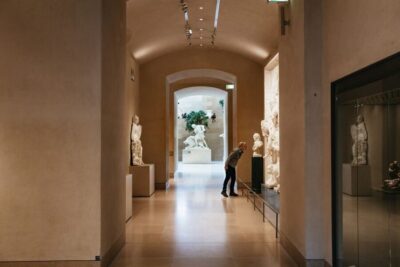
The Louvre is complicated, even for people with great navigation skills. One review specifically mentions a wheelchair need that was not expected in advance. The guide, Anne Claire, handled it by finding the right spots, working through Louvre bureaucracy, and using little-known hallways and elevators to get to where they needed to go.
That does not mean every tour will be identical, but it does highlight the real benefit of having a guide on site. If you have mobility needs, communicate them during booking so the supplier and guide can plan better.
Even if you do not need accessibility support, having someone who knows how to move through the building efficiently can save you energy, especially over just 3 hours.
Who should book this and who might skip it
This tour is a strong fit if:
- You are visiting the Louvre for the first time and want a guided orientation without spending your whole day
- Your schedule is tight and you want a plan that uses 3 hours effectively
- You love learning art details, technique, and interpretation, not just checking famous names off a list
- You are traveling in a small group and want a private experience, up to six people maximum
It might be less ideal if:
- You prefer to wander freely with no structure at all
- You know you want a very specific set of artworks and you are worried customization could still miss your exact wishlist
- You dislike tours where the guide does more talking than you want, since pace can vary by guide
For many people, a private tour like this is the best “first pass” so you can return later, or continue exploring with better context.
Booking tips that keep the day smooth
A few details are important enough to plan for now:
- You may need to advise the supplier if there is any child in your group at checkout, including getting free tickets for them.
- You may need to provide the date of birth of each participant.
- Free admission categories are specified for visitors under 18 and EEA residents under 26, with valid ID and proof of residency.
Also, because this is a private tour, it is worth being upfront about what you want:
- Ask for the pace you prefer.
- Mention any must-see themes, like statues, storytelling, or a chronological path.
- If you are mobility limited, tell them what support you might need.
These simple messages help the guide tailor the tour in the way you actually want, which is the whole point of choosing private and a la carte.
Should you book Louvre Private A La Carte?
I think this is a smart booking if you value time and want help seeing the Louvre with purpose. The private format, the small group size, and the ability to customize your focus are exactly what make the Louvre feel manageable.
The main reasons I would hesitate are the two practical realities: the entrance ticket is not included, and guide pacing can vary. If you go in ready to communicate your preferred pace and you budget for the €22 museum entry, you are set up for a memorable 3-hour hit of classics plus context.
If you want, tell me your travel dates and group size, and whether you prefer statues, paintings, or story-first explanations. I can suggest what to ask for so your custom route matches your interests.
FAQ
Is the Louvre museum entrance ticket included in the tour price?
No. The tour price does not include the museum admission ticket. You need to buy the €22 entrance ticket directly on the museum website.
How long is the Louvre Private A La Carte tour?
It is approximately 3 hours.
What language is the tour offered in?
The tour is offered in English.
Is this tour private?
Yes. It is a private tour/activity, and only your group participates.
Where do we meet the guide?
You meet at Louvre Pyramid 75001 Paris, France, at the equestrian statue of King Louis XIV in front of the Louvre’s pyramid.
Where does the tour end?
The activity ends back at the meeting point.
Does the tour use a mobile ticket?
Yes, a mobile ticket is provided.
How far in advance do people typically book this tour?
On average, it is booked about 24 days in advance.
What if we have children in our group?
You need to advise the supplier at checkout if there is any child in the group so they can provide free tickets as applicable.
Is there free admission for kids or young adults?
Yes. Free admission applies to visitors under 18 and EEA residents under 26, with valid ID and proof of residency.
What is the cancellation window?
You can cancel for a full refund up to 24 hours in advance of the experience start time.
More Private Tours in Paris
More Tickets in Paris



More Tour Reviews in Paris

Not for you? Here's more nearby things to do in Paris we have reviewed












Louvre Museum Tours, side by side.
 ★ 4.6Louvre Museum Timed-Entrance TicketTickets from $2671,977 guest reviews
 ★ 4.3Louvre Guided Tour with Reserved Access & Boat CruiseTickets from $8116,353 guest reviews
 ★ 4.5Louvre Museum Masterpieces Guided Tour with AccessTickets from $8612,023 guest reviews
 ★ 4.6Louvre Museum Entry Ticket With Host and River CruiseTickets from $1009,926 guest reviews
 ★ 4.1Priority Access Louvre with Host -Direct to Mona LisaTickets from $748,387 guest reviews
 ★ 4.6Mona Lisa & Louvre Masterpieces Tour with Reserved AccessTickets from $806,812 guest reviews
 ★ 5.0Louvre Museum – Exclusive Guided Tour (Entry Included)Tickets from $1816,296 guest reviews
 ★ 4.0Louvre Reserved Ticket and River Cruise ComboTickets from $376,054 guest reviews
This tour also belongs to