
Review · LOUVRE MUSEUM TOURS
Louvre Museum Access Private Guided Visit
You can’t wing the Louvre in two hours. This private visit helps you choose where to spend your time, with an art historian guiding you door-to-door through the highlights. I love how the guide turns big famous works into a story you can actually follow, and I also love the variety of stops across Greek, Roman, medieval, and painting movements. One possible drawback: it is fast and focused, so if you want a slower, deeper museum wander, you’ll still need time on your own after this tour.
For me, the biggest win is how the route is built for orientation, not sightseeing blur. You’ll see the kinds of pieces you came for, like the Nike of Samothrace and the Mona Lisa, but you’ll also get a sense of how styles changed across centuries. I like that the tour is designed for a short, high-impact visit, not for flexing a full day in crowded galleries.
Because entry time slots create bottlenecks, the tour is most valuable if you care about efficient access and a clear plan. If you prefer to linger in one room for a long time, this may feel like you are moving through the museum more than you expect.
Key points before you go
- A private, English route for your group keeps the pace controlled and the focus personal.
- Professional art historian guides (like Boris and Anya, based on guide names shared in past tours) are a big reason the experience scores so high.
- A tight 2-hour itinerary covers major periods, so you leave with a mental map, not just selfies.
- Entrance is included (adult ticket), which helps you avoid last-minute ticket stress.
- Each gallery stop is short (about 15 minutes), so you get breadth over depth.
Why this Louvre tour works in just 2 hours
The Louvre is not a museum you “browse” in a couple of hours. It’s a museum you navigate. This tour takes the mess of thousands of artworks and turns it into a sequence you can understand, with a guide steering you from one era to the next.
You get a professional art historian guide, and you also get something practical: you’re not guessing which rooms matter. That matters here, because getting lost in the Louvre can eat up the exact time you paid to protect.
You can also read our reviews of more guided tours in Paris



Getting started at the Carrousel, and why it matters
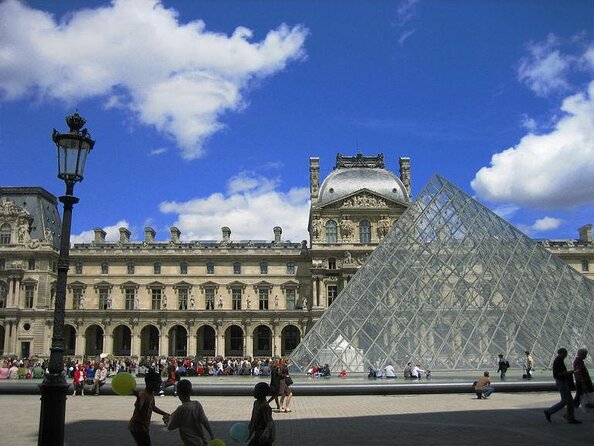
The meeting point is at the Arc de Triomphe du Carrousel, Pl. du Carrousel, 75001 Paris. The big practical plus is location. This is a familiar central landmark area, and you’ll find it close to public transportation, so you can arrive without a complicated route.
The tour runs about 2 hours, and it ends back at the meeting point. That round-trip setup is underrated. It means you can plan the rest of your day nearby, rather than trying to guess how long it will take to get out and rejoin your plans.
Skip-the-line access, but keep your expectations realistic
This is a private visit, and entrance tickets for adults are included. Still, it’s worth knowing the Louvre can be busy even when you have an access time.
The useful part is how the guide handles the flow. One theme that comes through clearly in past experiences is that guides helped groups get inside faster and then get oriented quickly once inside. For you, the payoff is simple: less time stuck at entry points, more time with art.
Also, the tour uses a mobile ticket, which is helpful for day-of convenience. Just make sure your phone is charged, and keep the ticket easy to access.
Stop 1: The Louvre highlights, including Mona Lisa and the Nike of Samothrace
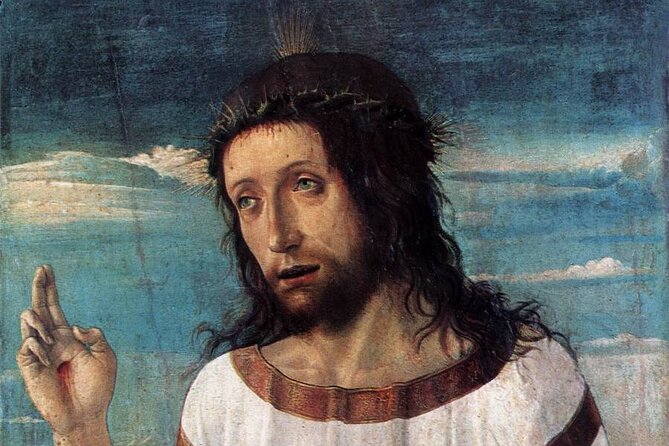
Your first stop is framed as the museum’s “best stocked and most famous” area. You’ll see headline works, including the Mona Lisa, and you’ll also get time with other major masterpieces like the Nike of Samothrace.
What you should expect here is not a long lecture. Instead, think of it as a smart first orientation. The guide helps you understand why these works are iconic, and it gives context so the “famous” pieces don’t feel random when you compare them to what you’ll see next.
A drawback to plan for: the stop is short, about 15 minutes. If you want to stand quietly and stare for a long time, you may need to build in your own time later.
Stop 2: The Roman gallery, and why it shaped later Europe
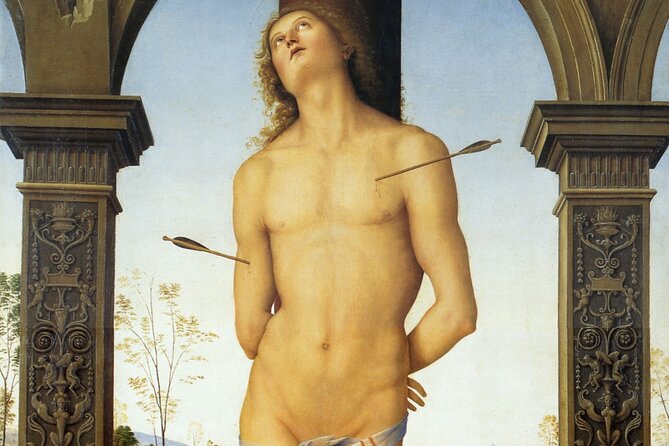
Next up is the Roman gallery. This is a great choice because Roman art is one of the clearest bridges between classical antiquity and later European culture.
In practical terms, the guide connects Roman influence to what comes after, so you can start spotting patterns instead of treating each room as a separate universe. It’s the kind of context that helps you appreciate why later painters and sculptors kept returning to classical themes.
The catch is the same as everywhere in this tour: it’s 15 minutes. This is enough to get oriented and ask better questions of your own later, but it won’t replace a museum day devoted to antiquities.
You can also read our reviews of more private tours in Paris






Stop 3: Greek works of art, and the “source code” of style
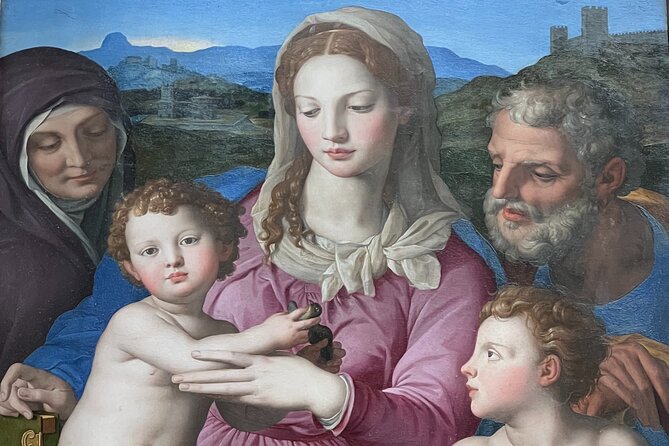
After Rome, you hit the Greek works. Greek art is often treated like a distant origin story, but on this tour it’s framed as crucial for what later European artists learned and adapted.
I like this stop because it gives you a baseline. When you see Greek works with an explanation of their influence, other artworks in the Louvre start making more sense. You’re not just collecting images, you’re building a timeline.
If you’re the kind of person who likes a clear cause-and-effect chain in history, this is one of the strongest segments.
Stop 4: Medieval art and how it leads to the Renaissance
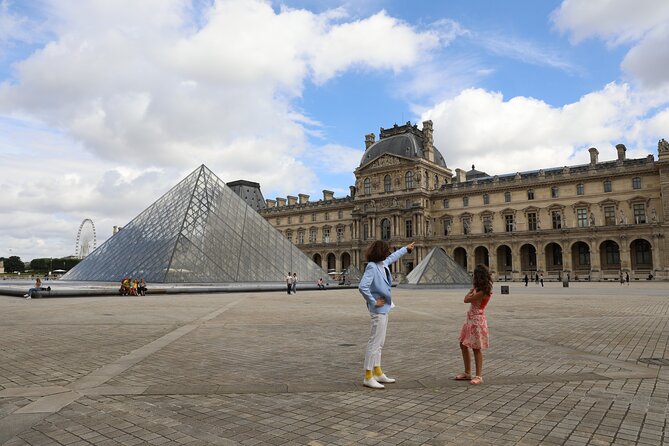
Then comes medieval art, with a focus on its influence on the Renaissance period. This is a smart pairing, because many first-time Louvre visits skip this “middle” phase or treat it as filler.
Here, the guide helps you notice how styles and ideas shift, which makes the leap into the Renaissance feel less like a jump and more like an evolution. It also helps if you’re worried the Louvre will feel like only ancient statues and a few superstar paintings. Medieval work gives it a more human, cultural story.
Again, it’s a short stop, about 15 minutes, so think of it as a guided primer. You’ll likely want to revisit these periods if you catch the bug.
Stop 5: The Great Gallery and Italian Renaissance painting
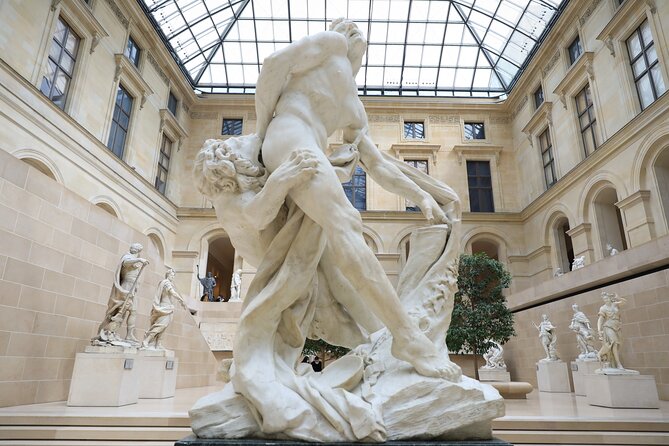
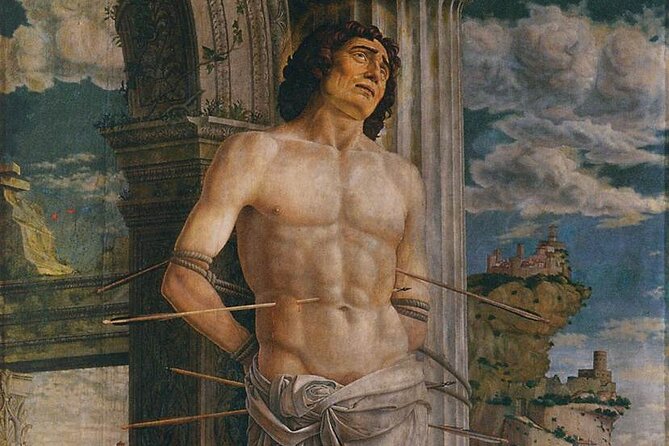
The tour’s pacing turns toward painting in the Great Gallery, the focal point of the museum experience. Here you’re pointed toward Italian Renaissance art, often described as a high point of European painting.
This is where you’re likely to feel the Louvre’s “wow” factor most strongly. You’re not only seeing famous style features. You’re also being shown the logic behind the beauty, like how composition and technique create a sense of order and calm.
Is it perfect for everyone? If your idea of a museum day is slow contemplation, the tour’s structure may leave you wanting more time in front of specific works.
But if your goal is to leave with a clear sense of the Louvre’s most important periods, this stop does a lot of heavy lifting.
Stop 6: Romanticism gallery, fiery and dramatic
Next is the Romanticism gallery, described as fiery and dramatic. This stop is valuable because it shifts the “why” of art from craft and classic rules to emotion, tension, and storytelling.
For you, Romanticism works best when you let yourself notice mood. The guide helps connect the movement’s energy to what you’re seeing, so the paintings feel like they belong to a cultural moment, not just individual masterpieces.
At 15 minutes, you’re getting a taste. But it’s enough to decide if Romanticism deserves your attention during your self-guided time afterward.
Stop 7: Neoclassicism, elegant and poised
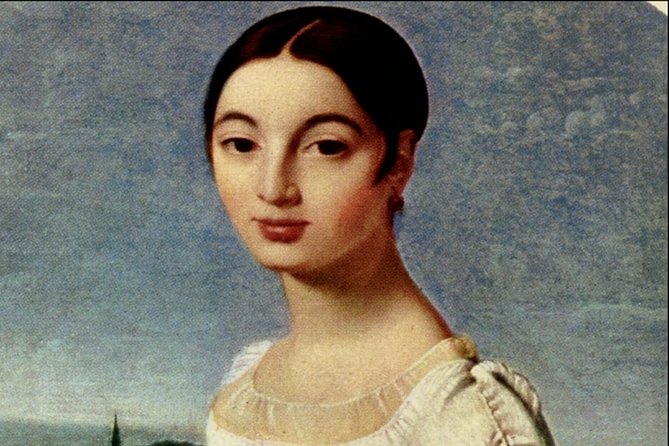
The final art-movement stop is Neoclassicism, with elegant, poised, sophisticated painting. This is a great closing chapter because it contrasts Romantic drama with a return to order and classical restraint.
This ending choice also makes the whole tour feel like a circle. You start with ancient roots, move through medieval transition, then see the Renaissance peak, and finally land in later movements that react to those foundations.
When you finish, you’ll likely understand the Louvre less as a random collection and more as an evolving conversation across centuries.
The guides are the real value-add
This tour lives or dies by the guide. And the pattern from past experiences is strong: guides named Boris, Boraz, Mila, Tina, Amy, Steph, Anya, Adi, and Anne were repeatedly described as punctual, engaging, funny in the right way, and able to tailor the route to interests.
What I’d take from that for your decision is not the names themselves. It’s the skill set. You want an art historian who can do two things at once: navigate the physical maze and explain what you’re looking at in a way that clicks fast.
If you’re booking this because you only have a limited window in Paris, that guide effect becomes the difference between a stressful day and a meaningful one.
Price, value, and what you should compare it to
The price is $301.71 per person for about 2 hours. That can sound like a lot until you compare it to two realities.
First, the Louvre is huge and time is limited. If you waste time figuring out where to go, the tour becomes cheaper than paying for an entire extra day of “half a visit.”
Second, your entrance ticket for adults is included as €22. Even if you would buy tickets anyway, this package saves you mental energy and helps you start with less friction.
My practical take: this tour is best value when you want highlights plus context, and you do not want to spend your limited museum hours bouncing between rooms with no plan.
Who this tour suits best
This experience is a smart fit if you:
- Have only a few hours in Paris and want maximum payoff at the Louvre
- Prefer a guided route that explains how art periods connect
- Are traveling as a solo visitor or small group and want the comfort of a private pace
The tour also notes moderate physical fitness. That’s fair warning for the Louvre itself, which involves walking and standing. If you’re mobility-limited, you might still do it, but you should think carefully about your endurance.
What to do before and after the tour
Because the tour ends back at the meeting point, I like pairing it with nearby plans. It makes your day feel organized instead of scattered.
Before you go, set a simple goal in your head. For example, decide if you care more about paintings, antiquities, or how art styles changed. Then when your guide asks what you want to see, you’ll be ready to respond.
After the tour, you’ll be in a better position to wander. You’ll recognize periods, understand why certain works were placed together, and you’ll know what you want to return to for longer looks.
A few considerations before you book
Two things to consider.
One, the time at each stop is about 15 minutes, so it’s not a deep dive on any single masterpiece. If you love one artist or one period, you may want to plan your own extra time in the Louvre on a different visit.
Two, not every guide’s English level was identical for every group in past experiences. Most accounts rate guides extremely well, but if you are very sensitive to language nuance, you should expect that any short, fast-moving tour may include moments where you rely on your guide to keep pace.
Should you book this Louvre private guided visit?
If you’re asking whether this is “worth it,” here’s the practical answer. Book it if you want a tight, high-impact Louvre experience with an art historian and a route built to save time. With only a couple hours, this is a very sensible way to see the museum’s greatest hits and understand how the collection connects.
Skip it (or add extra time) if your dream Louvre day is slow, solo wandering with lots of lingering. This tour gives you a strong overview, not a marathon.
If you can handle a focused pace and you want to come away with both famous works and the wider story behind them, this private visit is one of the cleanest ways to do the Louvre without feeling lost in a sea of galleries.
FAQ
How long is the Louvre private guided visit?
The tour is about 2 hours.
Where do we meet for the tour?
You start at Arc de Triomphe du Carrousel, Pl. du Carrousel, 75001 Paris, France.
Is the Louvre entrance ticket included?
Yes. An adult entrance ticket is included (listed as €22).
Is this a private tour or shared group?
It is private. Only your group participates.
What language is the tour offered in?
The tour is offered in English.
Is food or drinks included?
No. Food and drinks are not included.
Who gets free admission?
Free admission applies to visitors under 18, and EEA residents under 26, when they show valid ID and proof of residency.
What is the cancellation policy?
This experience is non-refundable and cannot be changed for any reason. If you cancel or ask for an amendment, the amount you paid is not refunded.
More Private Tours in Paris
More Guided Tours in Paris



More Tour Reviews in Paris






Not for you? Here's more nearby things to do in Paris we have reviewed












Louvre Museum Tours, side by side.
 ★ 4.6Louvre Museum Timed-Entrance TicketTickets from $2671,977 guest reviews
 ★ 4.3Louvre Guided Tour with Reserved Access & Boat CruiseTickets from $8116,353 guest reviews
 ★ 4.5Louvre Museum Masterpieces Guided Tour with AccessTickets from $8612,023 guest reviews
 ★ 4.6Louvre Museum Entry Ticket With Host and River CruiseTickets from $1009,926 guest reviews
 ★ 4.1Priority Access Louvre with Host -Direct to Mona LisaTickets from $748,387 guest reviews
 ★ 4.6Mona Lisa & Louvre Masterpieces Tour with Reserved AccessTickets from $806,812 guest reviews
 ★ 5.0Louvre Museum – Exclusive Guided Tour (Entry Included)Tickets from $1816,296 guest reviews
 ★ 4.0Louvre Reserved Ticket and River Cruise ComboTickets from $376,054 guest reviews
This tour also belongs to